Holsteinborg Castle
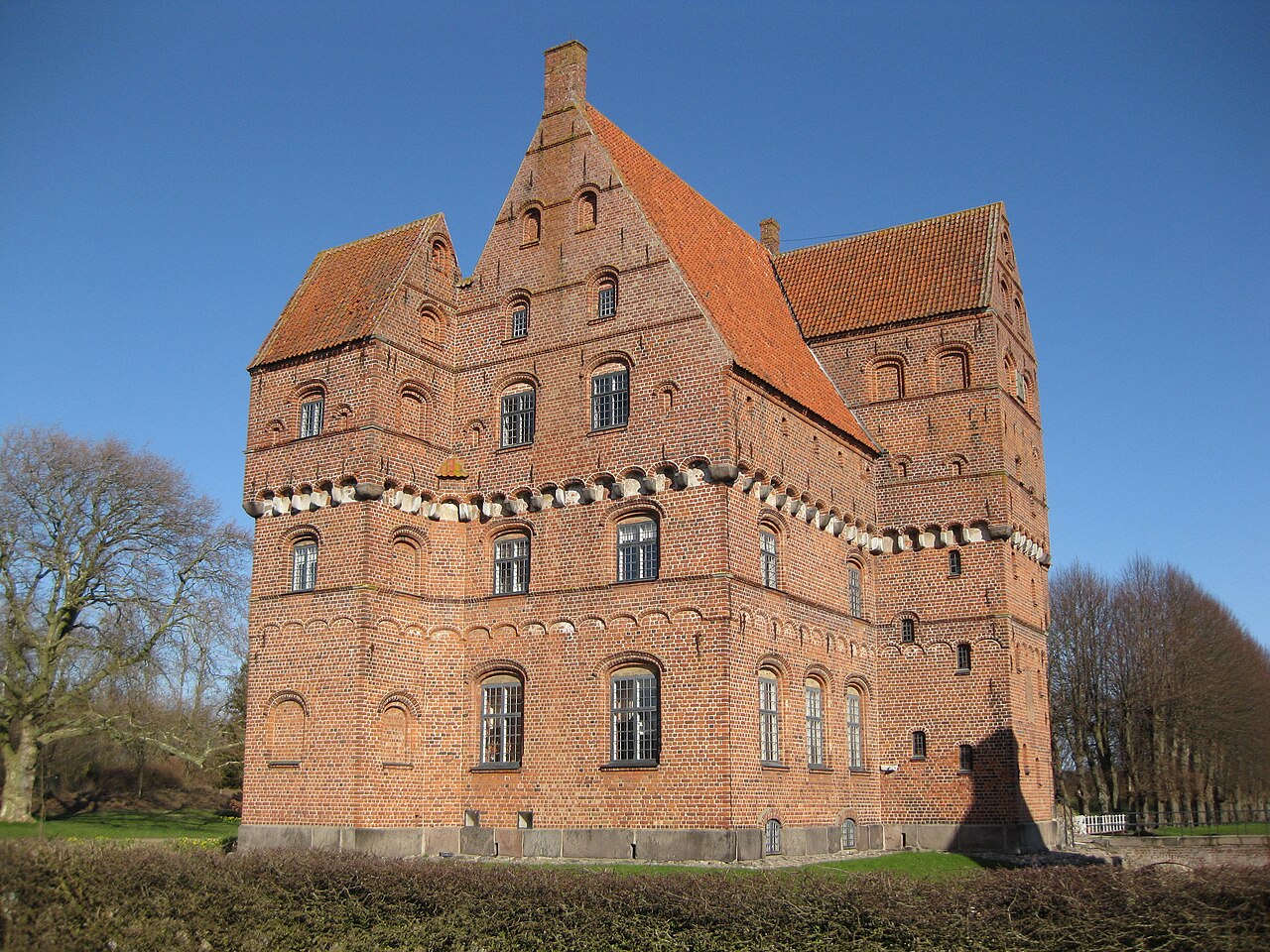
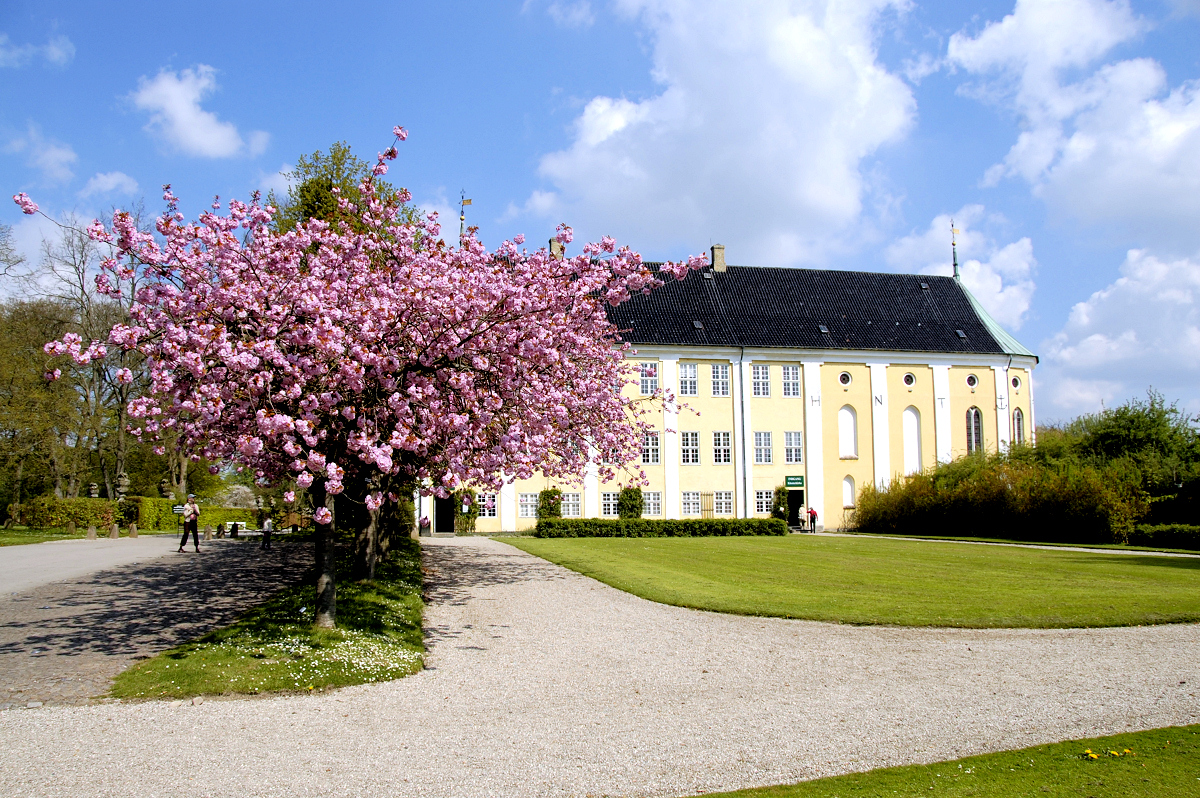
Holsteinborg Castle is a significant Renaissance castle located in Rude, Denmark. Constructed between 1598 and 1651 by the noble Trolle family, the castle stands as a well-preserved example of Danish Renaissance architecture. Since 1707, it has been owned by the Holstein family, who have played a pivotal role in the estate's development and cultural history.
Architectural features and construction history
The construction of Holsteinborg Castle spanned over five decades, reflecting the evolving architectural styles and needs of its owners. The castle's design is characterized by its robust brickwork, steeply pitched roofs, and ornate gables typical of the Danish Renaissance style. The estate includes a main building surrounded by a moat, defensive walls, and several ancillary structures such as stables and farm buildings, which together form a self-sufficient manor complex.
The castle's layout is rectangular, featuring a central courtyard that was common in Renaissance manor houses, allowing for both defense and domestic functionality. The interiors retain period features including wood-paneled halls, grand fireplaces, and original staircases, which highlight the craftsmanship of the era.
Historical significance and cultural contributions
Holsteinborg Castle is notable not only for its architecture but also for its role in Danish social history. After the Holstein family acquired the estate, Ulrich Adolph Holstein, the first count, initiated progressive social reforms around 1710. He established ten village schools on the estate, promoting education in rural Denmark at a time when it was not widely accessible.
The castle also holds a place in Danish cultural history as the site where the first Christmas tree in Denmark was lit in 1808. This tradition spread throughout the country and remains an integral part of Danish holiday celebrations. Additionally, Holsteinborg was the location of Northern Europe's first savings bank, opened in 1810, and Denmark's first health insurance scheme in 1811, marking the estate as a center of early social welfare innovations.
Between 1810 and 1825, the estate expanded its educational outreach by building fourteen schools and twelve handicraft schools, further cementing its role in community development and vocational training.
Connection to hans christian andersen
Hans Christian Andersen, the famed Danish author, visited Holsteinborg Castle frequently. The castle and its surroundings inspired many of his works, including fairytales, poems, and travel accounts. Andersen's relationship with the Holstein family and his stays at the castle provided a creative environment that influenced his literary output during the 19th century.
Present day status and visitor information
Today, Holsteinborg Castle remains a well-preserved Renaissance estate, still owned by the Holstein family. The castle's historical significance and architectural integrity make it an important cultural landmark in Denmark. Visitors to the castle can explore its exterior architecture and the surrounding estate, although access to the interior may be limited as it remains a private residence.
The estate's location in the Region Zealand places it within reach of other notable Danish castles and cultural sites, making it a valuable destination for those interested in Denmark's aristocratic history and Renaissance architecture.
Educational and social legacy
The legacy of Holsteinborg Castle extends beyond its physical structure. The early establishment of schools and social institutions on the estate reflects a commitment to community welfare and education uncommon for its time. This pioneering spirit contributed to the development of rural education and social services in Denmark, influencing broader national policies in the centuries that followed.
Holsteinborg's role in initiating Denmark's first savings bank and health insurance system highlights the estate's importance as a hub of innovation in social finance and healthcare, predating many modern systems.
Frequently asked questions (FAQ)
- What is the historical significance of Holsteinborg Castle?
- Holsteinborg Castle, located in Rude, Denmark, dates back to the 16th century and is an excellent example of Renaissance architecture. It has served various purposes throughout the centuries, including as a royal residence and a military stronghold, showcasing Denmark's rich history.
- When was Holsteinborg Castle built?
- The construction of Holsteinborg Castle began in the late 1500s and was completed in the early 1600s. It was commissioned by the noble family Holstein, reflecting the architectural styles and cultural influences of that era.
- Can I visit Holsteinborg Castle?
- Yes, Holsteinborg Castle is open to visitors, allowing them to explore its grounds and learn about its fascinating history. Guided tours are available during the peak tourist season, providing in-depth insights into the castle’s architecture and historical significance.
- What are the opening hours for Holsteinborg Castle?
- Holsteinborg Castle typically opens from 10 AM to 5 PM during the summer months, while winter hours may vary. It is advisable to check the official website or contact the castle directly for the most accurate information before planning your visit.
- Is it possible to access the castle grounds with mobility aids?
- Yes, Holsteinborg Castle is committed to making its grounds accessible to all visitors, including those with mobility aids. While some historical areas may have limited access, the main visitor paths are designed to accommodate wheelchairs and strollers.
- When is the best time to visit Holsteinborg Castle?
- The best time to visit Holsteinborg Castle is during the late spring or early summer months when the weather is pleasant, and the gardens are in full bloom. Additionally, visiting during this time allows you to enjoy various outdoor activities and events that the castle hosts.
- What are the nearby attractions to Holsteinborg Castle?
- Nearby attractions include the scenic Rude beach and the charming town of Rude, which offers quaint shops and eateries. Visitors can also explore other historical sites in the region, making it a perfect day trip destination.
- How much do tickets cost for Holsteinborg Castle?
- Tickets for Holsteinborg Castle vary depending on the season and the type of tour selected. Generally, prices are affordable, with discounts available for children, students, and seniors, making it accessible for families and groups.
Information
Loading map...
Visitor reviews
No reviews yet. Been here? Write the first review and help other travelers!
Write the first reviewVisited this castle? Share your experience
Your review helps other travelers and adds first-hand knowledge to our encyclopedia.