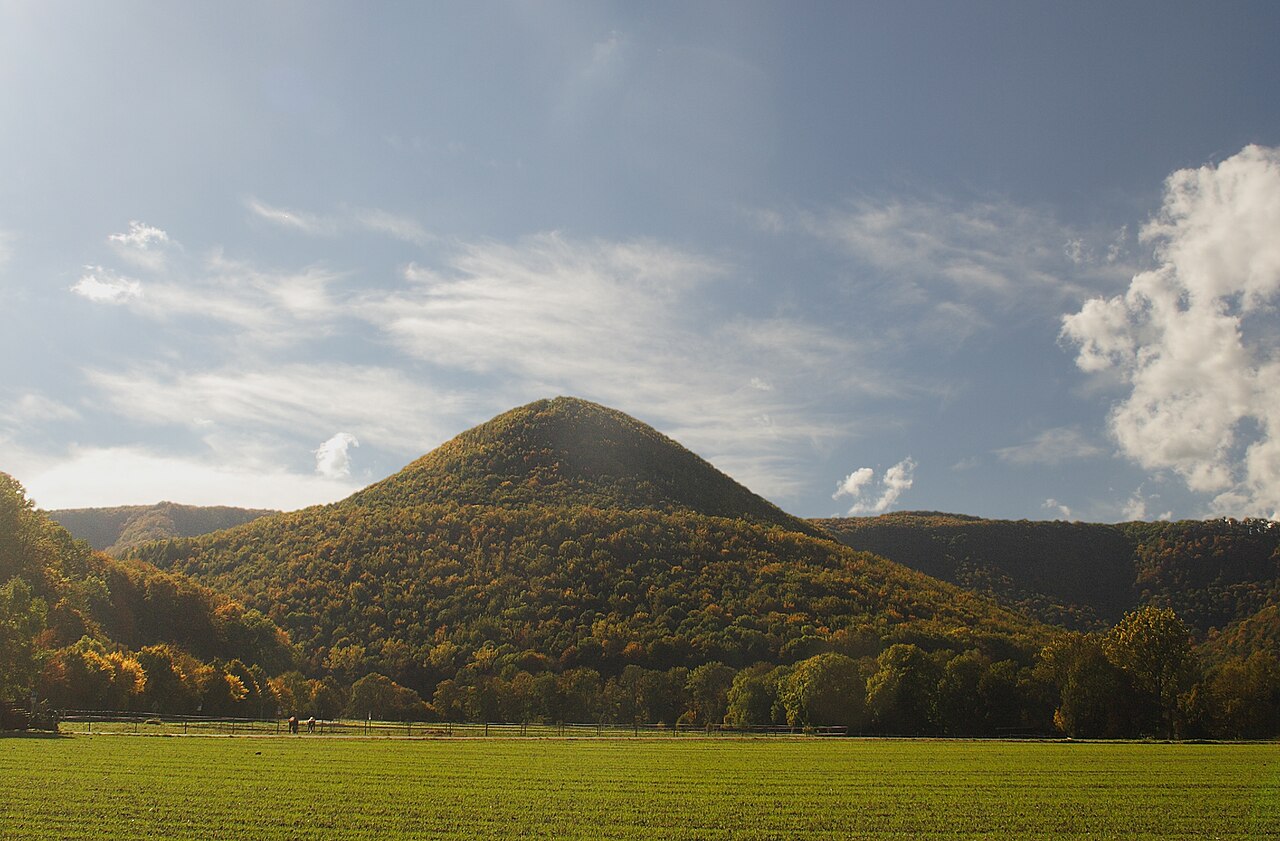
Hohenwittlingen Castle
Hohenwittlingen Castle is a high medieval hill castle perched above the Wittlingen district of Bad Urach in the Reutlingen region of Germany. Constructed in the 13th century, this castle played a significant role in the military and political landscape of the area during the Middle Ages. Today, the castle ruins offer visitors panoramic views of the Erms valley and serve as a fascinating historical site accessible only by foot.
Historical background and ownership
The earliest documentary mention of Hohenwittlingen Castle dates back to 1248, identifying it as a property of the Dukes of Urach. Shortly thereafter, in 1251, ownership transferred to the Dukes of Württemberg, under whose control the castle became a key military base. This transition reflected the shifting power dynamics in the region during the high medieval period.
Throughout its history, the castle served various strategic and protective functions. In 1548, it notably provided sanctuary to Johannes Brenz, a prominent reformer of Württemberg, emphasizing the castle's role not only in military affairs but also in the religious and cultural developments of the time.
However, the castle's fortunes declined after a devastating fire in 1576. The damage was severe, and only partial repairs were undertaken. Following the Thirty Years' War, the castle's function shifted from a noble residence to a prison, housing poachers and other wrongdoers. Eventually, it fell into disuse and ruin.
Architectural features and castle layout
Although now in ruins, Hohenwittlingen Castle retains traces of its original high medieval defensive architecture. The castle was strategically situated on a hill, taking advantage of natural topography for defense. Its walls and remaining structures reveal typical features such as fortified stone walls, remnants of towers, and possibly a gatehouse that controlled access to the site.
The castle's elevated position provided commanding views over the Erms valley, allowing defenders to monitor approaching enemies effectively. The nearby natural features, including the Wolfschlucht (Wolf Ravine) and the Schillerhöhle cave, add to the dramatic landscape surrounding the castle.
Decline and current state
After its partial repair post-fire, the castle's military importance diminished. By the 18th century, the ruins still offered some protection to local farmers during enemy incursions, but the castle was largely abandoned. Over time, the structure deteriorated further, leaving behind the ruins visible today.
Visitors can freely explore the site, though access is limited to footpaths, preserving the castle's natural and historical atmosphere. The ruins stand as a testament to the region's medieval heritage and the shifting tides of history that led to the castle's rise and fall.
Visiting hohenwittlingen castle
The castle ruins are accessible from the Wittlingen district of Bad Urach, offering a rewarding destination for hikers and history enthusiasts. The site is open year-round, with no entrance fee, making it an attractive spot for those interested in medieval architecture and scenic views.
Combining a visit to Hohenwittlingen Castle with walks to nearby natural landmarks such as the Wolfschlucht and the Schillerhöhle cave enriches the experience, blending cultural heritage with the beauty of the Swabian Jura landscape.
Frequently asked questions (FAQ)
- How do I get to Hohenwittlingen Castle?
- Hohenwittlingen Castle is located in Bad Urach, Germany, and can be accessed by car or public transportation. If you are driving, ample parking is available nearby. For public transport, check local bus schedules that connect to Bad Urach.
- What is the historical significance of Hohenwittlingen Castle?
- Hohenwittlingen Castle dates back to the 13th century and played a crucial role in the region's history as a defensive structure. It reflects the architectural styles of its time and has witnessed various historical events, making it a significant landmark in Bad Urach.
- When was Hohenwittlingen Castle built?
- Hohenwittlingen Castle was constructed in the early 13th century, around 1210. Over the centuries, it has undergone various renovations, which showcase the evolution of medieval architecture in the region.
- Can I visit Hohenwittlingen Castle year-round?
- Yes, Hohenwittlingen Castle is open to visitors year-round, although specific opening hours may vary by season. It's advisable to check the castle's official website for the most current visiting information before planning your trip.
- Why is Hohenwittlingen Castle a popular tourist destination?
- Hohenwittlingen Castle is popular for its stunning architecture, rich history, and breathtaking views of the surrounding landscape. Visitors enjoy exploring the castle grounds, learning about its history, and taking in the natural beauty of the area.
- Is it possible to access Hohenwittlingen Castle with limited mobility?
- Hohenwittlingen Castle has some accessibility options, but due to its historical nature, certain areas may be challenging for visitors with limited mobility. It is recommended to contact the castle administration in advance to inquire about specific accessibility accommodations.
- What are the ticket prices for Hohenwittlingen Castle?
- Ticket prices for Hohenwittlingen Castle are generally affordable, with discounts available for students and seniors. Children under a certain age may enter for free. Check the castle's official website for the latest pricing and any special offers.
- What are the opening hours for Hohenwittlingen Castle?
- The opening hours for Hohenwittlingen Castle vary throughout the year, usually ranging from 10 AM to 6 PM during peak season. Off-peak hours may differ, so it’s best to check the official website for the most accurate and up-to-date information before your visit.
- What nearby attractions can I visit when at Hohenwittlingen Castle?
- While visiting Hohenwittlingen Castle, you can also explore other nearby attractions such as the historic town of Bad Urach and its beautiful natural surroundings, including hiking trails. The Urach Waterfall and the Swabian Jura region are also popular destinations for outdoor enthusiasts.
Information
Loading map...
Visitor reviews
No reviews yet. Been here? Write the first review and help other travelers!
Write the first reviewVisited this castle? Share your experience
Your review helps other travelers and adds first-hand knowledge to our encyclopedia.