Hohenurach Castle

Hohenurach castle in bad urach, germany
Bad Urach, Baden-Wurttemberg, Germany
High Medieval (11th–13th c.)
Ruins

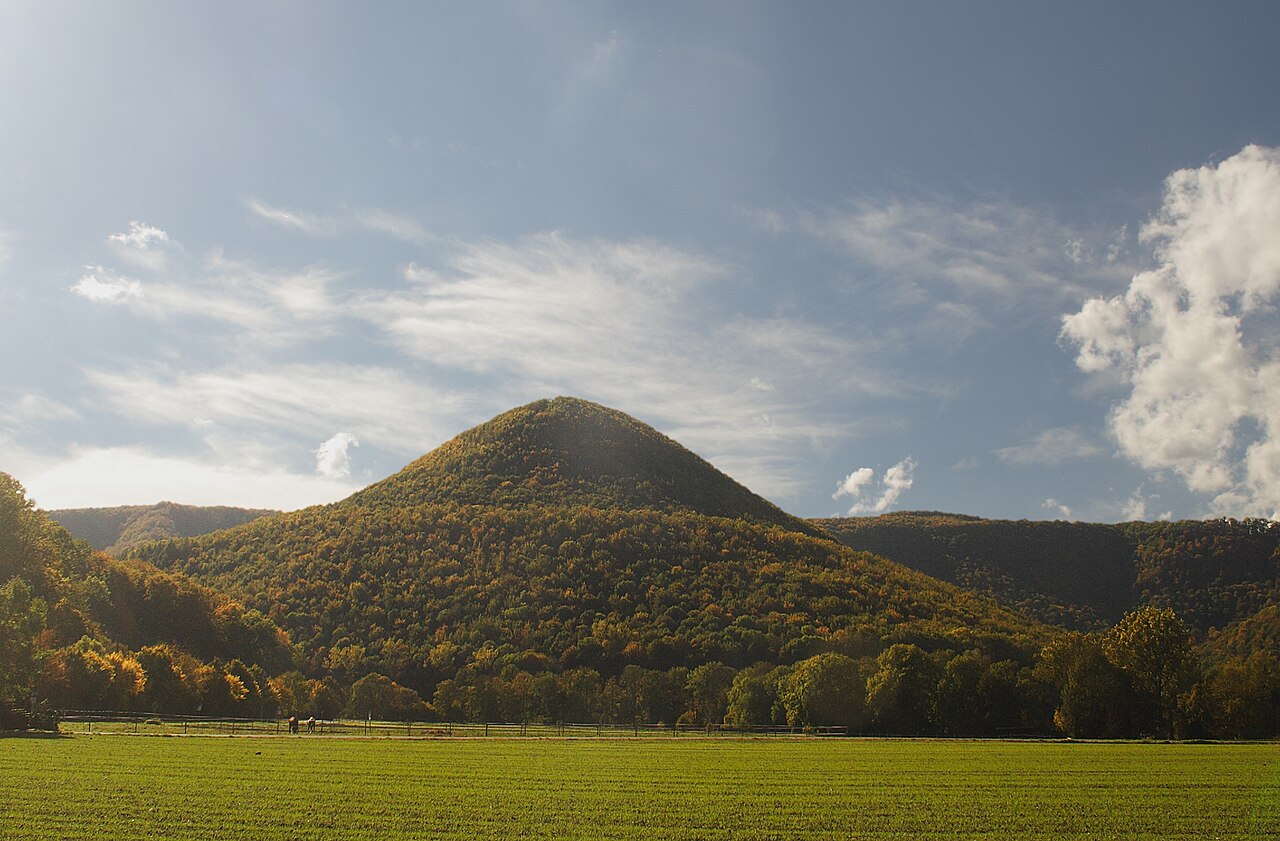
Hohenurach Castle is a prominent medieval fortress situated in the town of Bad Urach, within the state of Baden-Württemberg in Germany. Perched atop a steep hill, this castle commands impressive panoramic views of the surrounding landscape, a strategic advantage that contributed to its historical significance. Constructed around 1025, it stands as a remarkable example of early medieval fortification architecture in the region.

Historical significance and origins

The castle was originally built as a stronghold for the local nobility, specifically the Counts of Urach, who wielded considerable influence in the Swabian region during the High Medieval period. Hohenurach served as a center of power and administration, overseeing the surrounding territories and protecting trade routes. Its foundation in the early 11th century places it among the older castles in southwestern Germany, reflecting the feudal dynamics and territorial conflicts of the time.

Throughout the Middle Ages, Hohenurach Castle played a vital role in regional politics and military affairs. Its elevated position allowed it to function as a lookout and defensive bastion against rival lords and external threats. The castle witnessed various periods of conflict, including local skirmishes and broader struggles during the fragmentation of the Holy Roman Empire.

Architectural features and layout

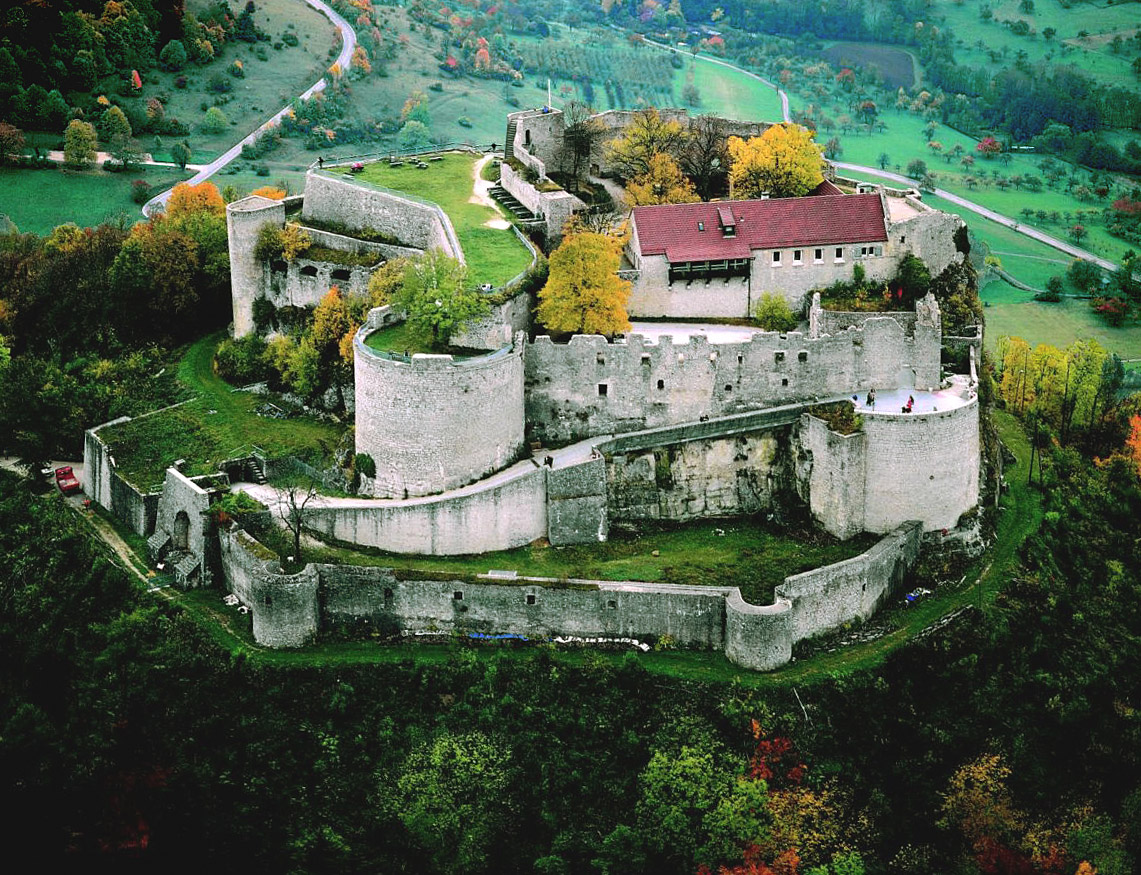
Hohenurach Castle is classified as a hill castle, built on a rocky promontory that naturally enhances its defensive capabilities. The castle complex includes a robust keep (donjon), fortified curtain walls, and several towers that provided vantage points for surveillance and defense. The walls are constructed primarily of local stone, showcasing the durable masonry techniques of the medieval period.

The castle's layout is typical of early medieval fortifications, with a central courtyard surrounded by residential quarters, storage buildings, and defensive structures. A well-preserved gatehouse marks the main entrance, historically equipped with defensive mechanisms such as a portcullis and murder holes. The presence of a moat or natural ditch further augmented the castle's defenses, though today only traces remain.

Renovations and preservation

After centuries of use, Hohenurach Castle experienced decline and partial abandonment, particularly following changes in political power and military technology that rendered hill castles less strategically vital. In the 19th century, the castle underwent significant renovation efforts aimed at preserving its ruins and making it accessible to visitors. These restorations focused on stabilizing the remaining structures and enhancing safety while retaining the historical authenticity of the site.

Today, Hohenurach Castle is considered a well-preserved ruin, attracting tourists interested in medieval history, architecture, and scenic views. The site offers educational opportunities through guided tours and informational displays that detail the castle's historical context and architectural evolution.

Cultural importance and tourism

Hohenurach Castle holds cultural and heritage significance as a symbol of the medieval history of Baden-Württemberg. Its commanding position and evocative ruins contribute to the identity of Bad Urach and the surrounding region. The castle is a popular destination for hikers and history enthusiasts, accessible via trails that connect it to the town below.

Visitors can explore the castle grounds, climb towers for expansive views, and learn about the feudal era through onsite exhibits. Seasonal events and historical reenactments occasionally take place, enhancing the visitor experience and fostering appreciation for the region's medieval past.

Access and visitor information

The castle is open to the public year-round, with the best visiting times during spring through autumn when weather conditions favor outdoor exploration. While the site is largely in ruins, pathways and safety measures have been implemented to facilitate visitor access. Guided tours are available, providing in-depth insights into the castle's history and architecture.

Nearby amenities in Bad Urach, including restaurants and accommodations, support tourism to the castle. The site is reachable by car and public transportation, with parking facilities located near the base of the hill.

Frequently asked questions (FAQ)

How do I get to Hohenurach Castle?
Hohenurach Castle is located near Bad Urach, Germany, and can be accessed by a scenic hike from the town. There are well-marked trails that lead to the castle, providing beautiful views of the surrounding landscape. Public transportation options are available to reach Bad Urach, and parking is available for those who drive.
What is the historical significance of Hohenurach Castle?
Hohenurach Castle dates back to the 12th century and was an important fortress during the Middle Ages. It played a crucial role in local politics and served as a residence for several noble families. The castle's ruins today reflect its storied past and offer insights into medieval architecture and life.
When was Hohenurach Castle built?
Hohenurach Castle was constructed around the year 1100, making it one of the oldest castles in the region. It was built on a rocky outcrop, providing a strategic vantage point for defense and control over the surrounding area. Over the centuries, it underwent various modifications and restorations.
Can I enter Hohenurach Castle?
Visitors can explore the castle grounds and enjoy the stunning views from its ruins, but there is no entry into the interior of the castle as it is not fully restored. The site is open to the public year-round, allowing for a unique experience of the historical architecture and natural beauty. Be sure to bring a camera to capture the breathtaking scenery!
Why is Hohenurach Castle a popular destination for tourists?
Hohenurach Castle is popular for its rich history, stunning architecture, and breathtaking panoramic views of the Swabian Jura. The combination of its historical significance and natural setting makes it a favorite among hikers and history enthusiasts alike. Additionally, its proximity to Bad Urach adds to its appeal as a convenient day trip destination.
Is it possible to visit Hohenurach Castle year-round?
Yes, Hohenurach Castle is accessible to visitors year-round, although the best time to visit is during the spring and fall when the weather is mild and the surrounding landscapes are particularly beautiful. Winter visits can be charming but may require appropriate clothing for colder temperatures. Summer can be busy with tourists, so it’s advisable to plan your visit accordingly.
What are the opening hours for Hohenurach Castle?
Hohenurach Castle does not have formal opening hours as it is an open-air site. Visitors can access the castle grounds at any time, but it is recommended to visit during daylight hours for safety and to fully enjoy the views. Local information can provide updates on any seasonal changes or events.
Are there any nearby attractions to Hohenurach Castle?
Yes, there are several attractions near Hohenurach Castle, including the charming town of Bad Urach, known for its historical architecture and thermal baths. The Urach Waterfall and the scenic hiking trails of the Swabian Jura offer additional opportunities for outdoor activities and exploration. These nearby sites make it easy to create a full day of adventure in the area.
What are the ticket prices for visiting Hohenurach Castle?
There is no admission fee to visit Hohenurach Castle, making it an affordable destination for travelers. However, visitors may wish to consider guided tours that may have associated costs. Always check local resources for any special events that might have different pricing structures.

Information

Hill Castle

Loading map...

Visitor reviews

No reviews yet. Been here? Write the first review and help other travelers!

Write the first review

Visited this castle? Share your experience

Your review helps other travelers and adds first-hand knowledge to our encyclopedia.

Write a review

(5/5)

0/2000 characters

Your review will be visible after admin approval

Nearby castles

2 km

Hohenurach Castle Ruins

Bad Urach, Germany

Hohenurach Castle is a significant medieval fortress located near the town of Bad Urach in the state of Baden-Württemberg, Germany. Its imposing ruins stand atop a steep hill, dominating the surrounding landscape and offering commanding views of the Swabian Jura region. The castle's origins trace back to the 11th century, making it one of the oldest and most important hill castles in southern Germany. Early history and construction The first documented mention of Hohenurach Castle dates to 1235, but archaeological and historical evidence suggests the castle was originally constructed in the 11th century by the Counts of Urach. Built as a hill castle, it was strategically positioned to control important trade routes and oversee the surrounding valleys. The castle's early architecture focused on strong defensive features typical of the high medieval period, including thick stone walls and a fortified keep. Architectural features and layout The castle complex was built on a rocky outcrop, incorporating natural cliffs into its defenses. The original structure included a keep (donjon), curtain walls, and a gatehouse. Over time, the castle expanded to include multiple baileys and residential buildings. The layout reflects typical high medieval hill castle design, with an emphasis on defense and self-sufficiency. Modifications and military significance In 1427, Count Ludwig I of Württemberg undertook significant renovations, constructing a new castle on the existing foundations. This reconstruction introduced updated defensive elements suitable for the evolving military technology of the late medieval period. The castle's fortifications were strengthened to withstand artillery and prolonged sieges. Despite these improvements, Hohenurach Castle suffered heavy damage during the Schmalkaldic War in 1547. This conflict, part of the religious and political upheavals of the 16th century, saw the castle besieged and partially destroyed. In response, Duke Christoph of Württemberg ordered a comprehensive rebuilding in 1551, transforming the castle into a more modern fortress with Renaissance influences, while retaining much of its medieval character. Role as a state jail From the 16th century onward, the castle also functioned as a state prison. Its secure location and robust construction made it suitable for detaining important prisoners. Among its notable inmates was Nicodemus Frischlin, a professor from Tübingen, who was imprisoned here until his death in 1590. The dual role of the castle as both fortress and prison underscored its strategic and political importance in the region. Decline and current state By the 18th century, the military importance of Hohenurach Castle diminished. In 1765, Duke Carl Eugen of Württemberg decided to relocate the garrison to the nearby town of Bad Urach and ordered the partial demolition of the fortress to prevent its use in future conflicts. This marked the beginning of the castle's decline into ruin. Today, the Hohenurach Castle ruins remain one of the largest and most impressive medieval ruins in southern Germany. The towering remnants of walls, towers, and gatehouses offer insight into medieval fortification techniques and the castle's layered history. The site is freely accessible on foot, attracting visitors interested in medieval architecture, history, and panoramic views of the Swabian Jura. Visitor experience and accessibility The ruins of Hohenurach Castle can only be reached by hiking trails leading up the hill from Bad Urach. The walk provides scenic views and an immersive experience of the castle's commanding position. Visitors can explore the extensive ruins, including the remains of the keep, curtain walls, and other defensive structures. Interpretive signage helps contextualize the site's historical significance. Architectural and cultural significance Hohenurach Castle exemplifies the evolution of medieval fortifications from the early high medieval period through the Renaissance. Its layered construction phases reflect changing military technologies and political circumstances. As a former state prison and military fortress, it played a notable role in the history of Württemberg and the broader region. The castle's ruins contribute to the cultural heritage of Baden-Württemberg and serve as a tangible link to the medieval past. Its preservation as a ruin allows for ongoing archaeological study and public education about medieval castle architecture and regional history.

High Medieval (11th–13th c.)
Details
2.9 km
Runder Berg — Germany castle

Runder Berg

Bad Urach, Germany

Runder Berg is a remarkable hill castle site located near the town of Bad Urach in Germany. This oval-shaped hilltop, rising about 45 meters above the surrounding landscape, has served as a strategic settlement and fortified center for more than two millennia. Its long history of human occupation spans from the early Bronze Age through the early Middle Ages, reflecting evolving cultural, military, and architectural developments in the region. Early human occupation and prehistoric significance The earliest evidence of human activity on Runder Berg dates back to around 1600 BCE during the early Bronze Age. Archaeological findings show intermittent habitation phases continuing through the late Iron Age, with notable settlement periods between 1100 and 750 BCE, around 550 BCE during the Hallstatt period, and again in the late La Tène period of the 2nd and 1st centuries BCE. These repeated occupations highlight the hill's ongoing importance as a defensible and resourceful location in prehistoric times. The Alamannic stronghold in the 4th and 5th centuries During the 4th and 5th centuries CE, Runder Berg became the seat of a local Alamannic regulus or petty king. This fortified settlement was protected by a substantial wood and earth rampart approximately 220 meters in length. Within this enclosure, specialized workshops produced gold and bronze items as well as bone carvings, indicating a sophisticated economy and skilled craftsmanship. The Alamannic community likely played a significant role in regional power dynamics until its destruction around 500 CE, an event possibly linked to the expansion of the Frankish kingdom under King Chlodwig I, who defeated the Alamanni and exiled their ruling elite. The Frankish noble residence in the 7th and 8th centuries Following the Alamannic period, the site was occupied by a Frankish noble family during the 7th and 8th centuries. Archaeological evidence reveals a large timber palas or main hall with three aisles measuring approximately 20 by 9 meters. This central building was surrounded by heated residential structures known as kemenaten, which provided comfort and status. The settlement also included a variety of craft workshops such as weaving rooms, a smithy, a mill, and a kitchen, suggesting a self-sufficient fortified residence. Finds of arms and spurs indicate the presence of heavily armed cavalry, emphasizing the site's military significance. This Frankish stronghold may have been destroyed around 750 CE, possibly during the Blood Court at Cannstatt, an event that suppressed Alamannic resistance. The medieval stone castle and its architectural features Between the 9th and 10th centuries, the hilltop was transformed with the construction of a stone castle. This fortress featured a defensive wall running along the hillside and was reinforced by at least three rectangular towers. The interior buildings were equipped with tiled stoves for heating and glass windows, reflecting a degree of wealth and comfort uncommon in earlier periods. The castle remained in use until the early 11th century, after which it was abandoned. It is uncertain whether this fortress was directly succeeded by the nearby Hohenurach castle. Archaeological investigations and preservation Research into Runder Berg's extensive history began with private excavations by Helmut Burkert after World War II. More comprehensive archaeological work was carried out from 1967 to 1984 under the auspices of the Heidelberg Academy of Sciences. These investigations have been crucial in uncovering the site's multi-layered occupation and its role as a fortified center of power during the early Middle Ages. The summit's oval plateau, covering roughly 0.45 hectares, reveals stratified remains from various periods. Visitors today can observe earthworks, remnants of the wooden and earth ramparts from the Alamannic period, and the stone foundations and walls from the medieval castle. These features illustrate the site's continuous adaptation and strategic importance through centuries. Remains of the Alamannic settlement The 4th and 5th century Alamannic fortification included a 220-meter long rampart of wood and earth. Inside this enclosure, workshop areas specialized in producing gold and bronze objects as well as bone carvings, demonstrating a complex and skilled economy within the fortified space. Frankish period structures and artifacts The Frankish phase is distinguished by a prominent three-aisled timber hall at the site's core, surrounded by heated kemenaten. Additional craft buildings such as weaving workshops, a smithy, a mill, and a kitchen indicate a self-contained noble residence. Numerous finds including jewelry, fibulae (disc-shaped brooches), spindle whorls, and spurs support the interpretation of a fortified community with a strong cavalry presence. Medieval stone castle remains The later medieval fortress was fortified by a hillside defensive wall and at least three rectangular towers. Interior buildings featured tiled stoves and glass windows, signaling comfort and status. The surviving stone walls and foundations have been systematically recorded, providing valuable insights into early medieval castle architecture in the region. Visiting Runder Berg today Today, Runder Berg stands as an important archaeological and historical site open to visitors interested in early medieval fortifications and prehistoric settlements. The visible earthworks and stone remains offer a tangible connection to the site's rich past. Interpretive signage and guided tours help contextualize the site's significance in the broader history of the region. Runder Berg's layered history, from prehistoric occupation through Alamannic and Frankish fortifications to medieval stone castle construction, makes it a unique destination for those fascinated by the evolution of defensive architecture and early European history.

Early Medieval (5th–10th c.)
Details
4.9 km
Hohenneuffen Castle — Germany castle

Hohenneuffen Castle

Neuffen, Germany

Hohenneuffen Castle stands as a monumental relic of medieval military architecture perched on a prominent limestone hill in the northern foothills of the Swabian Alb in Germany. This high medieval hill castle, built in the 12th century, occupies a strategic vantage point at approximately 743 meters (2437 feet) above sea level, commanding sweeping views across the surrounding landscape. Its location atop a large late Jurassic rock formation provided natural defensive advantages that were expertly augmented by successive generations of fortifications. The castle's origins trace back to a fortified settlement during the late Iron Age La Tène period (450–1 BCE), linking it to the extensive Celtic oppidum network exemplified by the nearby Heidengraben. This early strategic importance set the stage for the medieval fortress constructed between 1100 and 1120 by Mangold von Sulmetingen, who adopted the name von Neuffen. The Neuffen family, including the renowned Minnesänger Gottfried von Neifen, were recorded as owners by 1198. Control passed to the Lords of Weinsberg in the late 13th century, and subsequently to the Counts of Württemberg in 1301. Medieval construction and architectural evolution The original castle was designed as a hill castle with typical medieval defensive features, including thick curtain walls, towers, and a keep. Over the centuries, the fortress was repeatedly expanded and modernized to meet evolving military threats. In the 15th century, major fortification works enhanced the castle's defenses, reflecting the increasing use of artillery in warfare. The most significant architectural transformation occurred in the mid-16th century under Duke Ulrich of Württemberg. He commissioned extensive upgrades that introduced Renaissance military architecture elements, such as barbicans—outer defensive walls protecting the main gate—and round towers designed for improved fields of fire. Bastions projecting from the walls allowed defenders to cover adjacent curtain walls with cannon fire, while casemates, vaulted chambers built into the walls, provided protected gun emplacements. Additional structures included stables for horses, an arsenal for weapon storage, and two cisterns for water supply, ensuring the castle could withstand prolonged sieges. Defensive features and layout The castle's complex layout integrates natural rock formations with man-made fortifications. The barbican served as the first line of defense, funneling attackers into a narrow approach. The round towers offered elevated vantage points for archers and artillery, while the bastions provided overlapping fields of fire. The casemates were innovative for their time, allowing defenders to operate cannons safely behind thick stone walls. The presence of arsenal and stables within the castle walls illustrates the self-sufficiency required during sieges. Historical significance and military engagements Hohenneuffen Castle played a pivotal role in regional conflicts throughout its active history. It famously resisted capture during the Reichskrieg (imperial war) of 1312, underscoring its reputation as a nearly impregnable fortress. In 1519, the castle surrendered to the Swabian League, a powerful regional alliance, yet it successfully withstood a siege during the Peasants’ War of 1524. Its most grueling military ordeal occurred during the Thirty Years’ War, when it endured a prolonged 15-month siege, finally surrendering in November 1635 under negotiated terms that were later violated. These episodes highlight the castle's strategic importance and robust defenses. Throughout its history, the castle also served as a state prison for notable figures such as Count Friedrich von Helfenstein (died 1502), Abbot Georg Fischer (1512), Konrad Breuning (tortured and executed in 1517), Matthäus Enzlin (17th century), and Joseph Süß Oppenheimer, imprisoned in 1737 before his execution in 1738. Decline, preservation, and modern use In the 18th century, Duke Karl Alexander planned to modernize the fortress based on contemporary French military fortification principles, but his successor, Karl Eugen, abandoned these costly plans. From 1793, the castle was decommissioned and partially dismantled, with demolition accelerating after 1803 as local residents repurposed the stones for other buildings. Preservation efforts began in 1830, and by the 1860s, the ruins were made accessible to the public. One building in the upper bailey was converted into a restaurant in 1862, which remains operational today alongside a beer garden and kiosk. The castle grounds now serve as a cultural venue hosting medieval markets, concerts, and other events, connecting visitors with its rich heritage. In 2014, a Staufer stele was installed near the Friedrich bastion to commemorate the historical link between the Neuffen family and the Staufer dynasty, a prominent royal house of medieval Germany. Lighting and recreational activities The castle's outer walls are illuminated on weekends and holidays, continuing a tradition renewed in 1984 that dates back to an original lighting installation from the 1950s. Additionally, the site features a 9.3-kilometer mountain running course starting in nearby Linsenhofen and finishing at the castle, with an elevation gain of approximately 438 to 483 meters, attracting sports enthusiasts and tourists alike. Architectural remains and visitor experience Today, visitors to Hohenneuffen Castle can explore the extensive ruins, including accessible casemates and the remains of the barbican, bastions, and round towers. The castle's elevated position offers panoramic views of the Swabian Alb region, enhancing its appeal as a historical and scenic destination. The combination of natural geological features and sophisticated Renaissance-era military architecture makes Hohenneuffen a compelling example of a hill castle that evolved to meet the demands of changing warfare technologies. Its preservation as a ruin with public access, cultural events, and amenities like a restaurant and beer garden ensures that this historic fortress remains a vibrant part of the region's cultural landscape.

High Medieval (11th–13th c.)
Details