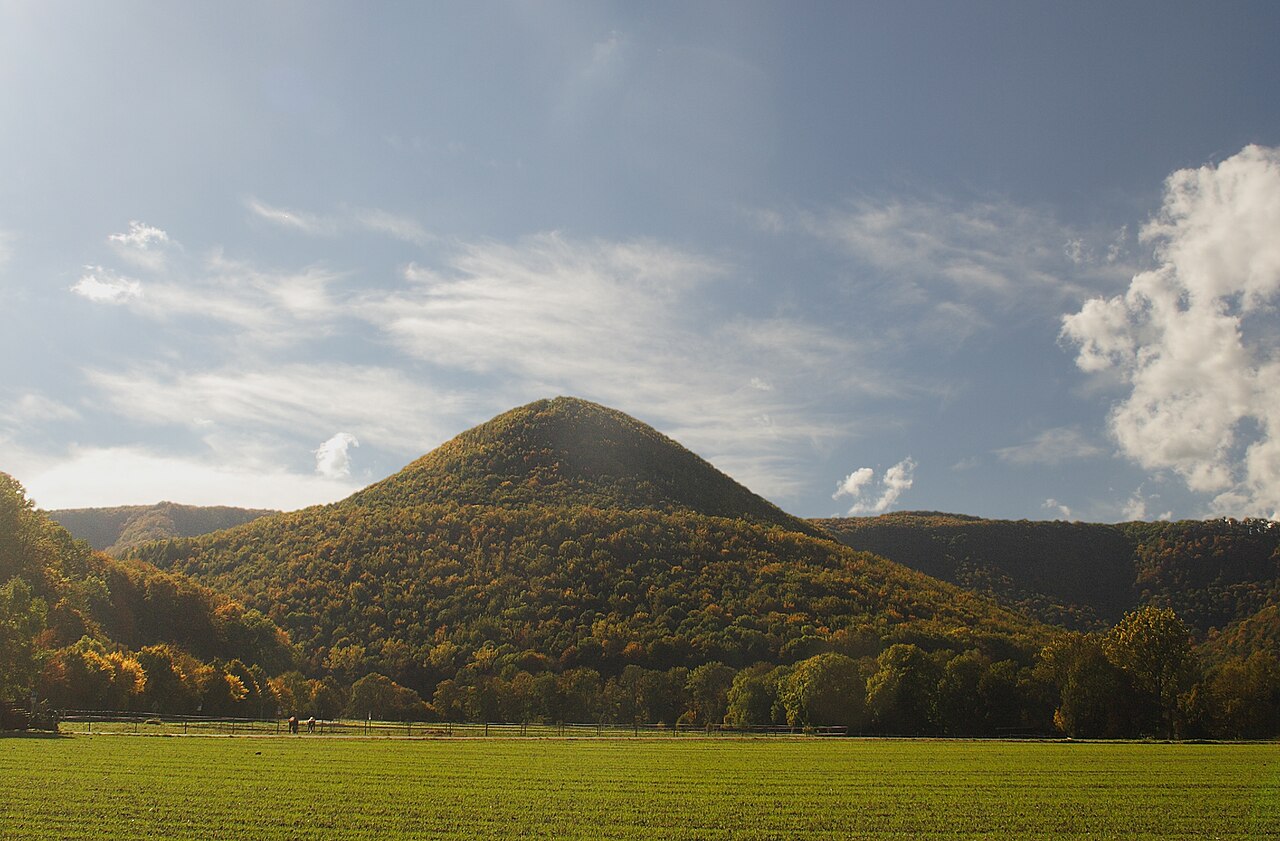
Hohenurach Castle Ruins
Hohenurach Castle is a significant medieval fortress located near the town of Bad Urach in the state of Baden-Württemberg, Germany. Its imposing ruins stand atop a steep hill, dominating the surrounding landscape and offering commanding views of the Swabian Jura region. The castle's origins trace back to the 11th century, making it one of the oldest and most important hill castles in southern Germany.
Early history and construction
The first documented mention of Hohenurach Castle dates to 1235, but archaeological and historical evidence suggests the castle was originally constructed in the 11th century by the Counts of Urach. Built as a hill castle, it was strategically positioned to control important trade routes and oversee the surrounding valleys. The castle's early architecture focused on strong defensive features typical of the high medieval period, including thick stone walls and a fortified keep.
Architectural features and layout
The castle complex was built on a rocky outcrop, incorporating natural cliffs into its defenses. The original structure included a keep (donjon), curtain walls, and a gatehouse. Over time, the castle expanded to include multiple baileys and residential buildings. The layout reflects typical high medieval hill castle design, with an emphasis on defense and self-sufficiency.
Modifications and military significance
In 1427, Count Ludwig I of Württemberg undertook significant renovations, constructing a new castle on the existing foundations. This reconstruction introduced updated defensive elements suitable for the evolving military technology of the late medieval period. The castle's fortifications were strengthened to withstand artillery and prolonged sieges.
Despite these improvements, Hohenurach Castle suffered heavy damage during the Schmalkaldic War in 1547. This conflict, part of the religious and political upheavals of the 16th century, saw the castle besieged and partially destroyed. In response, Duke Christoph of Württemberg ordered a comprehensive rebuilding in 1551, transforming the castle into a more modern fortress with Renaissance influences, while retaining much of its medieval character.
Role as a state jail
From the 16th century onward, the castle also functioned as a state prison. Its secure location and robust construction made it suitable for detaining important prisoners. Among its notable inmates was Nicodemus Frischlin, a professor from Tübingen, who was imprisoned here until his death in 1590. The dual role of the castle as both fortress and prison underscored its strategic and political importance in the region.
Decline and current state
By the 18th century, the military importance of Hohenurach Castle diminished. In 1765, Duke Carl Eugen of Württemberg decided to relocate the garrison to the nearby town of Bad Urach and ordered the partial demolition of the fortress to prevent its use in future conflicts. This marked the beginning of the castle's decline into ruin.
Today, the Hohenurach Castle ruins remain one of the largest and most impressive medieval ruins in southern Germany. The towering remnants of walls, towers, and gatehouses offer insight into medieval fortification techniques and the castle's layered history. The site is freely accessible on foot, attracting visitors interested in medieval architecture, history, and panoramic views of the Swabian Jura.
Visitor experience and accessibility
The ruins of Hohenurach Castle can only be reached by hiking trails leading up the hill from Bad Urach. The walk provides scenic views and an immersive experience of the castle's commanding position. Visitors can explore the extensive ruins, including the remains of the keep, curtain walls, and other defensive structures. Interpretive signage helps contextualize the site's historical significance.
Architectural and cultural significance
Hohenurach Castle exemplifies the evolution of medieval fortifications from the early high medieval period through the Renaissance. Its layered construction phases reflect changing military technologies and political circumstances. As a former state prison and military fortress, it played a notable role in the history of Württemberg and the broader region.
The castle's ruins contribute to the cultural heritage of Baden-Württemberg and serve as a tangible link to the medieval past. Its preservation as a ruin allows for ongoing archaeological study and public education about medieval castle architecture and regional history.
Frequently asked questions (FAQ)
- How do I get to Hohenurach Castle ruins?
- The castle ruins are accessible only on foot via hiking trails from Bad Urach. The walk is scenic and moderately challenging, suitable for most visitors with basic fitness.
- What is the historical significance of Hohenurach Castle?
- Hohenurach Castle was a strategic hilltop fortress built in the 11th century, later serving as a state prison and military stronghold in Württemberg.
- Can I explore the castle ruins freely?
- Yes, the ruins are open to the public without an entrance fee. Visitors can freely explore the remains of the keep, walls, and other structures.
- When was the castle last rebuilt or modified?
- The castle was last significantly rebuilt in 1551 by Duke Christoph of Württemberg following damage during the Schmalkaldic War.
- Are there guided tours available at Hohenurach Castle?
- Currently, there are no regular guided tours at the castle ruins, but local tourist offices may offer occasional historical walks or events.
Information
Current owner
Municipality of Bad Urach
Loading map...
Visitor reviews
No reviews yet. Been here? Write the first review and help other travelers!
Write the first reviewVisited this castle? Share your experience
Your review helps other travelers and adds first-hand knowledge to our encyclopedia.