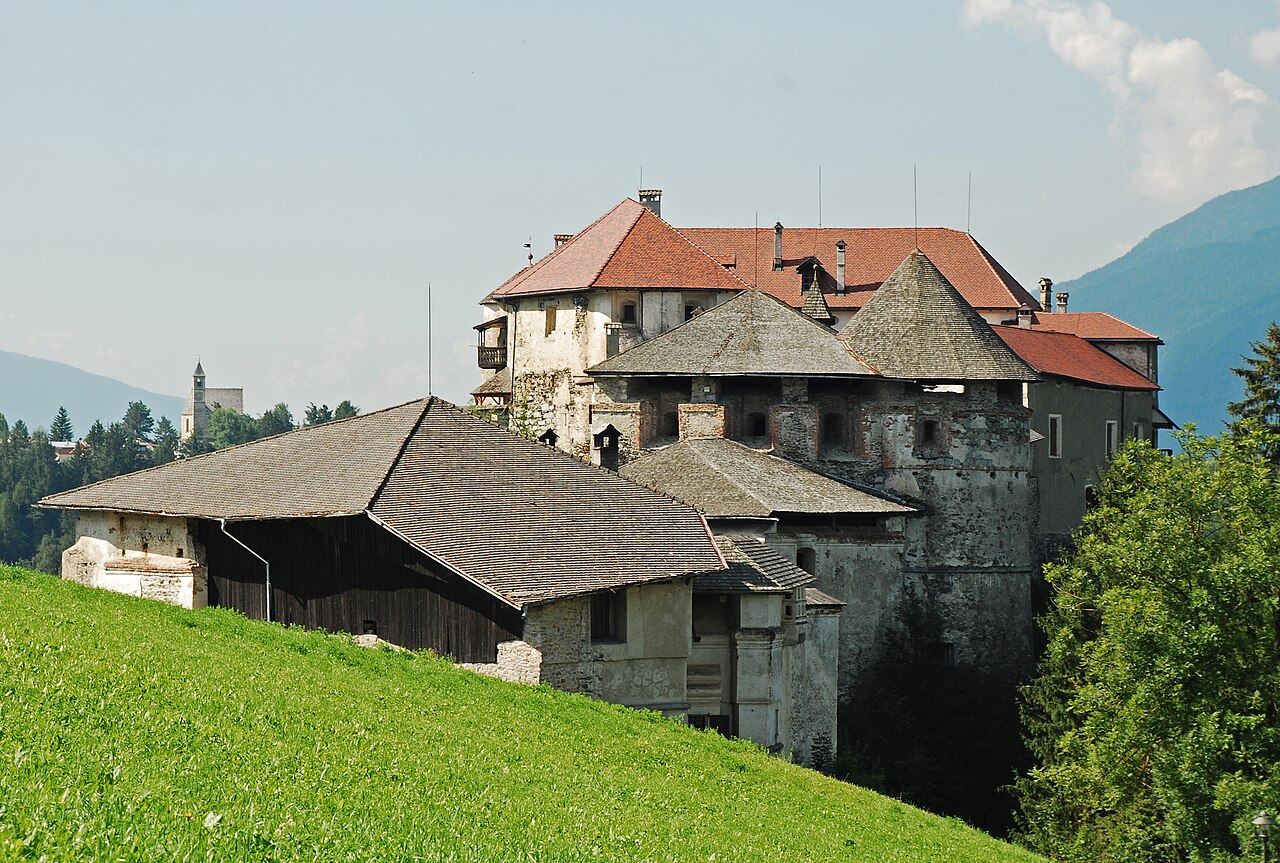
Hofburg
Hofburg Castle in Brixen, Italy, stands as a significant example of a high medieval fortified residence originally commissioned by the Prince Bishops of Brixen in the 13th century. This castle was designed not only as a defensive stronghold but also as a symbol of ecclesiastical power and prestige in the region. Over the centuries, Hofburg underwent extensive architectural transformations reflecting evolving styles and the changing needs of its occupants.
Medieval origins and fortifications
The initial construction of Hofburg in the 13th century featured typical elements of a hill castle designed for defense and residence. The castle's layout included robust fortified walls, towers, and a strategic position overseeing the town of Brixen, enhancing its military and administrative control. The design emphasized protection against external threats while serving as the administrative hub for the Prince Bishops.
Renaissance transformation and artistic embellishments
By around 1600, Hofburg saw significant interior renovations that introduced Renaissance aesthetics, particularly visible in the creation of the splendid renaissance-style interior courtyard. This courtyard was adorned with bronze-overlaid terracotta statues crafted by Hans Reichle, a renowned sculptor from Augsburg, whose work added artistic prestige to the castle's ambiance.
During this period, the grand chancery meeting rooms were richly decorated with heraldic motifs, reflecting the power and lineage of the Prince Bishops. The Renaissance influence brought a refined elegance to the castle, balancing its martial origins with cultural sophistication.
Baroque renovations and interior grandeur
In the early 18th century, starting around 1706, the castle underwent a comprehensive renovation in the Baroque style under the direction of Caspar Ignaz. This phase introduced notable architectural and decorative elements, including the construction of the bishop’s chapel and the imperial wing, which featured distinctive majolica stoves.
The ceilings of key rooms were lavishly adorned with paintings by prominent artists such as Kaspar Waldmann and Antonio Gresta, alongside intricate plasterwork that exemplified Baroque artistry. The interiors were further enriched with tapestries and historic furnishings that underscored the castle’s status and ceremonial functions.
Reflecting contemporary tastes, one room was transformed into a Chinese cabinet, showcasing the fascination with exotic motifs and the global influences on European aristocratic interiors during this period.
Cultural significance and current use
Today, Hofburg Castle serves as a cultural repository housing the diocesan collection of sacred artworks spanning from the Romanesque period to the modern age. The collection includes treasures from the cathedral of Brixen/Bressanone, works by 19th-century Tyrolean artists, and a unique assemblage of cribs. The castle also hosts special exhibitions that highlight its artistic and historical heritage.
Its well-preserved structure and rich interior decoration make Hofburg a valuable site for understanding the architectural evolution from medieval fortifications to Renaissance and Baroque palace styles. The castle remains a testament to the historical power of the Prince Bishops and their role in the cultural development of South Tyrol.
Architectural features and layout
Hofburg’s architecture reflects a complex layering of styles and functions. The original medieval fortress elements include defensive walls and towers adapted over time to accommodate more residential and ceremonial uses. The Renaissance courtyard stands out as a central organizing space, providing light and openness within the castle’s core.
The Baroque additions introduced ornate chapels and richly decorated halls, emphasizing grandeur and religious devotion. The majolica stoves in the imperial wing are notable for their craftsmanship and decorative appeal, illustrating the blend of utility and art in castle interiors.
The bishop’s chapel
The bishop’s chapel is a focal point of the Baroque renovation, combining architectural elegance with religious function. Its design includes detailed plasterwork and painted ceilings that enhance the spiritual atmosphere.
The imperial wing
The imperial wing features luxurious elements such as the majolica stoves and elaborately decorated ceilings, serving as a representation of the bishop’s secular and imperial authority.
Historical context and ownership
Hofburg Castle was built as the residence and administrative center for the Prince Bishops of Brixen, who wielded both spiritual and temporal power in the region. The castle’s evolution mirrors the changing political and cultural landscape of South Tyrol from the medieval period through the early modern era.
Its continuous occupation and adaptation over centuries highlight the castle’s importance as a seat of governance and culture. Today, it remains under ecclesiastical ownership, preserving its historical legacy and serving as a museum and cultural venue.
Frequently asked questions (FAQ)
- How do I visit Hofburg Castle in Brixen?
- Hofburg Castle is open to visitors with specific opening hours, often including guided tours. It is recommended to check the official website or local tourist information for current visiting times and any special events.
- What architectural styles are represented in Hofburg Castle?
- Hofburg Castle showcases a blend of architectural styles, including its original high medieval fortifications, Renaissance interior courtyard, and Baroque renovations from the early 18th century.
- When was Hofburg Castle originally built?
- Hofburg Castle was originally constructed in the 13th century as a fortified residence for the Prince Bishops of Brixen.
- What can I see inside Hofburg Castle today?
- Visitors can explore the diocesan collection of sacred artworks from the Romanesque period to modern times, including treasures from the cathedral of Brixen, 19th-century Tyrolean art, cribs, and rotating special exhibitions.
- Is Hofburg Castle accessible for people with mobility issues?
- While efforts have been made to improve accessibility, some areas of Hofburg Castle may be challenging for visitors with mobility issues due to its historic structure. It is advisable to contact the castle administration for detailed accessibility information.
Information
Sources & official resources
Verify the information above using these authoritative references.
Loading map...
Visitor reviews
No reviews yet. Been here? Write the first review and help other travelers!
Write the first reviewVisited this castle? Share your experience
Your review helps other travelers and adds first-hand knowledge to our encyclopedia.