Hochburg Castle Ruins
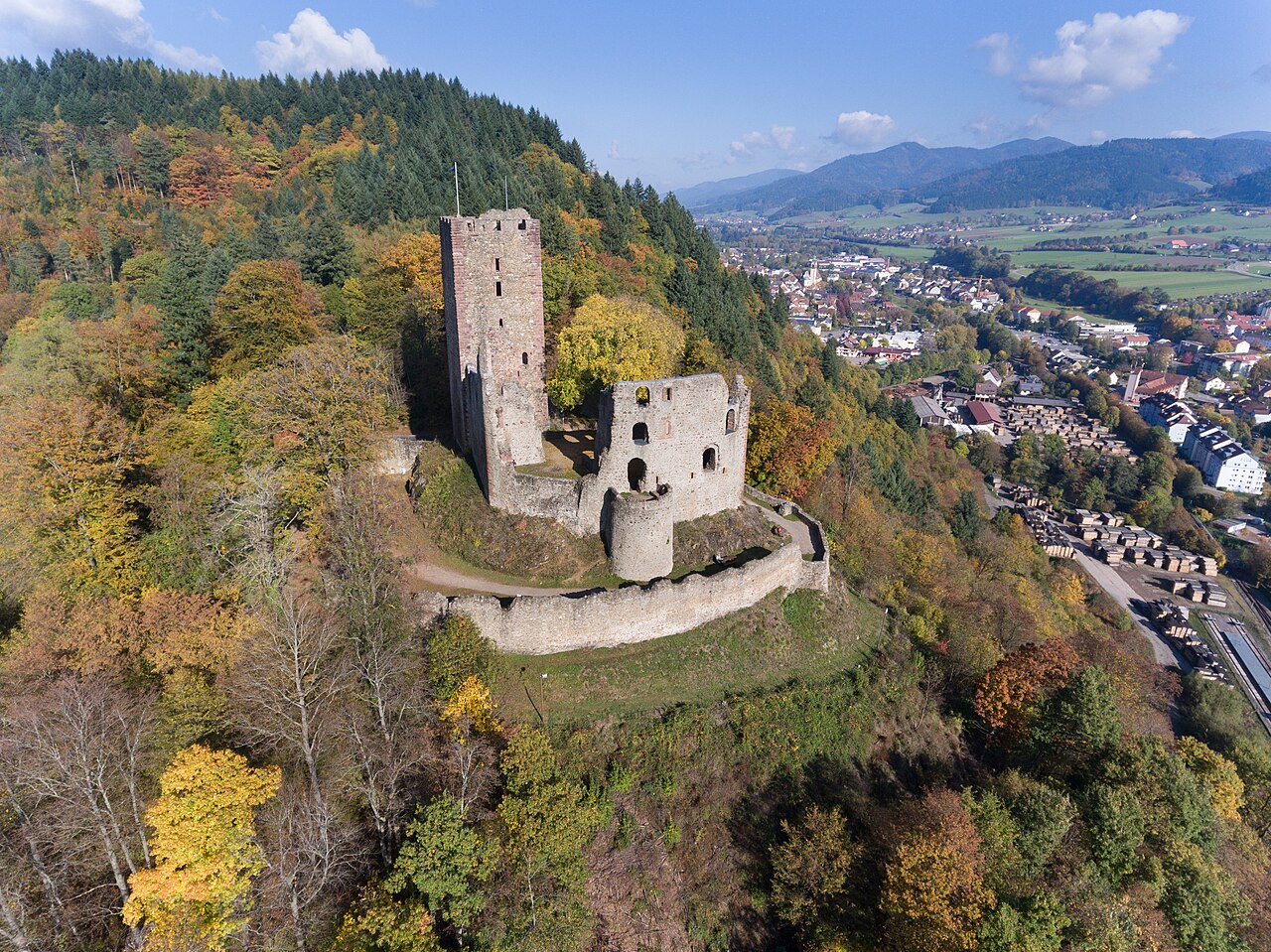
Hochburg castle ruins stand as a testament to the complex history and architectural evolution of medieval fortifications in southwestern Germany. Located near Emmendingen on a mountain spur at approximately 344 meters above sea level, the castle occupies a strategic hilltop position that dominated the surrounding landscape. Founded probably in the 11th century by Dietrich von Hachberg, the castle’s earliest documented mention dates from 1127, marking it as an important stronghold of the German nobility during the High Medieval period.
The castle’s history intertwines with the rise and fall of noble families such as the von Hachbergs and the Margraves of Baden. Over centuries, Hochburg evolved from a medieval hill castle into a formidable Renaissance fortress with extensive fortifications designed to withstand the increasing threat of artillery warfare. Despite its military significance, the castle endured multiple sieges, deliberate demolitions, and destruction, especially during the Thirty Years’ War and the wars of Louis XIV, leaving it today as evocative ruins preserved through ongoing conservation efforts.
Founding and early history of hochburg castle
The origins of Hochburg castle trace back to the early 11th century, attributed to Dietrich von Hachberg, who established the castle as a clearing castle amid the dense forests of the region. Dietrich adopted the name “von Hachberg” following the castle’s construction, founding a noble lineage connected to the fortress. The first written record from 1127 confirms the castle’s existence and importance during this period.
Ownership of the castle shifted over time, notably passing to the Margrave Hermann IV of Baden by 1161. This transition is documented in relation to the founding of Tennenbach Monastery, which highlights the castle’s integration into the broader political and religious landscape of the region. Around 1212, the castle became the seat of the Baden-Hachberg line after the division of the margraviate between Hermann IV’s sons, marking Hochburg as a key noble residence.
Medieval resilience and renaissance transformation
Hochburg castle demonstrated remarkable resilience during the turbulent medieval period. It withstood a siege in 1424 amid conflicts with the Upper Rhenish City League, a testament to its defensive capabilities. The castle also survived the widespread Peasants’ War of 1525 intact, reflecting its robust construction and strategic importance.
In the mid-16th century, under Margrave Karl II of Baden-Durlach, the castle underwent a significant transformation from a medieval fortress into a Renaissance-style stronghold. This period saw the expansion and modernization of the castle’s defenses to adapt to the evolving nature of warfare, particularly the increasing use of gunpowder artillery.
Subsequently, Margrave Georg Friedrich reinforced the castle by adding seven bastions in the early 1600s. These bastions were named after sister castles in the Baden region, such as Rötteln, Sausenberg, and Badenweiler, integrating regional heritage into the fortress’s design. The bastions and corner towers were constructed to provide overlapping fields of fire and improved protection against artillery assaults.
Sieges, destruction, and decline in the 17th century
The Thirty Years’ War (1618–1648) marked a period of intense conflict for Hochburg castle. Between 1634 and 1636, the fortress endured a prolonged siege by Catholic forces. After its surrender, the castle was deliberately slighted—intentionally damaged to prevent its future military use.
Reconstruction and modernization efforts began around 1660 under Margrave Friedrich VI, restoring parts of the fortress. However, the castle’s strategic value waned following the Treaty of Nijmegen in 1681, which altered territorial control in the region.
In a strategic move to prevent the castle from falling into French hands, German volunteers demolished the fortifications in 1681. A fire in 1684 further damaged the site, and in 1688, troops of Louis XIV destroyed the remaining structures, including towers, walls, and cellar vaults, to ensure the castle could not be reoccupied or restored.
Architectural features and fortifications
Hochburg castle’s architecture reflects its long history of adaptation and military innovation. Initially a simple medieval hill castle, it expanded into one of the largest castle complexes in the Baden region, alongside Heidelberg and Rötteln.
The castle’s fortifications included massive stone walls, multiple corner towers, and a series of seven bastions added in the 16th and early 17th centuries. These bastions were designed to withstand cannon fire and provide effective defensive coverage, a hallmark of Renaissance military architecture. The naming of bastions after related castles in the region symbolized the interconnected noble heritage and strategic alliances.
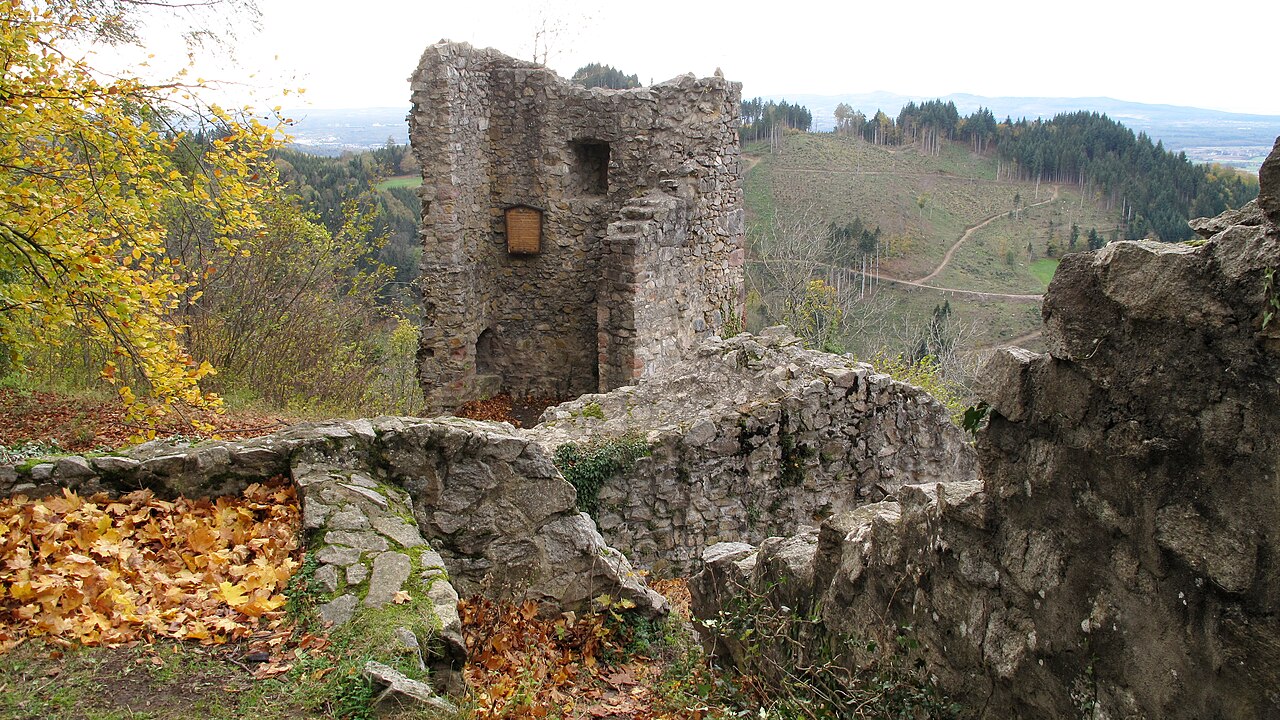
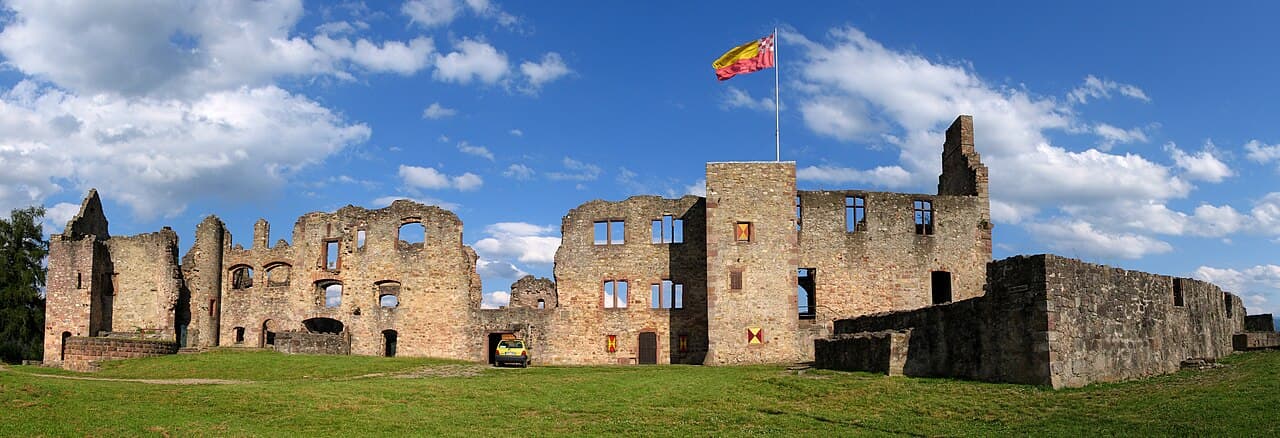
Despite the extensive destruction, remnants of the bastions, curtain walls, and towers remain visible today, offering insight into the castle’s defensive layout and construction techniques. The cellar vaults and some habitable building remains also survive, providing a glimpse into the living conditions within the fortress.
Preservation and modern significance
Following centuries of ruin, preservation efforts for Hochburg castle began in the late 19th century. These initiatives aimed to stabilize the remaining masonry and protect the site from further decay. The castle ruins have since become a cultural landmark and a symbol of regional history.
Since 1971, a dedicated volunteer association has managed the site, maintaining the ruins and promoting public engagement. In 1991, a small museum was established within the upper castle’s cellar, showcasing artifacts and the history of the fortress.
Today, Hochburg castle ruins attract visitors interested in medieval history, military architecture, and the heritage of the Baden region. The site offers panoramic views from its hilltop location and serves as a tangible connection to the complex feudal and military history of southwestern Germany.
Frequently asked questions (FAQ)
- What is the historical significance of Hochburg Castle Ruins?
- Hochburg Castle Ruins are a remarkable example of medieval fortifications in Germany, dating back to the 13th century. The castle played a crucial role in the region's defense and was a strategic site during various conflicts, including the Thirty Years' War. Today, it stands as a testament to the architectural ingenuity of its time and offers insights into the history of the area.
- When was Hochburg Castle built?
- Hochburg Castle was originally constructed in the early 13th century, with significant expansions and renovations occurring throughout the following centuries. Its impressive structure and design reflect the evolving architectural styles of the medieval period. The castle was abandoned in the 17th century but remains a captivating site for history enthusiasts.
- Can I visit Hochburg Castle Ruins year-round?
- Yes, Hochburg Castle Ruins are open to visitors throughout the year, although accessibility may vary during winter months due to weather conditions. It is advisable to check local weather forecasts before planning your visit, especially during the colder season. The ruins offer stunning views and a peaceful atmosphere, making it a lovely destination at any time of year.
- What are the opening hours for Hochburg Castle Ruins?
- Hochburg Castle Ruins typically open at 10 AM and close at 6 PM during the summer months. In the winter, the opening hours may be reduced, so it's essential to verify current hours before your visit. Guided tours may be available, offering deeper insights into the castle's history and architecture.
- Is it possible to access Hochburg Castle with a wheelchair?
- Hochburg Castle Ruins have uneven terrain and steep pathways, which may pose challenges for wheelchair accessibility. However, the site is partially navigable for those with mobility issues, and staff can provide assistance when necessary. It's recommended to contact the site in advance to inquire about specific accessibility options.
- What are the ticket prices for visiting Hochburg Castle?
- Entry to Hochburg Castle Ruins is generally free, making it an accessible destination for all visitors. However, there may be a small fee for guided tours, which provide enriched experiences and historical context. Always check the official website for any updates on ticketing and special events.
- When is the best time to visit Hochburg Castle Ruins?
- The best time to visit Hochburg Castle Ruins is during the spring and early autumn months when the weather is mild, and the surrounding nature is in full bloom or showcasing beautiful fall colors. Visiting during these times allows for a more enjoyable exploration of the ruins and the scenic views they offer. Additionally, weekends may be busier, so consider visiting on weekdays for a quieter experience.
- What nearby attractions can I visit after exploring Hochburg Castle?
- After visiting Hochburg Castle Ruins, you can explore the charming town of Emmendingen, which offers quaint shops and local eateries. The nearby Black Forest region is also famous for its hiking trails and beautiful landscapes, perfect for outdoor enthusiasts. Don't miss the opportunity to visit the historical sites and museums in the area that reflect the rich culture of the region.

Information
Website
Visit websiteSources & official resources
Verify the information above using these authoritative references.
Loading map...
Visitor reviews
No reviews yet. Been here? Write the first review and help other travelers!
Write the first reviewVisited this castle? Share your experience
Your review helps other travelers and adds first-hand knowledge to our encyclopedia.