Karatsu Castle
Karatsu Castle (唐津城, Karatsu-jō), located in Karatsu city, Saga Prefecture, Japan, is a notable example of a hirayamajiro, a castle constructed on a plain or low hill rather than on a mountain or steep hilltop. This strategic choice of location reflects the castle's role in both defense and administration during the early modern period of Japan. Known also as the "Dancing Crane Castle" (舞鶴城, Maizuru-jō), Karatsu Castle carries a name that symbolizes grace and elegance, inspired by the castle's design and its surroundings.
Historical background and construction
Karatsu Castle was built in the early 17th century, during the Edo period, a time marked by relative peace and stability under the Tokugawa shogunate. The castle was initially constructed by Terazawa Hirotaka, a daimyo who was granted the Karatsu Domain after the Battle of Sekigahara. The construction began in 1602 and was completed by 1608, establishing the castle as a significant political and military center in the region.
The castle was designed as a hirayamajiro, blending defensive features suitable for the flat terrain with aesthetic considerations. Unlike traditional mountain castles, Karatsu Castle's location allowed for easier access and better control over the surrounding plains and coastal areas. Its position near the sea also enhanced its strategic importance, enabling surveillance of maritime routes.
Architectural features and layout
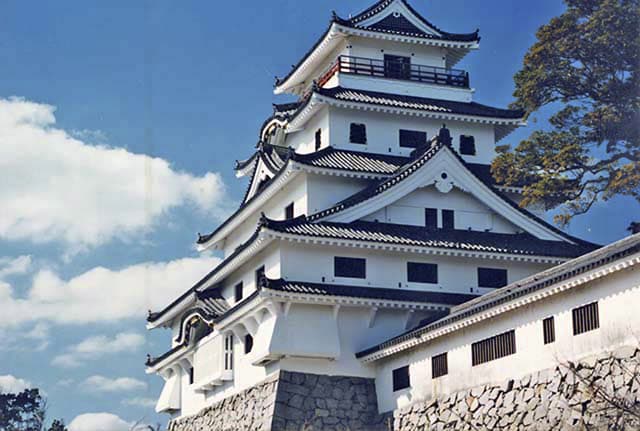
The castle's design incorporates stone walls and a moat system that provided formidable defense despite the relatively flat terrain. The tenshu (main keep) was constructed with multiple tiers and featured traditional Japanese architectural elements such as curved eaves and white plastered walls. The keep was positioned to offer commanding views of the surrounding land and sea.
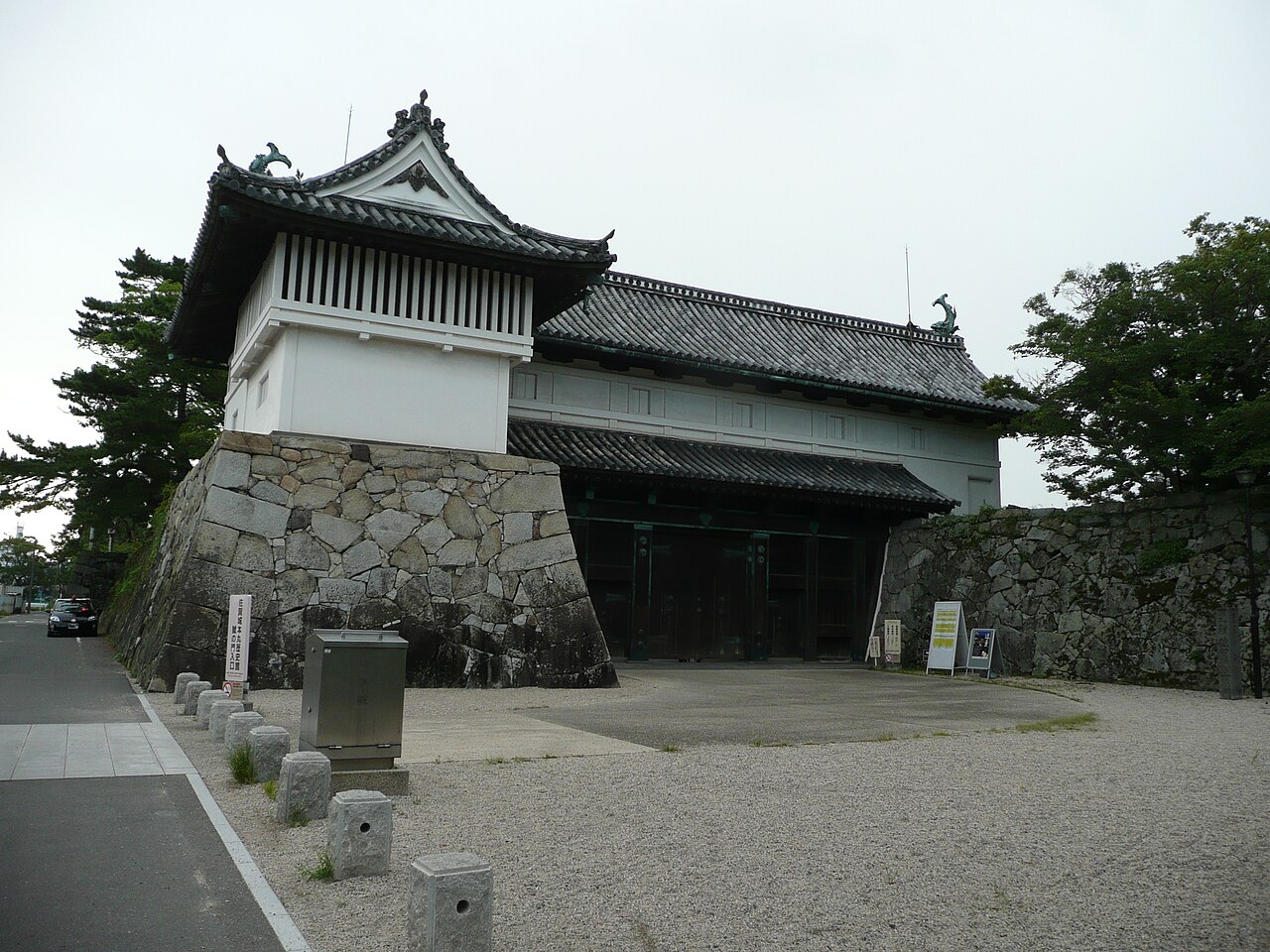
Karatsu Castle's grounds include several baileys (courtyards), each enclosed by defensive walls and gates. The honmaru (central bailey) housed the main keep and administrative buildings, while the ninomaru and sannomaru baileys served as additional defensive layers and living quarters for retainers and soldiers.
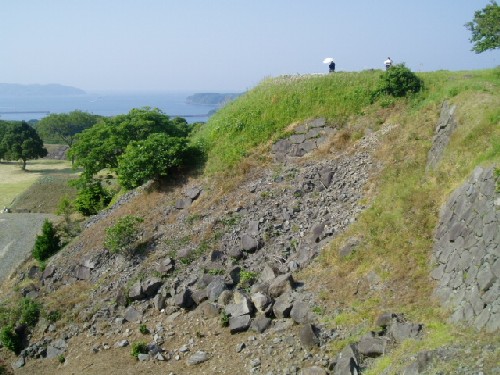
One of the castle's distinctive features is its elegant stone ramparts, which were carefully constructed to withstand attacks and erosion from the nearby sea. The moat surrounding the castle was filled with seawater, integrating natural defenses with man-made structures.
Role during the edo period
During the late Edo period, Karatsu Castle served as the seat of the Ogasawara clan, who were the daimyo of the Karatsu Domain. The castle functioned as both a military stronghold and a center of governance, overseeing the administration of the domain and maintaining order in the region.
The castle's strategic coastal location allowed the domain to monitor maritime activities and defend against potential threats from the sea. Despite the peaceful conditions of the Edo period, the castle's defenses remained well-maintained as a precautionary measure.
Modern history and preservation
Following the Meiji Restoration and the abolition of the feudal system in the late 19th century, Karatsu Castle's military functions ceased. Many of its original structures were dismantled or fell into disrepair. However, efforts to preserve and restore the castle began in the 20th century, recognizing its cultural and historical significance.
Today, the castle's main keep has been reconstructed, and the site serves as a popular tourist destination and cultural landmark. The castle grounds include a museum that exhibits artifacts related to the castle's history and the Karatsu Domain. Visitors can explore the restored walls, gates, and moats, gaining insight into the architectural ingenuity and historical context of this 17th-century hirayamajiro.
Cultural significance and tourism
Karatsu Castle is celebrated not only for its architectural merits but also for its cultural importance in Saga Prefecture. The castle hosts seasonal events and festivals that highlight traditional Japanese culture and the history of the region. Its nickname, "Dancing Crane Castle," is often invoked in these cultural celebrations, emphasizing the castle's graceful presence.
As a well-preserved example of a Japanese castle from the Edo period, Karatsu Castle attracts historians, architects, and tourists alike. The site offers panoramic views of Karatsu Bay and the surrounding landscape, making it a favored spot for photography and historical tours.
Frequently asked questions (FAQ)
- How do I get to Karatsu Castle?
- Karatsu Castle is located in Karatsu, Japan, and can be easily accessed by public transportation. The nearest train station is Karatsu Station, from where you can take a short bus ride or walk to the castle. Visitors can also arrive by car, with parking available nearby.
- What is the historical significance of Karatsu Castle?
- Karatsu Castle, built in 1608, is a symbol of the city and holds great historical importance as it served as a strategic stronghold during the Edo period. The castle was originally constructed by the feudal lord of the area, and its design reflects the architectural styles of the time. Today, it stands as a testament to Japan's rich history and attracts many history enthusiasts.
- When was Karatsu Castle built?
- Karatsu Castle was completed in the year 1608 during the Edo period. The castle was constructed under the guidance of the feudal lord Terazawa Hirotaka, who aimed to strengthen his control over the region. It has undergone several renovations over the centuries, preserving its historical essence.
- Can I enter Karatsu Castle?
- Yes, visitors can enter Karatsu Castle to explore its exhibits and enjoy panoramic views from the top of the donjon. There is an entrance fee, which supports the maintenance of the castle and its surrounding park. Be sure to check the opening hours before your visit to plan your trip accordingly.
- Why is Karatsu Castle popular among tourists?
- Karatsu Castle is popular for its stunning architecture, historical significance, and beautiful park surroundings. Visitors are drawn to its picturesque views of the Genkai Sea and the city of Karatsu. The castle also hosts various cultural events and festivals throughout the year, making it an attractive destination.
- Is it possible to take guided tours of Karatsu Castle?
- Yes, guided tours of Karatsu Castle are available and highly recommended for those looking to learn more about its history and architecture. Knowledgeable guides provide insights into the castle's significance and share interesting anecdotes. Self-guided tours are also an option for visitors who prefer to explore at their own pace.
- What are the opening hours for Karatsu Castle?
- Karatsu Castle is typically open to visitors from 9:00 AM to 5:00 PM, but hours may vary during holidays and special events. It is advisable to check the official website or contact the castle administration for the most current information before planning your visit. Last admission is usually one hour before closing.
- What are the ticket prices for Karatsu Castle?
- The entrance fee for Karatsu Castle is generally modest, making it an affordable attraction for visitors. Ticket prices may vary based on age and whether you opt for additional guided tours or special exhibitions. Discounts for groups and families may also be available, so be sure to inquire at the ticket counter.
- What are some nearby attractions to Karatsu Castle?
- Nearby attractions include the beautiful Niji-no-Matsubara pine grove and the scenic Karatsu Bay, perfect for leisurely walks. Additionally, the old town area features traditional shops and historic sites, allowing visitors to immerse themselves in local culture. Don't miss the chance to explore the nearby Karatsu Pottery Museum, showcasing the region’s famous ceramics.
Photo gallery

Public domain
Information
Loading map...
Visitor reviews
No reviews yet. Been here? Write the first review and help other travelers!
Write the first reviewVisited this castle? Share your experience
Your review helps other travelers and adds first-hand knowledge to our encyclopedia.