Fukuoka Castle
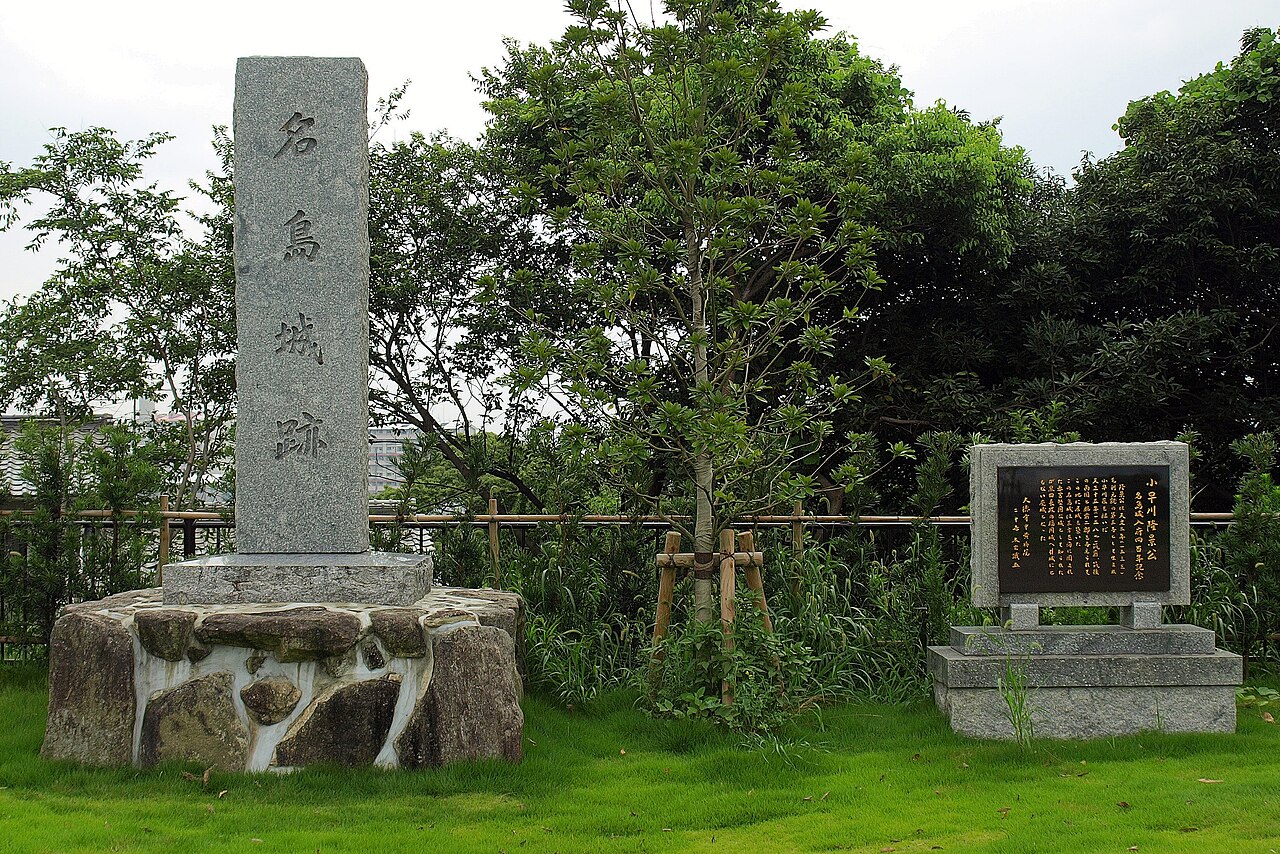
Fukuoka Castle, located in Fukuoka City, Japan, stands as a significant example of a hirayamajiro or hilltop-flatland castle from the early Edo period. Constructed beginning in 1601 by Kuroda Nagamasa, a daimyo rewarded for his service in the Battle of Sekigahara, the castle was the largest in the Kyushu region during its prime. Its strategic location combined natural hill defenses with flatland fortifications, reflecting the sophisticated military architecture of the time.
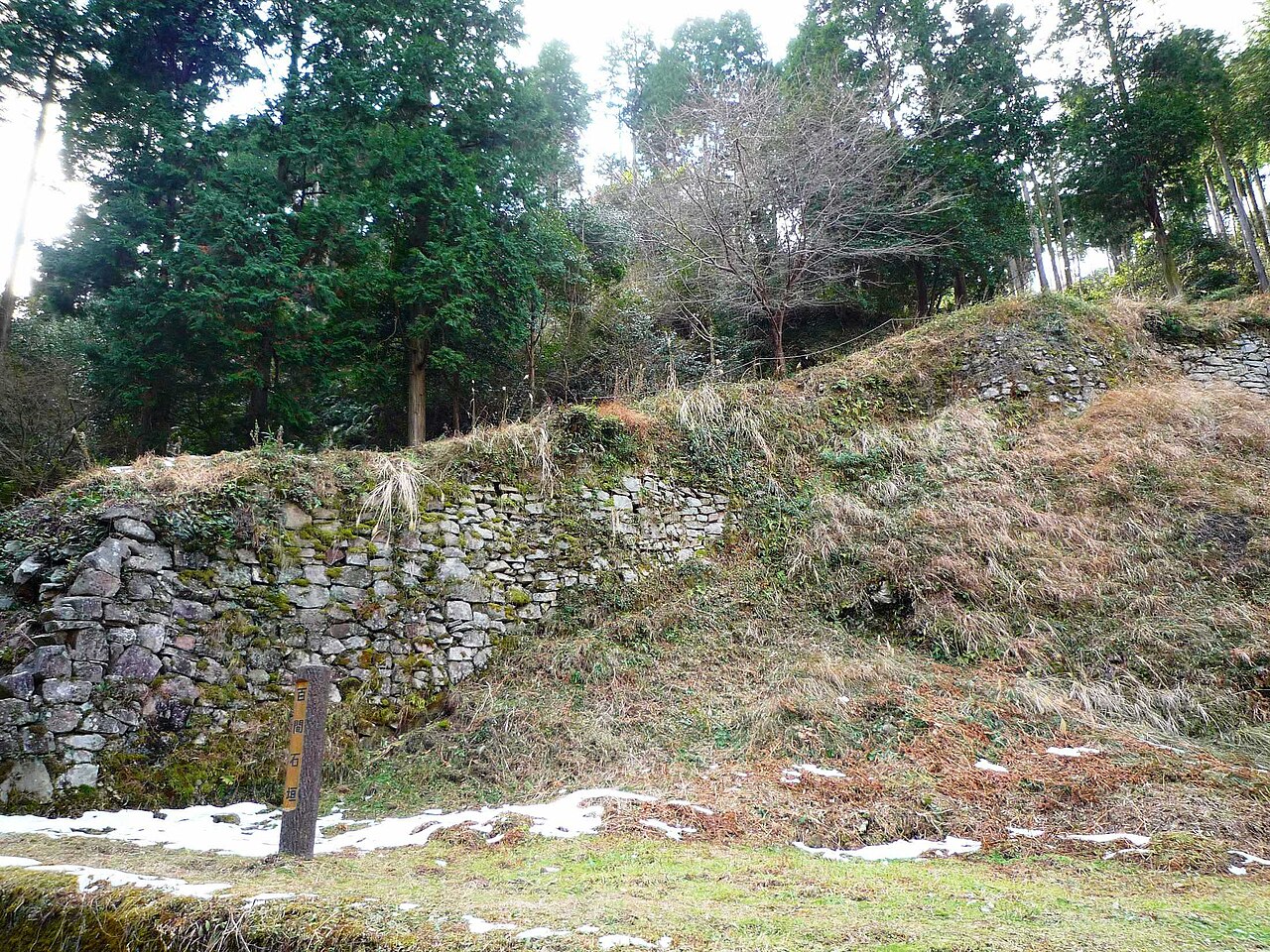
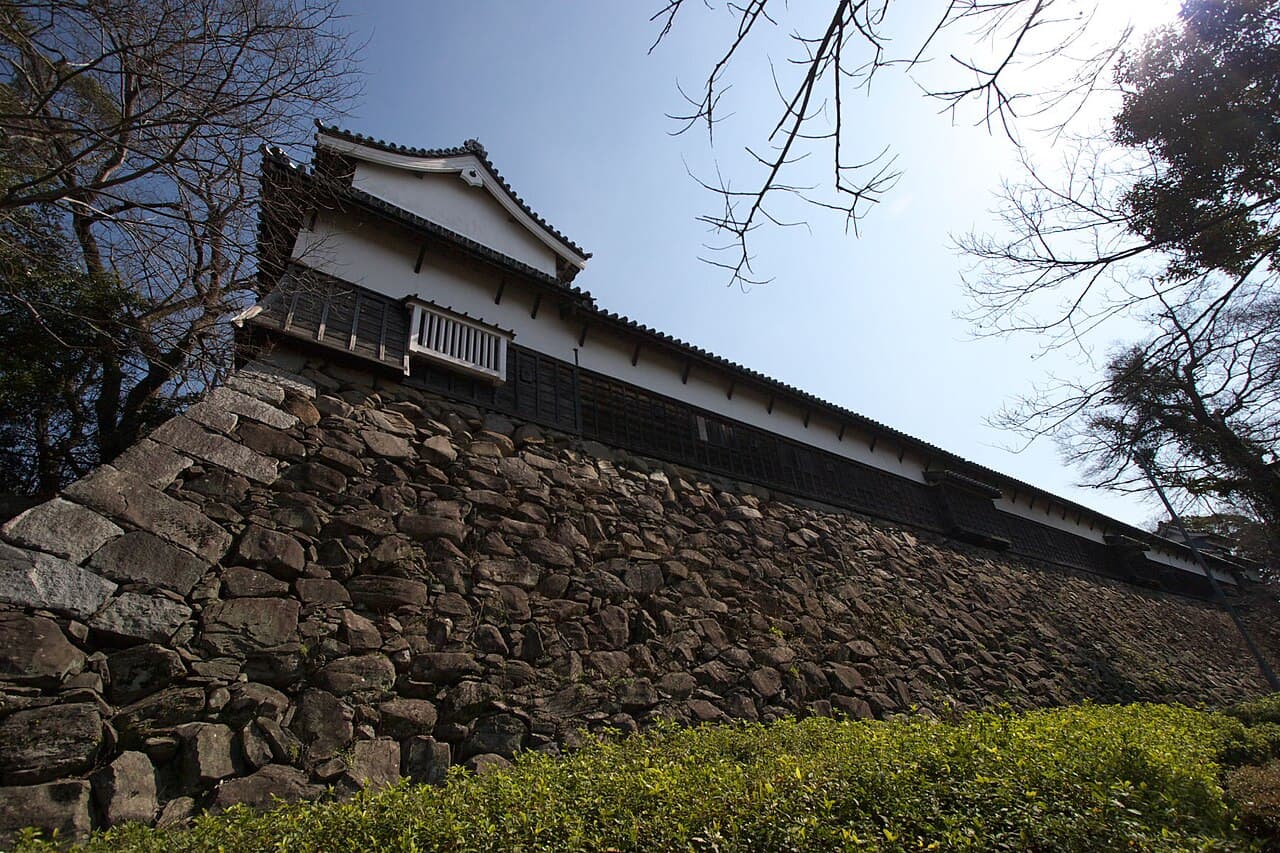
The castle complex originally featured an impressive 47 yagura or turrets, designed for defense and surveillance. One of the most remarkable aspects of Fukuoka Castle is its extensive stone walls (ishigaki), which were expertly constructed by the renowned stonemason Noguchi Kazushige, who also contributed to the stonework of the famous Osaka and Edo Castles. The quality and scale of these walls earned the castle the nickname "Stone Castle" (Seki-jo), a testament to its formidable fortifications.
Historical background and significance
The land around present-day Fukuoka was granted to Kuroda Nagamasa by Tokugawa Ieyasu after the decisive Battle of Sekigahara in 1600. Nagamasa's construction of the castle began shortly after his arrival in 1601, marking the establishment of a powerful feudal domain in northern Kyushu. The Kuroda family maintained control of the castle for 12 generations spanning over 270 years, playing a vital role in the political and military landscape of the region throughout the Edo period.
Despite the presence of a substantial foundation for a main keep (tenshu), there is no definitive evidence that a tenshu was ever completed. Historical maps from 1646 do not depict a main keep structure, and some theories suggest that if a tenshu was built, it may have been demolished early on, possibly during the anti-Christian purges of the 17th century. The tenshudai (donjon platform) remains a subject of scholarly debate, adding an element of mystery to the castle's architectural history.
Architectural features and layout
Stone walls and yagura turrets
The castle's stone walls are among its most striking features, showcasing the advanced masonry techniques of the period. The walls were designed to withstand sieges and provide elevated positions for archers and gunners. The numerous yagura turrets, including the surviving Minami Tamon Yagura—designated an Important Cultural Property—served as watchtowers and defensive strongpoints.
Moats and earthen embankments
Fukuoka Castle was surrounded by a complex system of mizubori or water moats, including the notable Ōhori lake, which functioned both as a defensive barrier and a scenic element. The castle also featured extensive dorui or earthen embankments that complemented the stone fortifications and helped absorb the impact of attacks.
Kinen-yagura and spiritual considerations
The Kinen-yagura, positioned in the northeast to guard the kimon or "demon gate," was an important spiritual and defensive structure. Although the turret was temporarily removed for restoration work, its role reflected the traditional Japanese belief in protecting important buildings from malevolent forces through architectural placement.
Post-edo period and preservation
Following the Meiji Restoration, Fukuoka Castle was officially decommissioned in 1871. Most of its buildings were dismantled or relocated, a fate common to many Japanese castles during this period of modernization. Today, the castle remains partially preserved, with significant ruins including stone walls, moats, and some reconstructed structures that offer visitors insight into its former grandeur.
The site is now a popular historical park where visitors can explore the remnants of the castle's defenses and enjoy the surrounding natural beauty. Restoration efforts continue to maintain and protect the castle's stone walls and surviving turrets, ensuring that this important cultural heritage site endures for future generations.
Historical site of kōrokan guest house
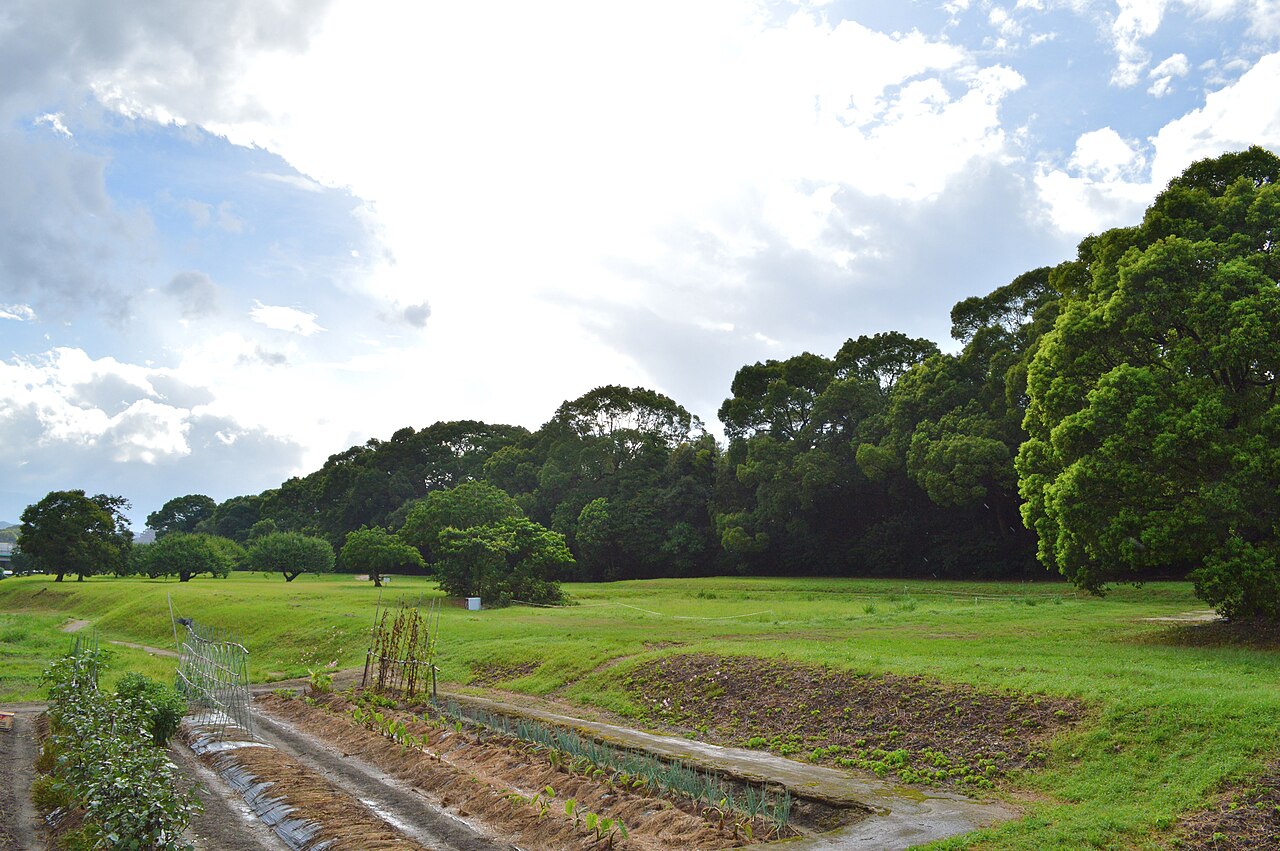
Before the castle's construction, the site was home to the Kōrokan, an ancient guest house for foreign dignitaries from the 7th to 11th centuries, spanning the Asuka through Heian periods. Excavations in the late 1990s uncovered remains of this important diplomatic and administrative facility, which was one of only a few such guest houses known in Japan. The Kōrokan's architectural style reflected the administrative buildings of ancient Japan, emphasizing the site's long-standing significance in regional and international relations.
Archaeological findings and exhibition
A modern exhibition hall near the castle site presents artifacts and information about the Kōrokan, although it is not a reconstruction. These findings provide valuable context for understanding the historical layers of the site, highlighting its role as a cultural and political hub long before the castle's erection.
Visitor experience and cultural importance
Today, Fukuoka Castle is a major attraction for those interested in Japanese history, architecture, and culture. The castle's ruins, combined with the adjacent Ōhori Park, offer a scenic and educational experience. Visitors can walk along the preserved stone walls, explore the surviving yagura, and learn about the castle's history through informative displays.
While some reconstructions have been criticized for modern materials, the site overall provides a valuable glimpse into Edo-period castle design and the legacy of the Kuroda clan. The castle's blend of natural and man-made defenses exemplifies the strategic ingenuity of Japanese castle builders and remains a testament to the region's rich feudal past.
Frequently asked questions (FAQ)
- What is Fukuoka Castle known for?
- Fukuoka Castle, also known as Maizuru Castle, is renowned for its impressive stone walls and historical significance as a key stronghold during the Edo period. It offers visitors a glimpse into Japan's feudal past and showcases beautiful cherry blossoms during spring, making it a popular spot for both history enthusiasts and nature lovers.
- When was Fukuoka Castle built?
- Fukuoka Castle was constructed in 1601 by Kuroda Nagamasa, the founder of Fukuoka. The castle was completed in 1607 and served as the residence of the Kuroda clan for over 250 years before being abandoned in the late 19th century.
- How do I get to Fukuoka Castle?
- Fukuoka Castle is conveniently located in the city center and can be easily accessed by public transportation. The nearest subway station is Akasaka Station, from which it's a short walk to the castle grounds.
- What are the opening hours for Fukuoka Castle?
- Fukuoka Castle is open to visitors from 9:00 AM to 5:00 PM daily. However, it's advisable to check for any seasonal variations or special closures before planning your visit.
- Can I visit Fukuoka Castle for free?
- Yes, visiting the outer grounds of Fukuoka Castle is free of charge. However, there may be a small fee for accessing certain areas or exhibitions within the castle ruins.
- Is it possible to explore the castle's interior?
- Unfortunately, the original structures of Fukuoka Castle no longer exist, but visitors can explore the ruins and enjoy panoramic views from the remaining stone walls. Interpretive signs help explain the castle's history and architecture as you wander through the site.
- When is the best time to visit Fukuoka Castle?
- The best time to visit Fukuoka Castle is during the cherry blossom season in early April, when the castle grounds are adorned with beautiful blooming sakura trees. Autumn also offers stunning foliage, making it another picturesque time to explore the grounds.
- What nearby attractions can I visit after Fukuoka Castle?
- After visiting Fukuoka Castle, you can explore the nearby Ohori Park, a relaxing area perfect for walking and picnicking. Additionally, the Fukuoka Art Museum and the vibrant Tenjin shopping area are just a short distance away, offering more cultural and shopping experiences.
- Are there any accessibility options at Fukuoka Castle?
- Fukuoka Castle provides some accessibility options, including paved paths for wheelchair users in certain areas. However, keep in mind that some parts of the grounds may be challenging due to steep inclines and uneven terrain.
Photo gallery

Information
Website
Visit websiteSources & official resources
Verify the information above using these authoritative references.
Loading map...
Visitor reviews
No reviews yet. Been here? Write the first review and help other travelers!
Write the first reviewVisited this castle? Share your experience
Your review helps other travelers and adds first-hand knowledge to our encyclopedia.