Hisn Yakka — Spain castle

Hisn Yakka

Hisn Yakka: the bastioned fortress in Spain
Renaissance (15th–17th c.)
Ruins

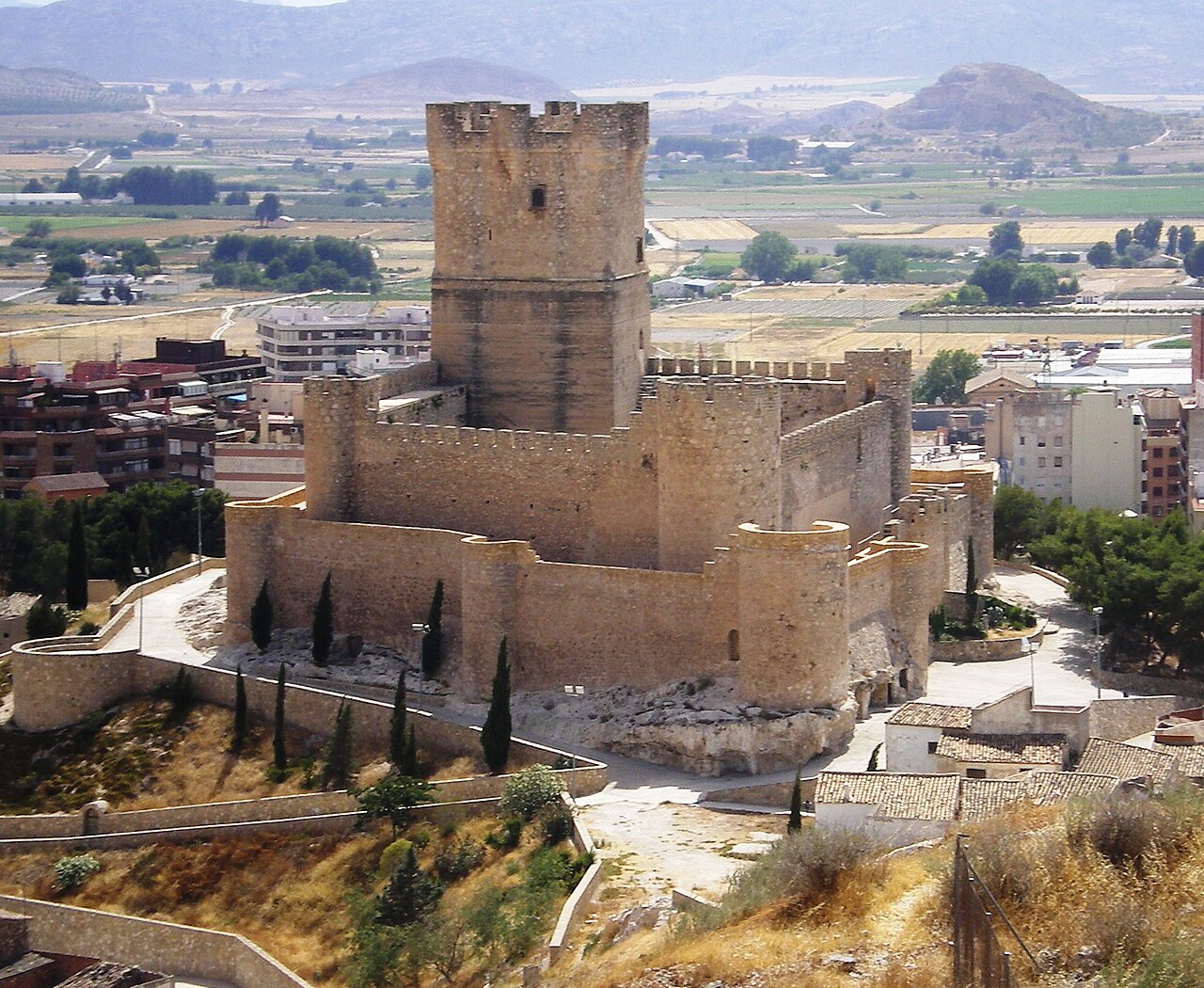
Hisn Yakka is a notable example of a bastioned fortress located in Spain, reflecting the military architectural advancements of its time. Although the exact city location remains unclear, the fortress's design and construction embody the strategic defensive principles prevalent in bastioned fortifications.

Architectural features and design

The fortress is characterized by its angular bastions, which project outward from the main walls, allowing defenders to cover adjacent walls with overlapping fields of fire. This design was a significant evolution from earlier medieval fortifications, enhancing the fortress's ability to withstand artillery attacks during sieges. The walls are typically thick and sloped to deflect cannonballs, a hallmark of bastioned fortresses developed in response to gunpowder warfare.

Hisn Yakka likely includes curtain walls connecting the bastions, ravelins or detached triangular fortifications placed in front of the main walls, and a moat or ditch to impede attackers. The fortress's layout would have been carefully planned to maximize defensive capabilities while providing secure quarters for troops and storage for supplies.

Historical context and significance

While specific historical records about Hisn Yakka are limited, bastioned fortresses in Spain typically date from the Renaissance period onward, reflecting the adaptation of military architecture to the introduction of gunpowder artillery in Europe. These fortresses played crucial roles in territorial defense during periods of conflict such as the Italian Wars and the Spanish Habsburg monarchy's military campaigns.

The fortress would have served as a military stronghold, controlling strategic routes or protecting important settlements. Its robust construction and advanced design demonstrate the importance placed on fortifications in maintaining regional security and projecting power.

Preservation and current condition

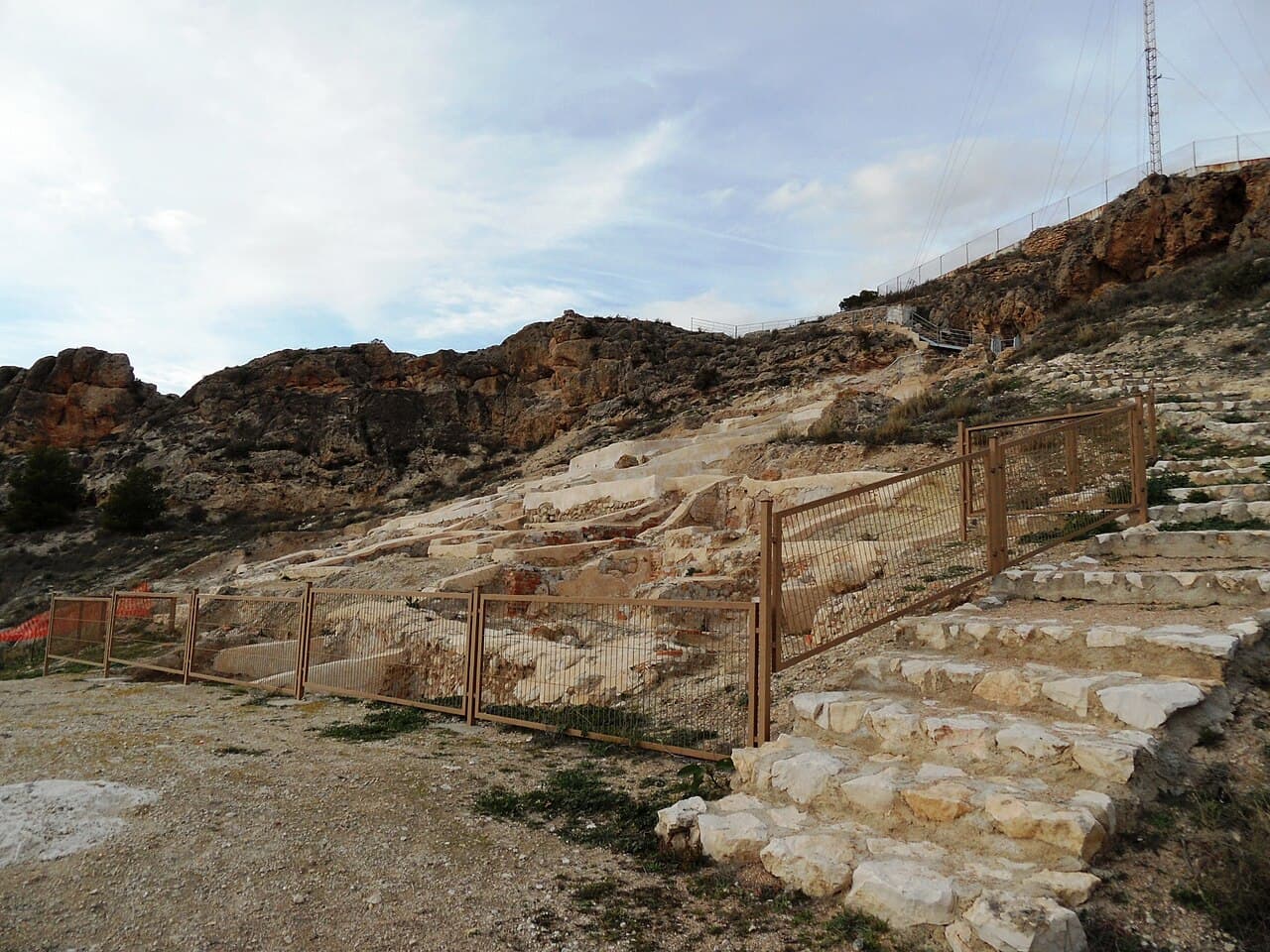
The current condition of Hisn Yakka is not well documented, but bastioned fortresses often survive in varying states, from well-preserved to ruins. Given the lack of detailed information, it is possible that the fortress exists as ruins or partially preserved remains, offering valuable insights into the military architecture of its era for historians and archaeologists.

Visiting and cultural importance

As a bastioned fortress, Hisn Yakka represents an important phase in the evolution of fortification design. Such sites are often of interest to visitors fascinated by military history and architecture. If accessible, the fortress would provide educational opportunities to explore the adaptation of medieval defenses to early modern warfare techniques.

Visitors to similar fortresses in Spain often find features such as defensive walls, guard towers, and remnants of garrison quarters, which help contextualize the lives of soldiers stationed there and the strategic importance of the site.

Frequently asked questions (FAQ)

What is the historical significance of Hisn Yakka?
Hisn Yakka is a notable example of medieval military architecture in Spain, reflecting the rich history of the region during the Moorish period. Constructed in the 11th century, it served as a strategic fortress that played a vital role in the defense against Christian reconquest efforts. The castle's design showcases the unique blend of Islamic and Christian architectural influences that characterize many structures from this era.
When was Hisn Yakka built?
Hisn Yakka was built in the 11th century, specifically around the year 1040. This period marked significant developments in military architecture, especially among the Muslim kingdoms in Spain. The castle has undergone various modifications over the centuries, but its original structure remains a testament to its historical importance.
What are the opening hours for visiting Hisn Yakka?
Hisn Yakka is open to visitors year-round, typically from 9 AM to 6 PM. However, during the summer months, the hours may extend until 8 PM to accommodate more tourists. It is advisable to check the official website or local tourist information for any seasonal changes or special closures.
Can I buy tickets in advance to visit Hisn Yakka?
Yes, you can purchase tickets in advance online to ensure a smooth entry into Hisn Yakka. Buying tickets ahead of time is recommended, especially during peak tourist season, to avoid long lines. On-site ticket sales are also available, but availability may vary.
Is it possible to access Hisn Yakka with mobility aids?
While Hisn Yakka is a historical site with some uneven terrain, there are pathways that allow for limited accessibility. Visitors using mobility aids may find certain areas challenging, so it is advisable to check with the site staff for assistance and to learn about the best routes to take. Efforts are continually being made to enhance accessibility for all visitors.
What is the best time to visit Hisn Yakka?
The best time to visit Hisn Yakka is during the spring and fall months when the weather is mild and pleasant. These seasons typically offer comfortable temperatures for exploring the castle and its surroundings. Summer can be quite hot, while winter may bring cooler temperatures, so planning your visit during spring or fall is ideal.
Are there any nearby attractions to visit along with Hisn Yakka?
Yes, there are several nearby attractions worth visiting, including the historic town of Alhama de Granada and the picturesque Sierra de Tejeda mountains. These locations provide opportunities for hiking, cultural experiences, and enjoying the stunning natural scenery. Combining your visit to Hisn Yakka with these nearby sites makes for a rich and fulfilling day trip.
How do I get to Hisn Yakka?
Hisn Yakka is accessible by car, with several parking options available nearby. Public transportation, including buses, connects the castle with major cities in the region, making it convenient for travelers. Detailed directions can be found on local tourism websites to help plan your visit effectively.
What architectural features distinguish Hisn Yakka?
Hisn Yakka is characterized by its robust defensive structures, including tall walls, towers, and a strategic layout designed for military purposes. The castle showcases traditional Islamic architectural elements, such as intricate tile work and arched doorways, alongside later adaptations from the Christian period. These features highlight the rich cultural fusion that defines the castle's unique appearance.

Photo gallery

Hisn Yakka
Click to view

Photo by Enrique Íñiguez Rodríguez (Qoan)•CC BY-SA 3.0

1 photo • Click any image to view in full screen

Information

Bastioned Fortress

Loading map...

Visitor reviews

No reviews yet. Been here? Write the first review and help other travelers!

Write the first review

Visited this castle? Share your experience

Your review helps other travelers and adds first-hand knowledge to our encyclopedia.

Write a review

(5/5)

0/2000 characters

Your review will be visible after admin approval

Nearby castles

15.5 km

Castillo de Caudete

Caudete, Spain

The Castillo de Caudete stands prominently on a hilltop in the town of Caudete, Spain, representing a significant example of medieval military architecture shaped by both Islamic and Christian influences. Originally constructed in the 12th century during the Almohad dynasty, the fortress was built atop earlier foundations possibly dating to the era of the second Taifa kingdoms. This strategic location allowed it to command the town center and control key routes, making it a vital defensive and administrative site throughout the medieval period. The castle's early Islamic origins are evident in its foundational layout and construction techniques, which were later adapted and transformed following the Christian reconquest. Known historically as "El castell de Cabdet," the fortress served as both a military stronghold and the administrative hub for local governance. In 1244, King Alfonso X established the lordship of Caudete, granting it to Sancho Sánchez de Mazuelo and his descendants, who used the castle as their seat of power. Medieval transformations and military significance Throughout the Middle Ages, the castle was involved in regional conflicts, notably the War of the Two Peters (1356–1369), a war between the Kingdoms of Aragon and Castile. Its position near the contested border made it a focal point for military action. The castle sustained damage during this period, particularly to its original Andalusian architectural elements. Following Castilian victory, King Henry II financed extensive rebuilding efforts, resulting in the surviving 14th-century Christian-era structures that characterize the castle today. In 1422, the lordship ended when Garcia Jofré de Lisón sold Caudete to King Alfonso V of Aragon. Although the castle ceased to function as a noble residence, it retained military importance until the dynastic union of Aragon and Castile in 1469 eliminated the frontier threat. This union led to a decline in the castle's strategic value and gradual abandonment. Decline and later uses By the 16th century, the castle was largely abandoned and recorded as a ruin by 1569. Between 1740 and 1870, the site was repurposed as the parish cemetery for the nearby Santa Catalina church, during which several burial niches were cut into the stone walls. Following this period, the castle fell into neglect until the early 20th century, when it was converted into a parish garden. To improve soil quality, earth was brought in from a nearby Iberian-Roman archaeological site, linking the castle grounds to the region's broader historical heritage. Throughout the 20th century, the castle suffered from deterioration and encroachment by modern housing developments. Since 1960, ownership has been held by the Diocese of Albacete, with stewardship transferred to the Caudete City Council until 2097. Archaeological excavations and restoration efforts began around the year 2000, revealing key structural elements and improving preservation. In 2004, the castle surroundings were enhanced with the creation of an Andalusian-style garden named Parque de los Reyes Católicos, also known as El Albacar. Architectural features and layout The Castillo de Caudete occupies a polygonal layout enclosing approximately 1,800 square meters on a hilltop overlooking the town center. Constructed mainly of masonry and stone, the fortress exhibits characteristics of medieval military architecture with clear influences from its Islamic origins and later Christian modifications. A notable feature is the alambor, a sloping base along the southern parapet designed to reinforce the walls and deflect attacks at ground level. This element remains well-preserved and highlights the defensive engineering techniques employed during the castle's construction and subsequent modifications. The battlements are topped by thirty-four square-shaped merlons, each capped with distinctive four-sided tiled roofs. These merlons are remarkably intact and contribute to the castle's imposing silhouette. Within the enclosure, four masonry towers stand at the corners, whose foundations were uncovered through archaeological excavation. The eastern tower, known as the Levante tower or tower of homage, served as the main entrance defense. Its walls exceed one meter in thickness, underscoring its importance in controlling access. Excavations have also revealed the staircase leading to the main gate, which this tower guarded. Additional uncovered features include the pas de ronda—the walkway behind the battlements used by defenders to patrol the walls—and the aljibe, a cistern historically used for water storage within the fortress. These elements remain visible and provide insight into the castle's defensive operations and daily life. Restoration and preservation efforts Since the early 2000s, restoration work has focused on stabilizing and conserving the southern and western retaining walls and part of the northern tower. These efforts have helped maintain the structural integrity of the remaining fortress sections. Archaeological documentation has also recorded burial niches from the cemetery period and garden beds from its later use as a parish garden. The castle site remains mostly free of adjacent modern buildings, except for four houses constructed alongside the northern wall, marking the boundary between the historic structure and the town's urban environment. The landscaping project completed in 2004–2005 established a public garden that connects the castle to the nearby Plaza de la Iglesia via a pedestrian alley, enhancing public access while preserving the site's archaeological significance. Today, Castillo de Caudete stands as a testament to the layered history of the region, reflecting centuries of military, political, and social change. Its combination of Islamic and Christian architectural elements, along with its varied uses over time, make it a valuable cultural heritage site in the province of Albacete.

High Medieval (11th–13th c.)
Details
22.8 km
Atalaya Castle — Spain castle

Atalaya Castle

Villena, Spain

Atalaya Castle, also known as Castillo de la Atalaya or Castillo de Villena, is a remarkable hilltop fortress located in the town of Villena, within the province of Alicante, Spain. This high medieval castle stands prominently on a spur of the Sierra de la Villa mountains, commanding strategic views over the historic borderlands between the Kingdoms of Castile and Aragon. Its commanding position made it a key military stronghold during the turbulent period of the Reconquista, reflecting a complex history of Muslim and Christian control. The castle was first documented in 1172 in Arab sources, indicating its construction by Muslim forces no later than the late 12th century. While there has been speculation about a preceding Roman fortification on the site, no archaeological evidence supports this claim. The original fortress was built using the rammed earth (tapial) technique characteristic of Almohad architecture, with its lower keep walls dating from this period. The castle’s design includes a concentric layout with an inner and outer curtain wall, polygonal towers, and a prominent quadrangular keep that showcases multiple construction phases. Historical significance and ownership During the early 13th century, Atalaya Castle was a vital Muslim stronghold on the northern frontier of the Islamic emirate in Iberia. It withstood three sieges by James I of Aragon before finally falling in 1240. The conquest was led by forces including the Order of Calatrava knights and Almogávar mercenaries. Following the Treaty of Almizra (1244), the castle was ceded to the Kingdom of Castile. The castle was initially granted to the Order of Calatrava by Ferdinand III of Castile but soon passed to his son, Infante Manuel of Castile, who became Lord of Villena. His son, Juan Manuel, Prince of Villena, was a notable medieval writer who resided in the castle and produced much of his literary work there. The lordship was elevated to a march in the late 14th century by Henry II of Castile. In the 15th century, ownership passed to the Pacheco family, notably Juan Pacheco, the second Marquis of Villena. He transformed the fortress into a castle-palace, adding a second curtain wall, covering the existing walls, and raising the keep by adding third and fourth floors with ashlar masonry. The castle ceased to be a noble residence after the 1476 rebellion by Villena’s citizens, who, supported by the Catholic Monarchs, sacked the fortress due to political conflicts involving Diego López Pacheco. Architectural features and construction phases Almohad origins and rammed earth construction The castle’s most ancient sections, particularly the lower parts of the keep, date from the 12th century Almohad period. These were constructed using rammed earth (tapial), a technique involving compressed earth stabilized by lime or other binders. The walls were finished with plaster designed to imitate stone blocks, a common decorative feature in Muslim military architecture of the era. The ground floor of the keep forms a square chamber approximately 7 by 7 meters, with walls averaging 3.5 meters thick. It is covered by an Almohad ribbed vault made of brick, featuring eight intersecting horseshoe arches arranged in an eight-pointed star pattern. This vault is among the oldest brick vaults in Spain and the Maghreb region. The second floor also contains a complex ribbed vault with eleven intersecting ribs, demonstrating advanced medieval engineering. 15th-century christian modifications During the mid-15th century, Juan Pacheco undertook significant renovations, adding the upper two floors of the keep and constructing a second curtain wall around the castle. These additions used ashlar masonry and included typical rectangular merlons on the battlements. The third floor features a restored wooden ceiling, while the fourth floor retains its original brick barrel vault roof and lowered arch windows for natural light. The keep’s summit is crowned by small overhanging turrets in the Luso-Castilian style, providing strategic vantage points over the surrounding landscape. The castle’s outer walls include a chemin-de-ronde walkway connecting all towers and the keep, allowing defenders to move efficiently during combat. Sieges, battles, and military history Atalaya Castle witnessed numerous military events throughout its history. It resisted three sieges by James I of Aragon before its capture in 1240. In the early 1260s, during Moorish uprisings, the castle briefly returned to Muslim control until suppressed by the Aragonese Crown. During the Revolt of the Brotherhoods (1519–1523), the castle served as a refuge for Viceroy Diego Hurtado de Mendoza, who used it as a base to restore royal authority in Valencia. In the War of the Spanish Succession (1701–1713), fifty Bourbon loyalist troops defended the castle during an eight-day siege by Austrian forces, earning it the honorary title "Fidelísima" alongside "Muy Noble" and "Muy Leal". In the Peninsular War, the castle was partially destroyed by French forces under Marshal Louis-Gabriel Suchet. The roofs of the keep, including the Almohad vaults, were damaged, leading to the fortress’s abandonment and gradual ruin. Stones from the castle were repurposed locally, further contributing to its decay. Restoration and current status Restoration efforts began in 1958 under the direction of José María Soler García, who led archaeological excavations and conservation work. These projects uncovered historical materials now displayed in Villena’s archaeological museum and restored key architectural features such as the keep’s roofs, turrets, and courtyard walls. Further restorations took place in the late 20th and early 21st centuries, including the repair of the Almohad vaults in 2000, although modern plastering has obscured some original rib details. The castle is protected as a Bien de Interés Cultural and was declared a Historic-Artistic Monument in 1931. Today, Atalaya Castle is well preserved and open to visitors for a fee, serving as a cultural landmark and the focal point of Villena's annual Moros y Cristianos festival. Visitors can explore the castle’s concentric walls, polygonal towers, and the imposing keep, gaining insight into centuries of military architecture and the region’s complex history of Muslim-Christian interaction. The castle’s elevated position offers spectacular views of the surrounding landscape, making it a must-visit heritage site in Alicante.

High Medieval (11th–13th c.)
Details
23.4 km

Jumilla Castle

Camino Castillo, Spain

Jumilla Castle, locally known as Castillo de Jumilla, is a commanding hilltop fortress situated above the town of Jumilla in the province of Murcia, Spain. This historic castle stands at an elevation of 626 meters above sea level, occupying a strategic position that has attracted human settlement and fortification for millennia. Its layered history reflects a remarkable succession of cultural influences, from the Bronze Age through the Iberian and Roman periods, followed by Islamic occupation, and culminating in its late medieval reconstruction. The site of Jumilla Castle has been inhabited since the Bronze Age, when the earliest fortifications were established to protect local communities. These initial defenses laid the foundation for subsequent settlements. During the Iberian period, the hill was developed into a significant fortified settlement, demonstrating the area's long-standing strategic importance. The arrival of the Romans further enhanced the site's military value, as they incorporated it into their defensive network. Archaeological excavations have revealed remnants of Roman walls and fine sigillata pottery dating from the 1st century AD, underscoring the continued use and significance of the location during Roman times. The Islamic fortress and early medieval history In 713 AD, the region fell under Muslim control during the early Islamic expansion into the Iberian Peninsula. The Arabs constructed a fortress known as Yumilla on the ruins of the earlier Roman and Iberian structures. This fortress formed the core of the medieval castle and was built using the foundations of ancient stonework, although the initial Muslim construction utilized less durable materials. The Islamic occupation of the site lasted for nearly five centuries, during which the fortress played a key role in regional defense and administration. Following the Treaty of Alcaraz in 1243, the castle and its surrounding territory were incorporated into the Crown of Castile, marking the end of Muslim rule in the area. This transition was symbolic of the broader Reconquista efforts across Spain. In the wake of the Christian conquest, King Alfonso X of Castile gifted the town with an image of the Virgin of Grace, leading to the construction of a hermitage on the site of the former mosque. Though now in ruins, this hermitage represents the religious and cultural transformation of the castle complex. Political shifts and military conflicts in the late medieval period The political landscape of the region was complex and volatile during the 13th and 14th centuries. Around 1290, Jumilla passed to the Kingdom of Aragon, and further territorial adjustments in 1304 assigned the castle to the Kingdom of Valencia. The fortress became a contested site during the War of the Two Peters (1356–1375), a conflict between Castile and Aragon. On April 27, 1358, Pedro I of Castile captured Jumilla Castle, an event commemorated by the introduction of the town's coat of arms, which remains in use today. The castle changed hands multiple times during this turbulent period, reflecting the shifting allegiances and power struggles between Castilian and Aragonese forces. Notably, Ferdinand of Aragon and Fadrique Alonso, Lord of Haro, played pivotal roles in the castle's military history, each controlling the fortress at different times. Reconstruction under the marquis of Villena The castle underwent a significant transformation in 1461 under the direction of Juan Pacheco, Marquess of Villena and Master of the Order of Santiago. This reconstruction reshaped Jumilla Castle into the imposing fortress seen today. The renovation included the addition of multiple floors, a basement, and an upper terrace, enhancing both its defensive capabilities and residential functions. Architecturally, the castle exhibits characteristics of the Gothic style prevalent in late medieval Spain. The fortress features robust stone walls, battlements, and towers designed to withstand siege warfare. The marquis’s coat of arms was prominently displayed on the castle, symbolizing his authority and the castle's importance as a military and administrative center. Architectural features and archaeological remains Jumilla Castle's complex structure integrates elements from various historical periods, making it a valuable site for archaeological and architectural study. The fortress comprises three main stories, a cellar, and an upper terrace dating from the 15th-century remodeling. Portions of the original Roman defensive walls remain visible, constructed from stone and mortar and demonstrating the long-term strategic use of the location. Excavations have uncovered numerous artifacts, including fragments of Roman sigillata pottery, which provide insight into the daily life and military presence during Roman times. The ruins of the hermitage built after the Christian reconquest remain on the grounds, marking the religious shift from Islamic to Christian dominance. The castle's hilltop position offers commanding views of the surrounding landscape, which was crucial for surveillance and defense. Its location approximately three-quarters of a kilometer west of the town of Jumilla allowed it to control important routes and exert influence over the region. Visiting Jumilla Castle today Today, Jumilla Castle is accessible to visitors for a fee, although opening times may vary seasonally. The castle remains a significant cultural and historical monument, attracting those interested in medieval architecture, Spanish history, and archaeological heritage. Despite some areas being in ruins or partially preserved, the castle offers a tangible connection to the diverse civilizations that shaped the Iberian Peninsula over centuries. Visitors can explore the castle’s terraces, walls, and remaining towers, gaining insight into the defensive strategies and architectural styles of the late medieval period. The site also provides a picturesque setting for appreciating the natural beauty of the Murcia region. Overall, Jumilla Castle stands as a testament to the rich and layered history of southeastern Spain, embodying the complex interplay of cultures, conflicts, and architectural evolution from prehistoric times to the late medieval era.

Late Medieval (14th–15th c.)
Details