Hill Forts of Rajasthan
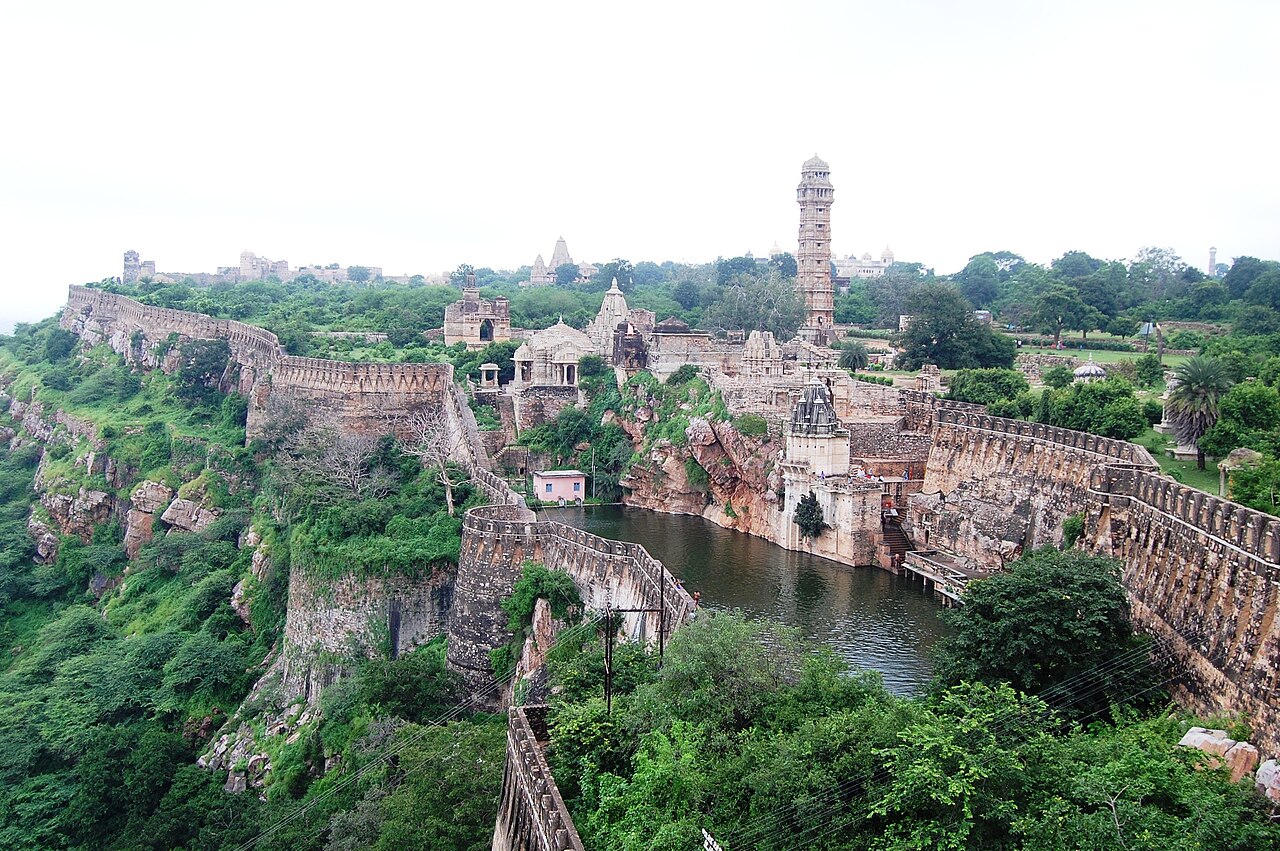
The Hill Forts of Rajasthan represent a significant collection of six majestic forts located across the northwestern Indian state of Rajasthan. These forts—Chittor Fort at Chittorgarh, Kumbhalgarh Fort at Rajsamand, Ranthambore Fort at Sawai Madhopur, Gagron Fort at Jhalawar, Amer Fort at Jaipur, and Jaisalmer Fort at Jaisalmer—are collectively recognized as a UNESCO World Heritage Site since 2013. These forts exemplify the rich military architecture and cultural heritage of the Rajput kingdoms that flourished in this region.
Rajasthan is home to over one hundred fortifications strategically perched on hills and mountainous terrain, reflecting the region's historical emphasis on defense and territorial control. The Hill Forts of Rajasthan were constructed and enhanced over a broad period, spanning from the 5th century through to the 18th century, primarily by various Rajput rulers. These forts are notable for their massive bastioned fortification walls, some extending up to 20 kilometers, which were designed to withstand prolonged sieges and assaults.
Architectural features and defensive design
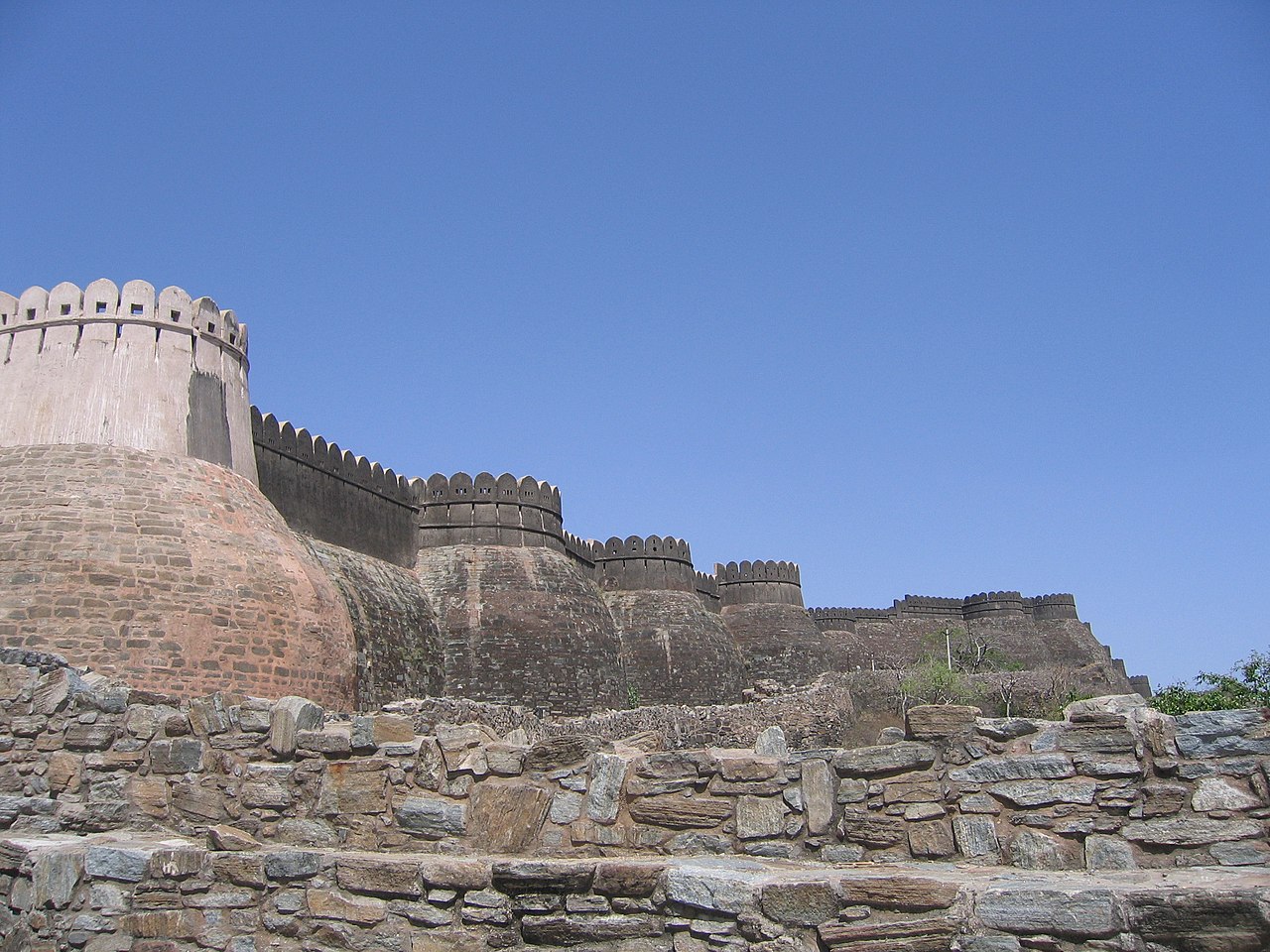
Each fort in the series showcases distinctive architectural elements that reflect the evolution of military engineering and Rajput aesthetics across centuries. The forts are typically built on elevated hills or ridges, maximizing natural defenses. Their massive walls incorporate multiple layers of bastions, gateways, and watchtowers designed to provide overlapping fields of fire and surveillance.
The water harvesting systems within these forts are particularly notable. Ingenious rainwater collection and storage mechanisms allowed these forts to sustain their populations during long sieges. Many forts still retain functioning stepwells, tanks, and underground channels that highlight the advanced hydraulic engineering of the Rajput builders.
Individual forts and their distinguishing features
- Chittor Fort: Known for its vast size and historical significance, it features impressive gates such as the Vijay Stambh (Victory Tower) and the Kirti Stambh (Tower of Fame). It stands as a symbol of Rajput valor and sacrifice.
- Kumbhalgarh Fort: Famous for its extensive fortification walls, which stretch over 36 kilometers, making it one of the longest continuous walls in the world. It served as a refuge for the rulers of Mewar.
- Ranthambore Fort: Set within the Ranthambore National Park, it combines military architecture with natural landscape, offering strategic vantage points and robust defenses.
- Gagron Fort: Unique for being a water fort, surrounded by rivers on multiple sides, enhancing its natural defense.
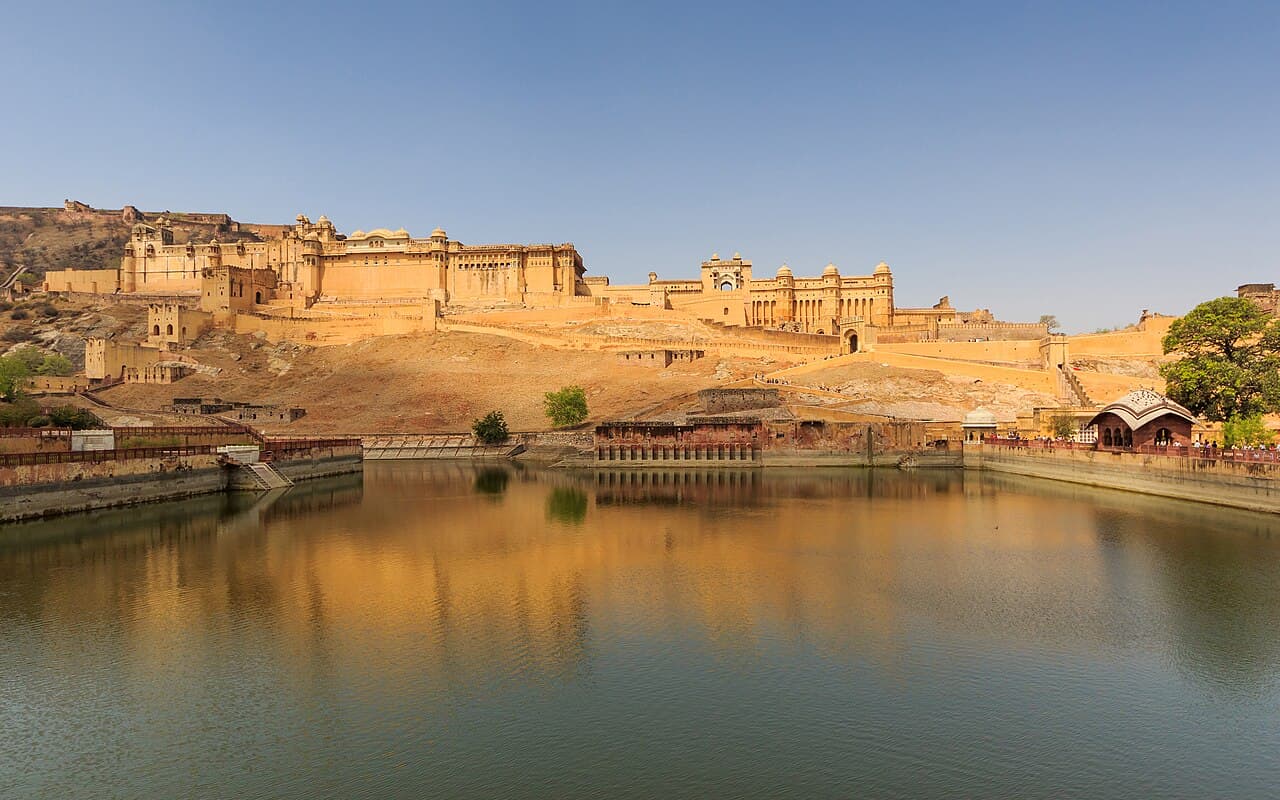
- Amer Fort: Known for its elegant blend of Hindu and Mughal architectural styles, it features ornate palaces, courtyards, and a complex of temples.
- Jaisalmer Fort: Often called the "Golden Fort" due to its yellow sandstone construction, it remains a living fort with a vibrant community inside its walls.
Historical significance and cultural heritage
The Hill Forts of Rajasthan are emblematic of the Rajput ethos of bravery, chivalry, and architectural innovation. They played pivotal roles in regional power struggles and defense against invasions from various empires, including the Mughals. These forts were not only military bastions but also centers of administration, culture, and religion.
The forts witnessed numerous historic events, including legendary sieges and battles that shaped the history of Rajasthan and India. Their preservation offers invaluable insights into the socio-political and military history of the region.
Rajput craftsmanship and artistic legacy
Beyond their military function, these forts exhibit exquisite craftsmanship in stone carving, frescoes, and decorative elements. The fusion of Rajput and Mughal artistic influences is evident in the palatial sections, temples, and audience halls within the forts, reflecting a rich cultural synthesis.
Current condition and tourism
Most of the forts are well preserved or partially restored, maintained by state authorities and heritage organizations. They attract millions of visitors annually, drawn by their historical importance, architectural grandeur, and scenic locations.
Facilities for tourists include guided tours, museums, and cultural events that showcase the forts' history and traditions. The forts continue to be important cultural landmarks and contribute significantly to Rajasthan's identity and economy.
Frequently asked questions (FAQ)
- How do I get to the Hill Forts of Rajasthan?
- The Hill Forts of Rajasthan are accessible by road, rail, and air. Major cities like Jaipur, Jodhpur, and Udaipur have good connectivity, and you can hire a taxi or use public transportation to reach the forts. The nearest airports are in Jaipur and Udaipur, making it convenient for travelers.
- What is the historical significance of the Hill Forts of Rajasthan?
- The Hill Forts of Rajasthan, recognized as a UNESCO World Heritage Site, represent the rich history and cultural heritage of the Rajput rule in India. These forts were built between the 5th and 18th centuries and served as strongholds for various Rajput clans, showcasing their military prowess and architectural brilliance. They stand as a testament to the strategic ingenuity of the Rajputs in defending their territories.
- When was the Hill Forts of Rajasthan designated as a UNESCO World Heritage Site?
- The Hill Forts of Rajasthan were designated as a UNESCO World Heritage Site in 2013. This recognition highlights their outstanding universal value and the need for preservation of their unique architectural and historical significance. The designation has increased awareness and tourism to these magnificent structures.
- Can I visit the Hill Forts of Rajasthan year-round?
- Yes, the Hill Forts of Rajasthan can be visited year-round; however, the best time is from October to March. During these months, the weather is cooler and more pleasant for exploring the forts and surrounding areas. Visiting during the summer months can be quite hot, making it less comfortable for sightseeing.
- Why is the architecture of the Hill Forts of Rajasthan unique?
- The architecture of the Hill Forts of Rajasthan is unique due to its fusion of Indian and Islamic architectural styles, characterized by intricate carvings, majestic gateways, and expansive courtyards. The forts are strategically located on hilltops, offering not only defensive advantages but also stunning views of the surrounding landscapes. Each fort has its own distinct design, reflecting the cultural identity of the region.
- Is it possible to explore the interiors of the forts?
- Yes, visitors can explore the interiors of many of the Hill Forts of Rajasthan, which often include palaces, temples, and living quarters. Some forts have guided tours available, providing insights into their history and architecture. However, accessibility may vary from fort to fort, so it’s advisable to check in advance.
- What are the ticket prices for visiting the Hill Forts of Rajasthan?
- Ticket prices for the Hill Forts of Rajasthan vary depending on the specific fort you wish to visit. Generally, entry fees range from INR 50 to INR 200 for Indian nationals, while foreign tourists may pay higher rates. It’s best to check the specific fort's official website or local tourism information for the most accurate and up-to-date pricing.
- What are the opening hours for the Hill Forts of Rajasthan?
- The opening hours for the Hill Forts of Rajasthan typically range from 9:00 AM to 5:00 PM, though some forts may extend their hours during peak tourist seasons or special events. It's important to verify the timings for each fort as they can vary, especially on holidays or during festivals. Planning your visit accordingly will help you make the most of your experience.
- What nearby attractions should I consider visiting while in Rajasthan?
- While visiting the Hill Forts of Rajasthan, consider exploring nearby attractions such as the stunning palaces of Jaipur, the beautiful lakes of Udaipur, and the vibrant markets of Jodhpur. Each city offers a unique cultural experience, with opportunities for shopping, dining, and learning more about Rajput history. These attractions can enhance your visit and provide a deeper understanding of Rajasthan's rich heritage.

Information
Loading map...
Visitor reviews
No reviews yet. Been here? Write the first review and help other travelers!
Write the first reviewVisited this castle? Share your experience
Your review helps other travelers and adds first-hand knowledge to our encyclopedia.