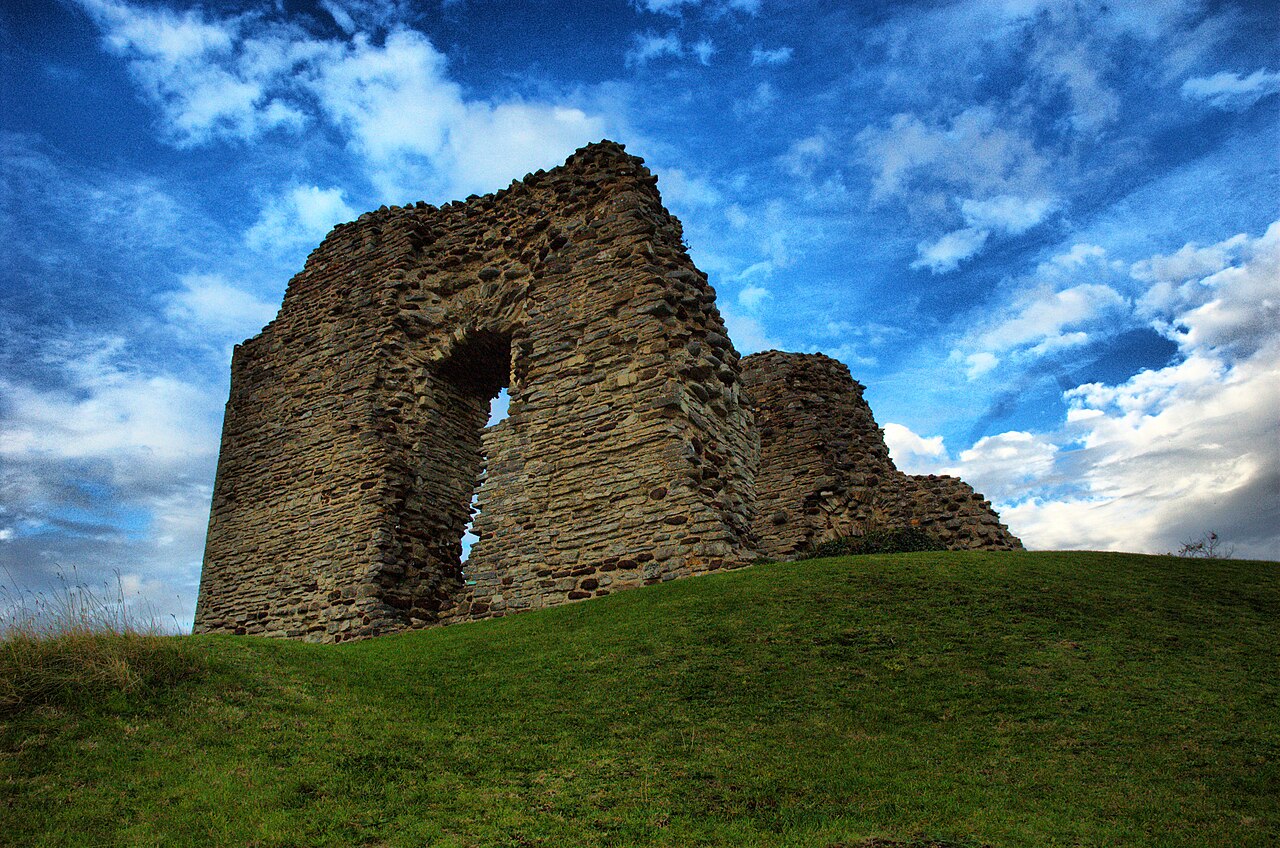
Highcliffe Castle stands as a remarkable example of Romantic Gothic Revival architecture nestled in the coastal town of Christchurch, United Kingdom. Constructed between 1831 and 1835 by the distinguished British diplomat Charles Stuart, 1st Baron Stuart de Rothesay, the castle embodies a unique blend of medieval heritage and 19th-century design ideals. Its location on a cliff overlooking the English Channel offers commanding views of The Needles and the Isle of Wight, integrating natural beauty with architectural grandeur.
The castle's origins trace back to the site of High Cliff House, a Georgian mansion built for the 3rd Earl of Bute. Stuart transformed the estate into a grand residence that reflected his diplomatic stature and appreciation for historical craftsmanship. Notably, the castle incorporates authentic medieval stonework salvaged from Norman ruins, including elements from the Grand’ Maison des Andelys in Normandy. This reuse of historic fabric is a defining feature, linking the structure to a broader European medieval tradition.
Architectural features and design
The castle's design follows an irregular L-shaped plan facing southeast, constructed primarily of unrendered ashlar stonework. It comprises two prominent three-story towers flanking a central two-story section, with single-story wings extending at each end. The east tower, which had been demolished in the 1970s, was meticulously rebuilt during restoration efforts, preserving the castle's original silhouette.
Medieval elements and stained glass
One of Highcliffe Castle's most celebrated features is its large oriel window on the southeast wing. This window, dating from the 16th century, was relocated from Normandy, offering panoramic views of the surrounding landscape. The castle also houses an impressive collection of stained glass windows spanning the 13th to 16th centuries, sourced from France, Germany, and Switzerland. These panels enrich the interior with vibrant medieval artistry, a rare and valuable assemblage within a domestic setting.
Interior layout and notable spaces
The main entrance is distinguished by a pointed arch portal nearly 10 meters high, fitted with intricate tracery windows that welcome visitors into the great hall. Originally designed as a grand reception and social space, the great hall was later adapted as a chapel during the castle's use as a Catholic seminary. Other principal rooms, including the dining room, drawing room, library, and winter garden, are arranged along the west wing's ground floor.
While much of the original interior decoration was lost to fires in the 1960s, restoration efforts have preserved and reinstalled some of the castle’s historic stained glass. Exposed brickwork now characterizes many interior walls, offering a glimpse into the building’s resilience and layered history.
Historical context and notable ownership
Charles Stuart, the castle's founder, had a distinguished diplomatic career, notably escorting King Louis XVIII back to Paris and participating in the negotiations for Brazil’s independence from Portugal. After his death in 1845, the castle passed to his widow, Lady Elizabeth, and subsequently to their daughter, Louisa, Marchioness of Waterford. Under Louisa’s stewardship, Highcliffe Castle became a hub for aristocratic social life, welcoming figures such as the Prince and Princess of Wales.
In 1891, Edward Stuart Wortley inherited the estate, maintaining its prominence. The castle’s international connections were exemplified by the 1907 visit of Kaiser Wilhelm II, who gifted stained glass windows, further enriching the castle’s artistic heritage.
From 1916 to 1922, the American retail magnate Harry Gordon Selfridge leased the castle, introducing modern conveniences including central heating, updated bathrooms, and a new kitchen. These adaptations reflect the castle’s evolution in response to changing standards of comfort and domestic life.
Decline, restoration, and current status
Following mid-20th-century changes in ownership, Highcliffe Castle served various institutional roles, including as a children’s convalescent home and a Catholic seminary. The latter use saw the conversion of the great hall into a chapel. Unfortunately, the castle suffered devastating fires in 1967 and 1968, causing significant damage and leading to years of neglect.
The Christchurch Council acquired the property in 1977 through compulsory purchase, initiating a long-term restoration program. Supported by heritage organizations such as English Heritage and the Heritage Lottery Fund, restoration work spanned the 1990s and beyond. Key refurbishments were completed by 1998, with further renovations in 2008 and 2018, ensuring the castle's preservation as a Grade I listed building.
Modern interventions have sensitively integrated accessibility features like staircases and lifts, opening previously inaccessible areas including the state dining room, butler’s pantry, and the Penleaze Wing to visitors. The castle today functions as a cultural and heritage site, hosting events and tours that celebrate its rich history and architectural significance.
Grounds and surrounding landscape
The castle is set within over five hectares of gardens and landscaped parkland, designed to complement its picturesque setting. A footpath from the estate leads down the cliffs to a sandy beach, enhancing its appeal as a scenic coastal retreat. Adjacent land is occupied by the Highcliffe Castle Golf Club, embedding the historic site within a broader recreational context.
Poetic architectural inscriptions
A distinctive feature of the castle’s exterior is a Latin inscription from the Roman poet Lucretius, located atop the central section between the twin towers. This inscription philosophically contrasts the calm sea with the effort of another, adding a reflective literary element that enriches the castle’s architectural narrative.
Cultural significance and visitor experience
Highcliffe Castle’s combination of medieval architectural fragments, Romantic Gothic Revival design, and rich historical associations make it a unique heritage landmark in southern England. Visitors can explore its evocative interiors, admire the rare collection of historic stained glass, and enjoy the stunning coastal views that inspired its original design.
The castle’s restoration and ongoing preservation efforts highlight the importance of safeguarding architectural and cultural heritage. It serves as a testament to the adaptability of historic buildings and the enduring appeal of combining past and present in a single, evocative site.
Frequently asked questions (FAQ)
- How do I get to Highcliffe Castle?
- Highcliffe Castle is located in the picturesque coastal town of Highcliffe, near Christchurch in Dorset. You can reach it by car via the A337 road, and there are also local bus services that stop nearby, providing convenient public transport options.
- What is the historical significance of Highcliffe Castle?
- Highcliffe Castle was built in the early 19th century and is a prime example of Gothic Revival architecture. It has a rich history, including its association with the wealthy architect and politician Lord Stuart de Rothesay, and has undergone various restorations that highlight its cultural importance.
- When was Highcliffe Castle built?
- Construction of Highcliffe Castle began in 1831 and was completed in 1836. The castle has since witnessed significant historical events and has been a focal point for various local activities over the years.
- Can I visit Highcliffe Castle year-round?
- Yes, Highcliffe Castle is open to visitors throughout the year, but opening hours may vary depending on the season. It's advisable to check the official website for specific hours and any seasonal events that may affect visiting times.
- Why is Highcliffe Castle considered an architectural gem?
- Highcliffe Castle is renowned for its stunning Gothic Revival architecture, featuring intricate stonework and beautifully designed interiors. The combination of its scenic surroundings and elaborate design makes it a celebrated example of 19th-century architectural style.
- Is it possible to hold events at Highcliffe Castle?
- Yes, Highcliffe Castle offers a range of options for hosting events, including weddings and corporate functions. The castle's stunning backdrop and elegant interiors provide a unique setting for memorable occasions.
- What are the ticket prices for visiting Highcliffe Castle?
- Ticket prices for Highcliffe Castle vary, with discounts available for children, seniors, and groups. It is recommended to check the official website for the most up-to-date pricing information and any special promotions.
- What are the best times to visit Highcliffe Castle?
- The best times to visit Highcliffe Castle are during the spring and summer months when the gardens are in full bloom and the weather is generally pleasant. However, the castle is open year-round, and each season offers a unique charm, making it worthwhile to visit at any time.
- Are there nearby attractions to visit along with Highcliffe Castle?
- Yes, there are several nearby attractions, including the beautiful Highcliffe beach and the historic town of Christchurch, which is just a short drive away. Visitors can also explore the New Forest National Park, offering stunning landscapes and outdoor activities.
Information
Website
Visit websiteSources & official resources
Verify the information above using these authoritative references.
Loading map...
Visitor reviews
No reviews yet. Been here? Write the first review and help other travelers!
Write the first reviewVisited this castle? Share your experience
Your review helps other travelers and adds first-hand knowledge to our encyclopedia.