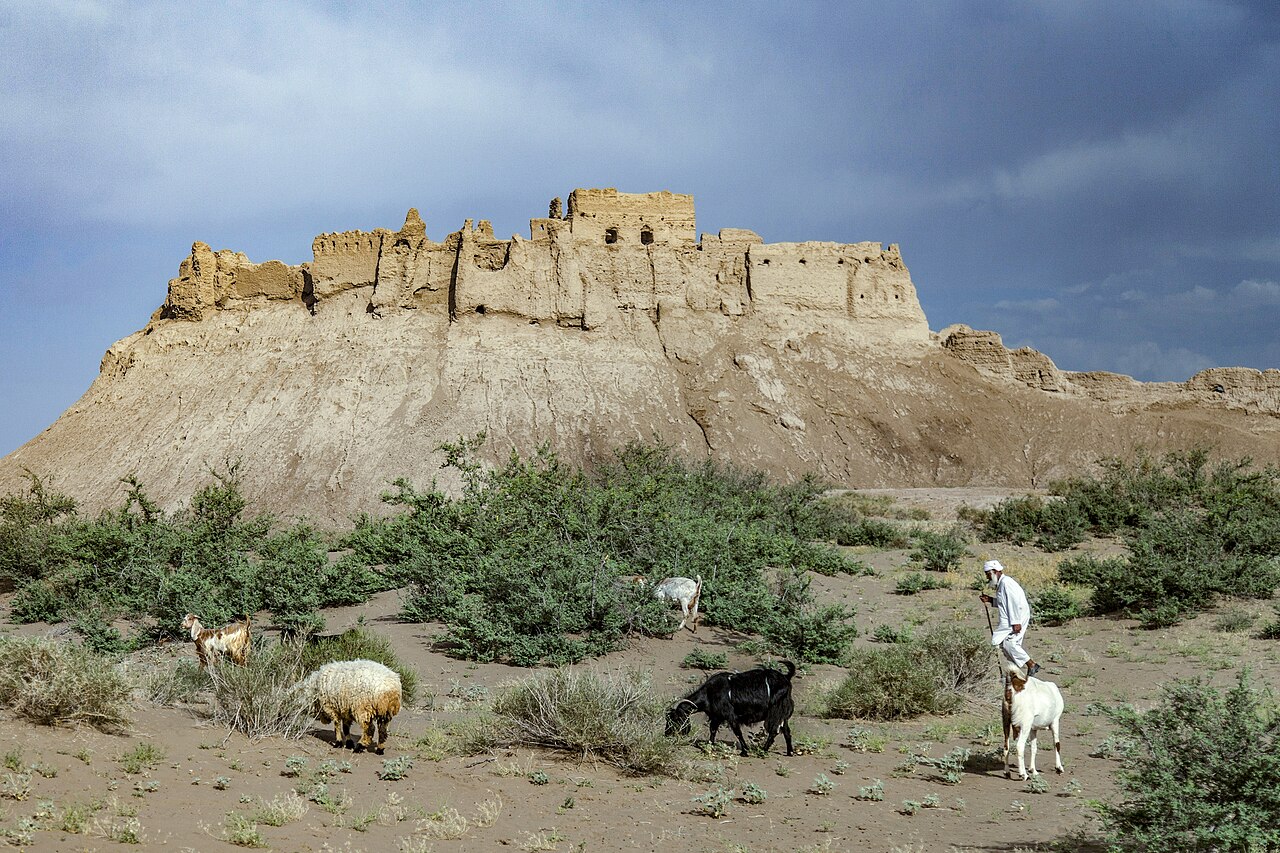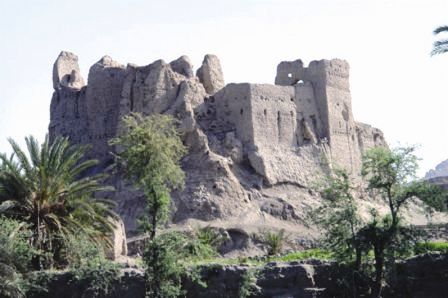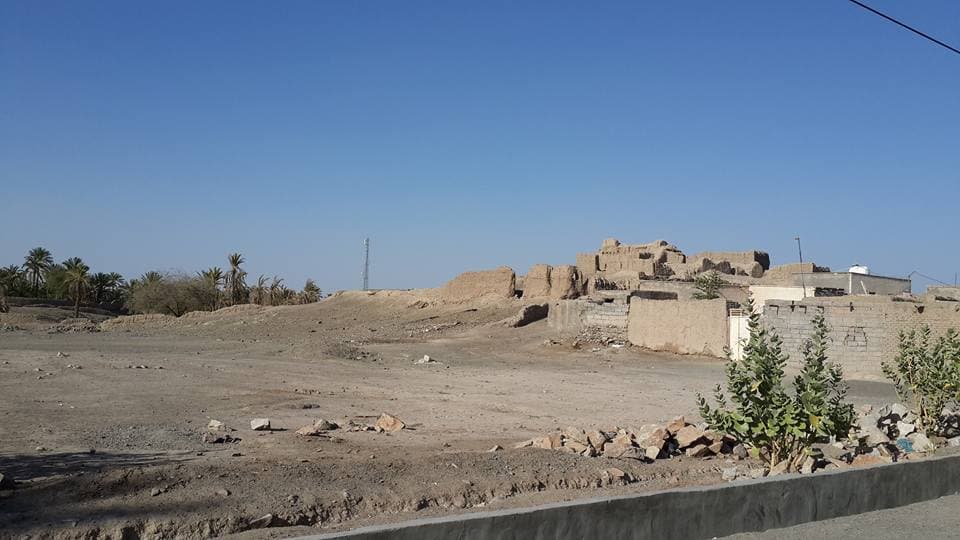
Heriduk Castle
Heriduk castle (Persian: قلعه هریدوک) is a historical hill castle situated in Nik Shahr County within the Sistan and Baluchestan Province of Iran. This fortress dates back to the Qajar dynasty, which ruled from the late 18th century to the early 20th century, marking it as an important example of Persian military architecture from that period.
Architectural features and strategic location
Built as a hill castle, Heriduk castle occupies an elevated position that provided natural defensive advantages against invaders. The castle's location on a hill allowed for extensive visibility over the surrounding terrain, which was crucial for early warning and defense. Typical of castles from the Qajar era, the fortress likely incorporated thick defensive walls constructed from local stone and brick, designed to withstand sieges and attacks.
The castle's structure probably included battlements for archers and soldiers to defend the fortress, as well as watchtowers positioned to cover multiple approaches. The entrance would have been fortified with a strong gatehouse, possibly featuring a barbican or secondary defenses to slow attackers.
Historical context and significance
The Qajar dynasty (1789–1925) was a period marked by both internal strife and external threats to Persia, including incursions by rival tribes and colonial powers. Castles like Heriduk served as military outposts and administrative centers to maintain control over remote regions such as Sistan and Baluchestan. This province, located in southeastern Iran, was strategically significant due to its proximity to trade routes and borders with British India and Afghanistan.
Heriduk castle would have played a role in regional defense and governance, acting as a base for local rulers or military commanders. Its presence reflects the Qajar efforts to consolidate authority and protect their territories from tribal conflicts and foreign influence.
Current condition and preservation
Today, Heriduk castle stands as a partially preserved historical site. While some sections of the fortress remain intact, much of the structure has suffered from the effects of time, weathering, and possibly neglect. The castle remains an important cultural heritage site within the province and offers valuable insights into the military architecture and regional history of the Qajar period.
Efforts to preserve and study the castle contribute to a better understanding of Iran's diverse historical landscape, particularly in less-explored regions like Sistan and Baluchestan.
Visiting Heriduk castle
Visitors interested in Persian history and architecture can explore the ruins of Heriduk castle to appreciate its strategic design and historical role. The site provides a glimpse into the defensive strategies employed during the Qajar era and the challenges faced in securing frontier regions.
Due to its location in Nik Shahr County, access may require local guidance, and facilities at the site might be limited. Nonetheless, the castle remains a noteworthy destination for those seeking to understand Iran's rich architectural and historical heritage beyond the more famous sites.
Frequently asked questions (FAQ)
- What is the historical significance of Heriduk Castle?
- Heriduk Castle is a remarkable example of Persian military architecture, offering insights into the strategic importance of the region during its time of construction. Built in the medieval period, it served as a defensive stronghold, reflecting the historical conflicts and power dynamics in Nik Shahr County.
- When was Heriduk Castle built?
- Heriduk Castle dates back to the 12th century, showcasing the architectural styles and defensive strategies of that era. Its construction marks a significant period in Iranian history when various dynasties sought to establish control over their territories.
- How do I get to Heriduk Castle?
- Heriduk Castle is accessible by road from major cities in Iran, with the nearest urban center being Nik Shahr. Visitors can hire a taxi or take public transportation to reach the castle, which is situated a short distance from the main roads.
- What are the opening hours for Heriduk Castle?
- Heriduk Castle is typically open to visitors from 9 AM to 6 PM, allowing ample time to explore the site. However, it's advisable to check local listings or contact local tourism offices for any seasonal changes in opening hours.
- Can I take photographs inside Heriduk Castle?
- Yes, visitors are generally allowed to take photographs inside Heriduk Castle, making it a great opportunity to capture the stunning architecture and scenic views. However, be respectful of any signage or guidelines regarding photography, especially in sensitive areas.
- Is it possible to visit Heriduk Castle year-round?
- Yes, Heriduk Castle can be visited throughout the year; however, the best time to visit is during the spring and autumn months when the weather is mild and pleasant. Summers can be quite hot, which may affect your experience.
- What are some nearby attractions to visit?
- In addition to Heriduk Castle, visitors can explore the surrounding natural beauty of Nik Shahr County, including hiking trails and local parks. Nearby historical sites and cultural landmarks also offer a deeper insight into the region's rich heritage.
- What are the ticket prices for visiting Heriduk Castle?
- The ticket prices for Heriduk Castle are quite affordable, typically ranging from a few thousand tomans for adults. Discounts may be available for students and children, making it an accessible destination for families and tourists alike.
- Is Heriduk Castle accessible for people with disabilities?
- While efforts are being made to improve accessibility at many historical sites, Heriduk Castle may present challenges for visitors with mobility impairments due to its ancient architecture and uneven terrain. It is advisable to contact local authorities for specific accessibility options before planning your visit.
Photo gallery

Information
Loading map...
Visitor reviews
No reviews yet. Been here? Write the first review and help other travelers!
Write the first reviewVisited this castle? Share your experience
Your review helps other travelers and adds first-hand knowledge to our encyclopedia.