Bampur Castle
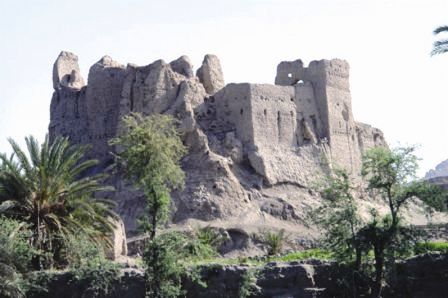
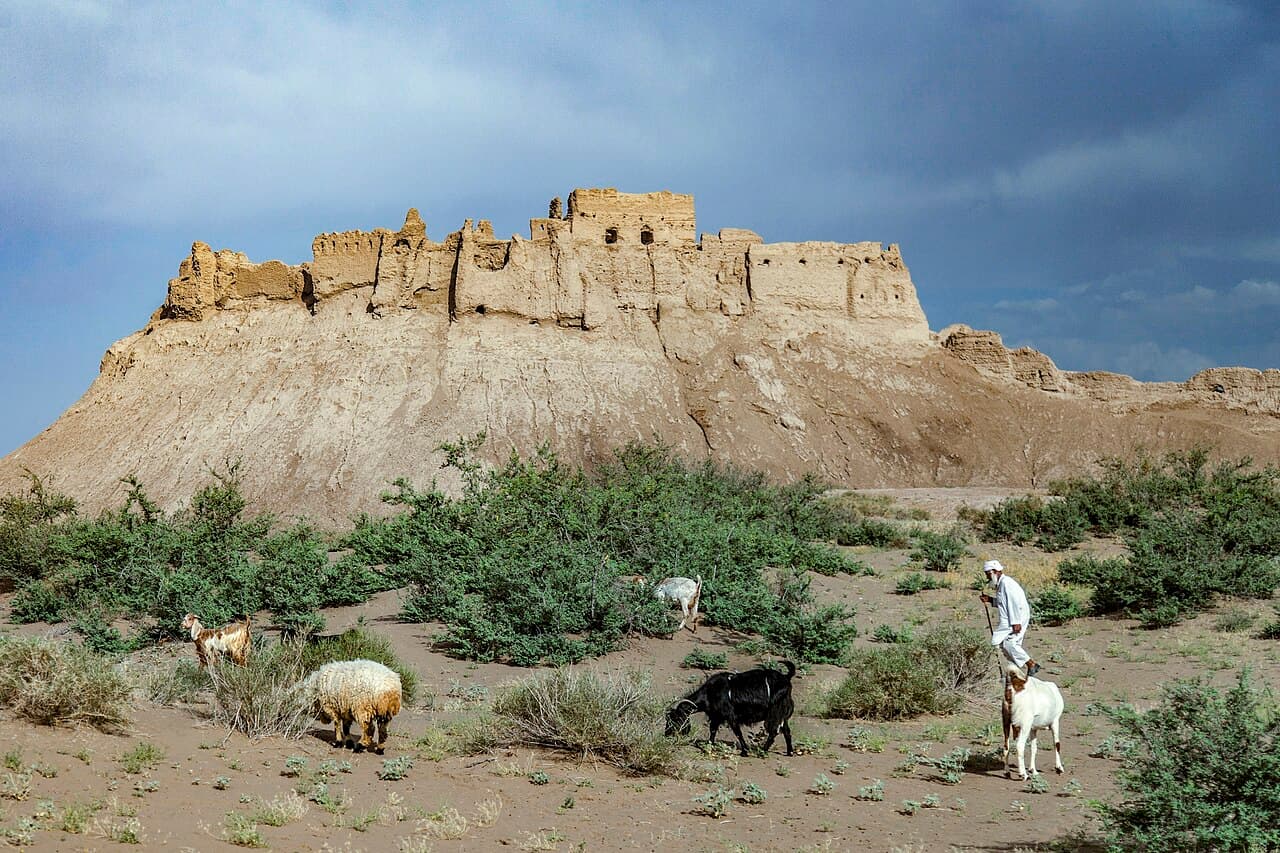
Bampur Castle (Persian: قلعه بمپور) stands as a significant historical fortress in Bampur County, located within the Sistan and Baluchestan Province of Iran. This castle is an outstanding example of a hill castle that dates back to the era of the Sasanian Empire, which ruled from 224 to 651 AD. The fortress's longevity and strategic placement reflect its importance in the defense and control of the region during late antiquity.
Historical context and significance
The Sasanian Empire was known for its military architecture, and Bampur Castle is a testament to their advanced fortification techniques. Positioned on a natural elevation, the castle was strategically located to oversee and protect vital trade routes and local settlements. Its presence in the Sistan and Baluchestan region underscores the empire's reach and the necessity to secure its eastern frontiers against rival powers and nomadic incursions.
Throughout its history, the castle likely served as a military garrison and administrative center, controlling the surrounding territory and providing refuge during times of conflict. While specific historical events tied directly to the castle are sparse, its architectural features and location suggest a role in regional defense and governance during the late antique period.
Architectural features and layout
Bampur Castle exemplifies the characteristics of a hill castle, constructed to exploit the natural topography for defense. The fortress is built atop a rocky hill, providing commanding views of the surrounding landscape. Its walls, though weathered by time, reveal robust construction methods typical of Sasanian military architecture, including thick stone masonry designed to withstand sieges.
The castle's design likely included multiple defensive layers, such as curtain walls and towers positioned to cover all approaches. The use of natural rock formations as part of the fortification would have enhanced its defensive capabilities. Internally, the castle probably contained living quarters, storage facilities, and water cisterns to sustain prolonged occupancy during sieges.
Materials and construction techniques
The builders of Bampur Castle utilized locally available stone and mortar, which contributed to the fortress's durability. The masonry work demonstrates the Sasanian emphasis on solid, enduring structures capable of resisting both natural erosion and human attack. The castle's walls exhibit a combination of rough and dressed stone, indicating phases of construction and repair over centuries.
Preservation and current condition
Today, Bampur Castle remains a partially preserved historical site. While much of its original structure has been affected by centuries of weathering and limited restoration efforts, significant portions of the walls and foundations are still visible. The site attracts historians and visitors interested in ancient Persian military architecture and the Sasanian period.
Conservation efforts are crucial to protect the castle from further deterioration. Its location in a remote province poses challenges for preservation but also offers opportunities for archaeological study and cultural tourism development.
Visiting Bampur Castle
Visitors to Bampur Castle can explore the ruins and appreciate the strategic ingenuity of Sasanian fortifications. The castle's elevated position provides panoramic views of the surrounding Sistan and Baluchestan landscape, enhancing the visitor experience. Due to its remote location, travel arrangements should be planned carefully, and local guides may offer valuable insights into the site's history and significance.
Accessibility and tourism
Access to the castle is typically by road from nearby towns within Bampur County. Facilities at the site are minimal, reflecting its status as a historical ruin rather than a fully developed tourist attraction. Visitors are encouraged to respect the site and contribute to its preservation by following guidelines and avoiding damage to the fragile remains.
Legacy and cultural importance
Bampur Castle holds an important place in the cultural heritage of eastern Iran. As a relic of the Sasanian Empire, it offers insights into the military strategies and architectural practices of one of Persia's most influential dynasties. The castle also symbolizes the historical continuity of settlement and defense in the Sistan and Baluchestan region, linking past and present communities.
Its enduring presence invites further research and appreciation, contributing to the broader understanding of Iran's ancient fortifications and their role in shaping regional history.
Frequently asked questions (FAQ)
- When was Bampur Castle built?
- Bampur Castle dates back to the Sasanian Empire, which ruled from 224 to 651 AD, making it an ancient fortress with a history of over 1,300 years.
- What type of castle is Bampur Castle?
- Bampur Castle is classified as a hill castle, built on a natural elevation to provide strategic defense advantages.
- Is Bampur Castle open to visitors?
- Yes, visitors can explore the ruins of Bampur Castle. However, facilities are limited, and the site is primarily preserved as a historical ruin.
- Where is Bampur Castle located?
- The castle is located in Bampur County within Sistan and Baluchestan Province, Iran, a region known for its rich history and cultural heritage.
- What is the current condition of Bampur Castle?
- Bampur Castle is partially preserved, with significant portions of its walls and foundations still visible despite centuries of weathering.
Photo gallery

Information
Loading map...
Visitor reviews
No reviews yet. Been here? Write the first review and help other travelers!
Write the first reviewVisited this castle? Share your experience
Your review helps other travelers and adds first-hand knowledge to our encyclopedia.