Eccleshall Castle
Eccleshall Castle stands as a remarkable example of a medieval fortified residence with deep historical roots in Staffordshire, England. Originally established in the 13th century, it served as the fortified home of the bishops of Lichfield, reflecting the intertwining of ecclesiastical power and military architecture during the medieval period. This castle's rich history encompasses significant events from the Wars of the Roses to the English Civil War, illustrating its strategic importance over centuries.
The origins of Eccleshall Castle are closely linked to St Chad, the early medieval bishop of Lichfield, to whom the land was traditionally granted. The site's fortification began in earnest in 1200 when Bishop Geoffrey de Muschamp received royal permission from King John to crenellate the residence, adding defensive battlements that marked the transition from a simple manor to a fortified stronghold. This early phase laid the groundwork for the castle's enduring role as a bishop's seat and a military bastion.
Medieval origins and architectural development
In 1305, Bishop Walter Langton, an influential figure who also served as Chancellor of England, undertook a major reconstruction of the castle. He replaced the original fortifications with a more substantial stone castle designed to serve both residential and administrative functions. The castle's location was strategically chosen on a key route connecting Chester, Lichfield, and Coventry, enhancing its defensive and logistical value.
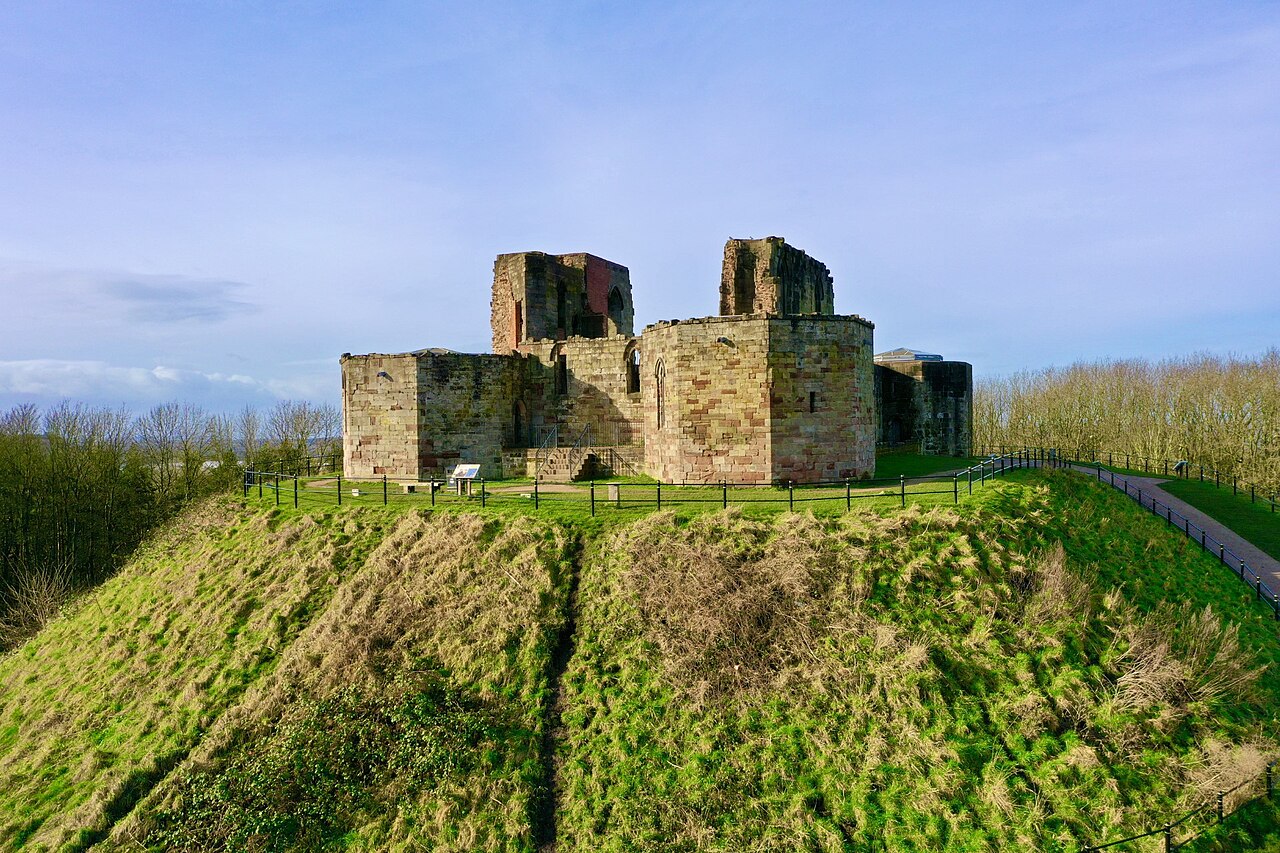
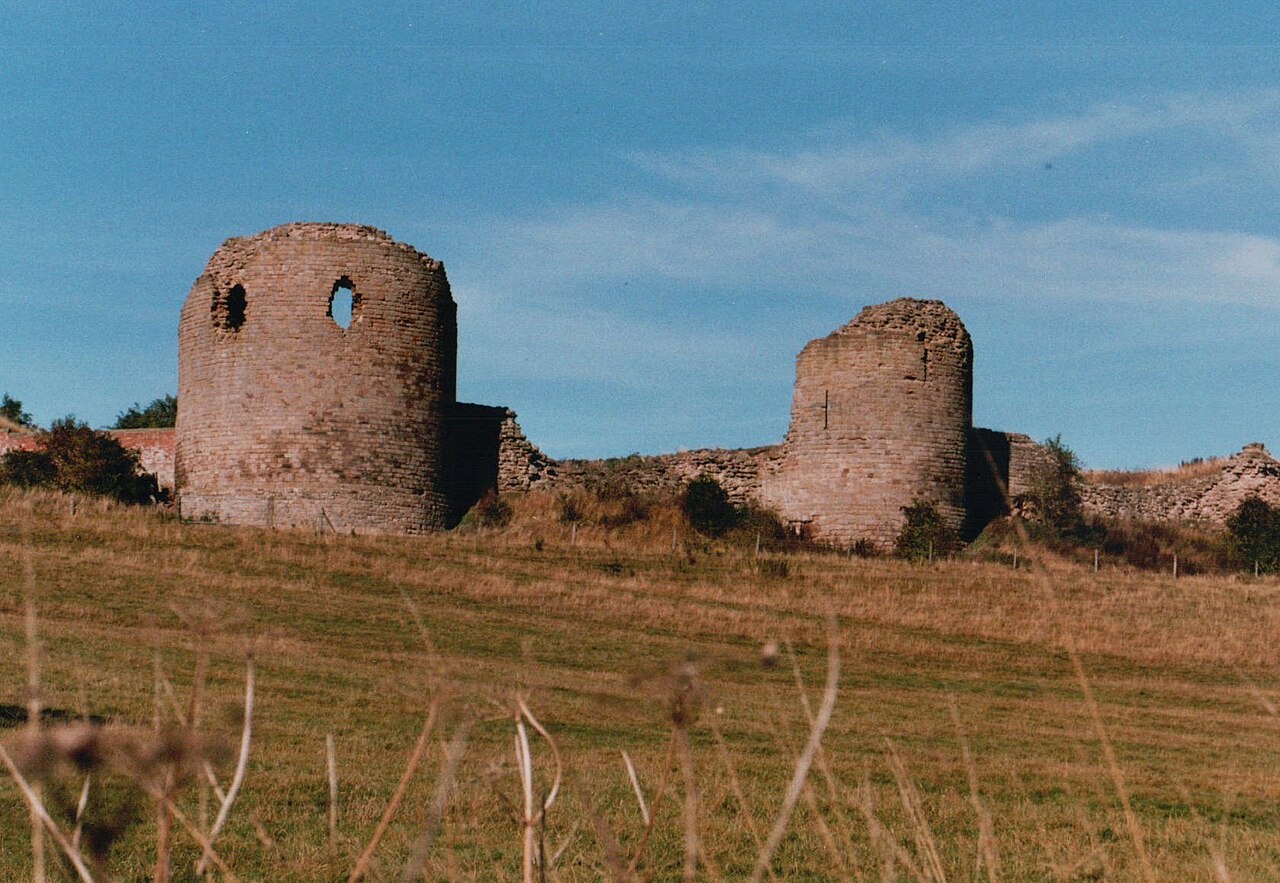
The castle originally featured a fortified enclosure surrounded by stone curtain walls and a water-filled moat, typical of medieval defensive architecture. Access was controlled via a medieval bridge crossing the moat, likely equipped with defensive mechanisms to regulate entry. Among the surviving medieval features is a distinctive nine-sided tower, which remains a unique architectural element reflecting the castle's defensive design and craftsmanship.
Role in historical conflicts
Wars of the roses
Eccleshall Castle's military significance was underscored during the Wars of the Roses, a series of dynastic conflicts in 15th-century England. After the Battle of Blore Heath in 1459, Margaret of Anjou, queen consort to King Henry VI, sought refuge within the castle's walls. This event highlights the castle's role as a royalist stronghold and sanctuary during times of political upheaval.
English civil war siege
The castle's strategic importance continued into the 17th century during the English Civil War. In June 1643, Parliamentary forces under Sir William Brereton besieged Eccleshall Castle, which was held by Royalist supporters including the residing bishop. Despite sustained artillery bombardment, the castle's defenses held for several months. Tragically, the defending bishop died of a heart attack during the siege. Eventually, on August 30, Parliamentary troops captured the castle, and it was subsequently slighted to prevent further military use. However, parts of the structure survived and were repurposed as a prison for Royalist nobility.
Post-war transformation and later use
Following the Civil War, the castle and its lands were confiscated and sold by the state but were later reacquired by the diocese. In 1693, Bishop William Lloyd constructed a new residence within the ruins, incorporating surviving elements of the medieval castle. This residence served as the bishops' home until 1867, blending medieval stonework with later architectural styles.
During the 18th century, significant changes were made to the castle grounds, including the removal of the gatehouse and the draining of the moat. These modifications reflected shifting architectural fashions and the reduced need for fortifications. The property eventually passed into private ownership over a century ago and remains privately held today.
Architectural features and preservation
Eccleshall Castle originally exhibited a classic medieval defensive layout with curtain walls, a moat, and controlled access via a gatehouse and bridge. While the moat was drained and the gatehouse demolished in the 18th century, the castle's outline and some structural elements remain visible, offering valuable insights into its original defensive design.
The surviving nine-sided tower is one of the castle's most distinctive features, showcasing medieval military architecture's complexity and ingenuity. The current main building, constructed in 1693, integrates fragments of the 14th-century castle, blending medieval masonry with post-medieval residential architecture.
Today, Eccleshall Castle is recognized as a Scheduled Ancient Monument and holds Grade II* listed status, underscoring its architectural and historical significance. The site provides a rare example of a bishop's fortified residence evolving through centuries of English history, from medieval fortress to private residence.
Visiting eccleshall castle and its heritage significance
Although Eccleshall Castle is privately owned and not generally open to the public, its historical importance and architectural features make it a subject of interest for historians and castle enthusiasts. The castle's location in the town of Eccleshall offers visitors the opportunity to explore the surrounding Staffordshire countryside, rich in medieval heritage sites.
The castle's legacy as a fortified episcopal residence, its involvement in pivotal historical events, and its architectural evolution provide a compelling narrative of England's medieval and early modern periods. Eccleshall Castle remains a testament to the enduring influence of the Church and the complexities of English history.
Frequently asked questions (FAQ)
- What is the historical significance of Eccleshall Castle?
- Eccleshall Castle has a rich history that dates back to the 12th century, serving as a royal residence and a stronghold during various conflicts. It played a crucial role in the defense of the area and witnessed significant events in English history, making it a notable landmark for both historians and visitors alike.
- When was Eccleshall Castle built?
- Eccleshall Castle was originally constructed in the early 12th century, with its establishment attributed to the Norman period. Over the centuries, it has undergone various renovations and restorations, reflecting changes in architectural styles and fortification techniques.
- Is it possible to visit Eccleshall Castle?
- Yes, Eccleshall Castle is open to visitors, offering guided tours and opportunities to explore its historical grounds. Guests can enjoy learning about the castle's past, its architecture, and the stories of those who lived there.
- What are the opening hours for Eccleshall Castle?
- Eccleshall Castle typically opens its doors to visitors from 10 AM to 5 PM, but it's advisable to check the official website for any seasonal changes or special events that may affect these hours. Planning your visit in advance ensures you make the most of your time at the castle.
- Can I bring children to Eccleshall Castle?
- Absolutely! Eccleshall Castle is family-friendly and offers engaging activities for children, including educational programs and treasure hunts. The castle's grounds provide a safe environment for families to explore and enjoy the history together.
- What is the best time to visit Eccleshall Castle?
- The best time to visit Eccleshall Castle is during the spring and summer months when the weather is pleasant and the gardens are in full bloom. Special events and activities are often scheduled during this time, enhancing the visitor experience.
- Are there any nearby attractions to Eccleshall Castle?
- Yes, visitors to Eccleshall Castle can explore several nearby attractions, including the charming town of Eccleshall with its local shops and eateries. The surrounding countryside offers beautiful walking trails and scenic views, making it an ideal day trip destination.
- What are the ticket prices for Eccleshall Castle?
- Ticket prices for Eccleshall Castle vary depending on age and group size, with discounts often available for families and seniors. It's recommended to check the official website for the most up-to-date pricing and any special offers before your visit.
- How do I get to Eccleshall Castle?
- Eccleshall Castle is conveniently located in the town of Eccleshall, easily accessible by car or public transport. There are designated parking areas nearby, and local bus services operate routes that connect to the castle, making your visit hassle-free.
Information
Website
Visit websiteSources & official resources
Verify the information above using these authoritative references.
Loading map...
Visitor reviews
No reviews yet. Been here? Write the first review and help other travelers!
Write the first reviewVisited this castle? Share your experience
Your review helps other travelers and adds first-hand knowledge to our encyclopedia.