Heeze Castle
Heeze Castle stands as a remarkable example of Renaissance architecture in the Noord-Brabant region of the Netherlands. Originally the center of the seigneury of Heeze, Leende, and Zesgehuchten, it was part of the historic Duchy of Brabant. The castle's history reflects the evolution of noble estates in the Low Countries, marked by ambitious architectural plans and practical constraints that shaped its current form.
The history and origins of Heeze Castle
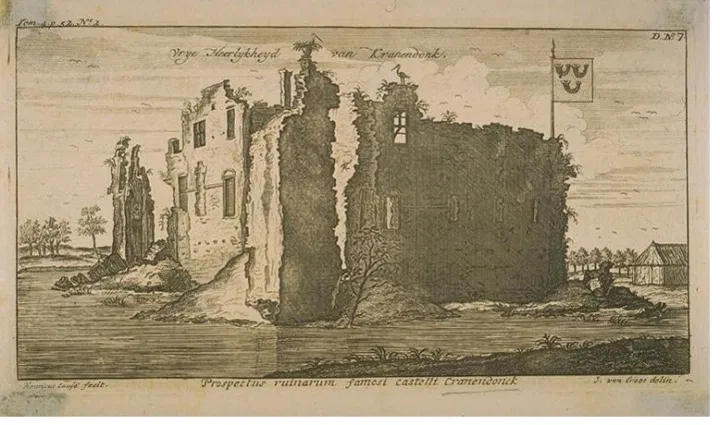
The site of Heeze Castle has been significant since the Middle Ages, when it was owned by the influential de Horne family. This family played a notable role in the region's feudal structure. The original castle on the site, known as Eymerick Castle, was situated to the east within the castle's surrounding waters. By the mid-17th century, Eymerick Castle was already in a state of disrepair, as recorded in 1659. This older structure remains a visible part of the current estate, preserved due to the incomplete nature of the later construction.
Architectural design and construction in the 17th century
In the 17th century, a significant transformation was planned for the castle. The renowned Dutch architect Pieter Post was commissioned to design a new castle that would reflect the grandeur and style of the Renaissance period. His design work began in 1665, marking the start of a new chapter for the estate. Unfortunately, Pieter Post passed away before the project was completed, and his son, Maurits Post, took over the supervision of the construction.
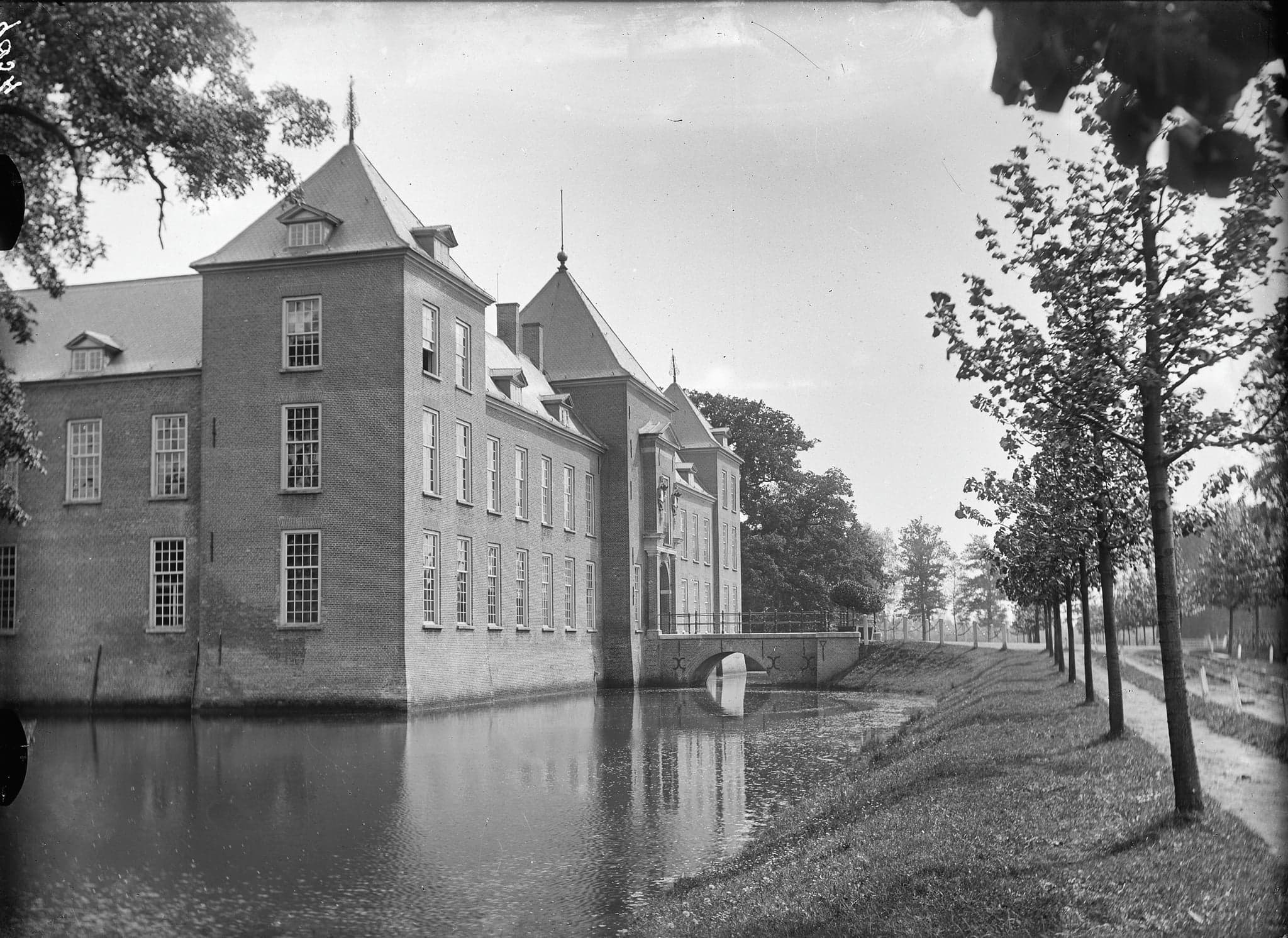
The construction began with the building of the initial part of the castle, which was intended to serve as the servants' quarters. However, due to the rising costs of importing building materials from other regions of the Netherlands, the ambitious plan was halted prematurely. As a result, the castle remains unfinished according to the original design. The main residential parts and the grand sections of the castle that were planned behind the first courtyard were never realized, leaving the existing structure smaller and different in function than intended.
The architectural features of the existing structure
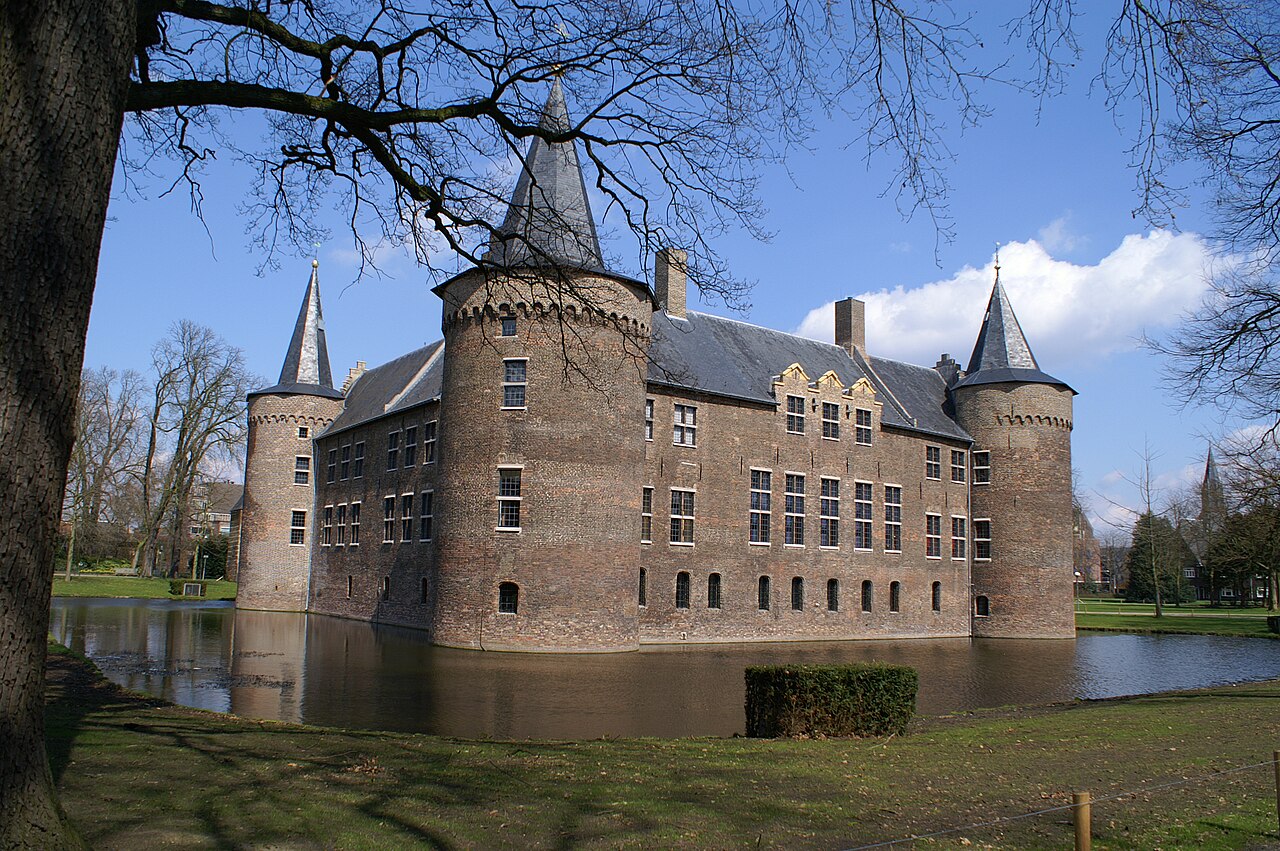
The surviving parts of Heeze Castle exhibit characteristic elements of Renaissance architecture, including symmetrical layouts and classical details. The castle is surrounded by water, typical of Dutch water castles, enhancing its defensive and aesthetic qualities. The presence of the old Eymerick Castle ruins within the moat adds a layer of historical depth, linking the present structure to its medieval past.
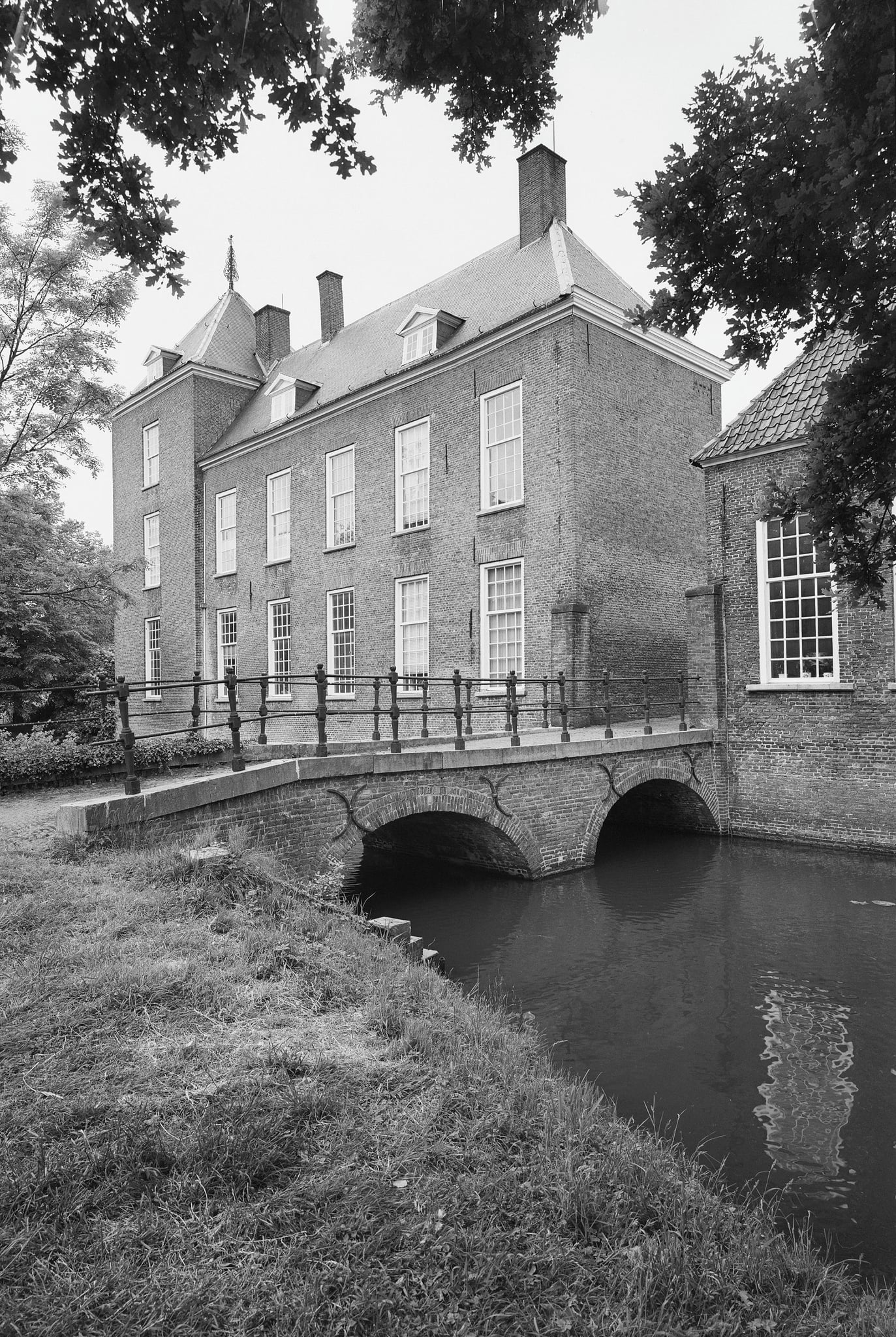
Photo by Loek Tangel • CC BY-SA 4.0
The van Tuyll van Serooskerken family and later history
In 1760, the castle was acquired by Jan Maximiliaan van Tuyll van Serooskerken, a member of a prominent noble family. Since then, the van Tuyll van Serooskerken family has continuously owned and occupied the castle. Their stewardship has preserved the castle's heritage and maintained its status as a noble residence in the region.
The family's long-term ownership has contributed to the castle's preservation, allowing visitors to appreciate both its incomplete 17th-century design and its medieval antecedents. The castle remains a private residence but is recognized for its cultural and architectural significance in the Netherlands.
Heeze Castle in the context of Dutch castle architecture
Heeze Castle exemplifies the transition from medieval fortifications to Renaissance-style noble residences in the Netherlands. Its water-surrounded layout reflects traditional Dutch defensive strategies, while the Renaissance design elements demonstrate the influence of broader European architectural trends of the 17th century.
The incomplete nature of the castle provides a unique insight into the challenges of large-scale construction projects in the period, especially regarding logistics and material costs. The castle's history is a testament to the interplay between ambition, economics, and heritage preservation.
Architectural style and significance
The castle's Renaissance style is characterized by balanced proportions, classical motifs, and an emphasis on symmetry. Pieter Post was a leading figure in Dutch architecture, known for integrating Italian Renaissance elements with local traditions. Although Heeze Castle was never fully realized, it remains an important example of his architectural vision and the era's stylistic preferences.
Visiting Heeze Castle and its surroundings
While Heeze Castle is a private residence and not generally open to the public, its exterior and the surrounding parkland can be admired from nearby public areas. The castle's picturesque setting in Noord-Brabant makes it a notable landmark for visitors interested in Dutch history and architecture.
The nearby village of Heeze offers additional historical sites and amenities, making it a suitable destination for cultural tourism. Visitors can explore the region's rich heritage, including other castles, churches, and traditional Dutch landscapes.
Frequently asked questions (FAQ)
- What is the historical significance of Heeze Castle?
- Heeze Castle, dating back to the 15th century, is a prime example of Dutch castle architecture and has a rich history tied to the local nobility. It served as a residence for several prominent families and played a role in regional politics and culture throughout the centuries.
- When was Heeze Castle built?
- Heeze Castle was originally constructed in the early 15th century, with significant renovations and expansions taking place in subsequent years. The castle's architecture reflects various styles that evolved over time, making it a fascinating site for history enthusiasts.
- Can I visit Heeze Castle?
- Yes, Heeze Castle is open to visitors, allowing you to explore its beautiful grounds and learn about its history. Guided tours are available, providing deeper insights into the castle's architecture and past.
- What are the opening hours for Heeze Castle?
- Heeze Castle typically opens to the public from Tuesday to Sunday, with varying hours depending on the season. It is advisable to check the official website for the most current information regarding opening times before planning your visit.
- Is it possible to hold events at Heeze Castle?
- Yes, Heeze Castle offers facilities for various events, including weddings and corporate gatherings, set against a stunning historical backdrop. Interested parties should contact the castle management for specific details about availability and services.
- What are the ticket prices for visiting Heeze Castle?
- Ticket prices for Heeze Castle vary depending on the type of tour or event you wish to attend. Discounts may be available for groups, students, or seniors, so be sure to check the official website for the latest pricing information.
- When is the best time to visit Heeze Castle?
- The best time to visit Heeze Castle is during the spring and summer months when the gardens are in full bloom and the weather is pleasant for outdoor exploration. Additionally, special events and guided tours are more frequently available during these seasons.
- How accessible is Heeze Castle for visitors with disabilities?
- Heeze Castle strives to be accessible to all visitors, with facilities in place to accommodate those with mobility challenges. However, some areas may have limitations due to the historical nature of the site, so it is recommended to contact the castle in advance for specific accessibility information.
- What nearby attractions can I visit while at Heeze Castle?
- While visiting Heeze Castle, you can also explore the picturesque village of Heeze, which offers charming shops and cafes. Additionally, nearby natural parks and trails provide opportunities for hiking and enjoying the scenic Dutch countryside.
Photo gallery


Information
Website
Visit websiteSources & official resources
Verify the information above using these authoritative references.
Loading map...
Visitor reviews
No reviews yet. Been here? Write the first review and help other travelers!
Write the first reviewVisited this castle? Share your experience
Your review helps other travelers and adds first-hand knowledge to our encyclopedia.