Geldrop Castle
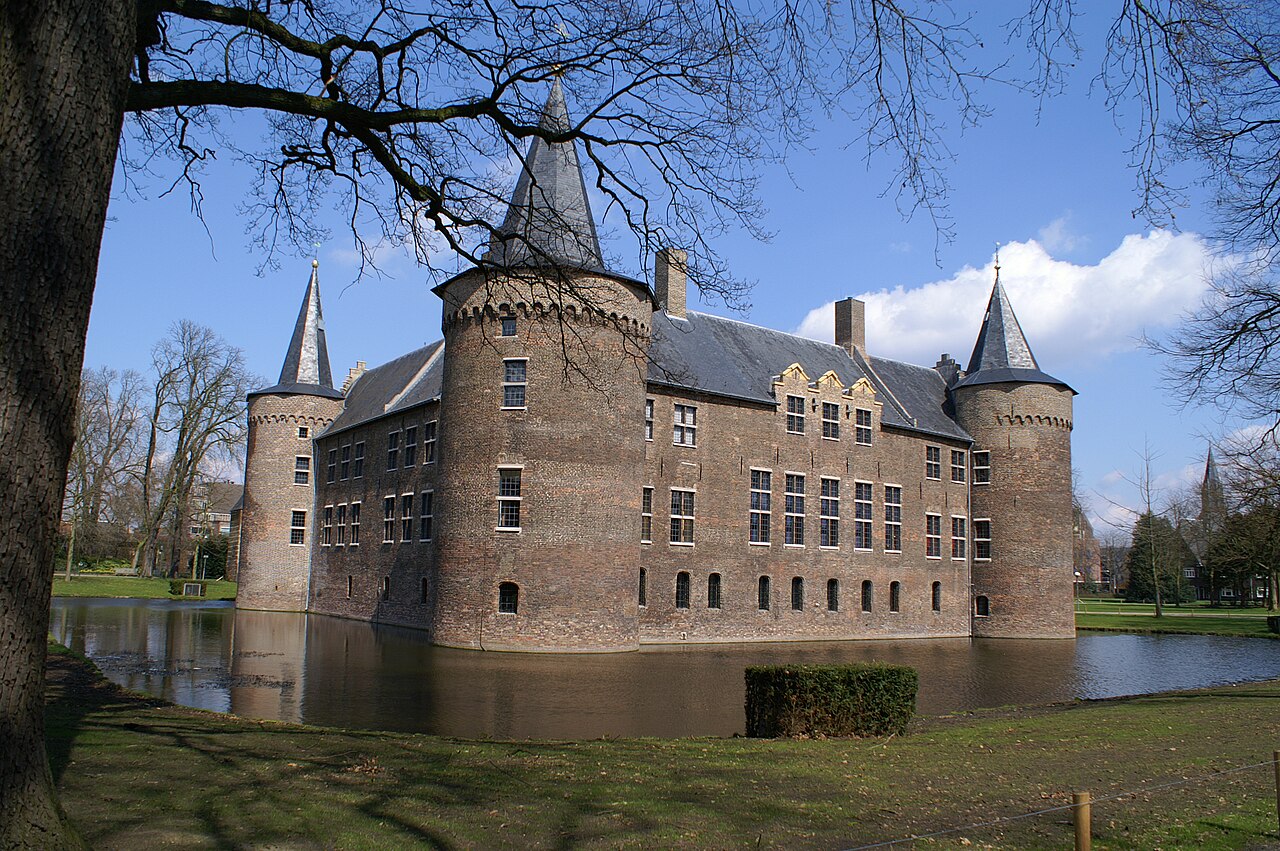
Geldrop Castle is a notable Renaissance manor located in Geldrop, Netherlands. The castle's origins trace back to the mid-14th century, with the first known owners being Jan and Philip van Geldrop, who likely constructed the initial fortress around 1350. This medieval stronghold remained under the Van Geldrop family throughout the following century, serving as a symbol of local noble power.
Renaissance transformation and architectural evolution
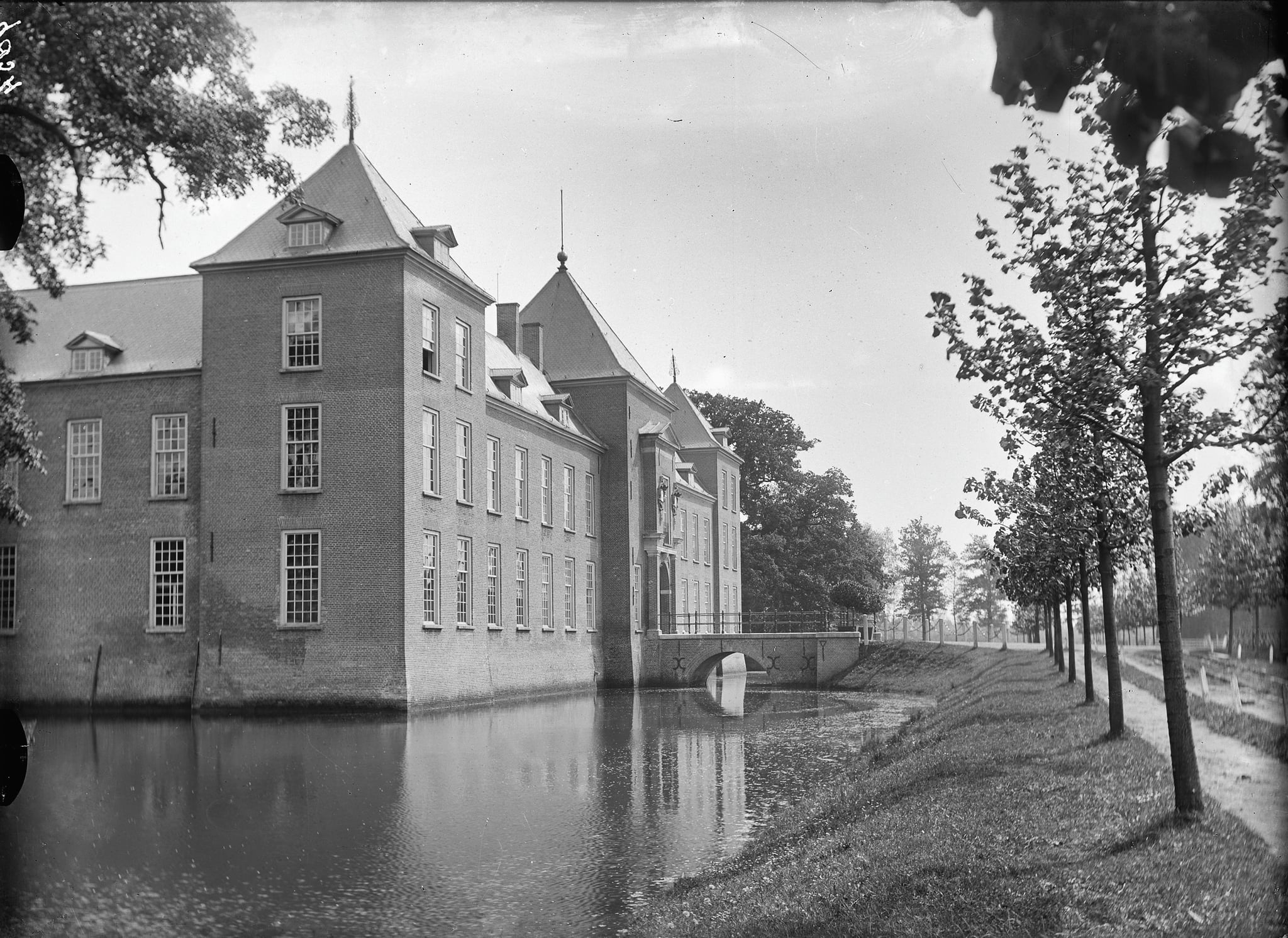
The present-day castle, however, largely dates from the early 17th century. In 1616, Amandus I van Horne initiated significant construction work, notably erecting the middle facade that defines much of the castle's current appearance. This facade prominently features a door post bearing the coats of arms of the Van Horne family, commemorating their influence and ownership. The castle's Renaissance style is reflected in its balanced proportions, refined masonry, and decorative heraldic elements, which replaced the earlier medieval structures.
Throughout the 18th century, the castle changed hands, with the heirs of Van Horne selling the manor to Adriaan van Sprangh in 1768. Van Sprangh undertook renovations to both the castle and its medieval living tower, and his coat of arms was added to the western facade, marking his tenure. These renovations likely included updates to the living quarters and fortifications, adapting the castle to contemporary needs while preserving its historic character.
19th-century modifications and ownership
In the 19th century, the castle came under the ownership of the Hoevenaar family. Under Sara Hoevenaar in 1840, the medieval living tower was demolished, reflecting changing tastes and the reduced military function of the castle. Later, during the tenure of Hubertus Hoevenaar, the castle underwent further modifications that gave it its present look. Notably, the gate lodge was removed and converted into living quarters, a side building was demolished to make way for a terrace, and the side wing was raised to add more space. A coat of arms on the facade commemorates Hubertus Hoevenaar's contributions to the castle's evolution.
Hubertus's daughter, Arnaudina Hoevenaar, married Baron Van Tuyll van Serooskerken, and the couple made the castle their permanent residence from 1912. Their family maintained strong local ties, with two generations serving as councillors for the municipality of Geldrop between 1921-1938 and 1945-1953, highlighting the castle's role in local governance and community life.
Historical context and social changes
The castle's history also reflects broader social and political shifts. The end of feudal rights in 1798 following the French Revolution rendered the title of Lord of Geldrop largely symbolic. Despite this, the castle remained a significant local landmark and residence for nobility and prominent families.
Modern use and cultural significance
Today, Geldrop Castle serves as a cultural venue hosting weddings, concerts, and exhibitions. Its attic houses a small museum showcasing a variety of artifacts and materials donated by the people of Geldrop over the past four decades. This museum offers visitors insight into the castle's history and its connection to the local community.
The castle's well-preserved Renaissance architecture, combined with its layers of historical modifications, provides a tangible link to the region's noble past and evolving social landscape. It remains a cherished heritage site within the North Brabant region, attracting visitors interested in Dutch history, architecture, and cultural events.
Frequently asked questions (FAQ)
- What is the historical significance of Geldrop Castle?
- Geldrop Castle, dating back to the 14th century, played a crucial role in the region's defense and governance. Its architecture reflects the transition from medieval fortifications to Renaissance influences, showcasing the evolution of castle design over the centuries.
- When was Geldrop Castle built?
- Geldrop Castle was originally constructed in the late 14th century, with significant renovations and expansions occurring over the years. Its current structure features elements from various architectural styles, primarily influenced by the Renaissance period.
- Can I visit Geldrop Castle, and what are the opening hours?
- Yes, Geldrop Castle is open to visitors. The castle typically welcomes guests from Tuesday to Sunday, with specific opening hours varying by season, so it’s advisable to check their official website for the most accurate information before your visit.
- What are the ticket prices for visiting Geldrop Castle?
- Ticket prices for Geldrop Castle vary depending on age and whether visitors are part of a guided tour. Generally, admission is affordable, with discounts available for children, seniors, and groups, making it accessible for all visitors.
- Is it possible to explore the gardens around Geldrop Castle?
- Absolutely! The gardens surrounding Geldrop Castle are a beautiful feature and are open to the public. Visitors can enjoy leisurely walks through the landscaped areas, which enhance the castle's picturesque setting.
- When is the best time to visit Geldrop Castle?
- The best time to visit Geldrop Castle is during the spring and summer months when the gardens are in full bloom and the weather is pleasant. Additionally, various events and festivals often take place during this time, making the experience even more enjoyable.
- What nearby attractions can I explore after visiting Geldrop Castle?
- After visiting Geldrop Castle, you can explore the charming town of Geldrop, which offers quaint shops and cafes. Additionally, nearby attractions include the beautiful nature reserves and parks, perfect for hiking and enjoying the scenic Dutch countryside.
- How do I get to Geldrop Castle using public transport?
- Geldrop Castle is accessible via public transport, with regular train and bus services connecting it to major cities in the Netherlands. The nearest train station is Geldrop Station, from which visitors can take a short bus ride or walk to the castle.
- Is Geldrop Castle accessible for visitors with disabilities?
- Yes, Geldrop Castle strives to be accessible for visitors with disabilities. There are facilities in place to assist those with mobility challenges, including ramps and accessible restrooms, ensuring everyone can enjoy the historic site.
Information
Website
Visit websiteSources & official resources
Verify the information above using these authoritative references.
Loading map...
Visitor reviews
No reviews yet. Been here? Write the first review and help other travelers!
Write the first reviewVisited this castle? Share your experience
Your review helps other travelers and adds first-hand knowledge to our encyclopedia.