Hawarden Old Castle
Hawarden Old Castle, known in Welsh as Castell Penarlâg, is a significant medieval fortress located near Hawarden in Flintshire, Wales. The castle's origins are not precisely documented, but archaeological evidence suggests that the site may have been fortified since the Iron Age. Over time, it evolved into a Norman motte-and-bailey castle, a common form of fortification introduced by the Normans after their conquest of England and Wales in the 11th and 12th centuries.
The current ruins primarily date from the 13th century, reflecting a period of reconstruction and fortification that replaced earlier structures. This phase corresponded with the castle's strategic importance during the turbulent High Medieval era, especially during the Welsh resistance against Norman and later English rule.
Early fortifications and motte-and-bailey design
The earliest fortifications at Hawarden Old Castle likely began as earthworks and timber defenses typical of Iron Age hillforts. With the Norman invasion, the site was adapted into a motte-and-bailey castle, featuring a raised earthwork (motte) topped with a wooden or stone keep and an enclosed courtyard (bailey) protected by a ditch and palisade. This design allowed for rapid construction and effective defense, suitable for controlling the surrounding landscape and asserting Norman dominance.
The castle's role in the welsh struggle for independence
Hawarden Old Castle played a pivotal role in the 13th-century Welsh wars of independence. In Easter 1282, Dafydd ap Gruffudd, brother of the Welsh prince Llywelyn ap Gruffudd, launched a surprise attack on the castle. This assault marked the beginning of the final and decisive conflict between the Welsh princes and the English crown.
Dafydd's capture of the castle was a significant act of rebellion against King Edward I of England. The timing of the attack during Easter heightened its impact and was seen as a grievous provocation. The Chronicle of Lanercost records the outrage, describing the Welsh as breaking their borders on Palm Sunday with fire and sword, laying siege to English strongholds and igniting a wider war.
The aftermath and punishment of dafydd ap gruffudd
The rebellion ended tragically for Dafydd ap Gruffudd. Captured by English forces, he was subjected to the harshest form of medieval capital punishment, being hanged, drawn, and quartered in Shrewsbury in October 1283. This brutal execution was intended as a deterrent to further Welsh resistance and underscored the severity with which Edward I dealt with rebellion.
Later history and decline
Following these conflicts, Hawarden Old Castle remained strategically important. It was seized again during the 1294 revolt led by Madog ap Llywelyn, another Welsh uprising against English rule. The castle's military significance continued into the late medieval period, though its fortunes waned over time.
During the English Civil War in the 17th century, the castle was deliberately slighted—a process of partial demolition ordered by Oliver Cromwell to prevent its use by Royalist forces. This action left the castle in ruins, a state in which it largely remains today.
Architectural features and current condition
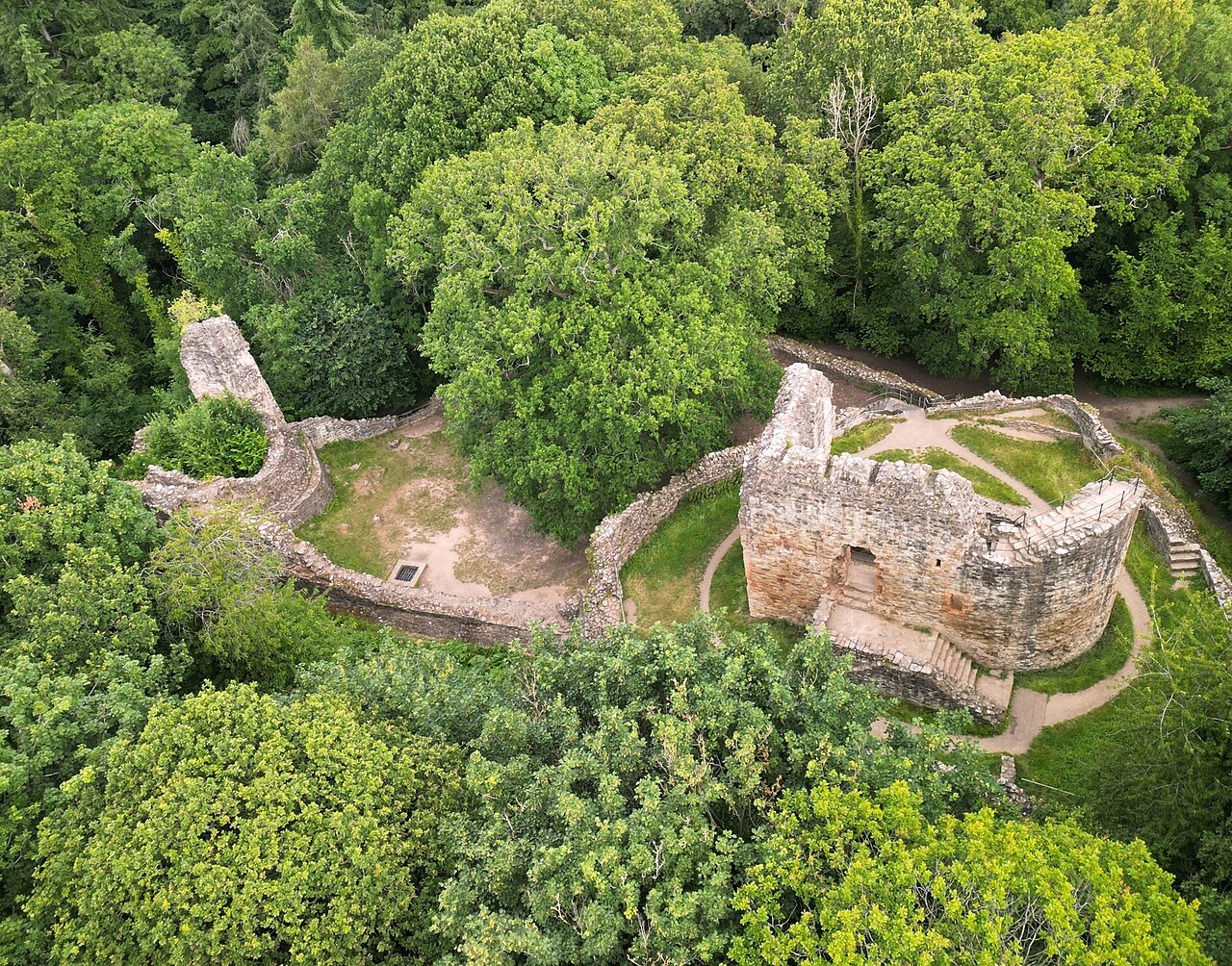
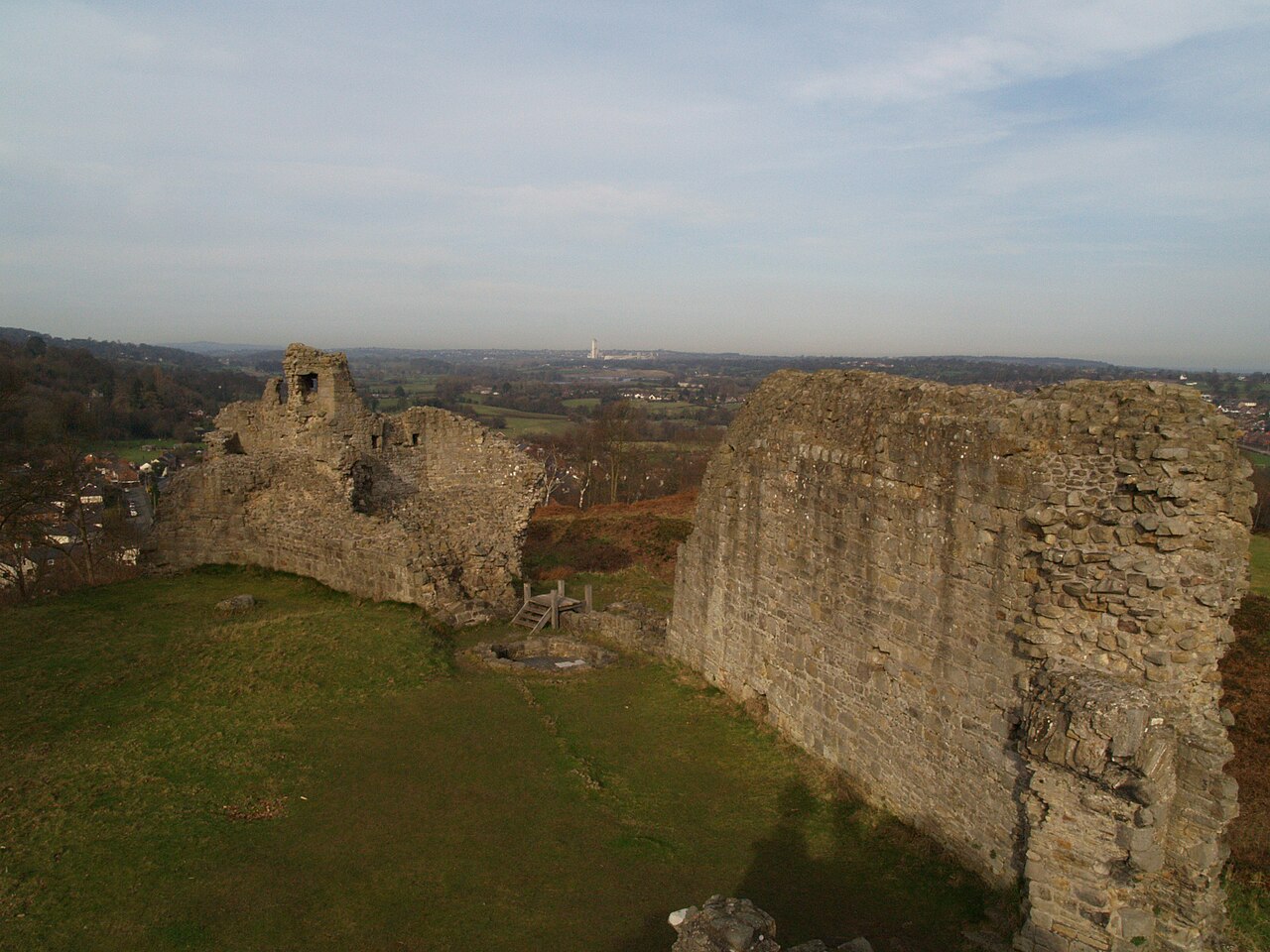
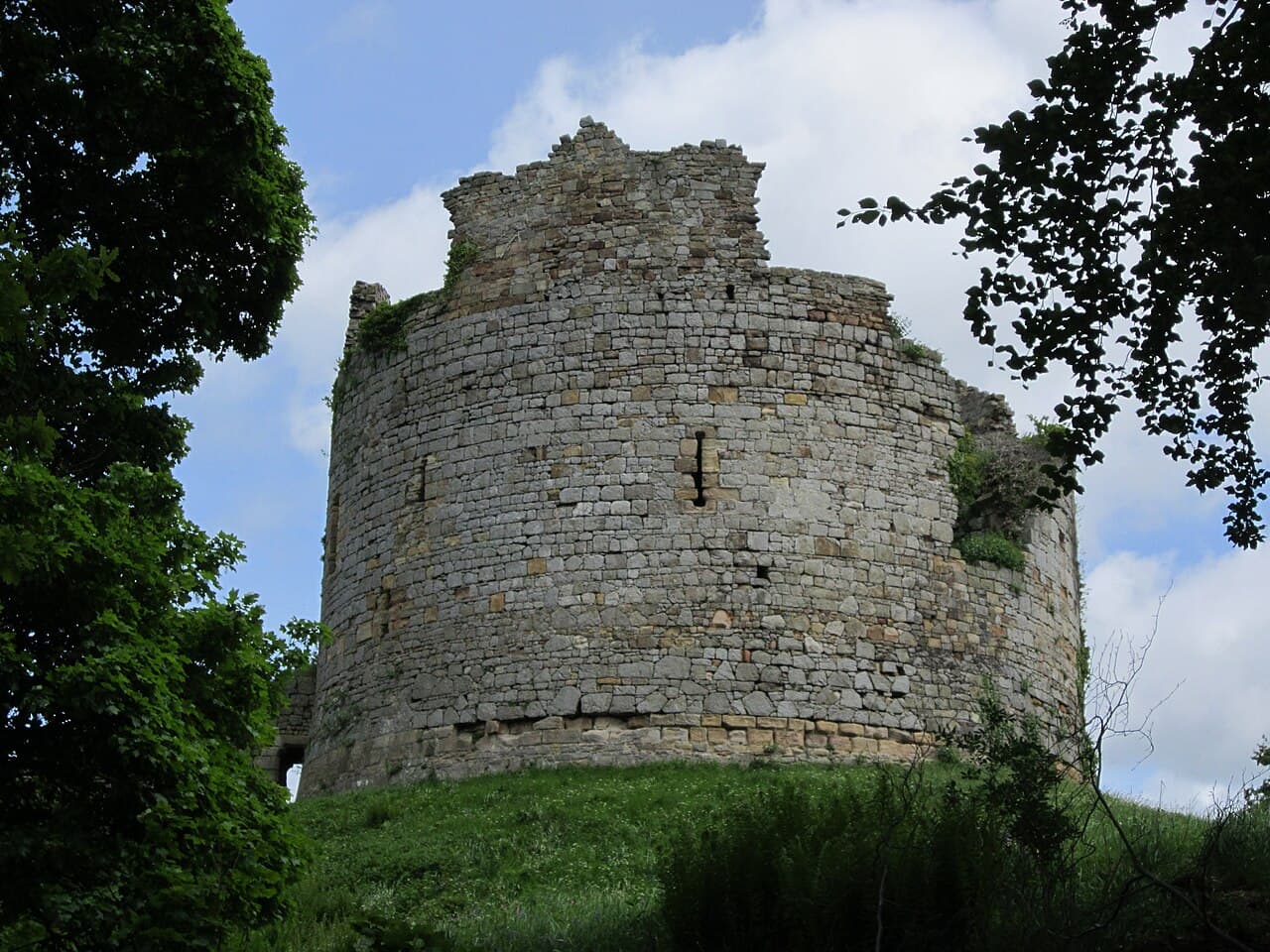
Today, Hawarden Old Castle is classified as an archaeological ruin and is protected as a Grade I listed building and a scheduled monument. The surviving remains include earthworks, fragments of stone walls, and traces of defensive ditches that outline the original motte-and-bailey layout.
The site offers valuable insights into medieval military architecture and the turbulent history of the Welsh-English borderlands. Its location on the estate of the nearby New Hawarden Castle allows for public access on select days, providing visitors with a tangible connection to Wales's medieval past.
Visiting hawarden old castle
The ruins are open to the public on some Sundays, typically the second and fourth Sundays during the summer months. Visitors can explore the grounds and appreciate the castle's historical significance within the context of Welsh national identity and medieval warfare.
While the remains are modest, the castle's story is rich with episodes of rebellion, royal retribution, and shifting power dynamics that shaped the region. Its preservation as a ruin allows for ongoing archaeological study and heritage conservation.
Cultural and historical significance
Hawarden Old Castle stands as a symbol of the medieval Welsh struggle for autonomy and the complex history of the Welsh Marches. Its association with key historical figures such as Dafydd ap Gruffudd and King Edward I highlights its role as a focal point of conflict and governance.
The castle's inclusion on the Grade I listed buildings register since 1967 reflects its importance as a heritage site. As a scheduled monument, it is legally protected, ensuring that its remains are preserved for future generations to study and appreciate.
Frequently asked questions (FAQ)
- When was Hawarden Old Castle built?
- Hawarden Old Castle was built in the 13th century, with earlier fortifications possibly dating back to the Iron Age.
- What is the architectural style of Hawarden Old Castle?
- The castle was originally a Norman motte-and-bailey design, typical of medieval military architecture in the 13th century.
- Can I visit Hawarden Old Castle?
- Yes, the ruins are open to the public on some Sundays, usually the second and fourth Sundays in the summer months.
- What historical events is Hawarden Old Castle known for?
- The castle is known for its role in the Welsh wars of independence, especially the 1282 attack by Dafydd ap Gruffudd that sparked the final conflict with Norman England.
- Why was Hawarden Old Castle slighted?
- The castle was slighted during the English Civil War on the orders of Oliver Cromwell to prevent its use by Royalist forces.
Photo gallery

Information
Current owner
New Hawarden Castle estate
Loading map...
Visitor reviews
No reviews yet. Been here? Write the first review and help other travelers!
Write the first reviewVisited this castle? Share your experience
Your review helps other travelers and adds first-hand knowledge to our encyclopedia.