Caergwrle Castle
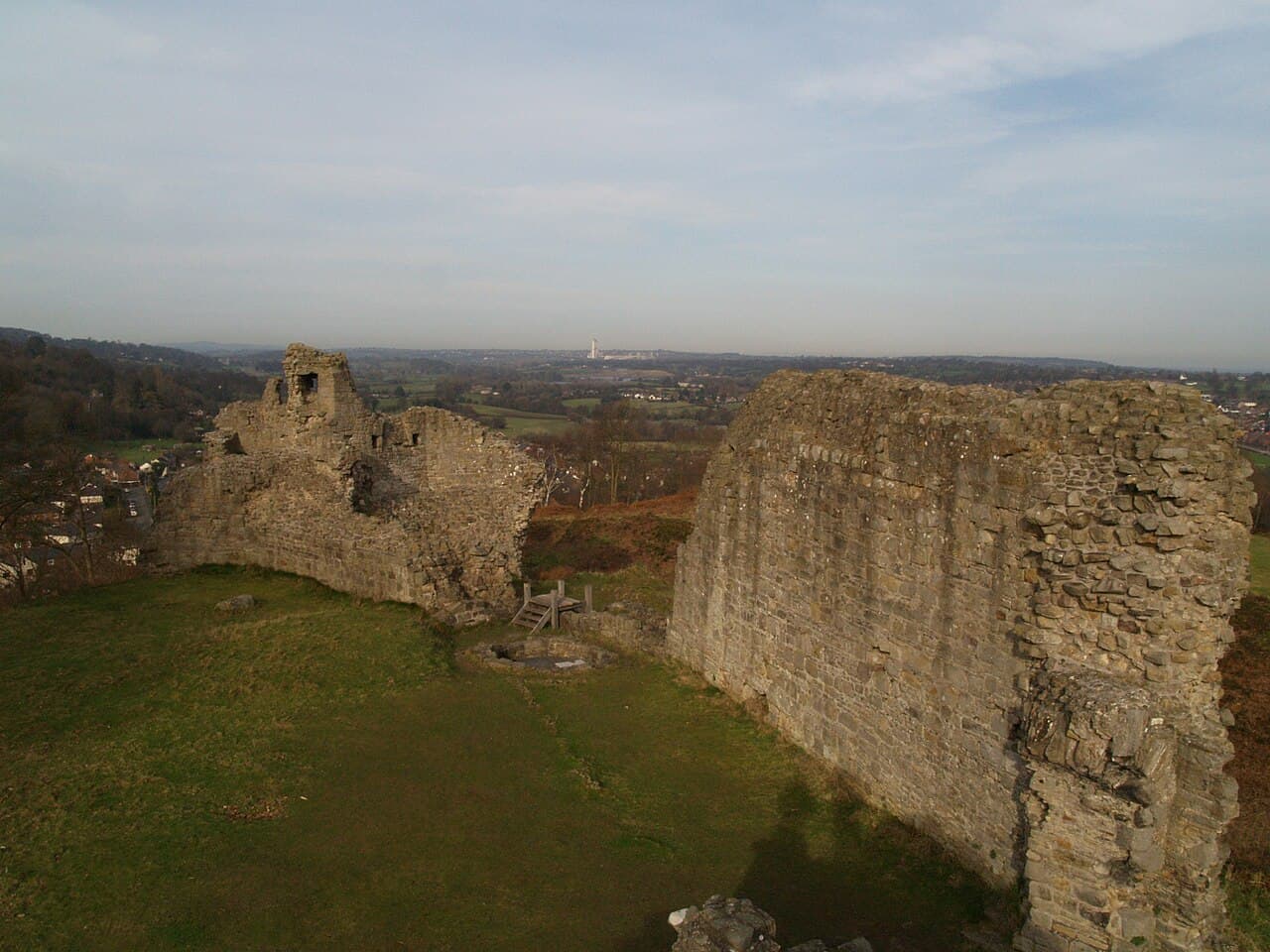
Caergwrle Castle stands as a significant medieval fortress located in the town of Caergwrle, Flintshire, Wales. Constructed in 1277 by the Welsh prince Dafydd ap Gruffydd, it represents one of the last native Welsh strongholds built before the full conquest of Wales by England. The castle occupies a commanding position on a steep hill, approximately 130 meters above sea level, offering strategic views over the surrounding landscape toward Cheshire in England. Its location was carefully chosen for defense and surveillance, reflecting the turbulent political landscape of the late 13th century.
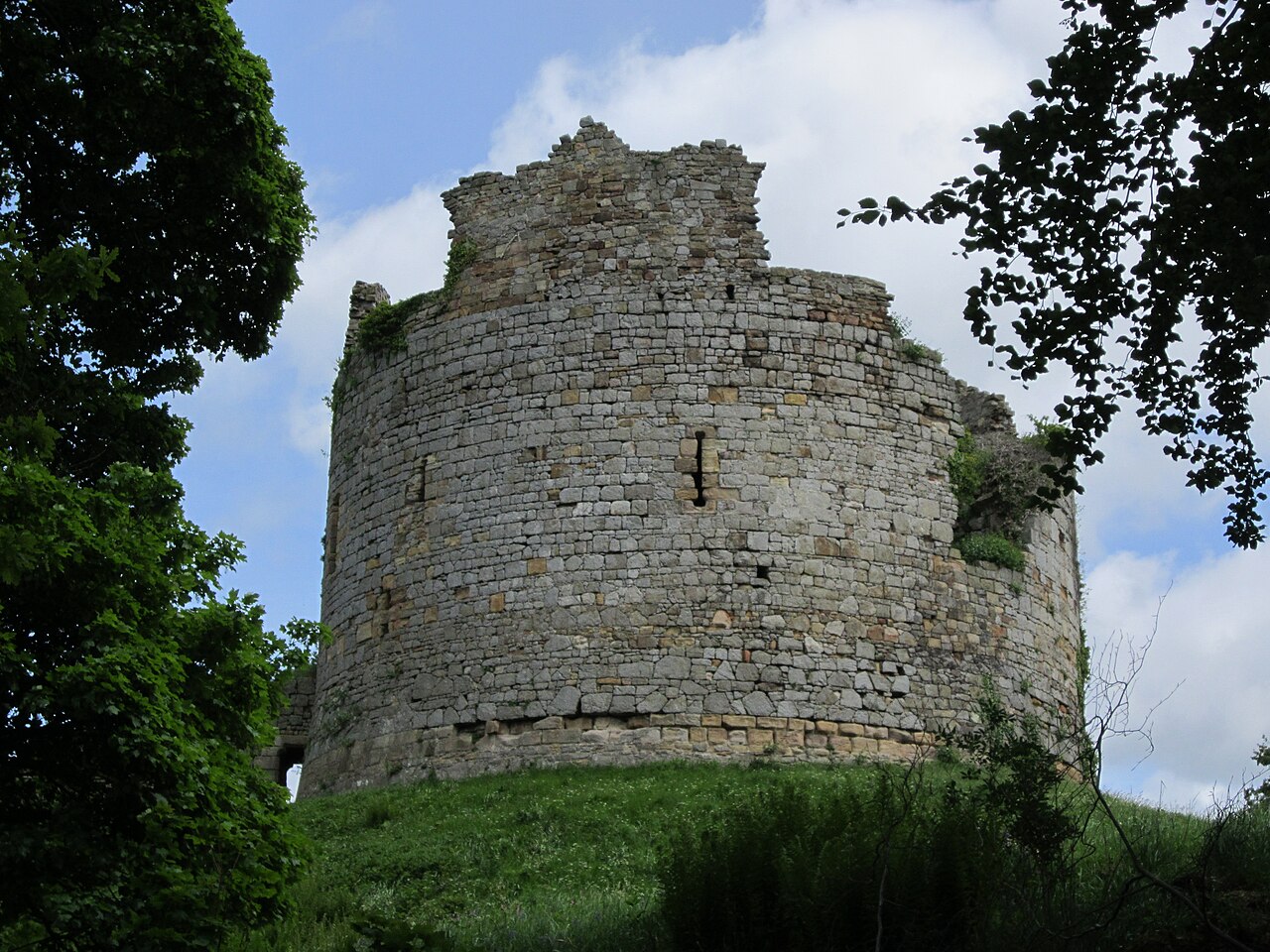
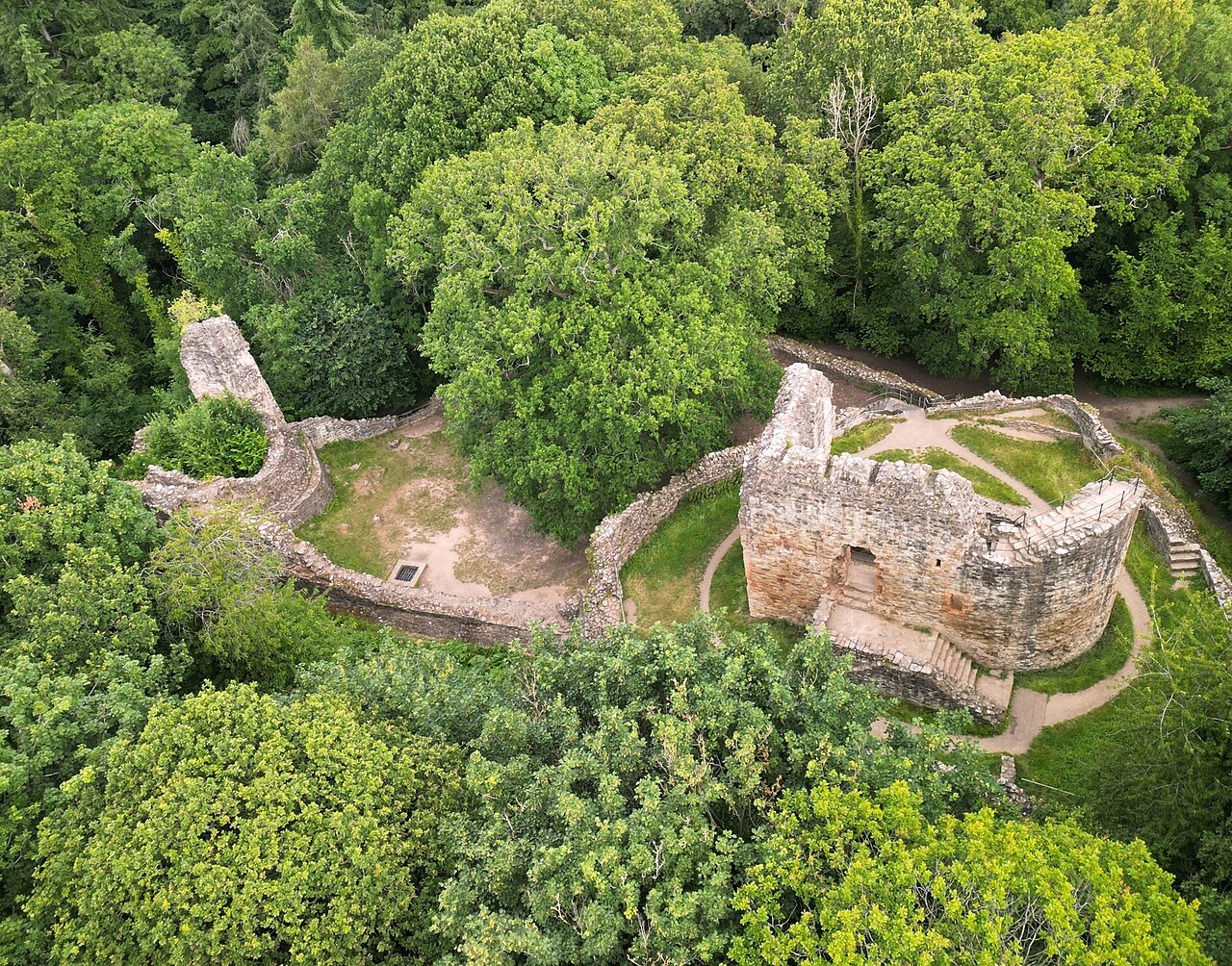
The castle is notable for its distinctive architectural features, including D-shaped towers and a large circular keep, constructed primarily from local gritstone. These elements illustrate the blend of Welsh and English military architectural styles during the High Medieval period. The surviving remains include parts of the inner curtain wall and two of the prominent towers, although much of the structure has been lost due to centuries of decay, fire damage, and stone removal.
Historical context and construction
Caergwrle Castle was built under the authority of Dafydd ap Gruffydd, who was granted the lordship of Hope by King Edward I of England as a reward for his initial cooperation during Edward's campaigns in Wales. Construction began in 1277, marking a period of relative alliance between Dafydd and Edward. The castle served as a defensive stronghold along the volatile English-Welsh border, a region frequently contested during the late 13th century.
However, relations between Dafydd and Edward deteriorated, culminating in Dafydd's revolt in 1282. During this conflict, Caergwrle Castle was a strategic military base for Dafydd’s forces. When English troops led by Reginald de Grey captured the castle in the summer of 1282, Dafydd intentionally damaged its defenses, including blocking the castle’s fresh water supply by obstructing the well, to deny its use to the enemy.
Following the castle's capture, Edward I ordered an extensive rebuilding project, which was overseen by the renowned master architect James of Saint George. This restoration, conducted between June and November 1282, involved hundreds of craftsmen and laborers, emphasizing the castle's strategic importance to the English crown. The castle was subsequently granted to Edward's queen, Eleanor of Castile, in early 1283, further highlighting its royal significance.
Architectural features and layout
The castle's layout is typical of a hill castle designed for defense and control of the surrounding territory. Its most distinctive features are the two D-shaped towers and the large circular keep, which were positioned to command the southeastern approach. The use of gritstone quarried locally from Caergwrle Hill provided strong and durable masonry.
Surviving sections of the castle include parts of the inner curtain wall and the northern and southeastern D-shaped towers. However, other sections such as the western curtain wall and much of the southern tower have been lost, likely due to quarrying activities in the 17th century when the hill was used for millstone production. The castle’s stonework exhibits two distinct craftsmanship styles: the exterior defenses and areas facing the local population feature finely finished stonework, while interior walls were plastered to conceal rougher masonry.
During the 1282 rebuilding, wooden structures were added within the castle grounds, including a chapel, a bakehouse, and administrative offices. Although the exact layouts of these buildings are unknown, their presence indicates that Caergwrle Castle functioned not only as a military fortress but also as a center of administration and community life.
Decline and later history
Despite its initial strategic importance, Caergwrle Castle suffered significant damage from fire in August 1283, shortly after the castle and its adjoining settlement were granted market rights. The fire occurred while Edward I and Eleanor of Castile were residing nearby, and it contributed to the abandonment of the planned English settlement at the castle's base.
The castle remained in royal hands, passing to Edward of Caernarfon (later Edward II) and later overseen by officials such as John of Cromwell. However, no major repairs were undertaken after the fire, and the castle gradually fell into disuse. Another devastating fire in 1335 sealed its fate as a residence or active fortress. Despite this decline, the castle retained some military relevance, evidenced during the Welsh uprising led by Owain Glyndŵr in the early 15th century.
Archaeological significance and modern preservation
Caergwrle Castle is recognized for its historical importance as the last fortress constructed by native Welsh rulers before the full English conquest. Archaeological excavations conducted between 1988 and 1990 have revealed much about the castle's interior structures, construction techniques, and phases of occupation. These investigations have helped clarify the castle’s role in the complex political and military history of medieval Wales.
The site is protected as a Grade I listed structure and is maintained by the Caergwrle Community Council. Visitors today can explore the ruins, which include partial stone walls and tower bases, offering a tangible connection to the turbulent history of the Welsh-English borderlands.
The caergwrle bowl and prehistoric context
The area around Caergwrle Castle has a history extending far beyond the medieval period. In 1823, the famous Caergwrle Bowl was discovered nearby. This Bronze Age artifact, crafted from shale, tin, and gold, underscores the long-standing cultural significance of the region. The bowl is an exquisite example of prehistoric metalwork and highlights the continuity of human occupation in the landscape surrounding the castle site.
Visiting caergwrle castle today
Visitors to Caergwrle Castle can experience the evocative ruins set against a dramatic hillside backdrop. The site offers panoramic views and insight into medieval Welsh architecture and history. While the castle is largely in ruins, the surviving masonry and layout provide a clear sense of its original defensive purpose and noble status.
The castle is accessible to the public and managed with care to preserve its remains. Informative signage and archaeological findings enhance the visitor experience, making Caergwrle Castle a valuable destination for those interested in Welsh heritage, medieval fortifications, and the complex history of the Welsh-English border.
Frequently asked questions (FAQ)
- What is the historical significance of Caergwrle Castle?
- Caergwrle Castle, built in the 13th century, is an important example of medieval military architecture in Wales. It played a strategic role during the conflicts between the Welsh and English, particularly during the reign of Edward I, and offers insights into the turbulent history of the region.
- When was Caergwrle Castle built?
- Caergwrle Castle was constructed around 1277 as part of Edward I's campaign to secure his control over Wales. The castle's ruins reflect its origins during a significant period of Welsh history, showcasing its military purpose and architectural style of the time.
- Is it possible to visit Caergwrle Castle?
- Yes, visitors can explore the ruins of Caergwrle Castle. While the site is largely in ruins, it remains accessible to the public, allowing guests to appreciate its historical context and scenic views of the surrounding landscape.
- What are the opening hours for Caergwrle Castle?
- Caergwrle Castle is generally open to visitors year-round, but it's advisable to check local listings for specific opening hours, as they may vary seasonally. It's best to plan your visit during daylight hours to fully enjoy the site.
- Can I take guided tours of Caergwrle Castle?
- Currently, there are no formal guided tours available at Caergwrle Castle; however, visitors are welcome to explore the site at their own pace. Informational signage is present to help guide your understanding of the castle's history and architecture.
- What nearby attractions can I visit while at Caergwrle Castle?
- While visiting Caergwrle Castle, you can also explore nearby attractions such as the scenic River Alyn or the historic town of Wrexham. Additionally, the beautiful countryside offers numerous walking trails for those looking to extend their visit in the area.
- Are there any ticket prices for entering Caergwrle Castle?
- Entry to Caergwrle Castle is free, making it an accessible destination for all visitors. This allows guests to enjoy the historical site without any financial burden, making it a great spot for families and history enthusiasts alike.
- What is the best time to visit Caergwrle Castle?
- The best time to visit Caergwrle Castle is during the spring and early autumn months when the weather is mild and the surrounding landscape is at its most picturesque. Visiting during these times also helps avoid the winter chill and allows for a more enjoyable experience exploring the ruins.
- How do I get to Caergwrle Castle?
- Caergwrle Castle is located in the village of Caergwrle, which is easily accessible by car and public transport. It is situated near major road networks, making it convenient for visitors traveling from nearby cities such as Wrexham and Chester.
Photo gallery

Information
Website
Visit websiteSources & official resources
Verify the information above using these authoritative references.
Loading map...
Visitor reviews
No reviews yet. Been here? Write the first review and help other travelers!
Write the first reviewVisited this castle? Share your experience
Your review helps other travelers and adds first-hand knowledge to our encyclopedia.