Cziráky Mansion in Lovasberény — Hungary castle

Cziráky Mansion in Lovasberény

Cziráky Mansion in Lovasberény
Lovasberény, Hungary
Post-Renaissance (17th–18th c.)
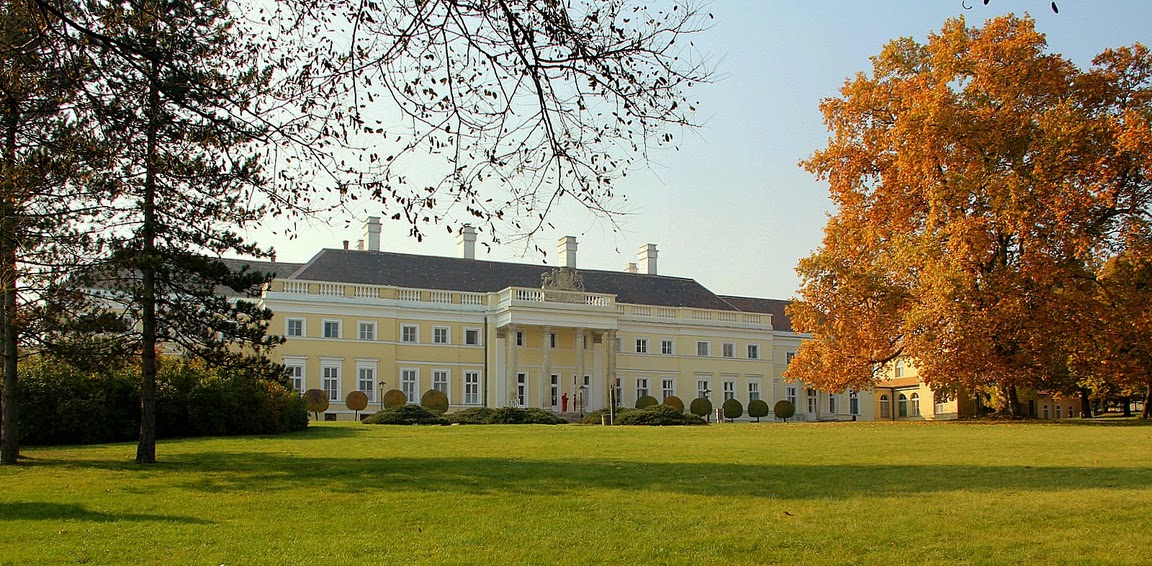
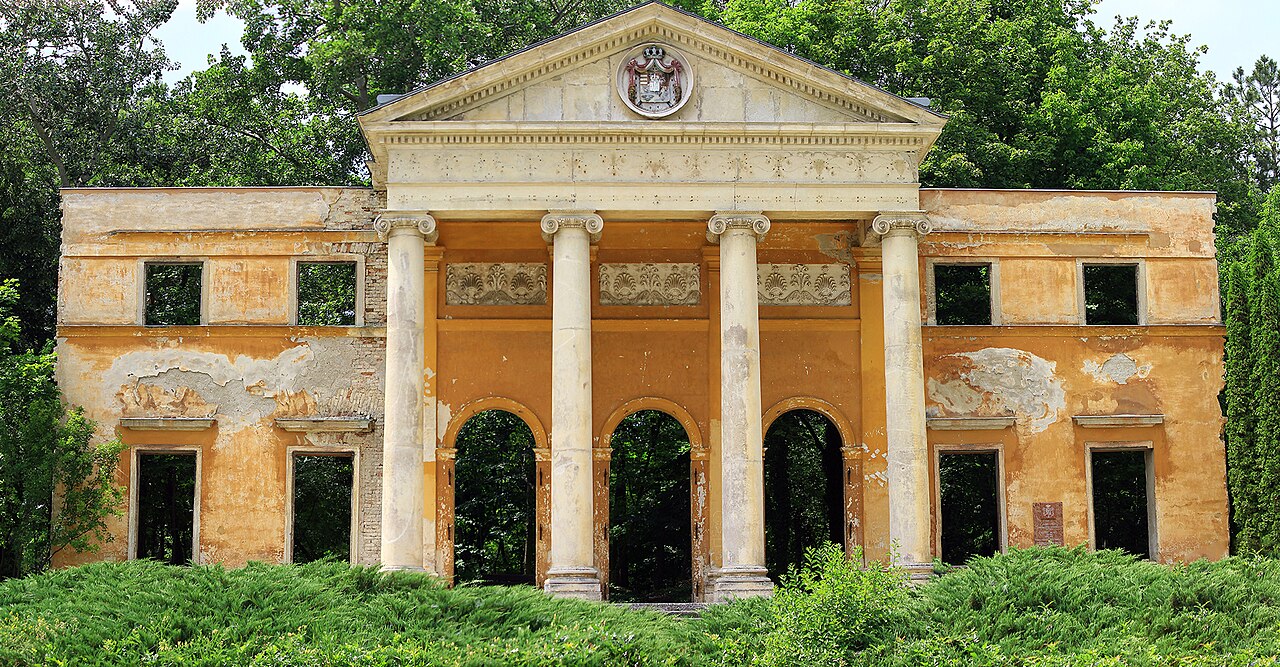
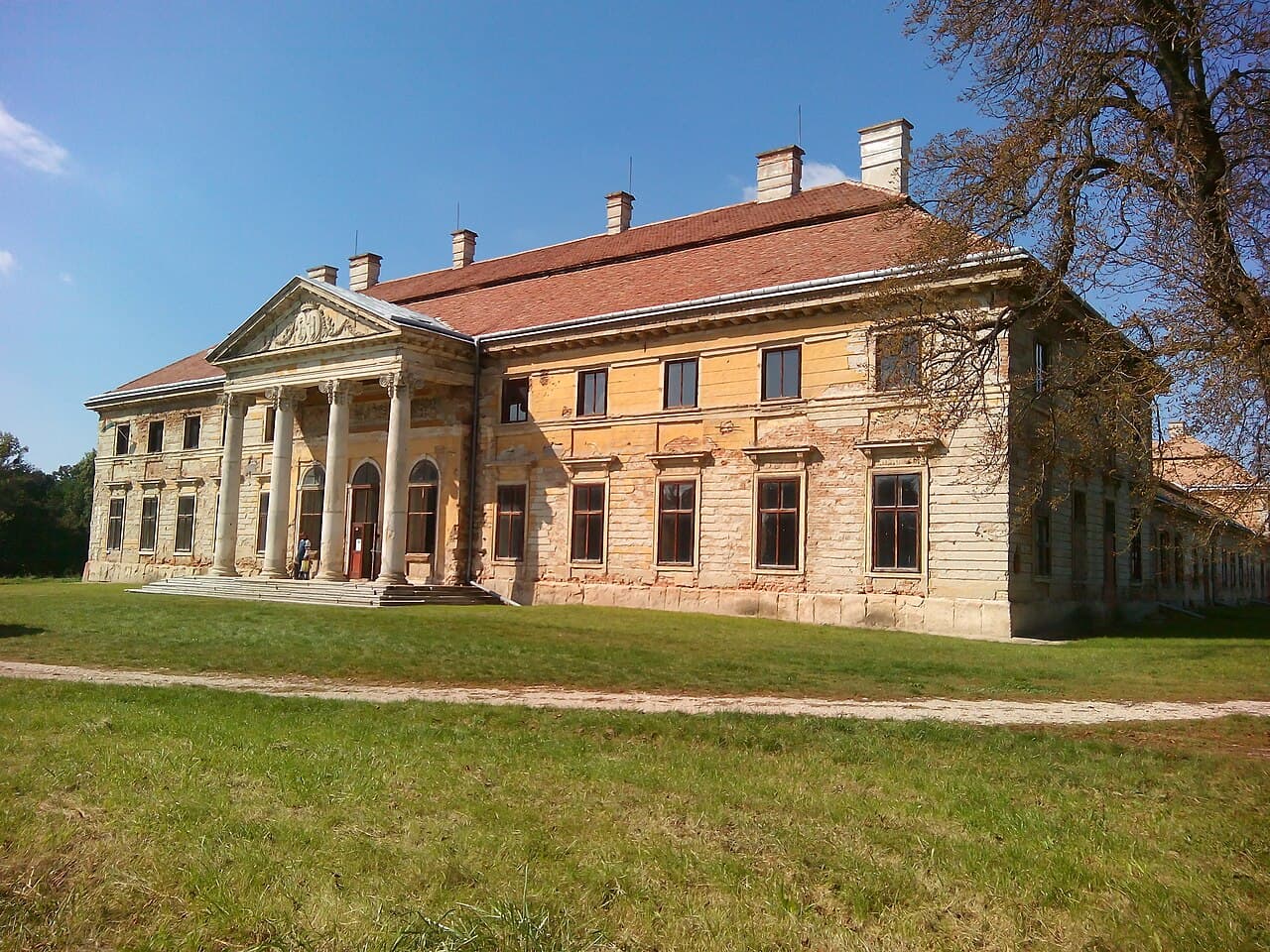
The Cziráky Mansion located in Lovasberény, Hungary, is a notable example of a hill castle that embodies the architectural and historical heritage of Hungarian nobility. While specific details of its construction date remain less documented, the mansion reflects the aristocratic lifestyle and architectural trends of the region, likely dating back to the 18th or 19th century. The estate served as a residence for the Cziráky family, a prominent noble family in Hungary, known for their influence and contributions to regional history.

Historical background and ownership

The Cziráky Mansion was the seat of the Cziráky family, whose roots trace back several centuries in Hungarian history. The mansion's establishment coincided with the family's rise in social and political significance. Throughout its history, the mansion witnessed various phases of ownership and use, reflecting the broader historical changes Hungary experienced, including shifts in aristocratic power and land ownership during the Austro-Hungarian Empire and beyond.

Architectural features and style

The mansion showcases architectural elements typical of noble residences in Hungary during the late Baroque and early Neoclassical periods. Its design likely includes a symmetrical facade, large windows, and decorative elements such as pilasters and cornices. The building is set on elevated terrain, consistent with its classification as a hill castle, providing strategic views of the surrounding landscape.

The estate probably features ancillary structures such as stables, gardens, and possibly a chapel, which were common in noble estates of the time. The mansion's layout would have been designed to accommodate both private family life and formal social functions.

Construction and materials

Typical construction materials for such mansions in Hungary included stone foundations, brick walls, and wooden structural elements. The roofs were often covered with tiles. Decorative plasterwork and stucco might adorn the interiors, reflecting the tastes and wealth of the owners.

Cultural and heritage significance

The Cziráky Mansion holds cultural importance as a representation of Hungarian aristocratic architecture and history. It contributes to the understanding of the social hierarchy and lifestyle of noble families in Hungary. The mansion, through its preservation, offers insights into regional architectural trends and historical narratives.

Current condition and accessibility

The current physical condition of the mansion is not widely documented, but many such estates in Hungary have undergone various states of preservation, restoration, or neglect. The Cziráky Mansion may be partially preserved or restored, depending on local conservation efforts.

Visitors interested in Hungarian noble architecture and history may find the mansion a valuable site, though specific visiting hours and access details are not broadly published. It is advisable to check with local heritage organizations or municipal offices in Lovasberény for the latest visitor information.

Frequently asked questions (FAQ)

What is the historical significance of Cziráky Mansion?
Cziráky Mansion is a notable example of 19th-century Hungarian architecture and reflects the style and grandeur of the period. The mansion has been a witness to various historical events and has served as a residence for the prominent Cziráky family, making it an essential part of the local heritage.
When was Cziráky Mansion built?
Cziráky Mansion was constructed in the mid-1800s, showcasing the architectural trends of that era. Its design incorporates elements of Romanticism, which was prevalent during its time of construction.
Can I visit Cziráky Mansion?
Yes, Cziráky Mansion is open to visitors who wish to explore its historical and architectural beauty. Guided tours are available, offering insights into the mansion's history and its former inhabitants.
What are the opening hours for Cziráky Mansion?
Cziráky Mansion is typically open to the public from Tuesday to Sunday, with specific hours that can vary by season. It is advisable to check the official website or contact the mansion directly for the most current visiting hours.
Is it possible to hold events at Cziráky Mansion?
Yes, Cziráky Mansion offers facilities for hosting various events, including weddings and corporate gatherings. Interested parties should inquire in advance to discuss availability and services provided.
What are the ticket prices for visiting Cziráky Mansion?
Admission prices for Cziráky Mansion are generally affordable, with discounts available for students and seniors. It's best to check the official website for the latest pricing information and any special offers.
When is the best time to visit Cziráky Mansion?
The ideal time to visit Cziráky Mansion is during the spring and early autumn months when the weather is pleasant for outdoor exploration. Additionally, special events and exhibitions may be held during these seasons, enriching the visitor experience.
Is Cziráky Mansion accessible for visitors with disabilities?
Cziráky Mansion strives to accommodate all visitors, including those with disabilities. Accessibility features may vary, so it's recommended to contact the mansion beforehand to ensure a comfortable visit.
What nearby attractions can I visit after Cziráky Mansion?
After visiting Cziráky Mansion, you can explore the picturesque village of Lovasberény, with its charming local architecture and serene landscapes. Additionally, the nearby Vértes Mountains offer opportunities for hiking and enjoying nature.

Photo gallery

Cziráky Mansion in Lovasberény
Click to view

Photo by Zemszo•CC BY-SA 4.0

1 photo • Click any image to view in full screen

Information

Hill Castle

Loading map...

Visitor reviews

No reviews yet. Been here? Write the first review and help other travelers!

Write the first review

Visited this castle? Share your experience

Your review helps other travelers and adds first-hand knowledge to our encyclopedia.
Write a review

(5/5)

0/2000 characters

Your review will be visible after admin approval

Nearby castles

10.9 km
Hauszmann–Gschwindt Mansion, Velence — Hungary castle

Hauszmann–Gschwindt Mansion, Velence

Velence, Hungary

The Hauszmann–Gschwindt mansion is a notable historic residence located in Velence, Hungary. While not a traditional medieval castle, it is classified as a hill castle due to its elevated position and defensive characteristics typical of such structures. This mansion embodies elements of Hungary's architectural and cultural heritage, reflecting the influences of the late 19th and early 20th centuries.Historical context and significanceThe mansion is associated with the prominent Hauszmann family, particularly Alajos Hauszmann, a distinguished Hungarian architect of the late 19th century. Hauszmann was renowned for his contributions to Hungarian architecture, including significant public buildings and noble residences. The Gschwindt family, also linked to the mansion, were notable patrons and figures in Hungarian society during that period.The mansion's construction and use reflect the social and cultural dynamics of Hungary in the Austro-Hungarian Empire era, when aristocratic families built grand residences that combined comfort with elements of fortification and prestige. The Hauszmann–Gschwindt mansion served both as a private residence and a symbol of status.Architectural features and styleThe mansion exhibits architectural characteristics typical of late 19th-century Hungarian noble residences, with influences from historicist styles that often incorporated elements of neo-Renaissance and neo-Baroque architecture. The building's design emphasizes symmetry, ornate detailing, and the use of traditional materials such as stone and brick.Key architectural features include a prominent main façade with decorative elements, a complex roofline with dormers and chimneys, and a layout that integrates formal gardens and terraces. The mansion's elevated position on a hill enhances its visibility and prominence in the local landscape, consistent with the characteristics of a hill castle.Interior and layoutInside, the mansion likely contains richly decorated rooms with period-appropriate furnishings, including grand halls, reception rooms, and private chambers. The interior design would reflect the tastes and social customs of the Hungarian aristocracy during the late 19th and early 20th centuries.Preservation and current statusThe Hauszmann–Gschwindt mansion remains an important architectural and cultural landmark in Velence. Although detailed information on its current condition is limited, such historic mansions often undergo preservation efforts to maintain their structural integrity and historical character.The mansion contributes to the understanding of Hungary's architectural evolution and the lifestyle of its nobility during a transformative period in the country's history.Visiting and accessibilityVisitors interested in Hungarian architecture and history may find the Hauszmann–Gschwindt mansion a point of interest, especially within the context of Velence's cultural heritage. Information on public access, guided tours, or visiting hours is not widely documented, suggesting that access may be limited or require prior arrangement.Velence itself is a popular destination known for its natural beauty and proximity to Lake Velence, offering additional attractions for visitors.

Post-Renaissance (17th–18th c.)
Details
11.4 km
Esterházy Mansion in Csákvár — Hungary castle

Esterházy Mansion in Csákvár

Csákvár, Hungary

The Esterházy Mansion in Csákvár is a notable example of aristocratic residence architecture located in Hungary. While often referred to as a mansion, its classification as a hill castle reflects its strategic placement on elevated terrain, a common feature for defensive purposes in historic Hungarian estates. Historical background and significance The mansion was built by the Esterházy family, one of Hungary's most influential noble families, whose prominence spanned several centuries. The family's wealth and status allowed them to construct numerous estates and castles across the region, with the Csákvár mansion serving as a key residence. The exact construction date is not precisely documented, but the mansion likely dates from the 18th century, a period when the Esterházys expanded their holdings and embraced architectural styles that reflected their status. Architectural features and style The Esterházy Mansion in Csákvár exhibits characteristics typical of aristocratic residences of its era, including a symmetrical façade, large windows, and ornate detailing. The architectural style blends elements of Baroque and early Classical influences, common in Hungarian noble estates of the time. The mansion's structure includes multiple wings arranged around a central courtyard, designed to provide both aesthetic appeal and functional living space. Distinctive architectural features include decorative cornices, pilasters, and a grand entrance that emphasizes the family's prestige. The building's elevated position on a hill enhances its visibility and prominence in the landscape, serving both symbolic and practical defensive roles. Surrounding grounds and estate The mansion is set within extensive grounds that historically included formal gardens, parkland, and auxiliary buildings such as stables and servant quarters. These grounds contributed to the estate's self-sufficiency and reflected the lifestyle of the Hungarian aristocracy. The landscaping typically followed the trends of the period, with geometric garden layouts and tree-lined avenues. Current condition and preservation Today, the Esterházy Mansion in Csákvár is partially preserved, retaining much of its original structure and architectural details. Efforts have been made to maintain the mansion's historical integrity, though some areas may require restoration to fully recover their former appearance. The mansion remains a significant cultural heritage site, representing the architectural and social history of Hungary's noble class. Visiting and cultural importance The mansion is accessible to visitors interested in Hungarian history and architecture, offering insights into the lifestyle of the Esterházy family and the broader aristocratic traditions of the region. The site occasionally hosts cultural events and exhibitions that highlight its historical context and architectural features. Its location in Csákvár places it within a region rich in history, where visitors can explore other historic sites and natural attractions, making it a valuable destination for cultural tourism.

Post-Renaissance (17th–18th c.)
Details
12.7 km
Habsburg Mansion, Alcsút — Hungary castle

Habsburg Mansion, Alcsút

, Hungary

Habsburg Mansion in Alcsút, also known as Alcsút Palace (Alcsúti kastély in Hungarian, Schloss Altschutt in German), was a significant 19th-century country estate belonging to the Hungarian branch of the House of Habsburg-Lorraine. Situated in the village of Alcsút in Hungary, this mansion served as a residence and symbol of aristocratic prestige during the Modern period. Historical context and ownership The estate was developed in the 19th century as part of the Habsburg family's expansion of their holdings in Hungary. The House of Habsburg-Lorraine was one of Europe's most influential dynasties, and their Hungarian branch maintained several estates across the region. The mansion at Alcsút functioned as a country retreat, reflecting the lifestyle of the Hungarian nobility closely tied to the imperial family. The mansion was closely associated with the Hungarian aristocracy and the Habsburg family's role in the Austro-Hungarian Empire. It was a center for social gatherings and rural estate management, illustrating the connection between aristocratic families and their landholdings in Hungary during the 19th century. Architectural features and estate layout The mansion was designed in a style typical of aristocratic country houses of the 19th century, although detailed architectural plans and descriptions are limited due to the current state of the ruins. The estate likely included formal gardens, outbuildings, and parklands, which were common features of noble residences of this period. While the mansion itself no longer stands intact, historical records indicate it was a substantial structure with multiple wings and decorative elements befitting a noble residence. The architecture would have combined functional estate management spaces with elegant living quarters, reflecting the dual role of such country houses. Current condition and preservation status Today, the Habsburg Mansion in Alcsút exists as ruins, classified as an archaeological site. The physical remains are limited, with much of the original structure lost to time, neglect, and historical events. The site provides valuable insights into the lifestyle and architectural preferences of the Hungarian nobility during the 19th century. Preservation efforts have been minimal, and the ruins serve primarily as a historical landmark rather than a restored tourist attraction. The site holds cultural significance as a reminder of the Habsburg presence in Hungary and the aristocratic estates that shaped the region's social and economic history. Significance in hungarian and european history The mansion represents the Hungarian branch of the Habsburg-Lorraine dynasty, which played a crucial role in Central European politics and culture. The estate at Alcsút was part of the broader network of Habsburg properties that symbolized imperial power and aristocratic privilege in the 19th century. Its ruins today are a testament to the shifting fortunes of noble families following the decline of the Austro-Hungarian Empire and the social transformations of the 20th century. The mansion's history offers a window into the complex relationship between Hungarian nobility and the Habsburg monarchy. Visiting information As an archaeological ruin, the site is accessible for visitors interested in history and architecture, though facilities and detailed visitor information may be limited. Visitors should prepare for a more exploratory experience rather than a fully developed tourist site.

Modern (19th–20th c.)
Details