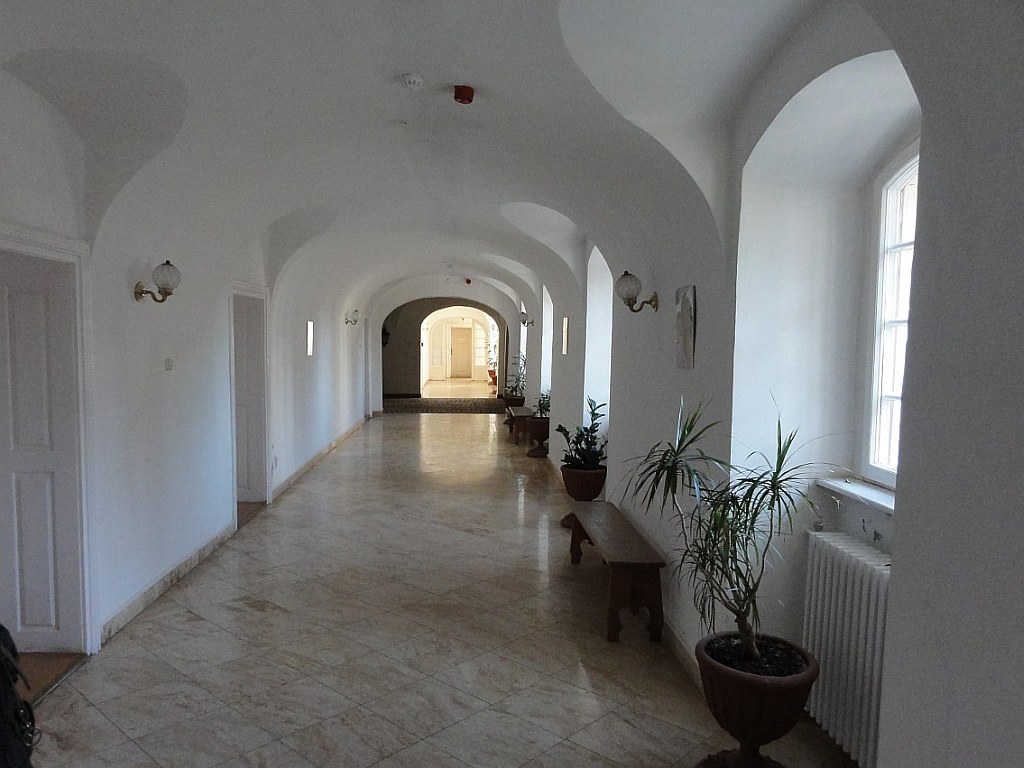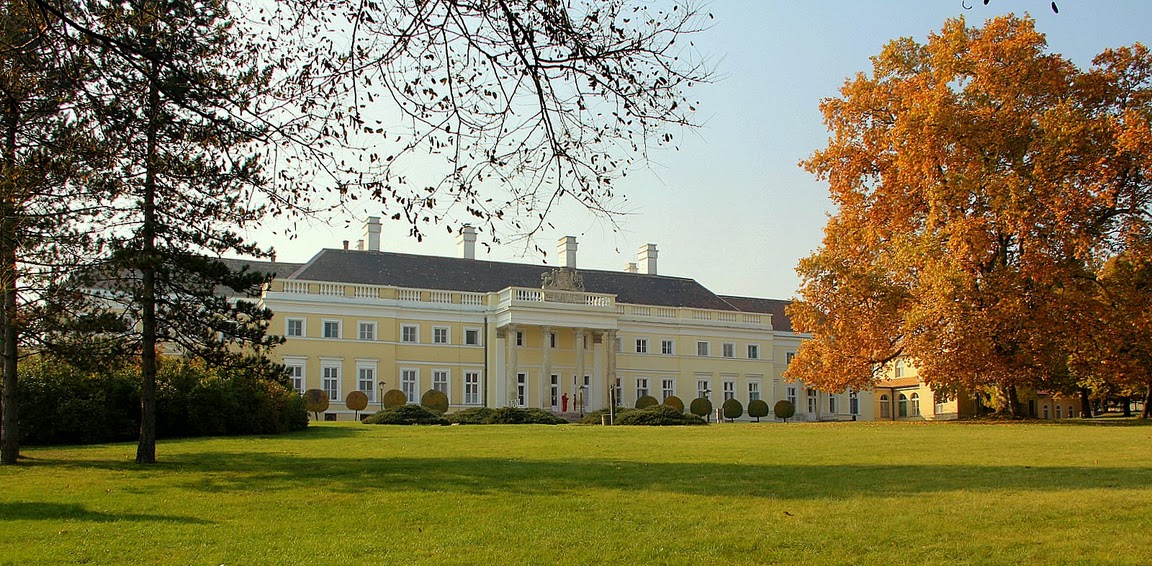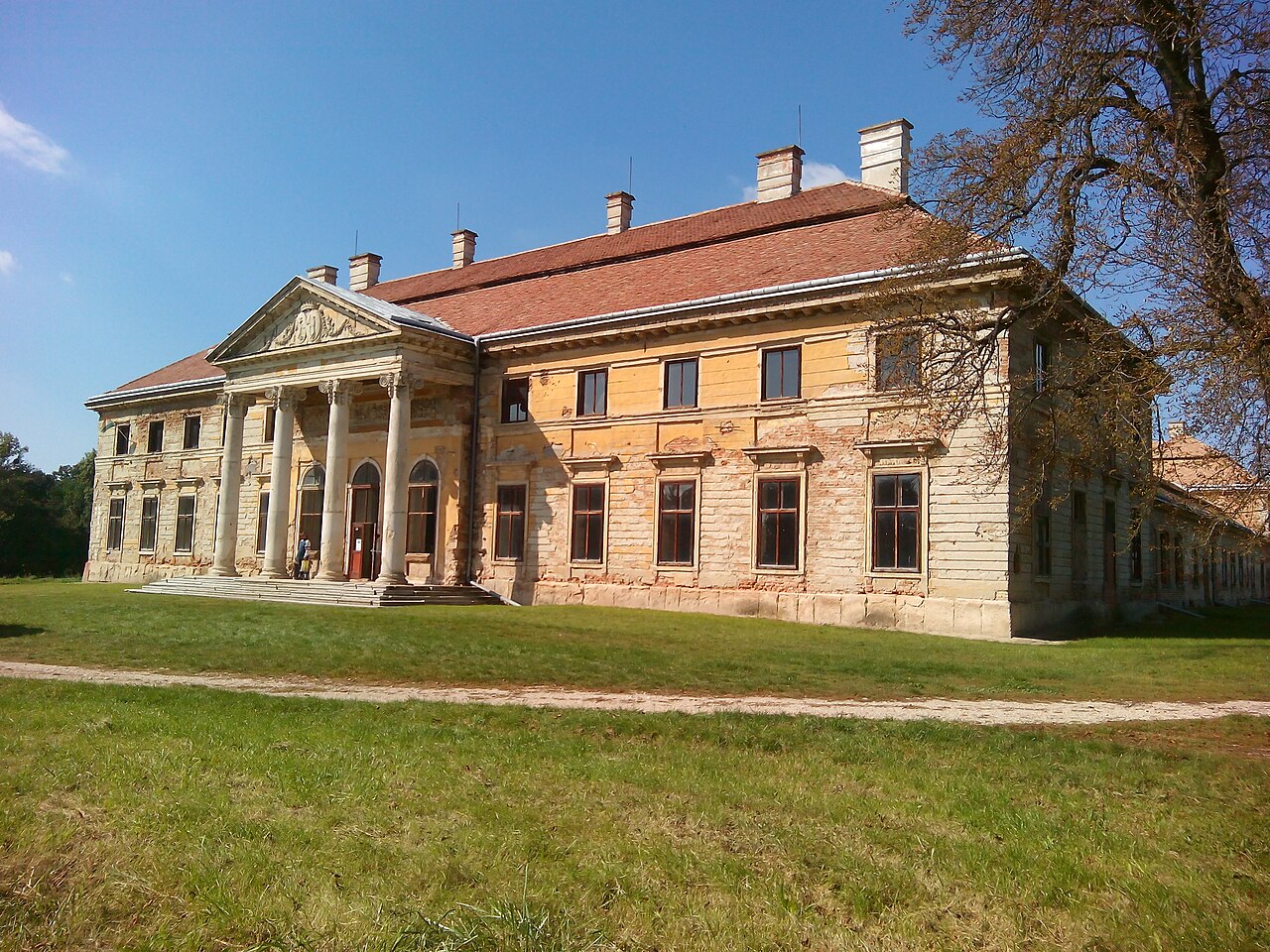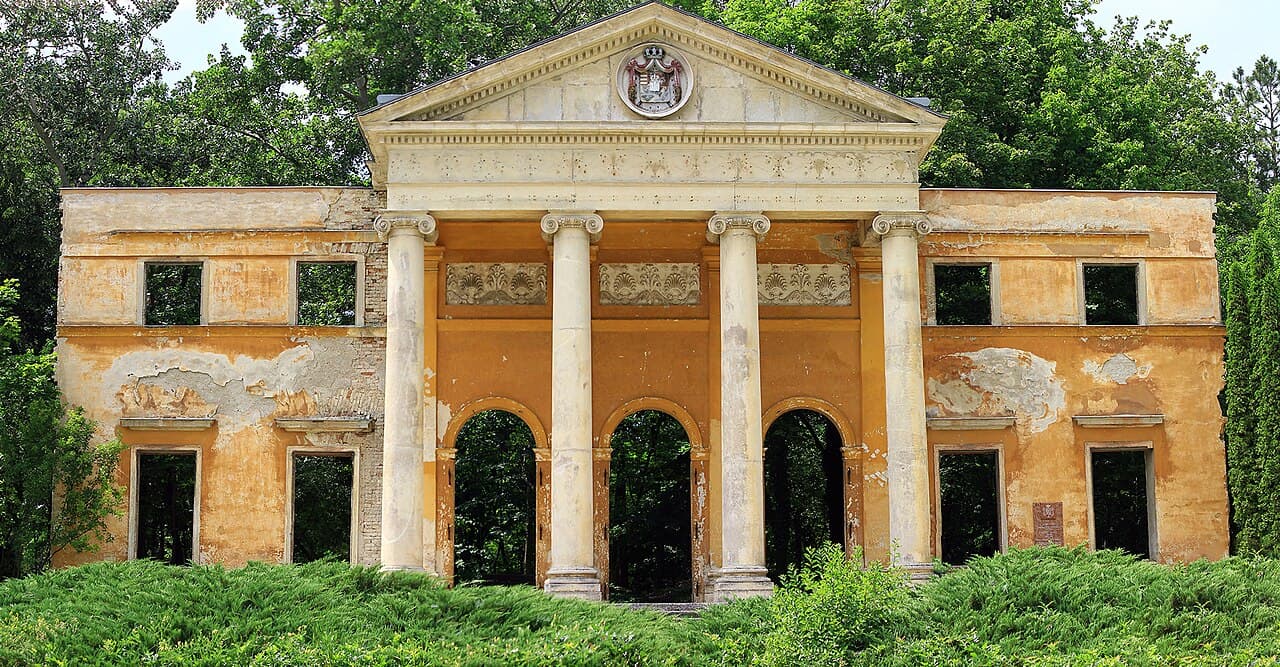
Habsburg Mansion in Alcsút, also known as Alcsút Palace (Alcsúti kastély in Hungarian, Schloss Altschutt in German), was a significant 19th-century country estate belonging to the Hungarian branch of the House of Habsburg-Lorraine. Situated in the village of Alcsút in Hungary, this mansion served as a residence and symbol of aristocratic prestige during the Modern period.
Historical context and ownership
The estate was developed in the 19th century as part of the Habsburg family's expansion of their holdings in Hungary. The House of Habsburg-Lorraine was one of Europe's most influential dynasties, and their Hungarian branch maintained several estates across the region. The mansion at Alcsút functioned as a country retreat, reflecting the lifestyle of the Hungarian nobility closely tied to the imperial family.
The mansion was closely associated with the Hungarian aristocracy and the Habsburg family's role in the Austro-Hungarian Empire. It was a center for social gatherings and rural estate management, illustrating the connection between aristocratic families and their landholdings in Hungary during the 19th century.
Architectural features and estate layout
The mansion was designed in a style typical of aristocratic country houses of the 19th century, although detailed architectural plans and descriptions are limited due to the current state of the ruins. The estate likely included formal gardens, outbuildings, and parklands, which were common features of noble residences of this period.
While the mansion itself no longer stands intact, historical records indicate it was a substantial structure with multiple wings and decorative elements befitting a noble residence. The architecture would have combined functional estate management spaces with elegant living quarters, reflecting the dual role of such country houses.
Current condition and preservation status
Today, the Habsburg Mansion in Alcsút exists as ruins, classified as an archaeological site. The physical remains are limited, with much of the original structure lost to time, neglect, and historical events. The site provides valuable insights into the lifestyle and architectural preferences of the Hungarian nobility during the 19th century.
Preservation efforts have been minimal, and the ruins serve primarily as a historical landmark rather than a restored tourist attraction. The site holds cultural significance as a reminder of the Habsburg presence in Hungary and the aristocratic estates that shaped the region's social and economic history.
Significance in hungarian and european history
The mansion represents the Hungarian branch of the Habsburg-Lorraine dynasty, which played a crucial role in Central European politics and culture. The estate at Alcsút was part of the broader network of Habsburg properties that symbolized imperial power and aristocratic privilege in the 19th century.
Its ruins today are a testament to the shifting fortunes of noble families following the decline of the Austro-Hungarian Empire and the social transformations of the 20th century. The mansion's history offers a window into the complex relationship between Hungarian nobility and the Habsburg monarchy.
Visiting information
As an archaeological ruin, the site is accessible for visitors interested in history and architecture, though facilities and detailed visitor information may be limited. Visitors should prepare for a more exploratory experience rather than a fully developed tourist site.
Frequently asked questions (FAQ)
- What is the historical significance of Habsburg Mansion?
- Habsburg Mansion is an important historical site in Hungary, reflecting the architectural styles and cultural heritage of the Habsburg dynasty. Built in the 19th century, it served as a summer residence for members of the royal family and played a role in various historical events.
- When was Habsburg Mansion constructed?
- Construction of Habsburg Mansion began in 1860 and was completed in 1863. The mansion was designed by renowned architect Miklós Ybl, who was known for his significant contributions to Hungarian architecture during the 19th century.
- What are the opening hours for Habsburg Mansion?
- Habsburg Mansion is typically open to visitors from 10 AM to 6 PM, Tuesday through Sunday. However, it's advisable to check the official website for any seasonal changes or special events that may affect these hours.
- Can I take photographs inside the mansion?
- Yes, photography is generally allowed inside Habsburg Mansion, but flash and tripods may be restricted to protect the artwork and artifacts. Always check for specific guidelines upon entry to ensure compliance with the rules.
- Is it possible to access Habsburg Mansion with a wheelchair?
- Yes, Habsburg Mansion is equipped with facilities to assist visitors with mobility challenges. Ramps and elevators have been installed to ensure that everyone can enjoy the beautiful architecture and exhibits.
- When is the best time to visit Habsburg Mansion?
- The best time to visit Habsburg Mansion is during the spring and early autumn when the weather is pleasant, and the surrounding gardens are in full bloom. These seasons also tend to have fewer tourists, allowing for a more enjoyable experience.
- What are the ticket prices for Habsburg Mansion?
- Ticket prices for Habsburg Mansion vary, with general admission typically costing around 1500 HUF for adults and reduced rates available for students and seniors. Family tickets and group discounts may also be offered, so it's worth checking in advance.
- What nearby attractions can I visit while in Alcsút?
- While visiting Habsburg Mansion, you can also explore the nearby Alcsút Arboretum, which features a beautiful collection of trees and plants. Additionally, the charming village of Alcsút offers local dining options and cultural experiences that enhance your visit.
Photo gallery

Information
Loading map...
Visitor reviews
No reviews yet. Been here? Write the first review and help other travelers!
Write the first reviewVisited this castle? Share your experience
Your review helps other travelers and adds first-hand knowledge to our encyclopedia.