Bory Castle
Bory Castle stands as a remarkable testament to the fusion of architecture and sculpture, located in Central Transdanubia, Hungary. This unique castle was the lifelong project of Jenő Bory (1879-1959), a renowned sculptor and architect, who devoted over 36 years to its construction. Built between 1923 and 1959, the castle reflects Bory's artistic vision and his deep love for his wife, the painter Ilona Komócsin (1885-1974). It is a rare example of a 20th-century castle constructed primarily from quartz concrete, a material that was innovative in architectural use at the time and employed extensively throughout the castle.
The genesis of bory castle
The site originally housed a simple wine cellar surrounded by vineyards and fruit trees. Jenő Bory purchased this plot in 1912, initially expanding the existing press house into a residence with a studio above it. The construction of the castle itself began after the First World War, financed by Bory’s growing income from sculptural commissions. The castle was built gradually over four decades, with Bory personally undertaking most of the work, often alone or with minimal assistance.
Bory’s approach was unconventional; despite his architectural training, he rarely used formal engineering plans. Instead, the castle’s design evolved organically, shaped by his artistic imagination and the natural contours of the terrain. This method resulted in a structure that is as much a monumental sculpture as it is a functional castle, with walls, towers, and interior spaces all reflecting his creative vision.
Architectural features and materials
Bory Castle is distinguished by its extensive use of concrete, particularly a type known as quartz concrete. This material was cutting-edge in the early 20th century and allowed Bory to create intricate details and diverse architectural elements. The castle features door and window frames, columns, domes, railings, and stairs all crafted from concrete, as well as garden features like fountains and pools.
The castle’s layout includes a variety of spaces such as studios, living quarters, exhibition halls, and courtyards. One of the most notable areas is the Hundred Column Courtyard, an arcade adorned with plaster sculptures originally created by Bory. These sculptures have been replicated in bronze and marble and are found in various locations across Hungary. The castle also houses a chapel featuring a statue symbolizing marital love, reinforcing the personal significance of the structure.
Historical and cultural significance
Beyond its architectural uniqueness, Bory Castle serves as a cultural hub. It was home not only to Bory and his wife but also to contemporary artists of their time. The castle contains a permanent collection of artworks by prominent Hungarian artists such as János Fadrusz, Aladár Körösfői-Kriesch, István Csók, and Vilmos Aba-Novák. This makes the castle an important repository of early 20th-century Hungarian art and a living museum of the artistic community that surrounded Bory.
After World War II, Bory continued to work on the castle, restoring and refining its details until his death in 1959. Today, the castle remains in the hands of Bory’s descendants and is maintained by a foundation dedicated to preserving this unique monument.
Visitor experience and legacy
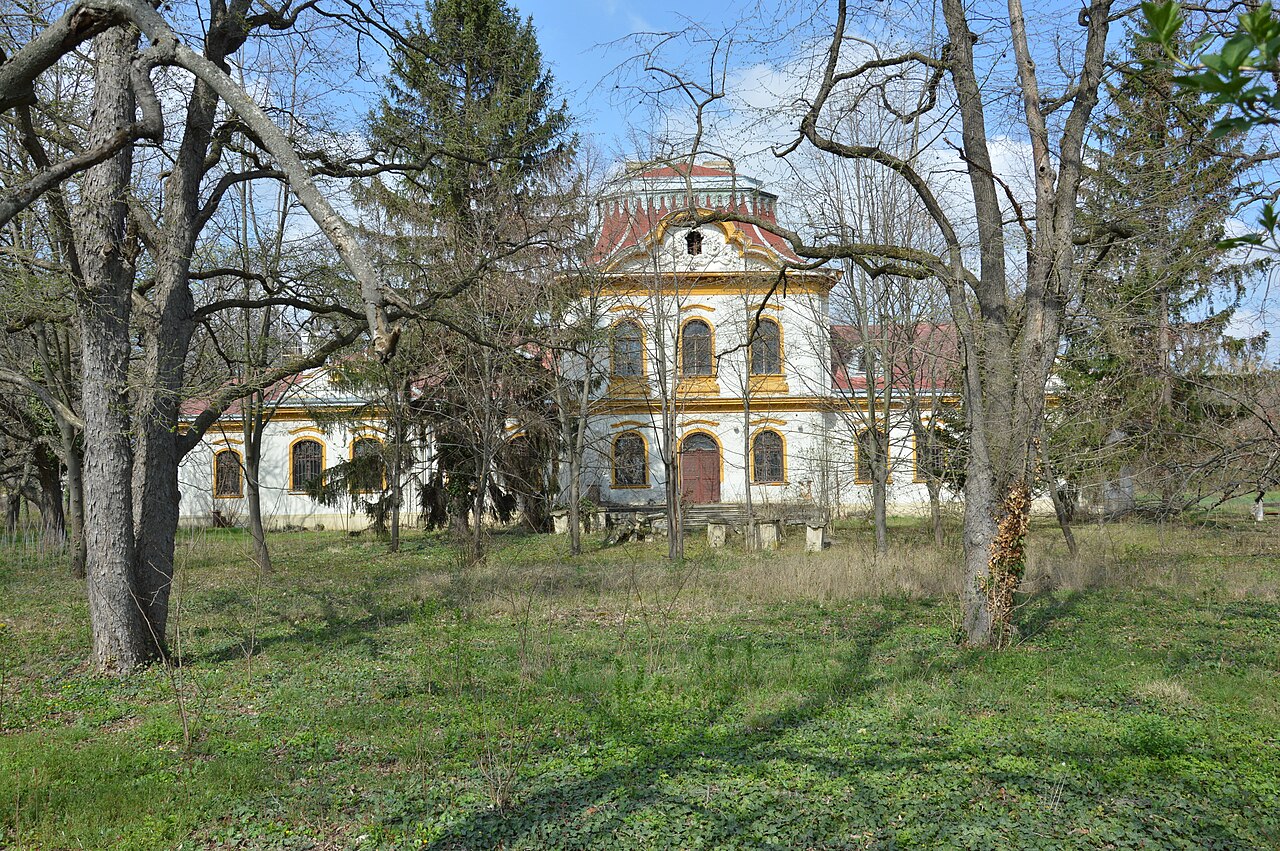
Visitors to Bory Castle can explore its labyrinthine structure, appreciating the seamless integration of architectural form and sculptural art. The castle’s concrete surfaces, detailed sculptures, and varied spaces offer a rich sensory experience that highlights Bory’s dual talents. The castle’s setting on an artificial hill amidst vineyards adds to its romantic and historic atmosphere.
The castle also functions as an art gallery, showcasing both the works of Bory and his wife, as well as pieces by other notable Hungarian artists. The blend of personal history, artistic achievement, and innovative construction techniques makes Bory Castle a singular landmark in Hungarian cultural heritage.
Architectural style and classification
Though often described as a castle, Bory Castle does not adhere to traditional medieval castle typologies. It is best classified as a palace castle due to its eclectic historicist style and residential function. Its construction period places it firmly in the modern era, with a style that reflects the historicist architectural movement prevalent in the early 20th century, characterized by a romantic reinterpretation of medieval forms combined with modern materials.
Importance of concrete in early 20th-century architecture
Bory was one of the first architects in Hungary to embrace concrete as a primary building material. This choice was revolutionary, allowing for creative freedom in sculptural detail and structural innovation. The use of quartz concrete throughout the castle demonstrates Bory’s pioneering spirit and contributes to the castle’s durability and distinctive aesthetic.
Frequently asked questions (FAQ)
- How do I visit Bory Castle?
- Bory Castle is open to visitors, typically during regular museum hours. It is advisable to check the official website or contact the managing foundation for current opening times and guided tour availability.
- What makes Bory Castle architecturally unique?
- Bory Castle is unique for its extensive use of quartz concrete, a pioneering material in early 20th-century architecture, and its design as a sculptural work of art created largely by one man, Jenő Bory.
- When was Bory Castle built?
- Construction of Bory Castle began in 1923 and continued until 1959, spanning over three decades of continuous artistic and architectural development by Jenő Bory.
- Can I see artworks inside Bory Castle?
- Yes, the castle houses a permanent collection of artworks by Jenő Bory, his wife Ilona Komócsin, and other notable Hungarian artists such as János Fadrusz and Vilmos Aba-Novák.
- Why is Bory Castle important culturally?
- Bory Castle is culturally significant as both an architectural innovation and an art museum preserving early 20th-century Hungarian artistic heritage, reflecting the personal and artistic legacy of Jenő Bory and his contemporaries.
Information
Architect
Jenő Bory
Current owner
Descendants of Jenő Bory and their foundation
Website
Visit websiteSources & official resources
Verify the information above using these authoritative references.
Loading map...
Visitor reviews
No reviews yet. Been here? Write the first review and help other travelers!
Write the first reviewVisited this castle? Share your experience
Your review helps other travelers and adds first-hand knowledge to our encyclopedia.