Hartlebury Castle
Hartlebury Castle stands as a remarkable example of a fortified manor house with deep roots in English medieval history. Located in the village of Hartlebury, Worcestershire, this castle served as the primary residence of the Bishops of Worcester for centuries, blending ecclesiastical authority with military functionality. Its origins date back to land granted in the early 9th century by King Burgred of Mercia to the Bishop of Worcester, establishing a foundation for a site that would evolve significantly over the medieval and post-medieval periods.
The castle's development reflects the architectural and historical shifts from a medieval fortified manor to a residence with both defensive and ceremonial roles. The earliest substantial construction took place in the mid-13th century under Bishop Walter de Cantilupe, who enhanced the manor with defensive battlements and arrow slits for archers, features that were completed by his successor, Godfrey Giffard, by 1268. These fortifications underscore the castle's dual purpose as a bishop's residence and a stronghold capable of withstanding military threats.
Architectural evolution and medieval fortifications
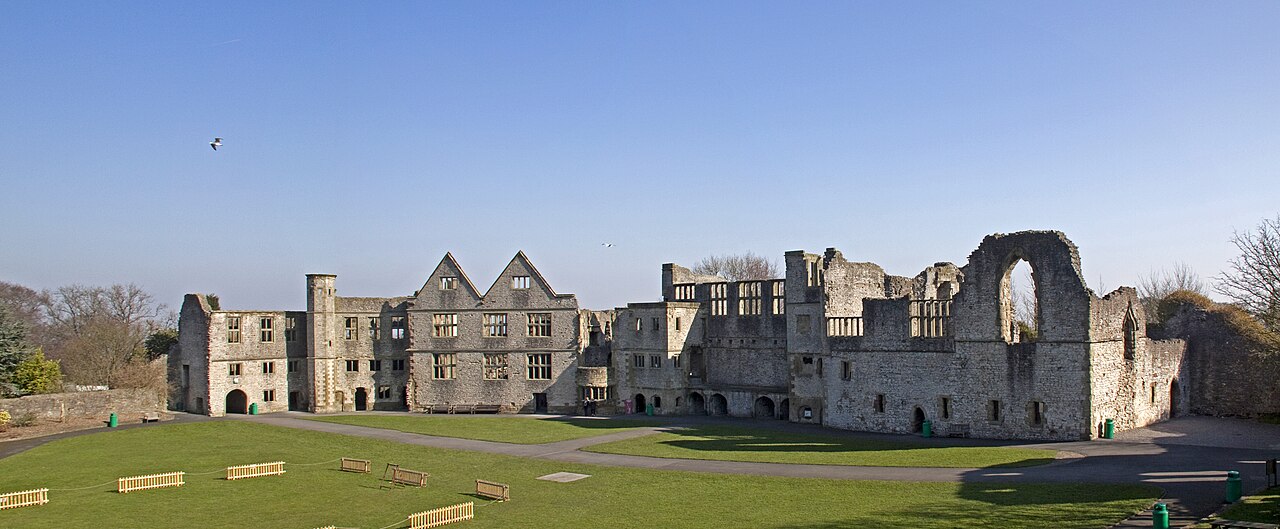
Hartlebury Castle's architectural character is defined by its fortified manor house design, typical of the English medieval period. The castle's layout incorporates thick stone walls and battlements, which provided protection and symbolized the bishop's temporal power. The 15th-century gatehouse, commissioned during the reign of Henry VI by Bishop Carpenter, stands as a prominent defensive and ceremonial entrance. This gatehouse not only controlled access but also enhanced the castle's imposing presence.
Throughout the medieval period, the castle's fortifications were adapted to meet evolving military needs. The addition of arrow slits allowed defenders to use longbows effectively, a common feature in English castles of the time. The castle's position on slightly elevated ground, approximately 40 meters above sea level, provided strategic advantages for surveillance and defense, although it is classified as a hill castle more by its historical function than dramatic elevation.
Civil war significance and later slighting
During the First English Civil War (1642–1651), Hartlebury Castle assumed a critical military role. In 1646, it was fortified to defend the interests of King Charles I. Under the command of Captain Sandys and Lord Windsor, the castle housed about 120 infantry and 20 cavalry, prepared to endure a siege lasting up to a year. However, after only two days, the castle surrendered peacefully to Parliamentarian forces led by Colonel Thomas Morgan.
Following its surrender, the castle was deliberately damaged in a process known as slighting to prevent its further military use. This act reflected the broader strategic efforts during the Civil War to neutralize strongholds that could be used against Parliament. After the Restoration of the monarchy in 1660, the castle returned to the bishops' ownership, transitioning back to a primarily residential and administrative role.
Cultural heritage and literary connections
Hartlebury Castle is not only significant for its military and ecclesiastical history but also for its cultural heritage. In 1582, it was the site where Bishop John Whitgift authorized the marriage of the renowned playwright William Shakespeare, linking the castle to one of England's greatest literary figures.
In 1782, Bishop Richard Hurd established the Hurd Library within the castle, housing his extensive collection of books and manuscripts. This library includes works by the poet Alexander Pope and critic William Warburton, as well as a copy of the Iliad used by Pope for his celebrated English translation. The preservation of this library offers valuable insight into 18th-century literary scholarship and clerical culture.
Landscape and estate development
The castle grounds have evolved from their original defensive purpose to reflect changing tastes and functions. Bishop Stillingfleet planted an avenue of lime trees, enhancing the estate's aesthetic appeal. Later, Bishop Pepys gifted a herd of deer to Queen Victoria, underscoring the estate's ceremonial and pastoral roles.
By the late 19th century, some of the castle's moats were filled in and transformed into flower gardens, marking a transition from fortification to ornamental landscaping. These changes illustrate the broader shift in castle use from military stronghold to stately residence and cultural landmark.
Modern uses and preservation efforts
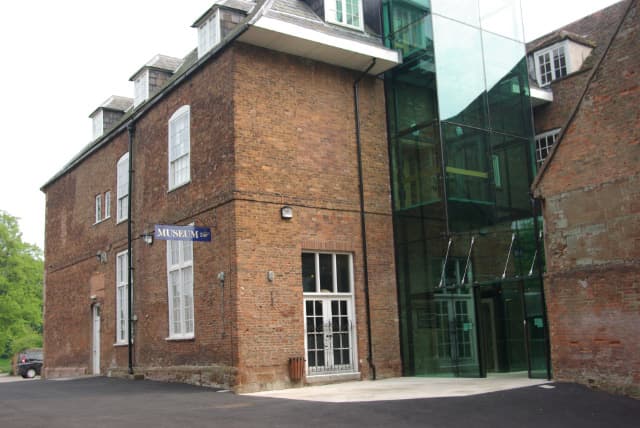
During the First World War, Hartlebury Castle served as a hospital operated by the Red Cross Voluntary Aid Detachment, contributing to wartime medical care. In the mid-20th century, the castle took on a public role when Worcestershire County Council acquired the north wing in 1964, opening it as the Worcestershire County Museum in 1966. This museum features extensive collections of local artifacts, including period rooms representing Victorian, Georgian, and Civil War eras, as well as displays of toys, costumes, archaeological finds, and transport history.
The castle's former servants' quarters now house this museum, which also includes exhibits on local crafts, geology, and natural history. Outdoor features such as a sunken garden, orchard terrace, wooden boardwalk, and carriage circle preserve the estate's historical and horticultural character.
The residential use of the castle by the bishops ended in 2008, when the episcopal residence moved closer to Worcester Cathedral. Subsequently, the Hartlebury Castle Preservation Trust was established to protect and maintain the site. Supported by the Heritage Lottery Fund, the Trust purchased the castle in 2015 and completed significant renovations by 2018. These efforts have enabled educational access, including interactive exhibits and nature trails, ensuring the castle's heritage is accessible to the public.
Recent conservation efforts have continued despite challenges such as the COVID-19 pandemic, demonstrating the ongoing commitment to preserving Hartlebury Castle as a vital historical and cultural landmark.
Archaeological discoveries and significance
In 2022, aerial photography revealed cropmarks indicating the presence of a bastion ditch, a defensive earthwork dating from the 17th century, associated with the castle's Civil War fortifications. Excavations in 2023 uncovered this ditch to a depth of 3.4 meters, along with artifacts including a coin from the reign of James I and lead pistol shot. These findings provide tangible evidence of the castle's strategic military preparations during a turbulent period in English history.
Architectural features and layout
The castle's design reflects its dual function as a fortified residence and a symbol of ecclesiastical power. The stone gatehouse remains a key architectural feature, serving as both a defensive barrier and a formal entrance. Inside, the castle contains thick walls and battlements typical of medieval fortifications, with arrow slits designed for archers to defend the site effectively.
The Hurd Library is a significant interior space, preserved as a testament to the castle's cultural and intellectual heritage. The surrounding grounds, including lime tree avenues and ornamental gardens, complement the castle's architectural presence, blending natural beauty with historical significance.
Frequently asked questions (FAQ)
- How do I get to Hartlebury Castle?
- Hartlebury Castle is located just a few miles south of Kidderminster in Worcestershire, England. You can reach it by car via the A449 or by public transport with local bus services connecting to the nearby train stations.
- What is the historical significance of Hartlebury Castle?
- Hartlebury Castle has a rich history dating back to the 13th century, serving as the residence of the Bishops of Worcester for over 800 years. Its historical significance is marked by its architecture and the role it played in the ecclesiastical and political life of the region.
- When was Hartlebury Castle built?
- The original structures of Hartlebury Castle were constructed in the early 13th century, with significant renovations and expansions occurring throughout the centuries. The castle reflects various architectural styles, showcasing its evolution over time.
- Can I visit Hartlebury Castle year-round?
- Yes, Hartlebury Castle is open to visitors throughout the year, although specific attractions within the castle may have seasonal hours. It's a good idea to check the official website for the latest information on opening times and any special events.
- Why is Hartlebury Castle considered an architectural gem?
- Hartlebury Castle is considered an architectural gem due to its stunning blend of medieval and Georgian styles, including its impressive façade and beautifully landscaped gardens. The interiors also feature fascinating collections and exhibits that highlight its historical importance.
- Is it possible to access Hartlebury Castle with a wheelchair?
- Hartlebury Castle is committed to ensuring accessibility for all visitors. There are wheelchair-accessible routes throughout the castle grounds, and staff are available to assist with any specific needs during your visit.
- What are the opening hours for Hartlebury Castle?
- Hartlebury Castle typically opens at 10 AM and closes at 5 PM, but hours may vary on weekends and holidays. It's advisable to check the castle's official website for the most current opening times before your visit.
- What are the ticket prices for visiting Hartlebury Castle?
- Ticket prices for Hartlebury Castle vary based on age and group size, with discounts available for children and families. Visitors can check the official website for the latest pricing information and any special offers.
- What nearby attractions can I visit while at Hartlebury Castle?
- While visiting Hartlebury Castle, you can explore nearby attractions such as the historic town of Kidderminster, the scenic Worcestershire countryside, and the Severn Valley Railway. These sites offer a delightful mix of history and natural beauty to enhance your visit.
Photo gallery

Information
Website
Visit websiteSources & official resources
Verify the information above using these authoritative references.
Loading map...
Visitor reviews
No reviews yet. Been here? Write the first review and help other travelers!
Write the first reviewVisited this castle? Share your experience
Your review helps other travelers and adds first-hand knowledge to our encyclopedia.