Harewood Castle
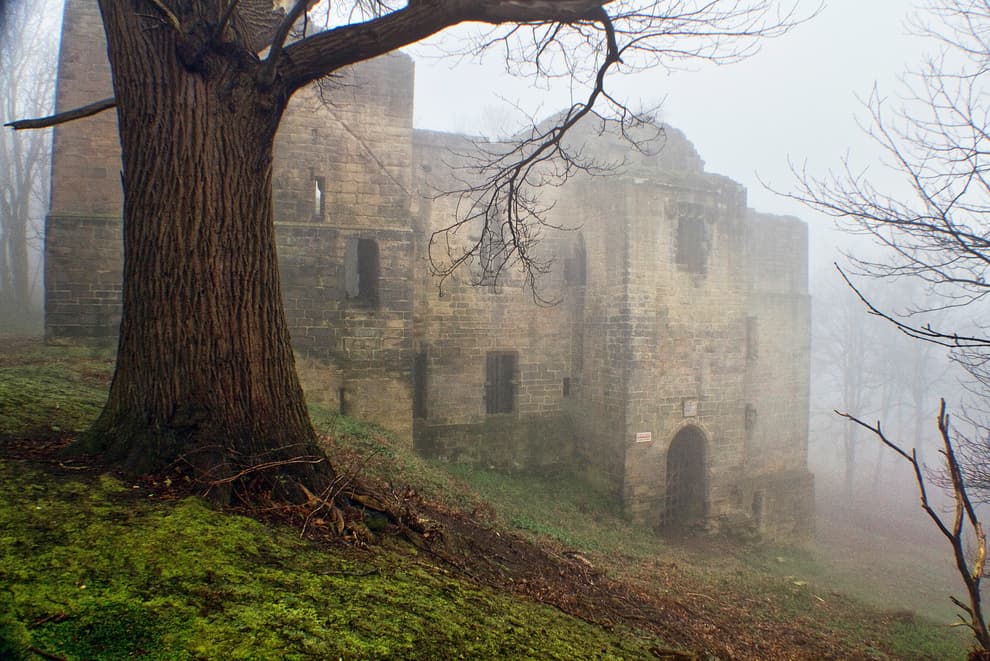
Harewood Castle, located near Leeds in the United Kingdom, stands as a remarkable example of a medieval fortified hall house from the 14th century. Established originally by the Norman De Lisle family in the 12th century, the castle evolved over centuries to reflect the changing needs of English nobility, combining defensive fortifications with domestic comfort.
Historical development and ownership
The origins of Harewood Castle trace back to the 12th century when the Norman De Lisle family established a stronghold on a prominent hill overlooking the surrounding landscape. This period was marked by feudal consolidation in England, and the castle served as both a symbol of lordly power and a defensive bastion.
In the mid-14th century, the castle passed through marriage to Sir William de Aldeburgh, who married Elizabeth de Lisle, the heiress. In 1366, Sir William received a licence to crenellate from the crown, permitting the fortification of the castle with battlements. This royal permission was significant, as it allowed the transformation of the residence into a more formidable fortress, reflecting the turbulent political climate of the time.
Ownership later transferred through inheritance and marriage to the Ryther and Redmayne families. By 1574, James Ryther and William Plompton had consolidated control by purchasing interests from the Redman family. However, by 1600, financial difficulties forced the sale of Harewood Castle to Sir William Wentworth. The castle's role as a noble residence diminished thereafter, and by the mid-17th century, it was largely abandoned and offered for sale primarily for its building materials.
Subsequent owners included Sir John Cutler and later the Boulter family through Elizabeth, Countess of Radnor. The estate was eventually acquired by Henry Lascelles in the 18th century. His son, Edwin Lascelles, 1st Baron Harewood, commissioned the nearby construction of Harewood House, a grand country mansion that signaled a shift from medieval fortifications to elegant aristocratic living.
Despite its decline into ruin, Harewood Castle remained a cultural landmark. It was famously depicted by the artist J. M. W. Turner in 1797, capturing its romantic decay and historical significance. By the late 20th century, the castle's deteriorating condition led to its inclusion on the Buildings at Risk Register.
Beginning around 2000, a major restoration project, supported by English Heritage and the Harewood Estate, aimed to conserve and stabilize the structure. This careful work involved architectural experts and historians, ensuring the preservation of the castle's fabric and historical integrity. By 2008, the restoration was nearly complete, and Harewood Castle was removed from the risk register, securing its future as a protected heritage site.
Architectural features and layout
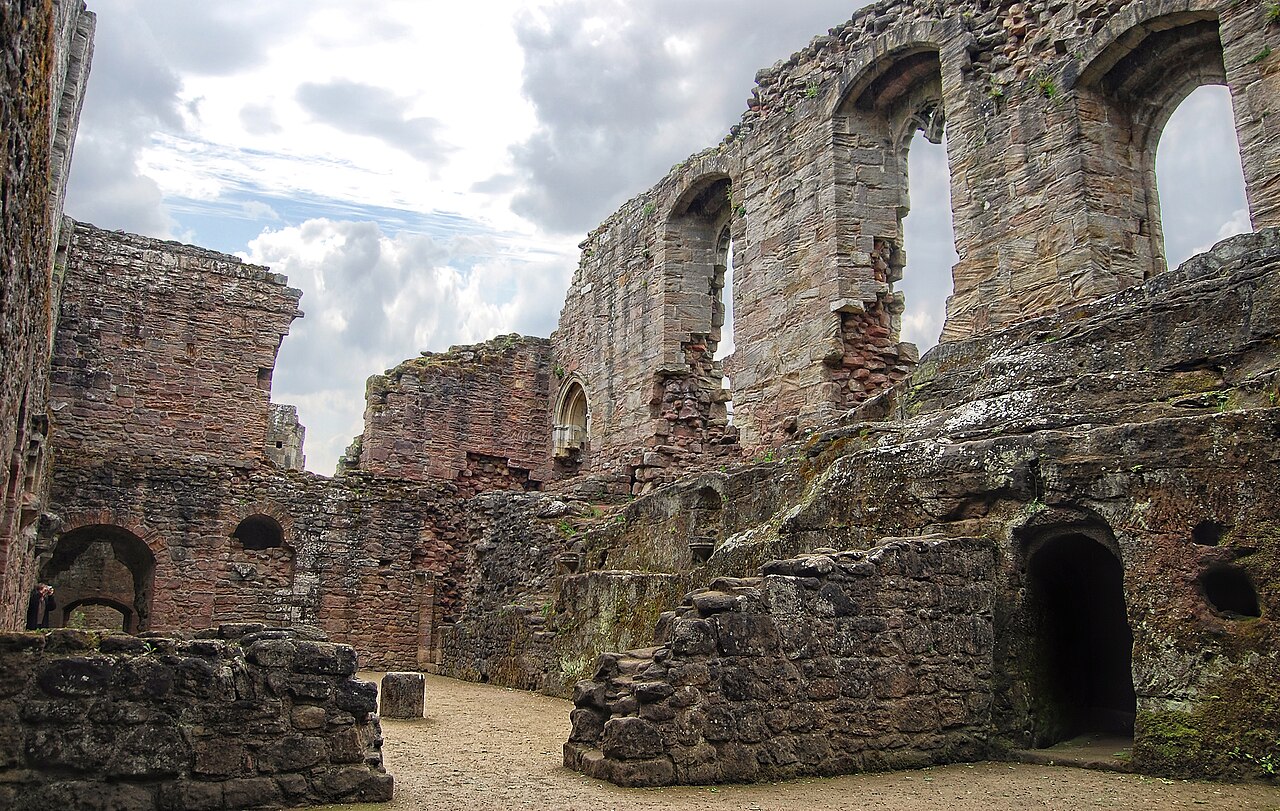
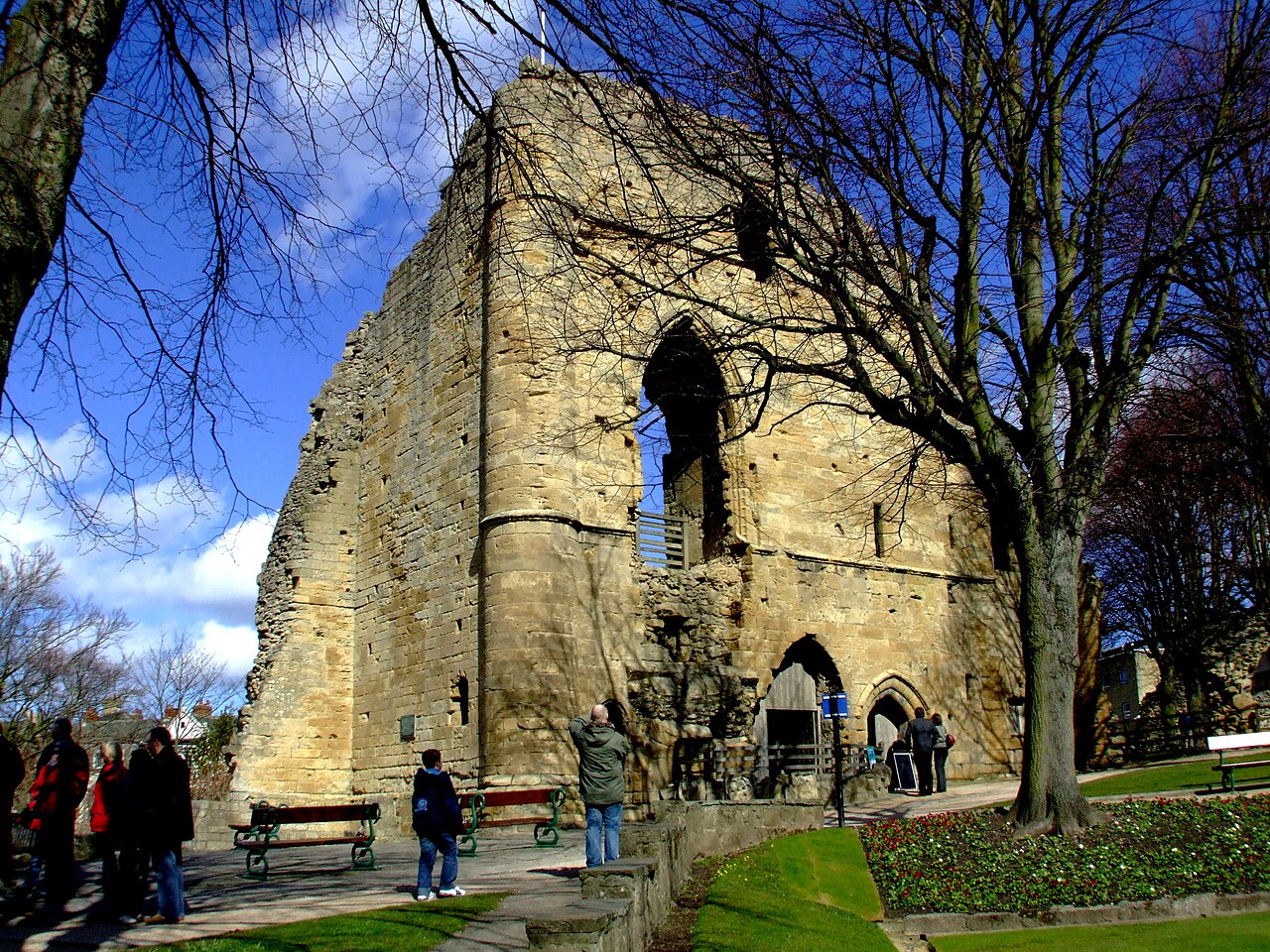
Harewood Castle is arranged as a rectangular stone fortress characteristic of 14th-century hall houses that blended residential and defensive functions. The castle's main keep is flanked by four corner towers constructed from durable stone, emphasizing strength and security. One of these towers serves as the primary entrance, controlling access through a fortified gateway.
The castle's great hall is a prominent two-story structure that functioned as the central communal space for dining, socializing, and administrative affairs. Adjacent to the hall is a three-story accommodation wing, which provided private living quarters for the noble family and their retainers.
Above the portcullis chamber, a defensive gateway designed to secure entry, lies a chapel, reflecting the integration of private worship within the castle's walls. The presence of a chapel highlights the importance of religion and daily devotional practices for medieval nobility.
One of the castle's most notable architectural elements is its four-story kitchen wing, which includes a barrel-vaulted basement. This vaulted design, creating a continuous arch roof, reinforced the basement structurally and provided a secure, fire-resistant environment for food storage and preparation. The kitchen cellar also contains a well, offering a vital water source essential for daily life and defense during sieges.
The castle's elevated position on a steep slope places it approximately 90 meters above sea level, granting commanding views of the surrounding landscape. This vantage point enhanced the castle's defensive capabilities and allowed early warning of approaching threats. The surrounding terrain is predominantly flat with hills to the west, framing the site naturally and contributing to its strategic significance.
Cultural significance and preservation
Harewood Castle is recognized as a Grade I listed building, acknowledging its exceptional historical and architectural importance within England's heritage. It stands as a rare surviving example of a medieval fortified hall house, offering insights into the domestic and military architecture of the 14th century.
The castle's preservation and restoration have allowed it to retain substantial portions of its walls, towers, and internal spaces, making it an invaluable resource for historians, architects, and visitors interested in medieval fortifications and noble residences.
Today, Harewood Castle is not only a monument to medieval architecture but also a testament to the evolving social and economic history of England. Its story reflects the transition from feudal power structures to modern aristocratic estates and the changing nature of defensive architecture in response to political and technological developments.
Visiting harewood castle
While Harewood Castle is primarily a historic ruin, it remains accessible to visitors who wish to explore its grounds and appreciate its architectural features. The castle's dramatic setting and well-preserved elements provide a compelling glimpse into medieval life and fortification strategies.
Visitors can observe the castle's corner towers, great hall, chapel, and kitchen wing, gaining an understanding of the spatial organization and functional design typical of 14th-century noble residences. The surrounding landscape enhances the experience, offering scenic views that complement the castle's historical ambiance.
Efforts to maintain and interpret Harewood Castle ensure that it continues to educate and inspire those interested in England's rich medieval heritage.
Frequently asked questions (FAQ)
- How do I get to Harewood Castle?
- Harewood Castle is located near Leeds in West Yorkshire. It is accessible by car via the A61 and local roads, with parking available nearby. Public transport options include buses from Leeds city center to Harewood village, followed by a short walk.
- What is the best time to visit Harewood Castle?
- The castle is best visited during the spring and summer months when the weather is mild, and the surrounding landscape is at its most vibrant. Early autumn also offers pleasant conditions and fewer crowds.
- Is Harewood Castle wheelchair accessible?
- Due to its historic nature and uneven terrain, Harewood Castle has limited wheelchair accessibility. Visitors with mobility issues should check in advance for specific access arrangements and consider guided tours that can accommodate their needs.
- Are guided tours available at Harewood Castle?
- Guided tours may be available through the Harewood Estate or local heritage organizations, offering detailed insights into the castle's history and architecture. Visitors should check the official website or contact the estate for current tour schedules.
- Can I visit Harewood Castle year-round?
- Access to Harewood Castle grounds is generally available year-round, but certain areas may be closed seasonally for conservation work or weather-related reasons. It is advisable to check opening times before planning a visit.
Photo gallery

Information
Sources & official resources
Verify the information above using these authoritative references.
Loading map...
Visitor reviews
No reviews yet. Been here? Write the first review and help other travelers!
Write the first reviewVisited this castle? Share your experience
Your review helps other travelers and adds first-hand knowledge to our encyclopedia.