Knaresborough Castle
Knaresborough Castle stands as a remarkable example of a Norman hill castle strategically perched on a cliff overlooking the River Nidd in the historic market town of Knaresborough, North Yorkshire. Constructed shortly after the Norman Conquest around the year 1100, the castle played a pivotal role in medieval England as a military fortress, royal residence, and administrative center.
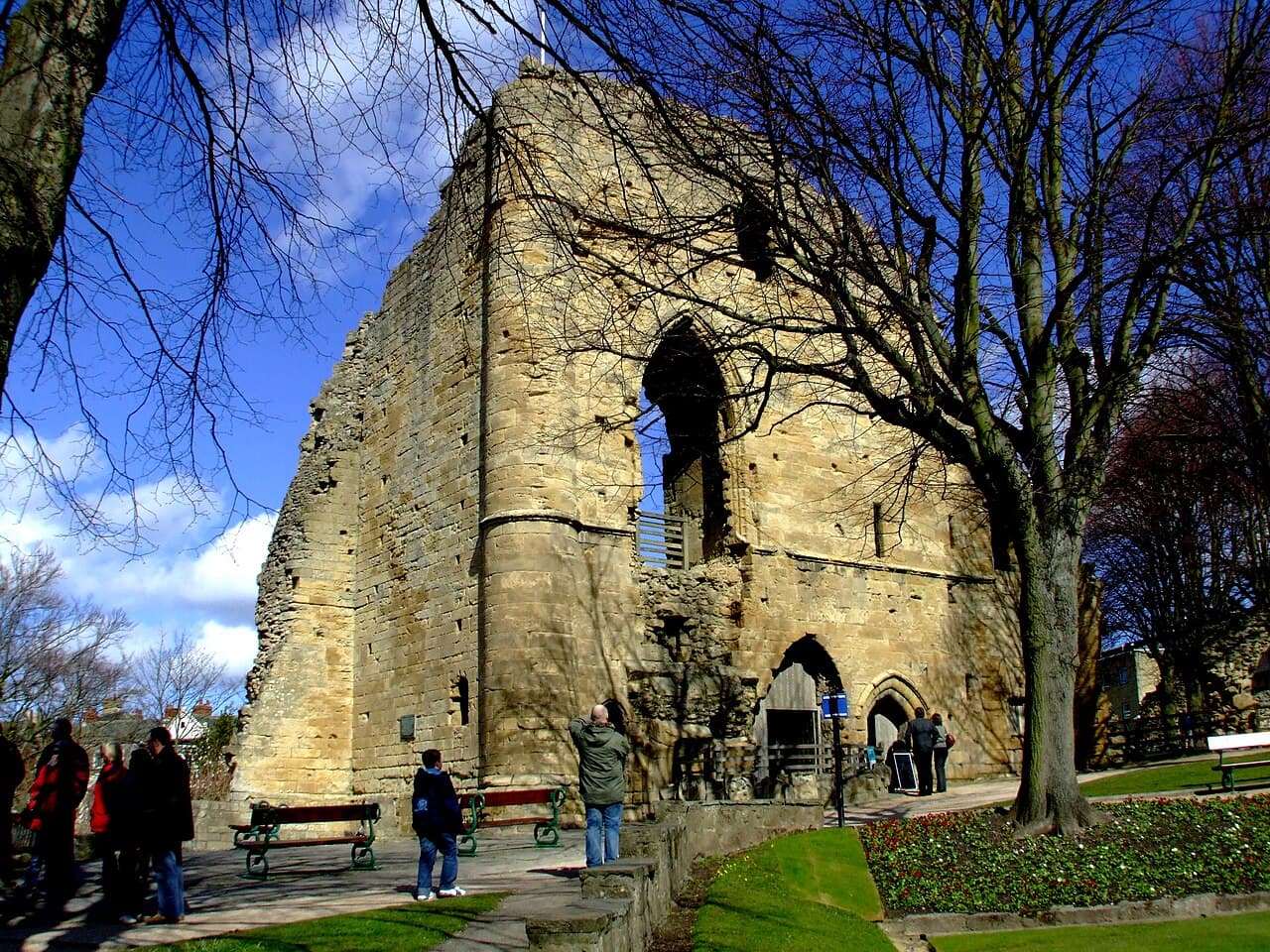
The castle's location atop a steep promontory offered commanding views and natural defenses, typical of hill castles built during the High Medieval period. Its design reflects classic Norman military architecture, featuring robust stone curtain walls, towers, and a prominent five-sided keep that formed the heart of the fortress. This keep, with its vaulted basement and multiple floors, served both defensive and residential functions, embodying the dual nature of castles as fortresses and noble homes.
Early history and royal connections
The earliest records from 1130 indicate that King Henry I ordered construction work at Knaresborough Castle, underscoring its strategic importance in consolidating Norman control over northern England. The castle gained notoriety in the 1170s when it became a refuge for Hugh de Moreville and his followers after the assassination of Thomas Becket, Archbishop of Canterbury. This event highlights the castle's role as a stronghold during turbulent political times.
In 1173, William de Stuteville was appointed governor, overseeing the castle until his death in 1203. Subsequently, the castle came under the direct control of King John, who invested heavily—over a thousand pounds—in enhancing its defenses and facilities, reflecting the castle's ongoing military and administrative significance.
Edwardian rebuilding and the great keep
The early 14th century marked a significant phase of reconstruction under King Edward I, who between 1307 and 1312 spent more than two thousand pounds strengthening the castle's fortifications. His son, Edward II, completed the imposing great keep and granted the castle to his favorite, Piers Gaveston. Edward II's stays at Knaresborough during Gaveston's siege at nearby Scarborough Castle further emphasize the fortress's role as a royal residence and military base.
Later medieval ownership and administrative role
By 1331, Knaresborough Castle served as a royal residence for Queen Philippa of Hainault, who spent many summers there. Later, in 1372, the castle was acquired by John of Gaunt and incorporated into the Duchy of Lancaster. The castle's association with prominent noble families continued with ownership passing to John of Gaunt's third wife, Katherine Swynford.
During the 16th century, a detailed survey in 1561 revealed the castle's dual function as both a fortress and an administrative center, housing estate management offices and law courts. This administrative role was further supported by the presence of a notable 14th-century courthouse attached to the castle, built from magnesian limestone and brick, featuring distinctive architectural elements such as round-headed doorways with hood moulds and chamfered stone window surrounds with mullions.
The courthouse and prison buildings
The courthouse is a two-storey building with a stone slate roof, notable for its basket-arched upstairs entrance accessed via an external staircase. Inside, it retains a 14th-century fireplace and paneling and benches from the 16th century, alongside cupboards and doors dating to the 17th century. This building is recognized as a Grade II listed structure for its historical and architectural significance.
Directly connected to the courthouse is a former prison built in 1786 from local gritstone. This single-storey building with a hipped stone slate roof housed prison cells beneath the main floor. Its façade features a three-light window with a segmental head and a transom, and large round-headed windows on the side elevation. Like the courthouse, the prison holds Grade II listed status, reflecting its heritage value.
The english civil war and decline
Knaresborough Castle's military importance was revived during the English Civil War when it was captured by Parliamentarian forces in 1644. However, in 1648, the castle was deliberately dismantled on Parliamentary orders to prevent its further military use. Stones from the ruins were repurposed in local buildings, marking the end of the castle's active defensive and residential functions.
Architectural features and surviving remains
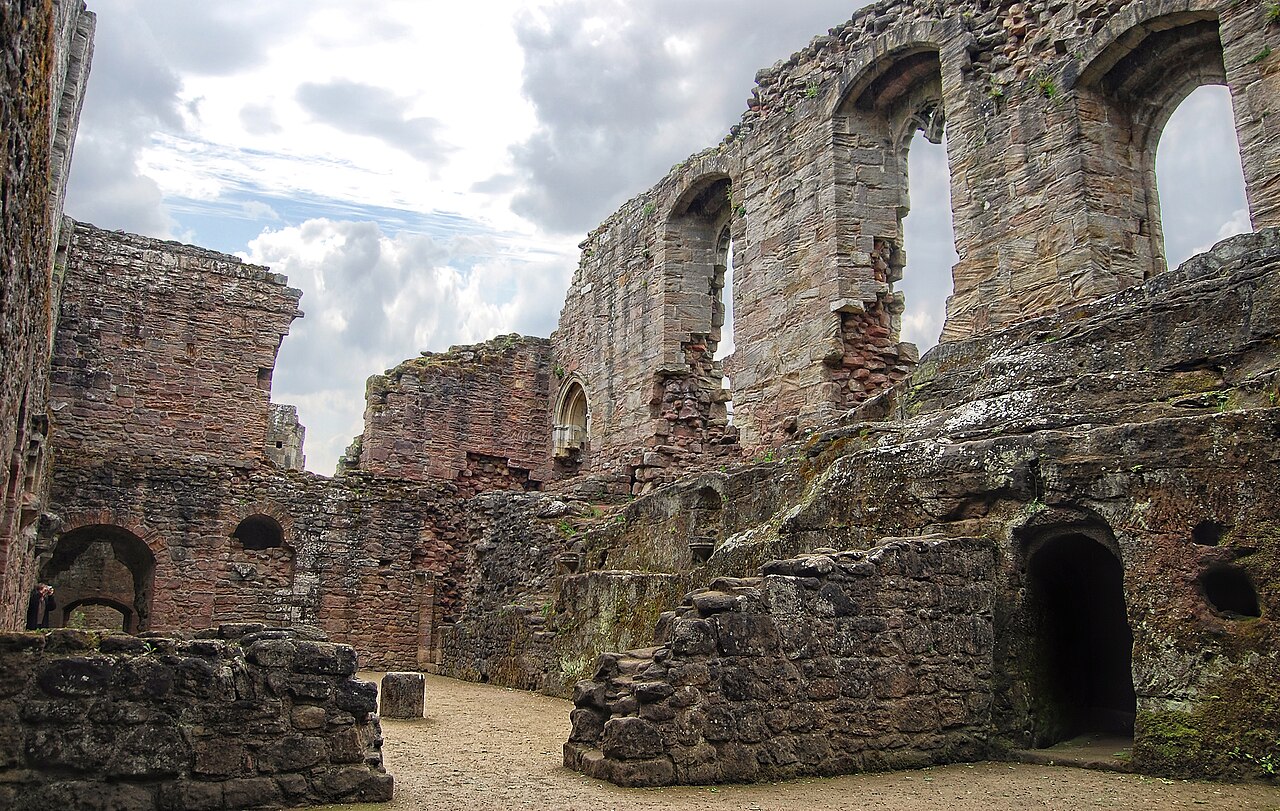
The castle's remains today provide a vivid glimpse into its Norman origins and medieval evolution. The layout includes two walled baileys arranged sequentially. The outer bailey faced the town, serving as the first line of defense, while the inner bailey sat adjacent to the cliff edge, offering enhanced protection and commanding views over the river.
The surviving stone walls are reinforced by substantial towers, two of which flank the main gate, the primary entrance used by visitors. The dominant five-sided keep, once the lord's residence and the castle's strongest point, still partially stands, although parts of its eastern sections have been demolished. Historical accounts from 1789 describe the keep as fifty-four feet wide, housing three rooms per floor across multiple levels.
Within the baileys, the foundations of residential buildings remain visible, providing insight into the castle’s domestic arrangements beyond the central keep. The combination of military, residential, and administrative structures illustrates the castle's multifaceted role throughout its history.
Modern preservation and public access
Today, Knaresborough Castle is managed by North Yorkshire Council and remains part of the Duchy of Lancaster estate. The site is a popular tourist attraction, offering visitors the chance to explore the evocative ruins, appreciate the scenic views over the River Nidd, and learn about the castle's rich history through onsite information.
The castle grounds host a range of events and provide a picturesque setting for cultural and community activities. Preservation efforts focus on maintaining the structural integrity of the ruins and the associated historic buildings, ensuring that Knaresborough Castle continues to be a significant heritage landmark in northern England.
Frequently asked questions (FAQ)
- How do I get to Knaresborough Castle?
- Knaresborough Castle is located in the town center of Knaresborough, North Yorkshire. It is accessible by car, with parking available nearby, and is well served by local bus routes. The nearest train station is Knaresborough railway station, about a 10-minute walk from the castle.
- What are the opening hours for visiting Knaresborough Castle?
- The castle grounds are generally open to the public year-round from dawn until dusk. However, the courthouse and prison buildings may have specific visiting hours or require guided tours, so it is advisable to check with North Yorkshire Council or the official visitor information before planning your visit.
- Is there an admission fee to enter Knaresborough Castle?
- Access to the castle ruins and grounds is free of charge. However, special events or guided tours of the courthouse and prison may have a separate fee. Visitors should verify current pricing on official websites or local tourist information centers.
- What is the historical significance of Knaresborough Castle?
- Knaresborough Castle is significant for its Norman origins, royal associations with monarchs such as King Henry I, King John, Edward I, and Edward II, and its role in medieval military and administrative history. It also played a part during the English Civil War and reflects architectural evolution from the 12th to the 18th centuries.
- Can I explore the interior of the castle keep?
- The keep at Knaresborough Castle is in ruins and not fully accessible for interior exploration due to safety concerns. Visitors can view the remains from the outside and explore the surrounding baileys and other structures.
Photo gallery

Information
Sources & official resources
Verify the information above using these authoritative references.
Loading map...
Visitor reviews
No reviews yet. Been here? Write the first review and help other travelers!
Write the first reviewVisited this castle? Share your experience
Your review helps other travelers and adds first-hand knowledge to our encyclopedia.