Bramhope Tunnel North Portal
The Bramhope Tunnel North Portal stands as a remarkable example of Victorian railway architecture, blending functional engineering with the aesthetic grandeur of a Gothic-style castellated facade. Located near the village of Bramhope in England, this imposing entrance marks the northern gateway to the Bramhope Tunnel, a key feature of the Leeds to Thirsk railway line constructed during the height of England's railway expansion in the 1840s.
The tunnel itself stretches just over two miles, making it one of the longer railway tunnels built during the Industrial Revolution. The construction of the Bramhope Tunnel was a monumental engineering feat that required the labor of hundreds of navvies—skilled railway workers—who traveled from across the United Kingdom to work on this ambitious project. The construction period, from 1845 to 1849, was marked by intense manual labor and significant risk, resulting in the loss of at least 23 lives, with further casualties believed to have gone undocumented.
Architectural design and features of the north portal
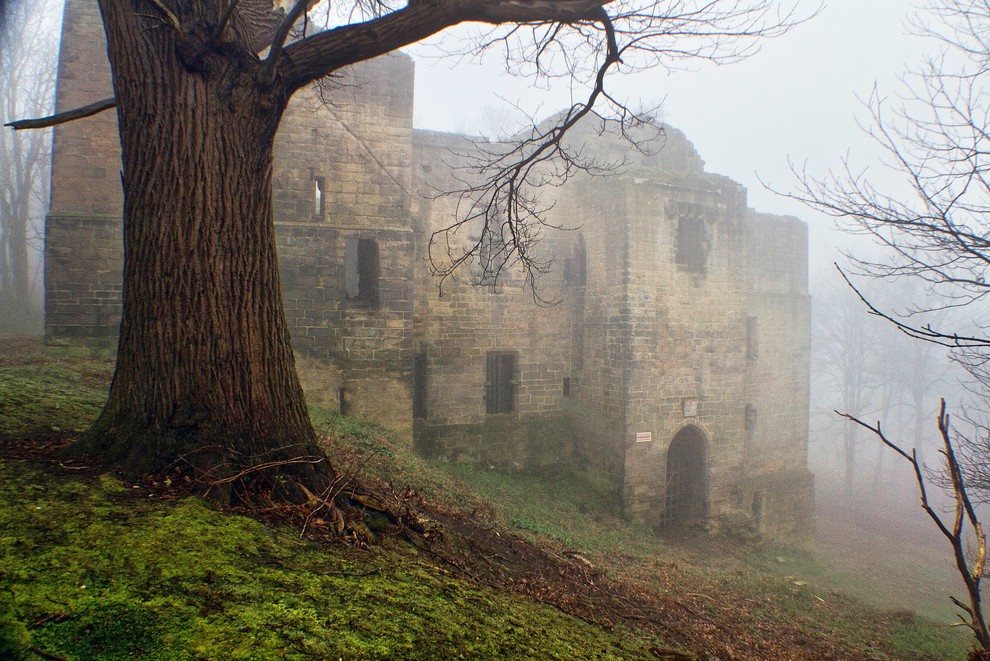
The north portal is distinguished by its sandstone construction and its design that emulates the appearance of a medieval castle. This stylistic choice was likely intended to convey a sense of permanence and grandeur, elevating the otherwise industrial structure to a landmark of visual and cultural significance. The facade features three side towers each topped with turrets, reinforcing the castle-like aesthetic. The central entrance is framed by a horseshoe-shaped archway which is richly decorated with a carved figure of a bearded man. This carving is thought to possibly represent the landowner on whose estate the tunnel was constructed, adding a personal historical touch to the portal.
Despite its impressive design, the north portal today shows signs of disrepair and has suffered from graffiti vandalism, which detracts from its historic and architectural value. However, it remains a significant heritage structure, symbolizing the era of rapid railway expansion and the human stories behind it.
Historical context and construction challenges
The Bramhope Tunnel was built during a period often called "railroad mania" in England, when the expansion of the railway network was rapid and transformative for the country’s economy and society. The Leeds to Thirsk line was an important route facilitating transport and commerce across the region.
The construction involved extensive excavation through challenging terrain, requiring the sinking of 20 airshafts to provide ventilation and access during the building process. Today, four of these original airshafts remain visible around Bramhope village, along with a tall sighting tower that was used for surveying and alignment purposes. Large earth piles along the tunnel's length, resembling small hills, mark the locations of these shafts and the tunnel’s underground path.
The project was costly, with the entire railway line from Leeds to Thirsk costing over £2 million, a substantial sum at the time. The human cost was also significant, as the dangerous working conditions led to numerous fatalities among the workforce. The legacy of these workers is commemorated by a replica of the north portal, which was erected as a memorial in the churchyard of Otley parish, honoring those who contributed to this monumental engineering achievement.
Cultural significance and preservation efforts
The Bramhope Tunnel North Portal is more than just an entrance to a railway tunnel; it is a symbol of the Victorian era’s industrial ambition and architectural creativity. Its Gothic revival style reflects the 19th-century fascination with medieval architecture, adapted here to celebrate modern engineering accomplishments.
Preservation of the portal is important for historical and educational reasons, as it provides tangible insight into the railway construction techniques and the social history of the time. Efforts to maintain and protect the structure face challenges due to weathering and vandalism, but local interest in its heritage value remains strong.
Visitors to Bramhope can explore the surrounding landscape to see the remaining airshafts, the sighting tower, and the earthworks that trace the tunnel’s route. These features, combined with the striking north portal, offer a comprehensive glimpse into one of England’s significant railway projects of the 19th century.
Frequently asked questions (FAQ)
- What is the Bramhope Tunnel North Portal?
- The Bramhope Tunnel North Portal is a Gothic-style sandstone entrance to the Bramhope Tunnel, part of the Leeds to Thirsk railway line built in the 1840s.
- When was the Bramhope Tunnel constructed?
- Construction of the Bramhope Tunnel took place between 1845 and 1849 during the height of England's railway expansion.
- Can visitors see the original airshafts near Bramhope?
- Yes, four of the original 20 airshafts are still visible around Bramhope village, along with a tall sighting tower and earth piles marking the tunnel's path.
- Why is the north portal designed like a castle?
- The north portal was designed in a Gothic castellated style to give the industrial railway entrance a grand, permanent, and visually striking appearance.
- Is the Bramhope Tunnel North Portal well preserved?
- The portal is partially preserved but shows signs of disrepair and graffiti, highlighting the need for ongoing conservation efforts.
Loading map...
Visitor reviews
No reviews yet. Been here? Write the first review and help other travelers!
Write the first reviewVisited this castle? Share your experience
Your review helps other travelers and adds first-hand knowledge to our encyclopedia.