Ham-sur-Heure Castle
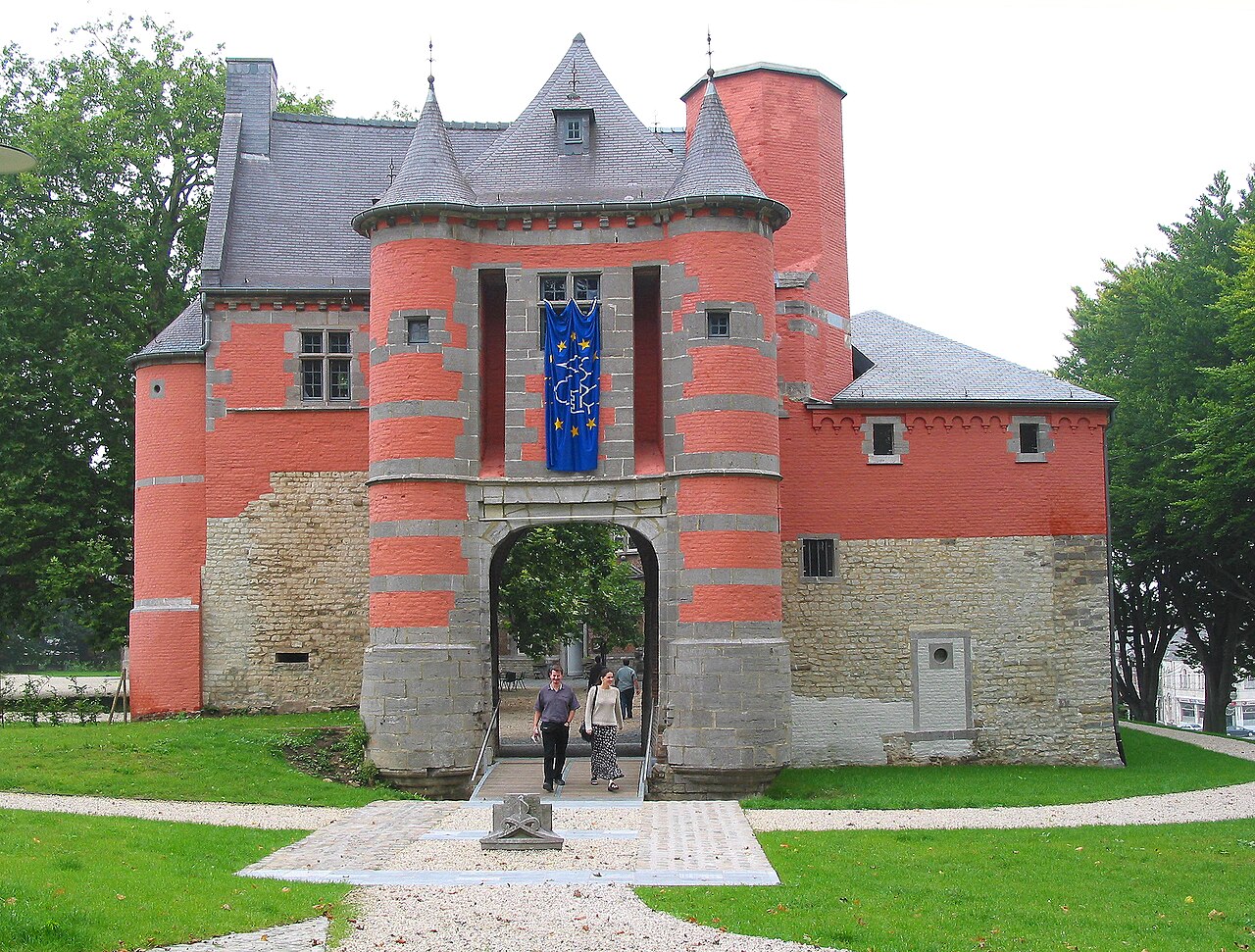
Ham-sur-Heure Castle, locally known as Château de Ham-sur-Heure, is a prominent historic hill castle located in the town of Ham-sur-Heure-Nalinnes, in the province of Hainaut, within the Wallonia region of Belgium. This castle is a significant example of noble residences that evolved through the High Medieval period into an elegant aristocratic estate, reflecting centuries of architectural and historical development.
The earliest documented mention of the castle dates back to the 13th century, although its origins may precede this period. Initially, the castle was under the ownership of various noble families, including the Condé family through marriage, as well as the Béthune, Gui de Dampierre, Luxembourg, and Fosseux families. By the 15th century, the castle was held by the d'Enghien family before passing to the influential House of Mérode in 1487, who would maintain control for several centuries and significantly shape its architecture and status.
Medieval origins and early ownership
The castle's medieval heritage is deeply rooted in the feudal history of the region. Its strategic position as a hill castle allowed it to serve defensive and administrative functions. The initial fortifications likely consisted of a keep and basic defensive walls, typical of high medieval military architecture. The castle was first recorded in documents when Isabeau de Morialmé was identified as its owner, indicating its importance in local noble affairs.
Throughout the 13th and 14th centuries, Ham-sur-Heure Castle changed hands multiple times among prominent noble families, reflecting the complex dynastic ties and political alliances of the era. The castle's ownership by the Condé family in 1209 and 1259, and later by the Lords of Enghien in 1441, underscores its role as a valuable feudal asset.
Renaissance expansions and imperial visit
The castle underwent significant enlargement and strengthening in the 16th century, particularly around the time of the visit by Charles V, Holy Roman Emperor, in 1540. This imperial visit likely prompted enhancements to the castle's defenses and residential quarters, incorporating Renaissance architectural influences while maintaining its medieval fortification features.
Sieges and destruction in the 17th century
The turbulent 17th century brought military conflict to Ham-sur-Heure Castle. In 1667, under the command of Ferdinand de Merode, the castle endured a failed siege by French armies during which the castle's keep was destroyed. This event marked a significant blow to the castle's defensive capabilities.
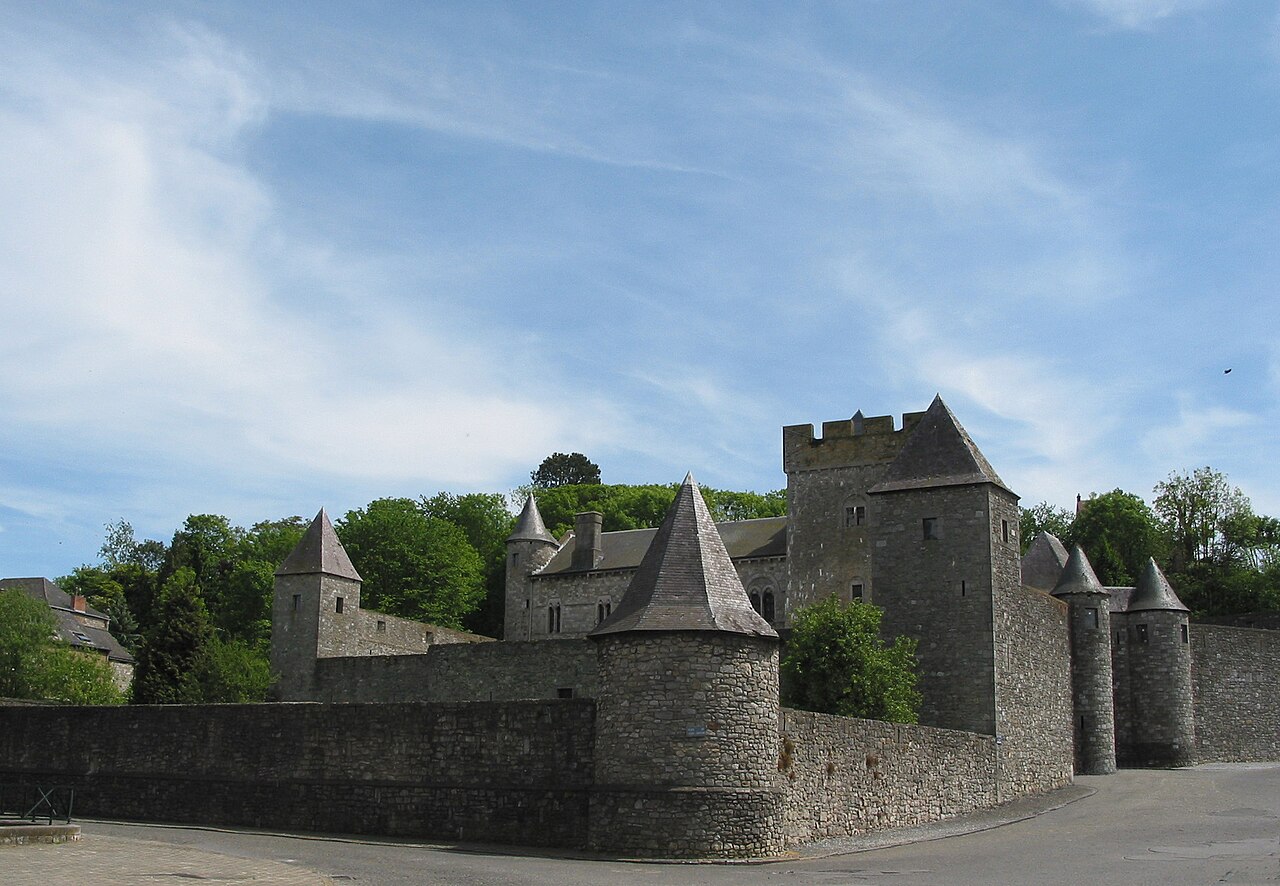
Between 1669 and 1671, a protective rubble wall was constructed to reinforce the castle's defenses. Despite these efforts, the castle faced another siege in 1689 by French forces. Despite strong resistance from a Spanish garrison, the castle was forced to surrender under Albert Maximilian de Merode, leading to partial destruction and further damage to its fortifications.
Transformation into a luxurious residence
Following the military conflicts, the castle's role shifted from a fortress to a noble residence. In the early 18th century, Joseph de Merode transformed the old fortress into a luxurious residence, reflecting the architectural tastes of the period. This transformation included the addition of elegant living quarters, refined facades, and landscaped surroundings.
Between 1776 and 1779, Balthazar-Philippe, the last Count de Merode-Deynse, initiated further rebuilding efforts. However, these were left incomplete as he relocated to Vienna during the upheavals of the French Revolution. Consequently, the castle remained uninhabited and fell into a state of neglect for approximately 70 years.
19th-century restoration and modern use
At the end of the 19th century, the castle underwent extensive restoration under the patronage of Louise de Rochechouart Mortemart and her daughter, Renée Victurienne de Merode, wife of Charles-Jean d'Oultremont. This restoration, directed by architect Pierre Langerock from Leuven, lasted over two decades and restored the castle from near ruin to its present appearance. The work cost two million gold francs and included structural repairs, aesthetic enhancements, and modernization of the residence.
During World War I, Ham-sur-Heure Castle hosted several distinguished guests, including the son of Wilhelm II, German Emperor. From December 1918 to January 1919, Edward VIII, then Prince of Wales, stayed at the castle while visiting the Australian Army Corps stationed nearby, highlighting the castle's continued strategic and symbolic importance.
In 1956, the castle was purchased by the municipality of Ham-sur-Heure and repurposed as the town hall. Following the 1977 municipal reorganization, it became the administrative center for the larger municipality of Ham-sur-Heure-Nalinnes. Today, the castle is well-preserved and maintained, though it is not open to the public for tours, serving primarily administrative functions.
Architectural features and setting
The castle is constructed primarily of stone and is characterized by its hill castle typology, featuring a central courtyard and a south-facing facade. The rear facades overlook the Eau d’Heure river and surrounding meadows, providing a picturesque rural setting that enhances its historic charm.
The architectural style of the castle reflects a blend of High Medieval fortifications and later Renaissance and early modern residential adaptations. The 19th-century restorations introduced elements consistent with the period's tastes, including refined masonry, decorative details, and landscaped parkland surrounding the castle.
Despite its long history of sieges and partial destruction, the castle today stands as a testament to the resilience and evolving functions of noble residences in Belgium. It retains key features such as the protective rubble wall added in the 17th century and the layout shaped by centuries of noble occupancy.
Park and surroundings
The castle is set within a park that enhances its historic ambiance. The grounds provide a tranquil rural landscape that complements the castle's architectural presence. While the castle is not open for public visits, the exterior and park offer scenic views appreciated by locals and visitors alike.
Current status and accessibility
Ham-sur-Heure Castle is currently owned by the municipality and functions as the town hall for Ham-sur-Heure-Nalinnes. It is well-preserved and maintained but is not accessible to the public for interior tours. Visitors can appreciate its exterior architecture and the surrounding parkland from public areas.
Frequently asked questions (FAQ)
- What is the historical significance of Ham-sur-Heure Castle?
- Ham-sur-Heure Castle, dating back to the 11th century, is a remarkable example of medieval architecture in Belgium. It has played a crucial role in various historical events, serving as a fortress and residence for local nobility, which reflects the region's rich heritage.
- When was Ham-sur-Heure Castle built?
- The construction of Ham-sur-Heure Castle began in the early 11th century, with significant modifications and expansions occurring over the centuries. This long history is evident in its blend of architectural styles that showcase the evolution of castle design through the ages.
- Can I visit Ham-sur-Heure Castle?
- Yes, Ham-sur-Heure Castle is open to visitors, providing a glimpse into its storied past. Guided tours are available, allowing guests to explore its beautiful grounds and learn about its history.
- What are the opening hours for Ham-sur-Heure Castle?
- Ham-sur-Heure Castle typically opens its doors to visitors from 10 AM to 6 PM during the tourist season. It's advisable to check the official website for any seasonal variations or special events that may affect these hours.
- Is it possible to access Ham-sur-Heure Castle by public transport?
- Yes, Ham-sur-Heure Castle is accessible via public transport, with nearby bus stops serving the area. Visitors can easily reach the castle from major cities in Belgium, making it a convenient destination for day trips.
- What is the best time to visit Ham-sur-Heure Castle?
- The best time to visit Ham-sur-Heure Castle is during the spring and summer months when the weather is pleasant, and the gardens are in full bloom. Additionally, various events and festivals are often held during this period, enhancing the visitor experience.
- Are there any nearby attractions to visit after Ham-sur-Heure Castle?
- Yes, visitors can explore several nearby attractions, including the picturesque village of Nalinnes and the scenic natural parks in the region. These locations offer beautiful landscapes and additional opportunities for hiking and sightseeing.
- What are the ticket prices for Ham-sur-Heure Castle?
- Ticket prices for Ham-sur-Heure Castle are generally affordable, with discounts available for students and seniors. It’s best to check the official website for the latest pricing information and any special promotions that may be offered.
Information
Sources & official resources
Verify the information above using these authoritative references.
Loading map...
Visitor reviews
No reviews yet. Been here? Write the first review and help other travelers!
Write the first reviewVisited this castle? Share your experience
Your review helps other travelers and adds first-hand knowledge to our encyclopedia.