Halmyris
Halmyris (Ancient Greek: Ἁλμυρίς) was a significant Roman and Byzantine fortification, settlement, and naval port strategically situated at the mouth of the Danube Delta in present-day Romania, approximately 2.5 km east of the village of Murighiol. Known in Roman times likely as Almyridensium, this site formed a crucial part of the defensive frontier system known as the Moesian Limes, which protected the Roman Empire's northern borders along the Danube River.
Historical significance and location
Halmyris occupied a key strategic position at the confluence of the Danube and the Black Sea, facilitating control over riverine and maritime routes. The fort is documented in at least eight important ancient Greek and Latin sources, including the Itinerarium Antonini and the Notitia Dignitatum, underscoring its importance in Roman military logistics and administration. Serving as a naval base and supply depot, Halmyris played a vital role in the defense against barbarian incursions and in maintaining Roman influence in the region.
Archaeological and architectural features
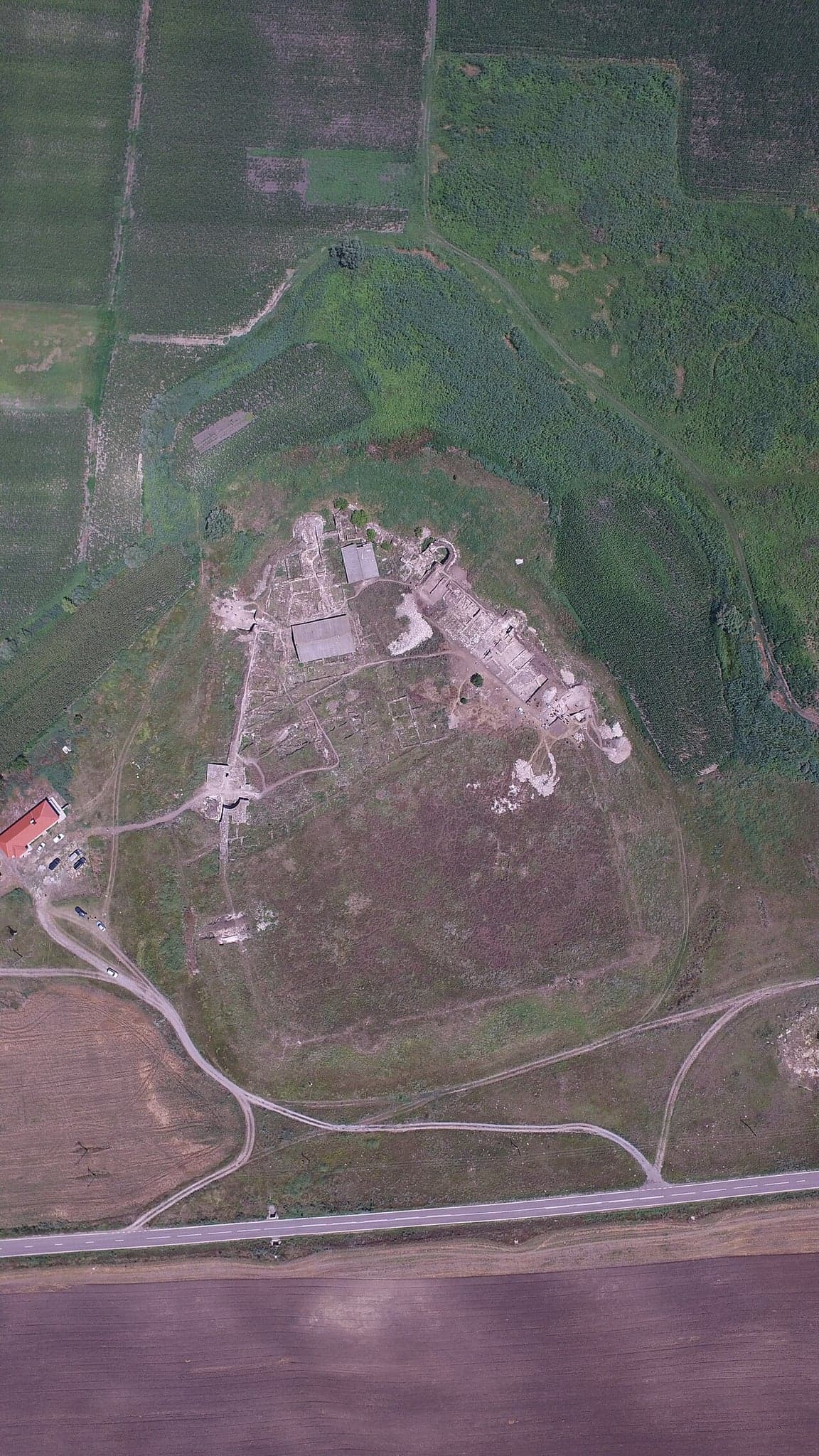
The site of Halmyris reveals a complex of military and civilian structures that evolved over centuries. Initially established during the Iron Age, the fortifications were significantly developed during the Roman Imperial period and later adapted through the Byzantine era. Archaeological excavations have uncovered remains of bastioned walls, defensive towers, gates, barracks, and a harbor complex designed for naval operations.
The fortress walls at Halmyris were constructed with a combination of stone and brick, featuring bastions that enhanced defensive capabilities against siege warfare. The layout includes a rectangular plan typical of Roman military engineering, with rounded corner towers and multiple gates controlling access. Inside the fort, remnants of administrative buildings, warehouses, and residential quarters indicate a well-organized military community.
Role in the Roman and Byzantine frontier system
Halmyris was part of the extensive network of fortifications known as the Moesian Limes, which marked the boundary between the Roman province of Moesia and the territories beyond the Danube. This frontier line was critical for monitoring and repelling invasions from various groups such as the Goths and later the Huns. The fort's position allowed it to serve as a logistical hub for troop movements and supply distribution along the Danube.
During the Byzantine period, Halmyris continued to function as a military and naval base, adapting to changes in military technology and regional threats. The presence of a naval port highlights its ongoing importance in controlling access to the Danube and the Black Sea, facilitating both defense and trade.
Cultural and economic aspects
Beyond its military function, Halmyris was a center for colonization and cultural exchange over its long history, spanning more than a millennium from the Iron Age through the Byzantine era. The settlement attracted diverse populations and served as a point of interaction between Roman, Greek, and local Dacian cultures. Artifacts recovered from the site include pottery, coins, and inscriptions that reflect a rich cultural tapestry.
The fort's location near the Danube Delta also made it a focal point for economic activities such as fishing, trade, and agriculture, supporting the local population and garrison. Its role as a supply depot was essential for sustaining Roman and Byzantine military operations in the region.
Archaeological research and preservation
Excavations at Halmyris have revealed extensive remains that provide insight into Roman and Byzantine military architecture and frontier life. The site is considered an important archaeological and historical monument in Romania, offering valuable evidence of the region's role in ancient imperial defense systems.
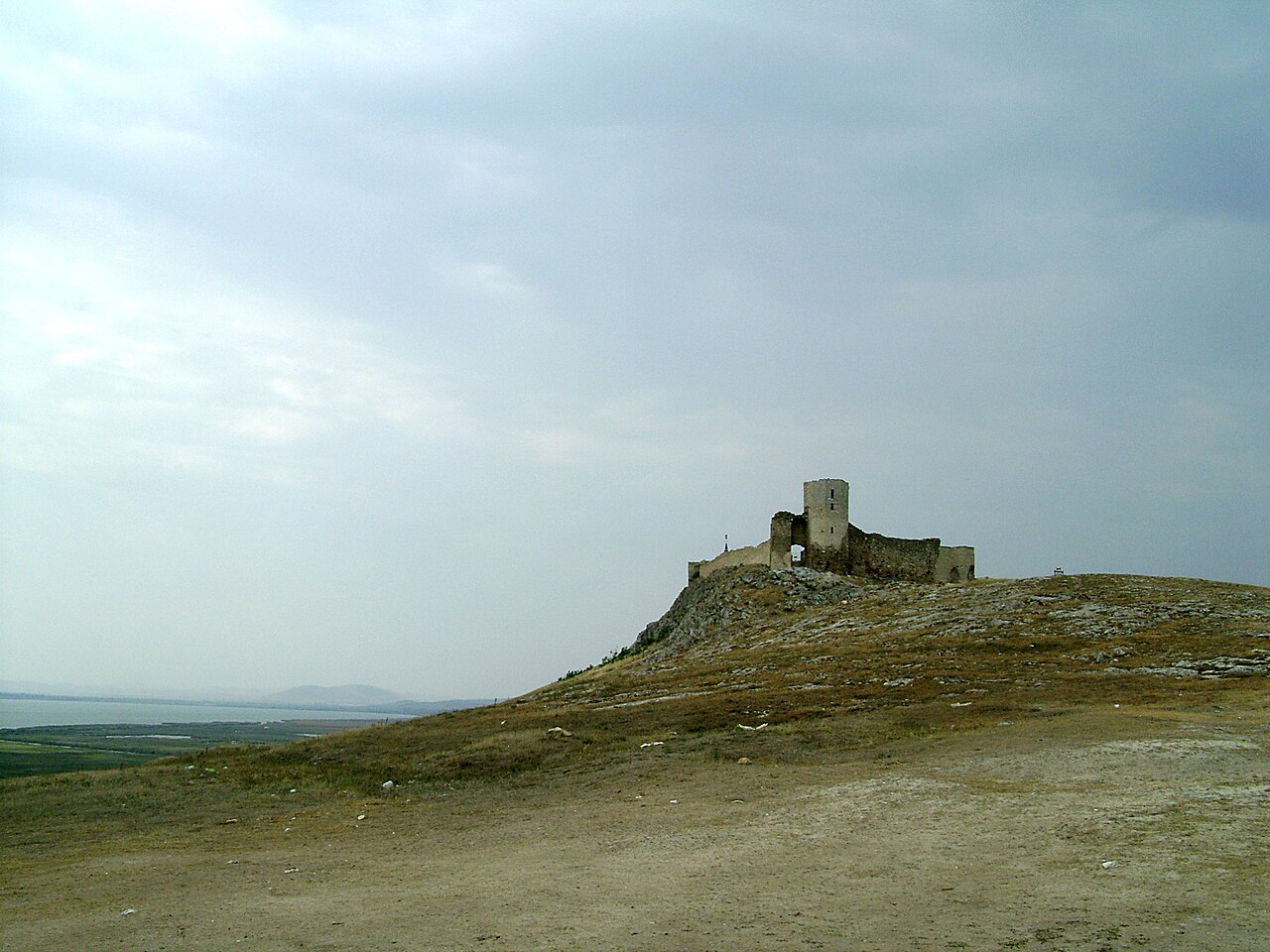
Preservation efforts focus on protecting the ruins and promoting public awareness of Halmyris's significance. Visitors to the site can observe the remains of the bastioned fortress walls, towers, and harbor structures, which illustrate the complexity of frontier fortifications and the integration of military and civilian functions.
Frequently asked questions (FAQ)
- How do I get to Halmyris from Murighiol?
- Halmyris is located about 2.5 km east of Murighiol village. Visitors can reach the site by local roads or guided tours from Murighiol, which is the nearest town with access routes.
- What historical periods does Halmyris represent?
- Halmyris spans several historical periods, including the Iron Age, Roman Imperial period, and Byzantine era, reflecting over a millennium of continuous occupation.
- Can I see the original fortifications at Halmyris?
- Yes, visitors can view the ruins of the bastioned fortress walls, towers, and gates that remain at Halmyris, showcasing Roman and Byzantine military architecture.
- Is Halmyris accessible year-round?
- The site is generally accessible year-round, but visitors should check local conditions and weather, especially due to its location near the Danube Delta wetlands.
- Are there any visitor facilities at Halmyris?
- Halmyris has limited visitor facilities. It is advisable to plan ahead and consider guided tours for a more informative experience.
Photo gallery

Information
Current owner
State museum
Loading map...
Visitor reviews
No reviews yet. Been here? Write the first review and help other travelers!
Write the first reviewVisited this castle? Share your experience
Your review helps other travelers and adds first-hand knowledge to our encyclopedia.