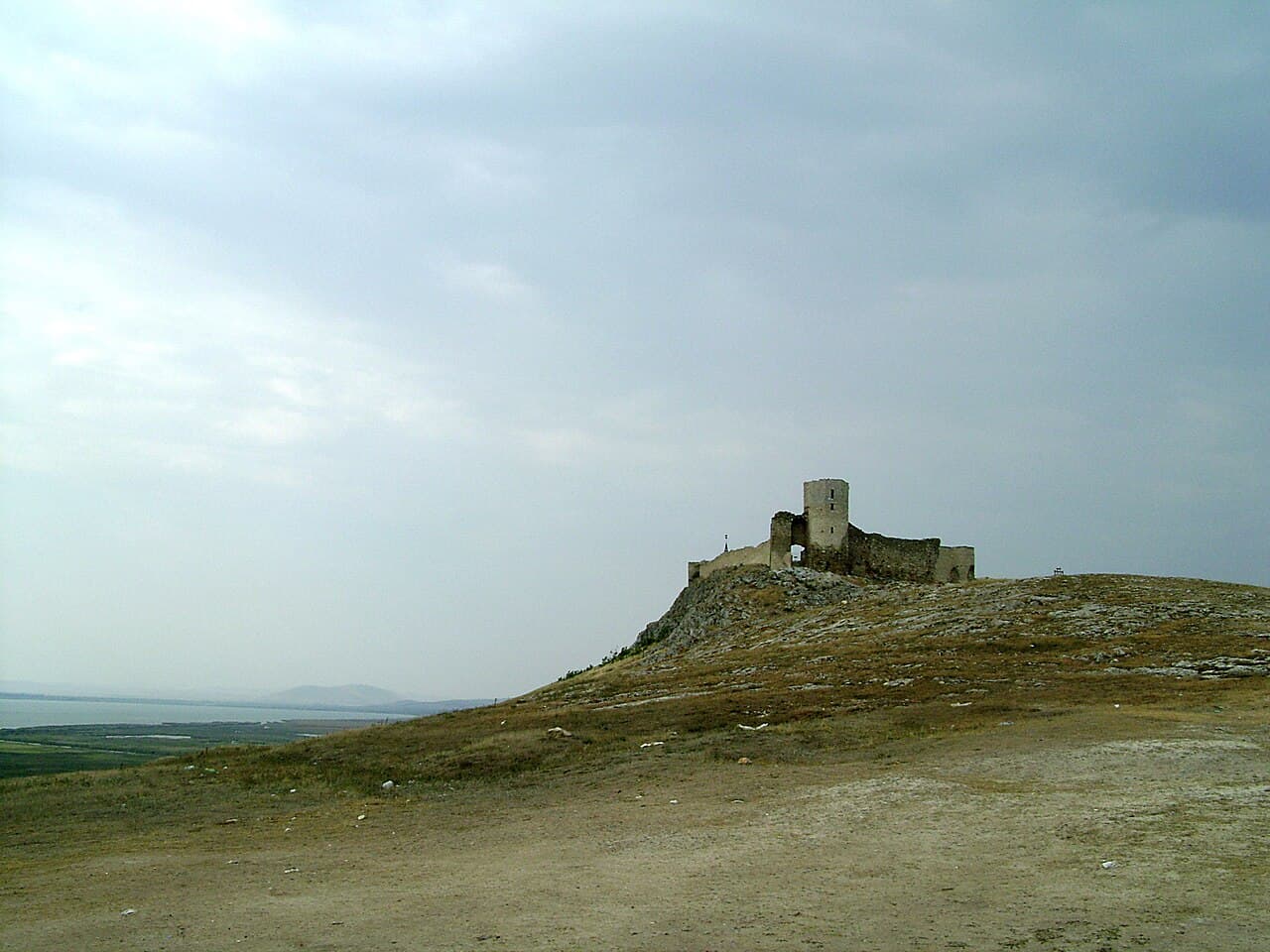
Enisala fortress is a medieval castle located in the Dobruja region of Romania, perched strategically on a hilltop overlooking the surrounding landscape. This ruined fortress dates back to the late 13th or early 14th century, built during a period marked by complex political and military struggles in the region. The castle's position allowed it to control important trade routes and served as a defensive stronghold against invading forces.
Historical context and significance
The construction of Enisala fortress is believed to have been initiated by the Byzantine Empire or the Genovese merchants who controlled parts of the Black Sea coast during the late medieval period. Its primary function was to guard the Danube Delta and the trade routes linking the Black Sea with the interior of the Balkans. Throughout its history, the fortress witnessed several conflicts involving the Ottoman Empire, the Wallachian voivodes, and other regional powers.
Architectural features and layout
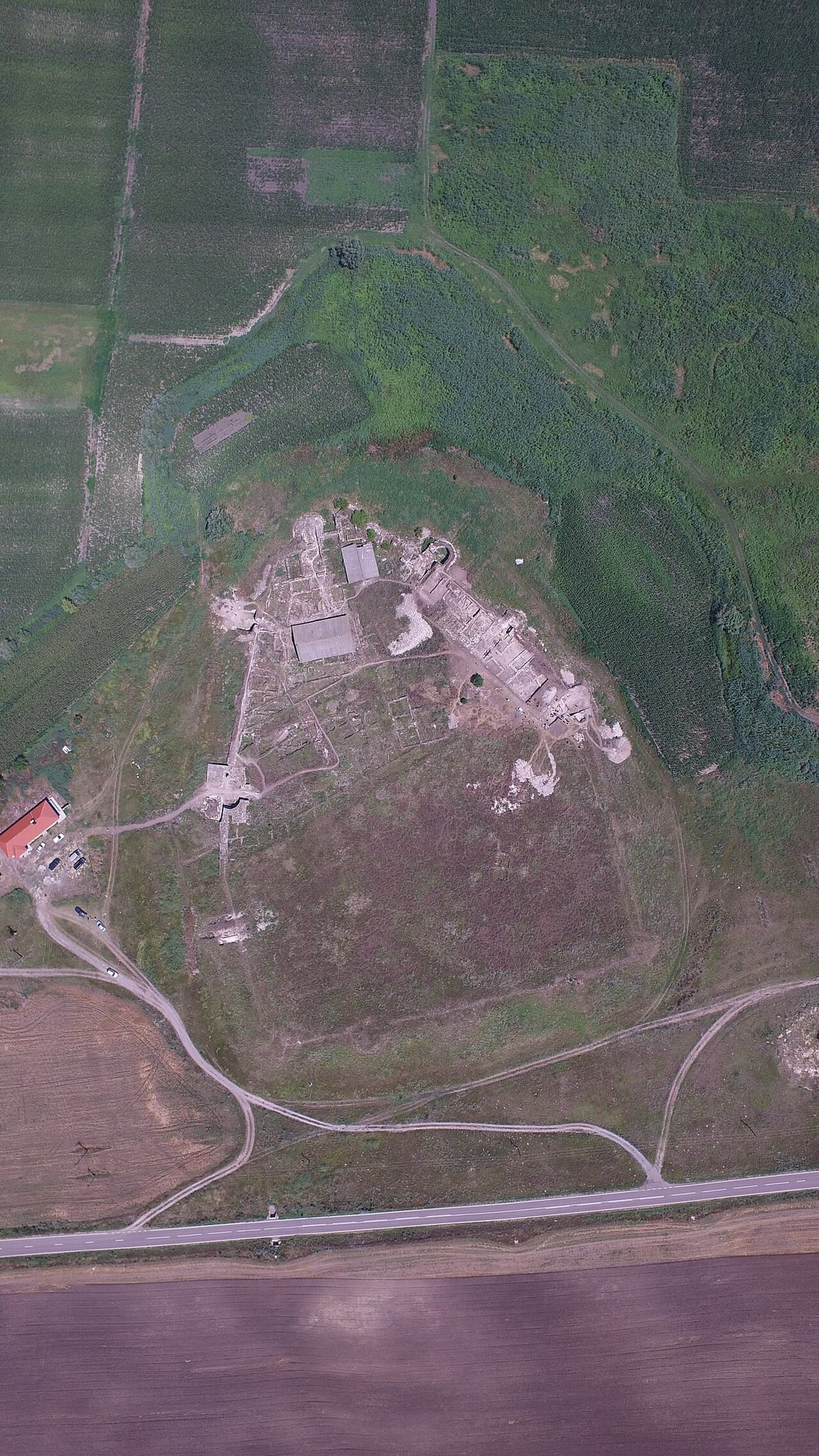
The fortress is characterized by its compact and irregular plan, adapted to the shape of the hill on which it stands. Its stone walls and towers were designed for defense, featuring battlements and arrow slits. The surviving structures include remnants of the main curtain walls, a keep or donjon, and several towers that once provided vantage points for surveillance and defense.
The fortress's architecture reflects a blend of Byzantine and Western medieval military styles, with influences from Genoese fortifications. The use of thick walls and strategic placement of towers demonstrates an emphasis on resisting siege warfare common in the period.
Defensive elements
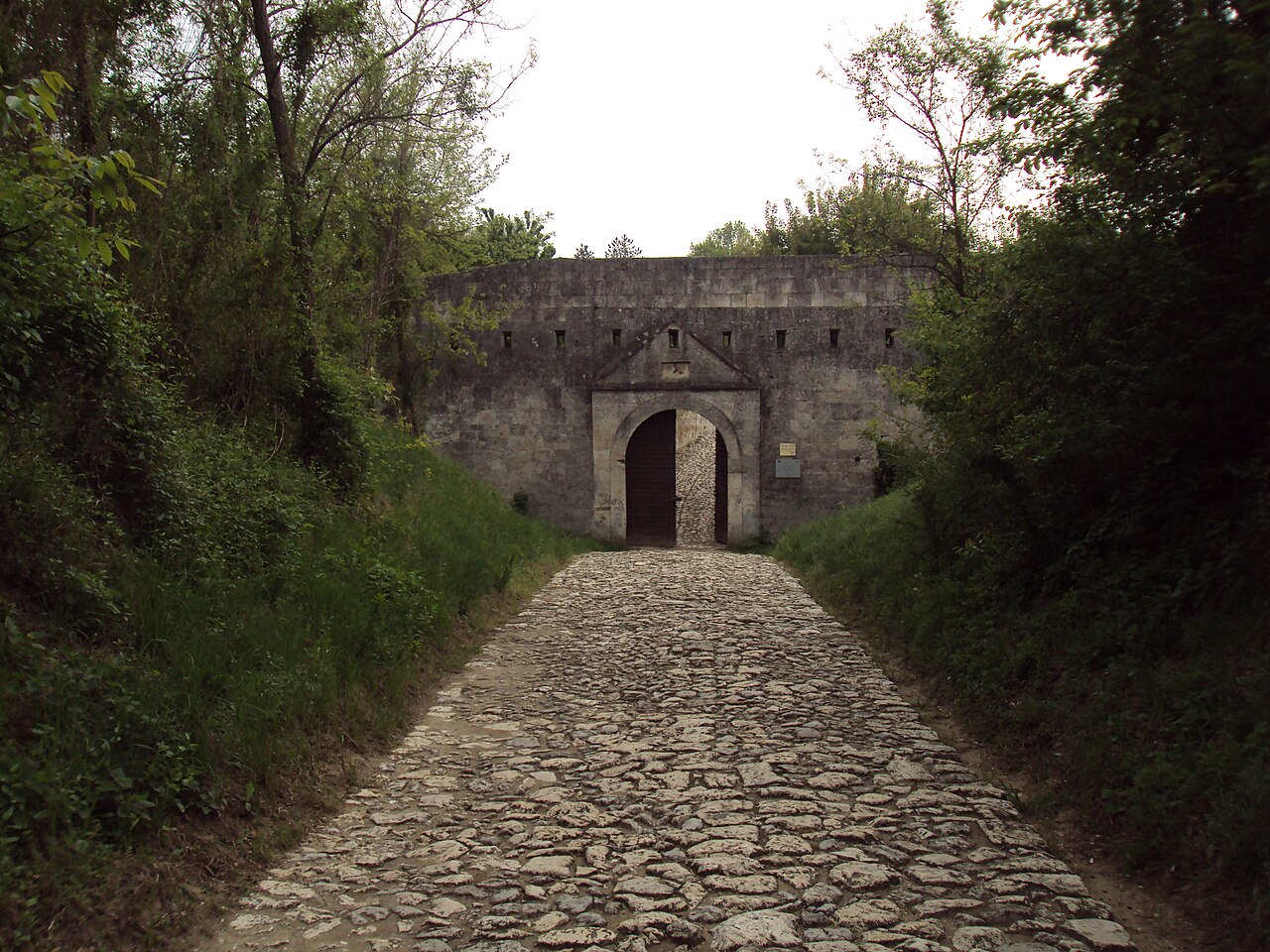
Enisala fortress was equipped with multiple defensive features such as battlements for archers, machicolations for dropping projectiles on attackers, and a gatehouse designed to control access. The natural steep slopes of the hill enhanced its defense, making direct assaults difficult.
Decline and current state
By the 15th century, the fortress lost its strategic importance due to changes in political control and military technology. It was eventually abandoned and fell into ruin. Today, Enisala fortress stands as an archaeological site and ruins, attracting visitors interested in medieval history and architecture.
The site offers panoramic views of the Danube Delta and the surrounding plains, making it a notable landmark in the region. Efforts have been made to preserve the remaining structures, but much of the fortress remains in a state of decay.
Visiting Enisala fortress
Visitors to Enisala fortress can explore the ruins and enjoy the scenic vistas. The site is accessible by road and is a popular destination for tourists interested in medieval fortifications and natural landscapes. Information panels provide historical context, enhancing the visitor experience.
Nearby attractions
The fortress is located near the Danube Delta Biosphere Reserve, a UNESCO World Heritage site known for its rich biodiversity. Visitors often combine a trip to the fortress with excursions to the delta's lakes, wetlands, and wildlife habitats.
Frequently asked questions (FAQ)
- What is the historical significance of Enisala Fortress?
- Enisala Fortress, built in the 13th century, is a significant historical site that reflects the strategic military importance of the region during the medieval period. It served as a key defensive structure against invasions and played a crucial role in the control of trade routes between the Black Sea and inland territories.
- When was Enisala Fortress built?
- The construction of Enisala Fortress dates back to the 13th century, during the time when the region was under the influence of various powers, including the Byzantine Empire and the Kingdom of Hungary. Its architecture showcases the transitional styles of medieval fortifications in Eastern Europe.
- How do I get to Enisala Fortress?
- Enisala Fortress is located near the village of Enisala in Romania, approximately 40 kilometers from the city of Tulcea. Visitors can reach the fortress by car or take public transportation to nearby towns, followed by a short hike to the fortress site.
- What are the opening hours of Enisala Fortress?
- Enisala Fortress is generally open to visitors throughout the year, with the best visiting hours being from 9 AM to 6 PM. However, it's advisable to check local listings or contact the visitor center for any seasonal changes in opening hours.
- Can I enter the fortress grounds?
- Yes, visitors are welcome to explore the grounds of Enisala Fortress. There are no entry fees, allowing guests to roam freely and enjoy the stunning views of the surrounding landscapes and the nearby Razim-Sinoe Lagoon.
- What is the best time to visit Enisala Fortress?
- The best time to visit Enisala Fortress is during the spring and early autumn months when the weather is mild and pleasant. This allows for a more enjoyable exploration of the fortress and its scenic surroundings.
- Is it possible to take guided tours at Enisala Fortress?
- Yes, guided tours are often available for visitors who wish to learn more about the history and significance of Enisala Fortress. These tours can provide in-depth insights and enhance the overall experience of exploring this historical site.
- Are there any nearby attractions to visit after Enisala Fortress?
- Yes, after visiting Enisala Fortress, you can explore the nearby Razim-Sinoe Lagoon, which is ideal for birdwatching and enjoying nature. Additionally, the city of Tulcea offers museums and cultural sites that showcase the rich history of the Danube Delta region.
Photo gallery

Information
Loading map...
Visitor reviews
No reviews yet. Been here? Write the first review and help other travelers!
Write the first reviewVisited this castle? Share your experience
Your review helps other travelers and adds first-hand knowledge to our encyclopedia.