Halic Castle
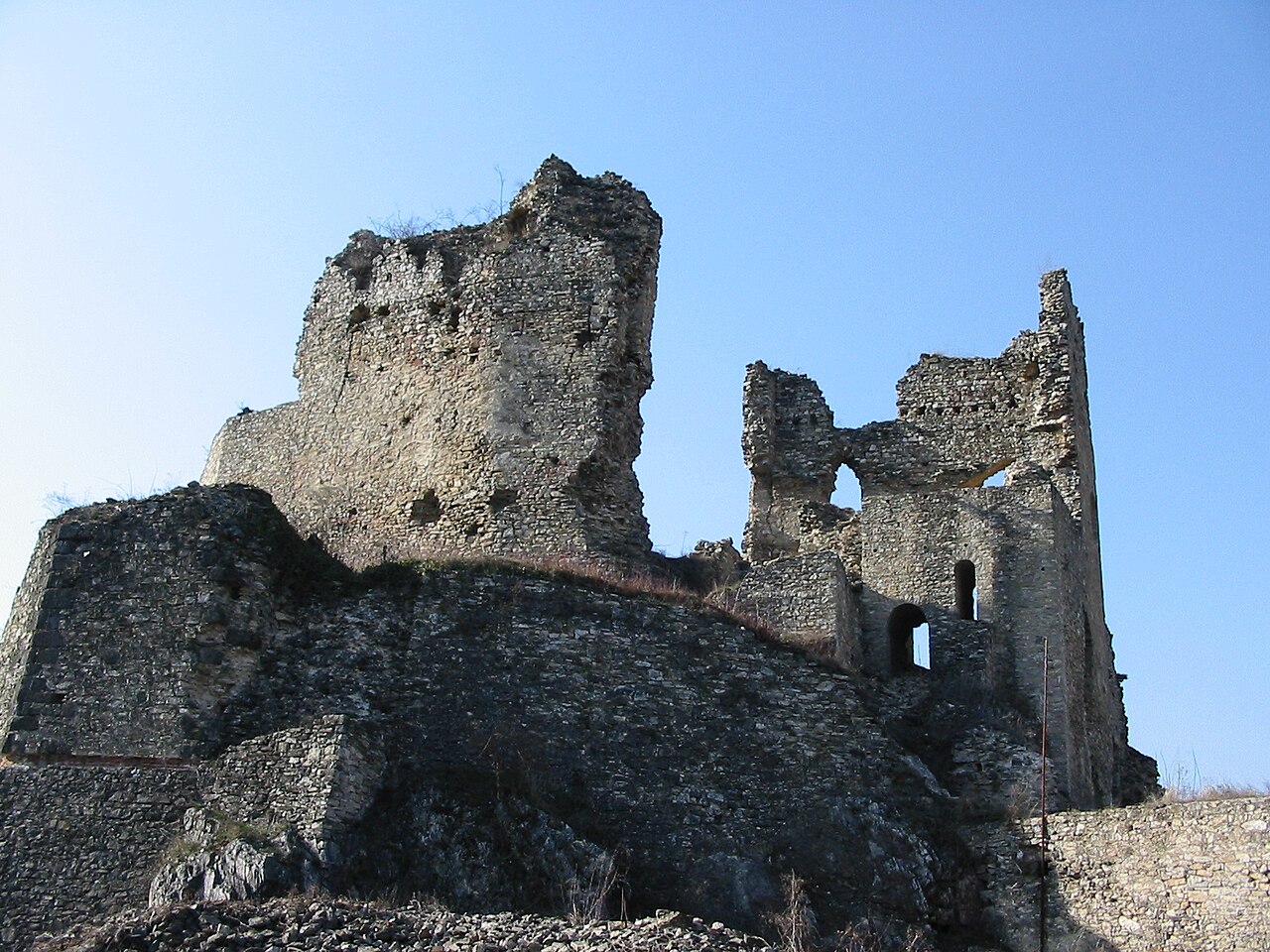
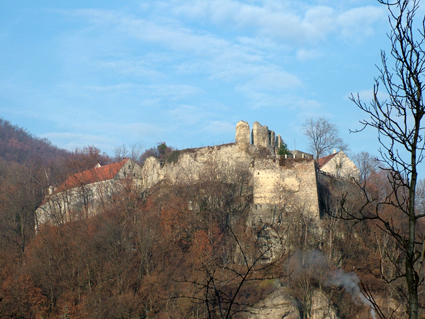
Halic Castle is a significant late medieval fortress located in the village of Halič, Slovakia. First documented in 1450, the castle has witnessed a turbulent history marked by sieges, reconstructions, and ownership by prominent Hungarian aristocratic families. Its strategic position and unique architectural features reflect the military and residential needs of the region from the 15th century onward.
Early history and ownership
The earliest record of Halic Castle dates back to 1450. Initially, it belonged to the Jiskras during the years 1450-51, before passing into the hands of János Hunyady, a notable Hungarian military leader. By 1462, the castle was inhabited by King Matthias Corvinus, underlining its importance as a royal stronghold. In the early 16th century, ownership transferred to Istvan Losonczy from Lučenec. Losonczy undertook reconstruction efforts without royal permission, which led to conflict and damage during a siege in 1544.
The forgách family and architectural evolution
After the death of Štefan Lučenský, his daughter Anne inherited the county and married Zsigmund Forgách. The Forgách family was one of the oldest Hungarian aristocratic families, descending from the Great Moravian family Poznam. They maintained ownership of the castle until 1945. Zsigmond Forgách initiated significant rebuilding on land that was part of the county estate since 1598. The site was chosen for its strategic advantages and natural fortifications.
Hexagonal design and fortifications
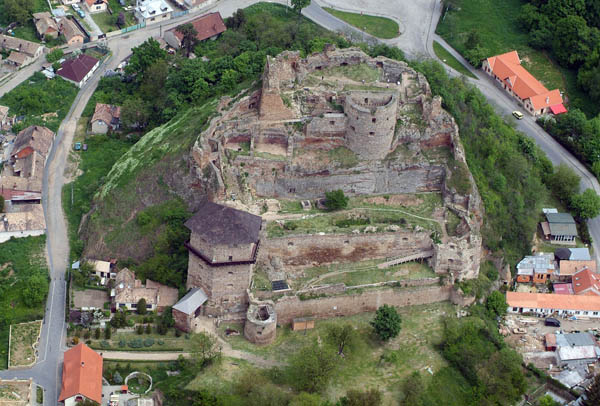
In 1612, the castle underwent careful repairs and the foundations of an irregular hexagon were laid. This architectural plan was innovative for its time, providing enhanced defense capabilities. A multi-storied building with six corner bastions was constructed atop this foundation, surrounded by a protective ditch and earthen mounds. The wings of the hexagon enclosed a courtyard with plain walls, which were later adorned with murals depicting figures of Roman emperors and Hungarian kings between the windows and entrances, adding an artistic and symbolic dimension to the fortress.
Sieges and military history
Halic Castle endured several sieges during its history, reflecting the turbulent political landscape of the region. At the end of the 17th century, Imre Thököly, a Hungarian nobleman and leader of anti-Habsburg uprisings, attempted to capture the castle but was unsuccessful. In 1678, under the ownership of Adam Forgách, the castle faced a siege by the Turks, which was repelled by the defenders. Another siege occurred in 1703, also unsuccessful in capturing the fortress.
Rákóczi war of independence
During the Rákóczi War of Independence, Ferenc II Rákóczi managed to overrun the castle in 1709. Subsequently, the imperial forces led by General Sigbert Heister laid siege and inflicted significant damage, including the destruction of the roof and parts of the interior. This marked a turning point in the castle's military significance and structural integrity.
18th-century reconstruction and architectural significance
Recognizing the need for a representative seat in the region, the Forgách family commissioned a comprehensive reconstruction of Halic Castle in 1762. The Austrian architect Andre Meyerhoffer, known for his work on palaces in Bratislava, oversaw the restoration. The reconstruction focused on restoring the castle's residential and defensive functions, enhancing its status as a noble residence while preserving its historic fortifications.
Current condition and heritage status
Today, Halic Castle remains largely abandoned and awaits restoration. Despite its deteriorated state, the castle stands as a valuable cultural and architectural monument in Slovakia. Its unique hexagonal layout, bastions, and historical murals provide insight into the military architecture and aristocratic life of the late medieval and early modern periods. Preservation efforts are crucial to safeguard this heritage site for future generations.
Architectural features and layout
The castle's irregular hexagonal plan is a distinctive feature, designed to maximize defensive capabilities. Each of the six corner bastions allowed for overlapping fields of fire, a common feature in early modern fortifications. The surrounding ditch and mounds added layers of protection against siege engines and infantry assaults. The internal courtyard, originally plain, was later enhanced with decorative murals, reflecting the castle's dual role as a fortress and noble residence.
Murals and artistic elements
The murals depicting Roman emperors and Hungarian kings between windows and entrances are notable for their historical symbolism. They emphasize the castle's connection to the broader European heritage and Hungarian royal lineage, reinforcing the status of the Forgách family as prominent aristocrats.
Historical context and regional importance
Located in the historical region of Upper Hungary (now Slovakia), Halic Castle played a strategic role in the defense against Ottoman incursions and internal conflicts during the 16th to 18th centuries. Its ownership by influential families like the Forgáchs highlights its importance as a political and military center. The castle's repeated sieges reflect the contested nature of the region during the Turkish wars and the Rákóczi uprising.
The forgách family legacy
The Forgách family maintained control of the castle for nearly four centuries, shaping its architectural evolution and historical trajectory. Their noble lineage and political influence were intertwined with the castle's history, making it a symbol of aristocratic power in the region.
Visiting halic castle
Although currently in a state of abandonment, Halic Castle attracts visitors interested in medieval and early modern military architecture. The castle's location in Halič village offers access to the surrounding countryside and other historical sites in the Banská Bystrica Region. Restoration efforts may improve visitor facilities in the future, enhancing the castle's role as a cultural landmark.
Accessibility and tourism
Visitors should be aware that the castle is not fully restored and may have limited access to some areas due to safety concerns. Guided tours and informational displays would enrich the visitor experience when available. The castle's historical significance and architectural uniqueness make it a worthwhile destination for enthusiasts of Slovak history and fortifications.
Frequently asked questions (FAQ)
- How do I get to Halic Castle?
- Halic Castle is located in Halič, Slovakia, and can be reached by car or public transportation. The nearest major city is Zvolen, which is approximately 15 kilometers away. There are local bus services that connect Zvolen to Halič, making it convenient for visitors.
- What is the historical significance of Halic Castle?
- Halic Castle dates back to the 13th century and has played a crucial role in the region's history. Originally built as a defensive fortress, it has witnessed numerous battles and changes in ownership over the centuries. Today, it stands as a testament to the architectural and cultural heritage of Slovakia.
- When was Halic Castle built?
- Construction of Halic Castle began in the early 13th century, with the first written records mentioning it in 1241. Over the years, the castle underwent various renovations and expansions, reflecting the architectural styles of different periods. Its long history makes it a fascinating site for history enthusiasts.
- Can I visit Halic Castle year-round?
- Yes, Halic Castle is open to visitors throughout the year, although opening hours may vary by season. It is advisable to check the official website or contact the visitor center for the most up-to-date information on hours of operation. Visiting in the warmer months can provide a more enjoyable experience due to the beautiful surrounding landscapes.
- Why is Halic Castle popular among tourists?
- Halic Castle attracts visitors due to its stunning architecture and rich history. The picturesque setting and well-preserved structures offer great photo opportunities and a glimpse into Slovakia's past. Additionally, the castle hosts various cultural events and exhibitions, enhancing its appeal to tourists.
- Is it possible to take guided tours of Halic Castle?
- Yes, guided tours are available and highly recommended for visitors wanting to learn more about the castle's history and architecture. Knowledgeable guides provide insights into the significant events that took place within its walls. Tours typically cover both the interior and exterior of the castle, ensuring a comprehensive experience.
- What are the ticket prices for Halic Castle?
- Ticket prices for Halic Castle are generally affordable, with discounts available for students and seniors. Admission fees may vary depending on whether you opt for a guided tour or a self-guided visit. It's best to check the official website for the latest pricing information before your visit.
- What are the opening hours for Halic Castle?
- Halic Castle typically opens from 9 AM to 5 PM during the main tourist season, with reduced hours during the off-season. However, specific hours can change depending on public holidays and events hosted at the castle. Always verify the current opening hours prior to your visit for the best experience.
- Are there nearby attractions to visit along with Halic Castle?
- Yes, there are several attractions near Halic Castle that are worth exploring, including the picturesque town of Halič and nearby natural parks. Additionally, the city of Zvolen features historical sites such as Zvolen Castle and various museums. These nearby locations make for a full day of cultural and historical exploration.
Information
Loading map...
Visitor reviews
No reviews yet. Been here? Write the first review and help other travelers!
Write the first reviewVisited this castle? Share your experience
Your review helps other travelers and adds first-hand knowledge to our encyclopedia.