Fil'akovo Castle Ruins
Fiľakovo Castle ruins stand as a significant medieval fortress located above the town of Fiľakovo in southern Slovakia. Dating back to the 13th century, the castle played a crucial role in regional defense and administration through the High Medieval period and beyond. Its strategic position allowed it to withstand the Mongol invasions of 1242, marking its importance in protecting the surrounding settlements.
The early history and medieval significance
The first documented mention of both the town of Fiľakovo and its castle appears in 1242, a year notable for the Mongol incursions into Central Europe. The castle's fortifications successfully resisted these invasions, underscoring its defensive capabilities. By 1423, the town of Fiľakovo was granted municipal privileges, reflecting its growing importance as a local center of governance and commerce, with the castle serving as a focal point of authority.
Architectural features and castle layout
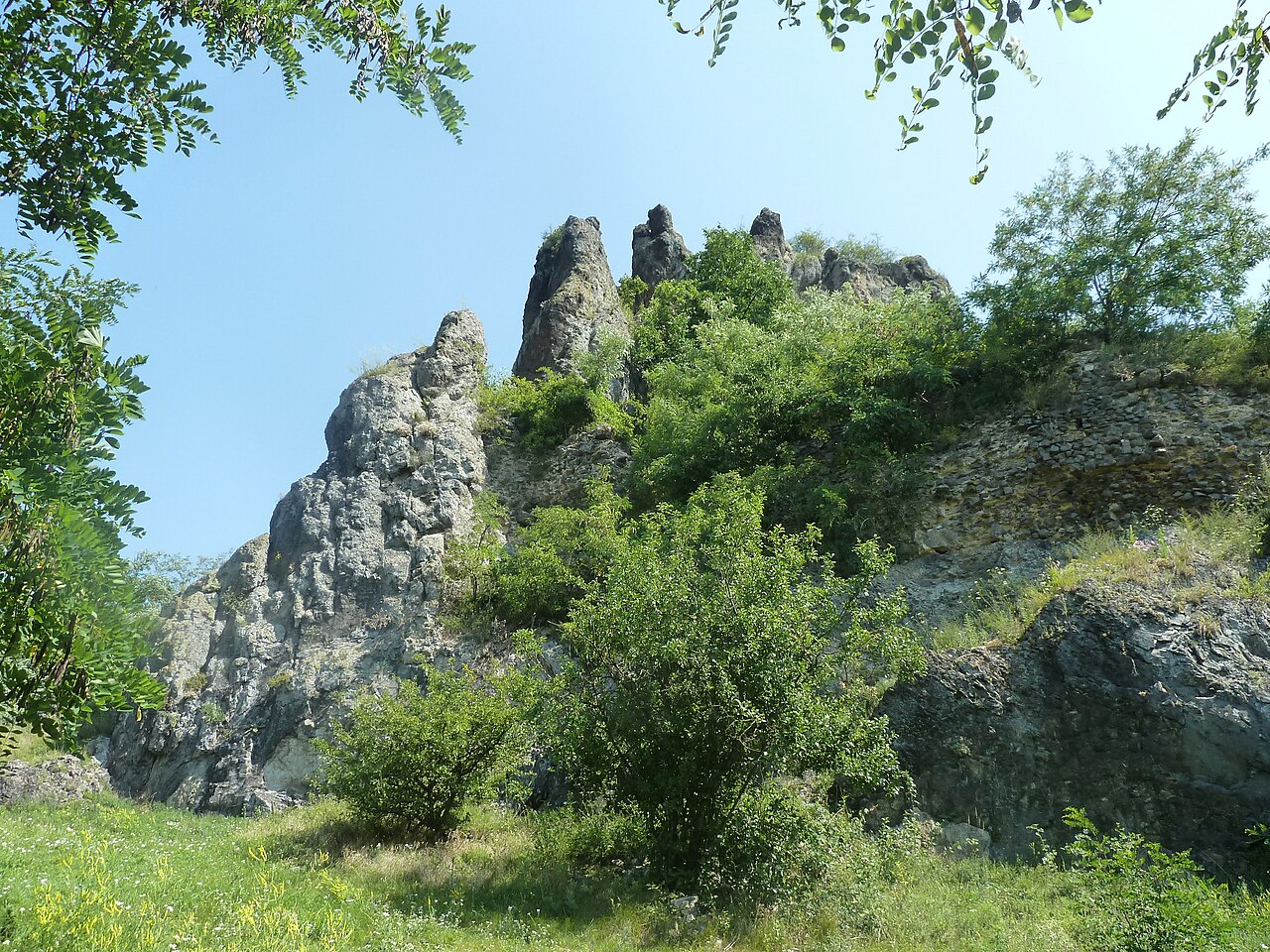
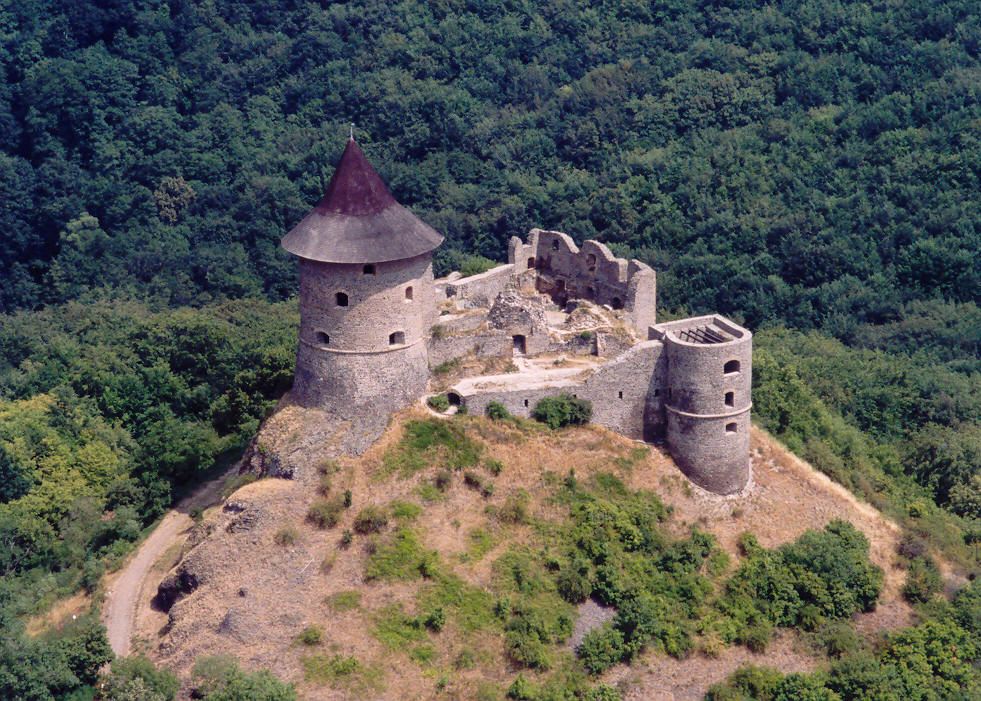
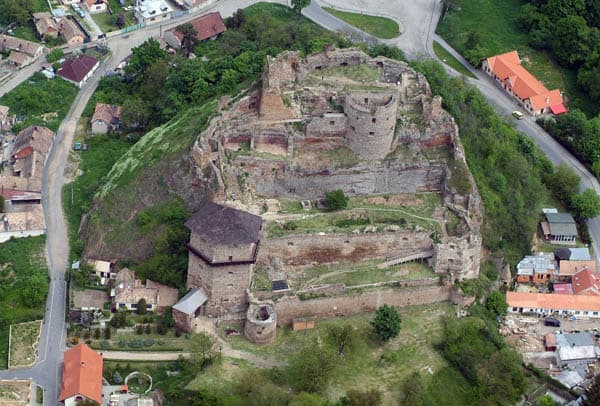
Originally constructed in the High Medieval period, Fiľakovo Castle was built as a typical hilltop fortress, designed to exploit the natural elevation for defense. The castle complex included stone walls, towers, and a keep that provided a stronghold against attackers. Over time, it underwent several modifications to adapt to evolving military technologies and threats, including the addition of bastions and artillery fortifications during the Ottoman period.
Defensive structures
The castle's defensive system was enhanced with thick curtain walls and strategically placed towers that allowed defenders to cover all approaches. The location on a rocky hilltop provided natural protection on several sides, while man-made fortifications secured the more accessible areas. A moat or ditch likely surrounded parts of the castle to hinder enemy advances.
Residential and administrative areas
Within the walls, the castle housed residential quarters for the nobility and garrison, as well as administrative buildings. The layout included a courtyard, halls, and chambers used for governance and daily life. The castle functioned as a seat of local power, especially during Ottoman rule when it served as the center of a sanjak (district).
Turkish occupation and military history
In 1553, Fiľakovo Castle fell to the Ottoman Turks, who incorporated it into their empire as the seat of a sanjak. This period saw significant military and administrative use of the castle, with adaptations to accommodate Ottoman garrisons and governance structures. The castle remained under Turkish control until 1593, when Imperial Habsburg forces recaptured it during the Long Turkish War.
The castle changed hands again in 1662, falling once more to the Turks. It suffered considerable damage during this turbulent period, culminating in its burning in 1682 by the forces of Imre Thököly, a Hungarian noble and rebel leader opposing Habsburg rule. Following this destruction, the castle was taken by Austrian forces in 1686, marking the end of Ottoman influence in the region.
Later history and current status
After the Treaty of Trianon in 1920, Fiľakovo and its castle became part of Czechoslovakia. The castle's strategic importance declined, and it gradually fell into ruin. Between 1938 and 1945, the area was returned to Hungary following the First Vienna Award, but the castle remained in a ruined state.
Today, Fiľakovo Castle is classified as archaeological ruins, with remnants of walls, towers, and foundations visible to visitors. The site offers insight into medieval fortification techniques and the complex history of border conflicts in Central Europe. It is a popular destination for tourists interested in medieval architecture and history.
Visiting Fiľakovo Castle ruins
The castle ruins are accessible to the public and provide panoramic views of the surrounding landscape. Visitors can explore the remains of the fortifications and imagine the castle's former prominence. Interpretive signage and local guides help explain the site's historical context and architectural features.
Preservation and archaeological efforts
Conservation work has been undertaken to stabilize the ruins and prevent further deterioration. Archaeological excavations have revealed artifacts and structural details that contribute to understanding the castle's development and usage over centuries.
Frequently asked questions
- When was Fiľakovo Castle built? The castle was constructed in the 13th century during the High Medieval period.
- What is the condition of Fiľakovo Castle today? It exists as archaeological ruins with partially preserved walls and towers.
- Can visitors enter the castle? Yes, the ruins are open to the public and can be explored on foot.
- What historical events is Fiľakovo Castle known for? It is noted for resisting the Mongol invasions in 1242 and its role during Ottoman occupation.
- Is there an entrance fee? Typically, access to the ruins is free, but local tourist offices can provide current information.
- What architectural style is the castle? The castle primarily reflects High Medieval military architecture with later Ottoman modifications.
Frequently asked questions (FAQ)
- What is the historical significance of Fil'akovo Castle Ruins?
- Fil'akovo Castle Ruins are a testament to the medieval architecture and strategic importance of the region. Originally built in the 13th century, the castle served as a defensive stronghold and an administrative center. Its ruins provide insight into the historical conflicts and cultural developments in Slovakia.
- When was Fil'akovo Castle constructed?
- Fil'akovo Castle was constructed in the 13th century, specifically around the year 1242. Over the centuries, it underwent several modifications and expansions, reflecting the architectural styles of the various periods it experienced. The castle was ultimately abandoned in the 18th century, leading to its current state of ruins.
- Can I visit Fil'akovo Castle Ruins?
- Yes, visitors can explore the Fil'akovo Castle Ruins throughout the year. The site is open to the public, allowing you to walk among the remnants of the castle and enjoy the panoramic views of the surrounding area. Be sure to check local guidelines for any specific visiting hours or restrictions.
- What are the opening hours for Fil'akovo Castle Ruins?
- Fil'akovo Castle Ruins are typically open to visitors from dawn until dusk. However, it is advisable to check for any seasonal changes in opening hours or special events that may affect access. Planning your visit during daylight hours will enhance your experience of the site.
- Is it possible to access Fil'akovo Castle by public transport?
- Yes, Fil'akovo Castle is accessible by public transport, with bus services connecting it to nearby towns and cities. Visitors can take a local bus to Fiľakovo and then walk to the castle ruins. Additionally, parking is available for those who prefer to drive.
- What is the best time to visit Fil'akovo Castle Ruins?
- The best time to visit Fil'akovo Castle Ruins is during the spring and autumn months when the weather is mild and the surrounding landscape is beautifully colorful. Summer can also be a great time, but it may be more crowded. Early mornings or late afternoons provide a quieter experience and stunning lighting for photography.
- Are there any nearby attractions to visit while at Fil'akovo Castle?
- Yes, there are several nearby attractions that complement your visit to Fil'akovo Castle. The town of Fiľakovo itself offers charming architecture and local culture, while the nearby town of Lučenec features museums and parks. Exploring the surrounding countryside can also reveal picturesque hiking trails and natural beauty.
- What are the ticket prices for visiting Fil'akovo Castle Ruins?
- Visiting Fil'akovo Castle Ruins is typically free, allowing everyone the opportunity to enjoy this historical site. However, there may be guided tours or special events that require a nominal fee. Always check for any updates regarding ticket prices before your visit.
Photo gallery

Information
Website
Visit websiteSources & official resources
Verify the information above using these authoritative references.
Loading map...
Visitor reviews
No reviews yet. Been here? Write the first review and help other travelers!
Write the first reviewVisited this castle? Share your experience
Your review helps other travelers and adds first-hand knowledge to our encyclopedia.