Hagenskov Castle
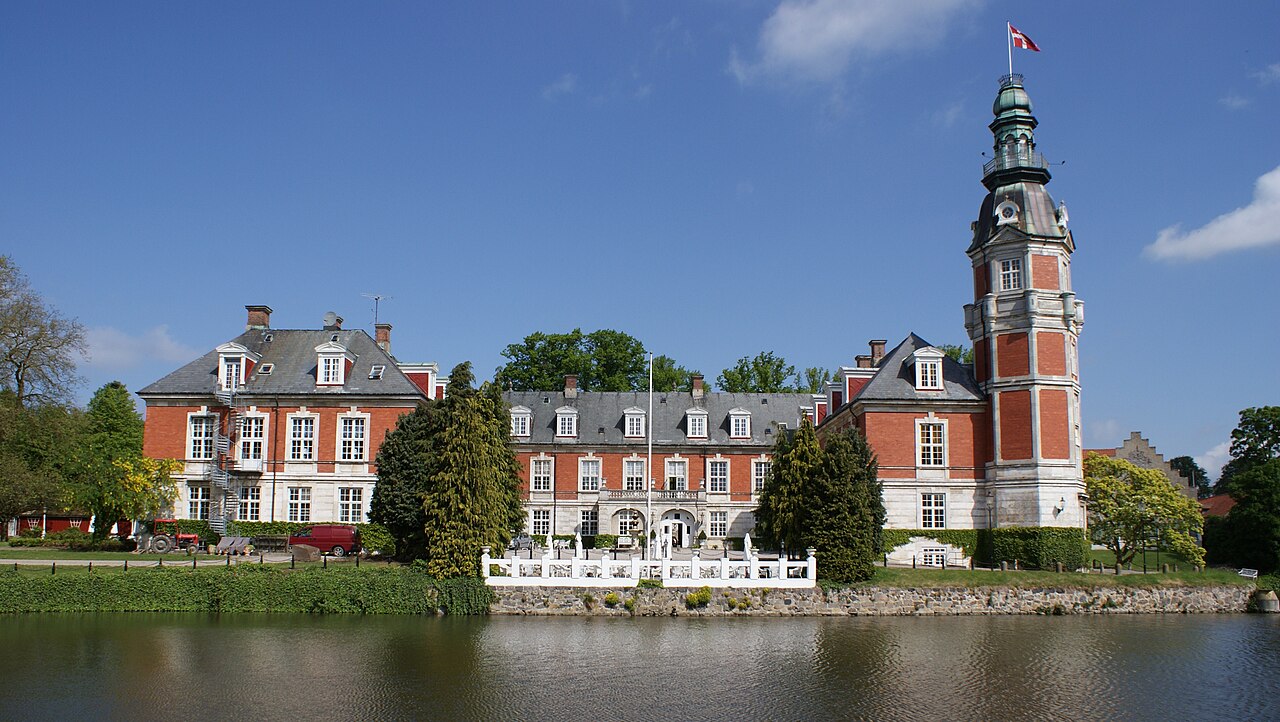
Hagenskov Castle is a historically significant manor located in the rural landscape just east of Assens in Ebberup, Denmark. This estate is recognized as a grade A listed building, ensuring its protection under Danish heritage laws against major alterations. The castle as it stands today was constructed in 1775 in a refined classical architectural style based on designs by the architect G. E. Rosenborg. However, the site has a much older history, with evidence of a medieval castle that once occupied the grounds, including surviving dungeons from the medieval period.
Medieval origins and historical significance
The location of Hagenskov Castle has been strategically important for many centuries. Historical records indicate that during the 13th century, the castle was involved in significant political events, notably a dispute involving the Danish King and an archbishop. This conflict led to the imprisonment of the archbishop within the castle’s dungeons, highlighting its role not only as a noble residence but also as a place of detention and royal authority. The medieval castle that preceded the current structure featured typical defensive elements such as fortified walls and underground chambers, which were common in Danish castles of that era.
Architectural evolution and design
The current post-Renaissance structure of Hagenskov Castle reflects the 18th-century classical style, characterized by symmetry, proportion, and restrained decorative elements. Architect G. E. Rosenborg designed the manor to embody the ideals of classical architecture, which was popular in Denmark during the late 1700s. The building’s exterior showcases balanced façades and orderly window placements, typical of the period’s aesthetic preferences. Although the medieval castle was replaced, some of its features, such as the dungeons, remain preserved beneath or around the current manor, providing a tangible link to its earlier defensive function.
Structural features and layout
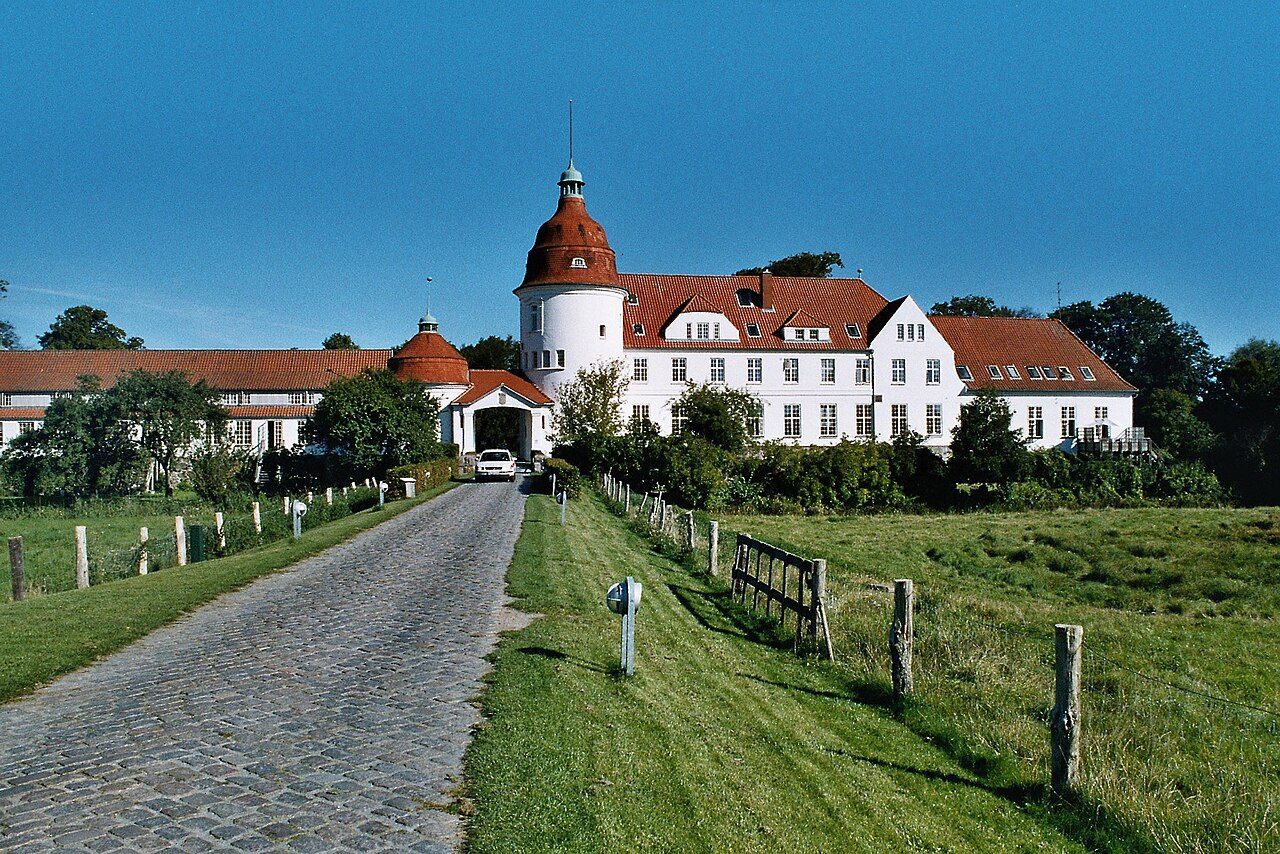
The castle is set within a rural environment, surrounded by open countryside that enhances its prominence in the landscape. The estate includes a main building with classical elements and possibly accompanying outbuildings or wings constructed during the same period. The presence of medieval dungeons suggests a complex multi-level foundation, combining both residential and defensive architecture. The castle’s location along a public road allows for visibility to visitors, although direct public access to the interior is restricted, preserving its private ownership and condition.
Cultural importance and preservation status
Hagenskov Castle’s designation as a grade A listed building underscores its importance within Denmark’s cultural heritage. This status protects the castle from substantial modifications, ensuring the preservation of its architectural integrity and historical value. The castle’s blend of post-Renaissance classical architecture and remnants of medieval fortifications offers insight into the evolution of Danish noble residences over several centuries. Its historical narrative, including the notable imprisonment of an archbishop, adds to its intrigue and significance as a heritage site.
Current condition and accessibility
Today, the castle remains in a well-maintained state, reflecting ongoing preservation efforts. While the castle is visible from the public road that passes through the estate, there is no general public access to the interior or grounds, as it is privately owned. This limited access helps protect the site from damage and preserves its historic fabric. Visitors can appreciate the castle’s exterior and its setting within the Danish countryside, which contributes to the understanding of its historical context and architectural character.
Frequently asked questions (FAQ)
- How do I get to Hagenskov Castle?
- Hagenskov Castle is located in Ebberup, Denmark, and is accessible by car or public transport. The nearest major city is Odense, which is about 30 kilometers away. Visitors can take a bus from Odense or drive, with on-site parking available.
- What is the historical significance of Hagenskov Castle?
- Hagenskov Castle dates back to the 16th century and is an excellent example of Renaissance architecture in Denmark. It has a rich history, having served as a noble residence and playing a role in various historical events. The castle is also noted for its beautiful gardens and surrounding landscape.
- When was Hagenskov Castle built?
- Hagenskov Castle was constructed in the late 1500s, specifically around the year 1580. Over the centuries, it has undergone several renovations, preserving its unique architectural features while adapting to modern needs. The castle's age and history make it a fascinating site for visitors interested in Danish heritage.
- Can I visit Hagenskov Castle year-round?
- Yes, Hagenskov Castle is open to visitors throughout the year, although specific opening hours may vary by season. It's advisable to check the official website or contact the castle directly for the most accurate information regarding visiting days and times. During the winter months, some areas may be closed for maintenance.
- Why is Hagenskov Castle a popular tourist destination?
- Hagenskov Castle attracts visitors not only for its stunning architecture and historical significance but also for its picturesque gardens and tranquil surroundings. The castle hosts various events and exhibitions, making it a vibrant cultural hub. Additionally, its proximity to other attractions in the region enhances the visitor experience.
- Is it possible to take guided tours of Hagenskov Castle?
- Yes, guided tours of Hagenskov Castle are available and provide an in-depth look at its history, architecture, and the notable figures associated with it. These tours are led by knowledgeable guides who share fascinating stories and insights. It is recommended to book in advance, especially during peak tourist seasons.
- What are the ticket prices for Hagenskov Castle?
- Ticket prices for Hagenskov Castle vary depending on the season and the type of tour chosen. Generally, adult tickets range from 50 to 100 DKK, while reduced prices are available for children and seniors. Special family packages may also be offered, providing a cost-effective way to explore the castle.
- What are the best times to visit Hagenskov Castle?
- The best times to visit Hagenskov Castle are during the spring and summer months when the gardens are in full bloom and the weather is pleasant. This period also coincides with various events and activities hosted at the castle. However, autumn can offer beautiful foliage, making it a lovely time for photography.
- Are there any nearby attractions to Hagenskov Castle?
- Yes, there are several nearby attractions to explore while visiting Hagenskov Castle. The charming town of Ebberup offers local shops and eateries, and the beautiful countryside provides opportunities for hiking and cycling. Additionally, the city of Odense, known for its cultural offerings and as the birthplace of Hans Christian Andersen, is just a short drive away.
Information
Loading map...
Visitor reviews
No reviews yet. Been here? Write the first review and help other travelers!
Write the first reviewVisited this castle? Share your experience
Your review helps other travelers and adds first-hand knowledge to our encyclopedia.