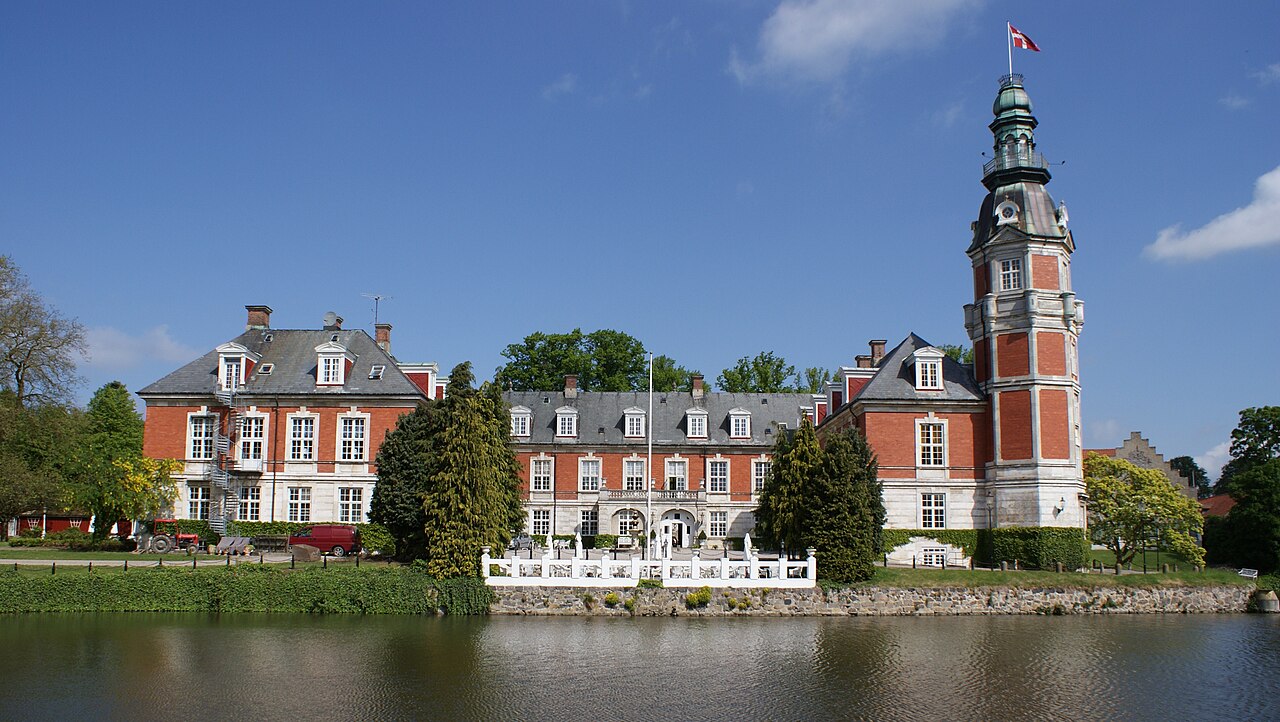
Arreskov Castle
Arreskov Castle, located near Faaborg in Denmark, is a significant example of Renaissance architecture dating back to its construction in 1558. The castle stands on a site with a rich medieval history, having been the location of earlier fortifications that played important roles in Danish royal conflicts during the 13th century.
Medieval origins and royal ownership
The site of Arreskov Castle was originally owned by the Danish Crown. In 1241, it came into the possession of Duke Abel, who inherited it from his father, King Valdemar Sejr. This early castle was a strategic stronghold in the region. However, the castle's turbulent history saw it destroyed multiple times during the 13th century. It was first captured and destroyed by Duke Abel's brother, Erik Plovpenning. Later, in 1264, it was again captured and demolished by King Erik Glipping.
The renaissance castle built in 1558
The current structure is the third castle built on the site and dates from 1558, reflecting the architectural styles and defensive needs of the Renaissance period. The castle is situated on a large mound measuring approximately 100 meters by 35 meters. It features a rectangular embankment that is protected by a surrounding moat and circular outer ramparts. These defensive earthworks were typical of the time, designed to withstand artillery and siege warfare that had evolved since the medieval period.
Castle layout and defensive features
The castle's embankment and moat system created a formidable barrier against attackers. Although the outer ramparts have suffered partial destruction over the centuries, the overall layout remains discernible. The embankment itself is now largely overgrown, but the moat still outlines the castle's perimeter, providing insight into its original defensive design. The use of a moat combined with earthen ramparts reflects a transitional military architecture that blends medieval fortification concepts with Renaissance innovations.
Surrounding landscape and related sites
Near the site of the original Arreskov Castle lies another historic earthwork known as Perdeholm. This castle mound adds to the area's historical significance and suggests a network of fortifications that controlled the surrounding landscape. The proximity of these sites indicates the strategic importance of this region in Danish history.
Current status and visitor information
Today, Arreskov Castle and its park are open to visitors by appointment. While the castle itself is not fully restored, the site offers a valuable glimpse into Denmark's Renaissance military architecture and medieval heritage. Visitors can explore the remains of the moat, ramparts, and embankment, gaining an understanding of the castle's defensive role and historical context.
Architectural significance
Arreskov Castle exemplifies the transition from medieval fortresses to Renaissance castles in Denmark. Its combination of a moat, earthen ramparts, and a substantial embankment reflects the evolving military strategies of the 16th century. The castle's preservation, though partial, allows for study of these architectural adaptations and the historical narrative of Danish royal conflicts.
Frequently asked questions (FAQ)
- How do I get to Arreskov Castle?
- Arreskov Castle is located just outside of Faaborg, Denmark, and can be easily reached by car or public transport. If you are traveling by car, there is parking available near the castle. Public transport options include local buses that connect Faaborg with surrounding areas.
- What is the historical significance of Arreskov Castle?
- Arreskov Castle dates back to the 17th century and holds significant historical value as a prominent example of Danish Renaissance architecture. The castle has served various roles throughout its history, including as a noble residence and estate. Its rich history is reflected in the preserved architecture and surrounding gardens.
- When was Arreskov Castle built?
- Arreskov Castle was constructed in the early 1600s, specifically around 1620. It was built by the noble family of Ahlefeldt and showcases the architectural style of the period. The castle has undergone several renovations while maintaining its historical character.
- Can I visit Arreskov Castle?
- Yes, visitors are welcome to explore Arreskov Castle and its beautiful grounds. Guided tours are often available, providing insights into the castle's history and architecture. It is recommended to check the official website for specific visiting hours and tour availability.
- Why is the architecture of Arreskov Castle notable?
- The architecture of Arreskov Castle is notable for its blend of Renaissance and Baroque styles, featuring distinctive elements such as ornate gables and decorative details. The castle's design reflects the wealth and status of the noble families that inhabited it. Its well-preserved state allows visitors to appreciate the craftsmanship of the era.
- Is it possible to hold events at Arreskov Castle?
- Yes, Arreskov Castle offers facilities for hosting various events, including weddings and corporate gatherings. The picturesque setting and historical ambiance make it a unique venue. Interested individuals should contact the castle management for more information on availability and services.
- What are the opening hours for Arreskov Castle?
- Arreskov Castle generally opens to visitors from late spring to early autumn, with specific hours varying by season. During peak tourist season, the castle may have extended hours to accommodate visitors. It is best to check the official website for the most accurate and up-to-date information on opening hours.
- What are the ticket prices for visiting Arreskov Castle?
- Ticket prices for Arreskov Castle vary depending on the type of tour and age group. Typically, adult tickets are priced reasonably, with discounts available for children and seniors. Group rates may also apply, so it is advisable to check online or contact the castle for detailed pricing information.
- What are some nearby attractions to Arreskov Castle?
- Nearby attractions include the charming town of Faaborg, known for its historic harbor and art galleries. Visitors can also explore the scenic nature areas around the castle, which offer beautiful walking trails and views. Other local sites include the Faaborg Museum and the stunning coastline of Funen.
Information
Loading map...
Visitor reviews
No reviews yet. Been here? Write the first review and help other travelers!
Write the first reviewVisited this castle? Share your experience
Your review helps other travelers and adds first-hand knowledge to our encyclopedia.