Bukhansanseong
Bukhansanseong (Korean: 북한산성; Hanja: 北漢山城) is a significant Joseon-era Korean fortress located within the scenic Bukhansan National Park in South Korea. Completed in 1711, the fortress was constructed to strengthen the defenses of Seoul following vulnerabilities revealed during the Imjin War (1592-1598) and the second Manchu invasion of 1636. Although the name Bukhansanseong is also associated with a much earlier fortress mentioned in the Samguk sagi, allegedly built by Gaeru of Baekje in 132 CE, this connection is debated and the modern fortress is a distinct structure from that ancient site.
Historical context and strategic importance
The fortress was conceived during a period of military and political upheaval in Korea. The 17th century saw Korea under threat from foreign invasions, notably the Japanese invasions during the Imjin War and the Manchu invasions. These events exposed significant weaknesses in the capital's defenses, prompting the Joseon dynasty to commission the construction of Bukhansanseong to protect the northern approaches to Seoul. Its location on Bukhansan Mountain provided a natural defensive advantage, overseeing key routes and serving as a barrier against invading forces.
Architectural features and layout
Bukhansanseong is classified as a bastioned fortress, a style that integrates angled bastions projecting from the curtain walls to provide overlapping fields of fire against attackers. The fortress walls extend approximately 12 kilometers, enclosing an area of about 6.2 square kilometers. Constructed primarily from stone, the walls incorporate multiple gates, watchtowers, and command posts positioned strategically along the perimeter.
Within the fortress are 120 rooms, which include barracks, armories, command centers, and storage facilities. The fortress also housed a royal retreat designed for use during emergencies, underscoring its dual military and administrative functions. The interior layout is adapted to the mountainous terrain, with defensive structures integrated into the natural rock formations and slopes.
Defensive structures
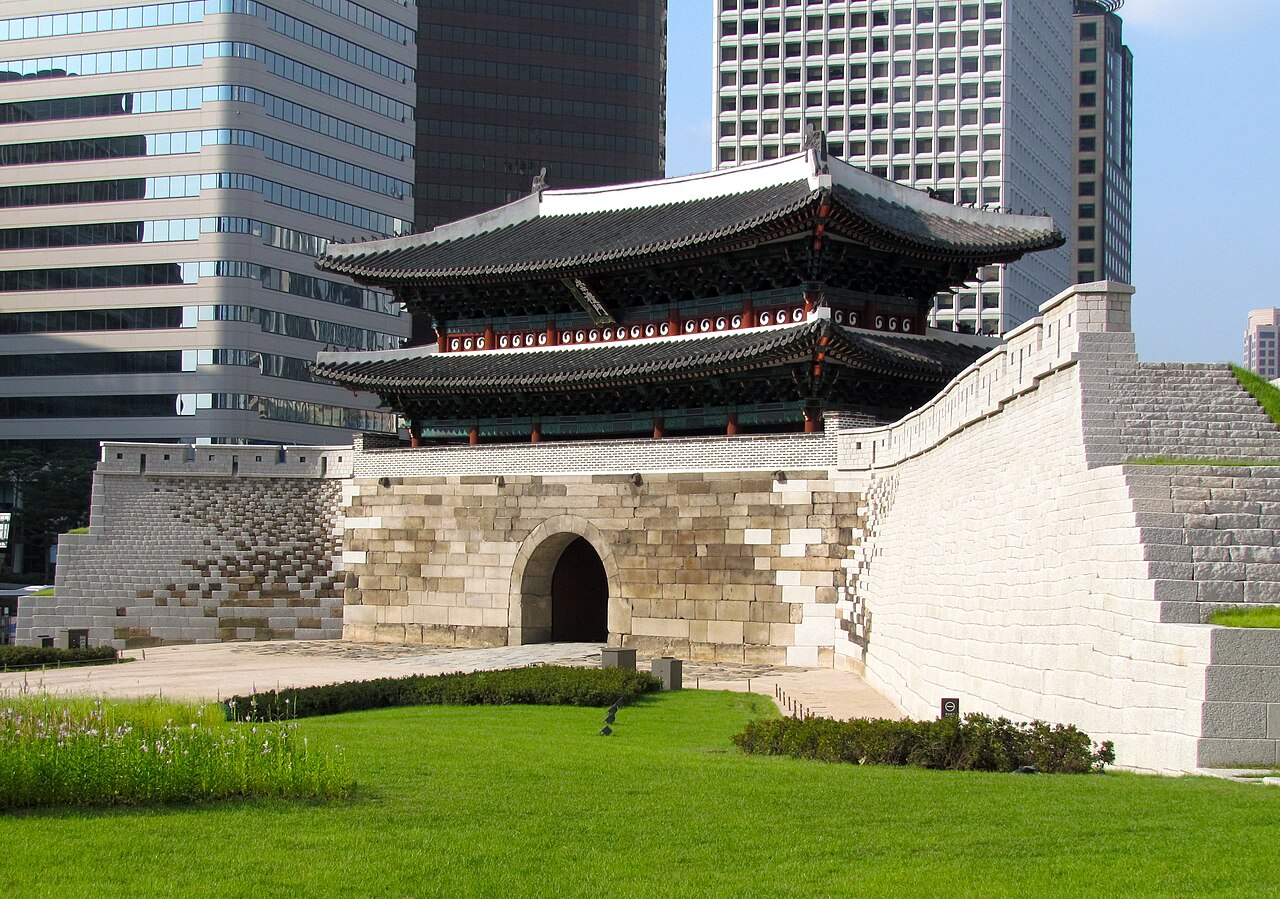
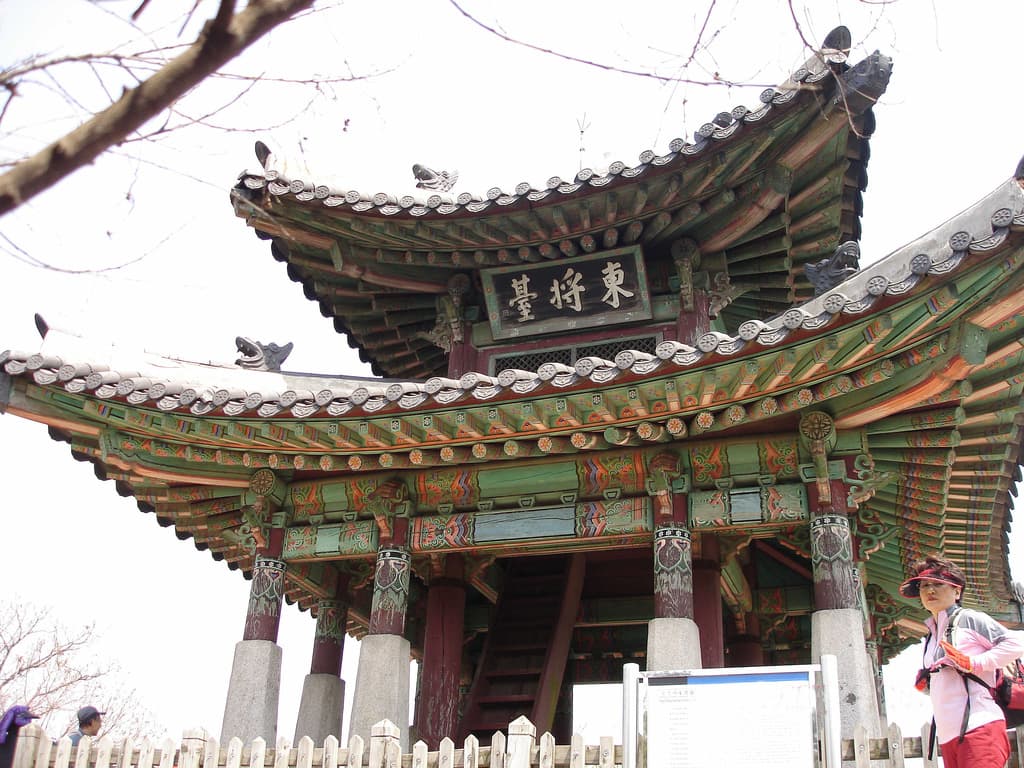
The fortress features several gatehouses that controlled access points, each fortified with heavy wooden doors and defensive mechanisms such as arrow slits and murder holes. The bastions allowed defenders to cover blind spots along the walls, a marked improvement over earlier fortress designs in Korea. Watchtowers provided vantage points for surveillance of the surrounding landscape and early warning of approaching enemies.
Construction and historical development
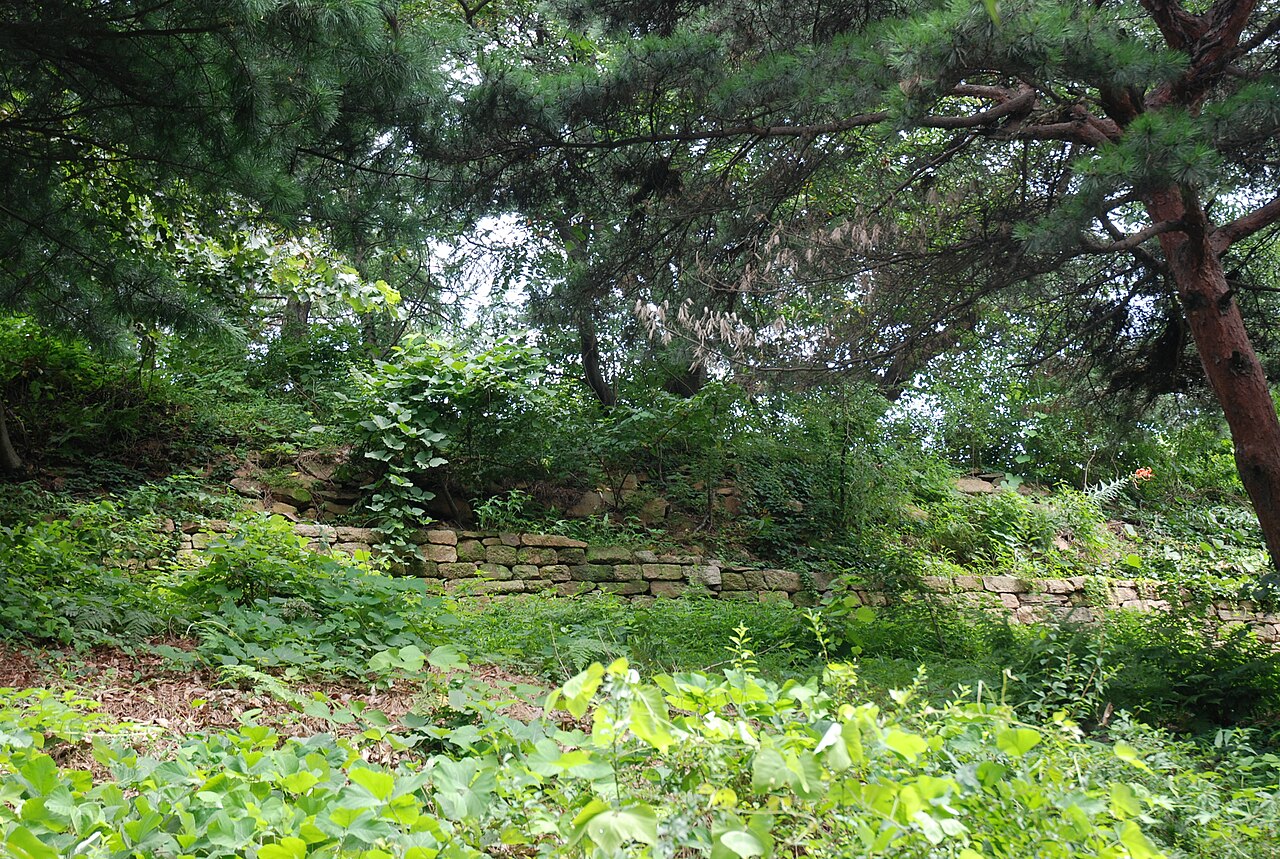
Initial plans for Bukhansanseong date to 1659, but construction was not completed until 1711. The delay reflected the challenges of building a large-scale fortress in rugged mountainous terrain and the shifting political priorities of the Joseon court. The fortress was built using traditional Korean masonry techniques, with stone blocks carefully fitted without mortar in many sections, relying on precise craftsmanship for stability.
Throughout its history, Bukhansanseong underwent maintenance and reinforcement to adapt to evolving military technologies and threats. It remained a critical defensive site through the late Joseon period and into the early modern era.
Role in Korean military history
Bukhansanseong played a pivotal role in Korea's defense strategy by securing the northern approaches to the capital. It was designed to serve as a refuge for the royal family and government officials during times of invasion or siege. The fortress's extensive facilities allowed for prolonged defense and coordination of military operations.
While it did not see major battles in later periods, its presence deterred potential invaders and symbolized the strength of Joseon's military preparedness. Today, it stands as a monument to Korea's historical resilience and strategic military architecture.
Present-day status and cultural significance
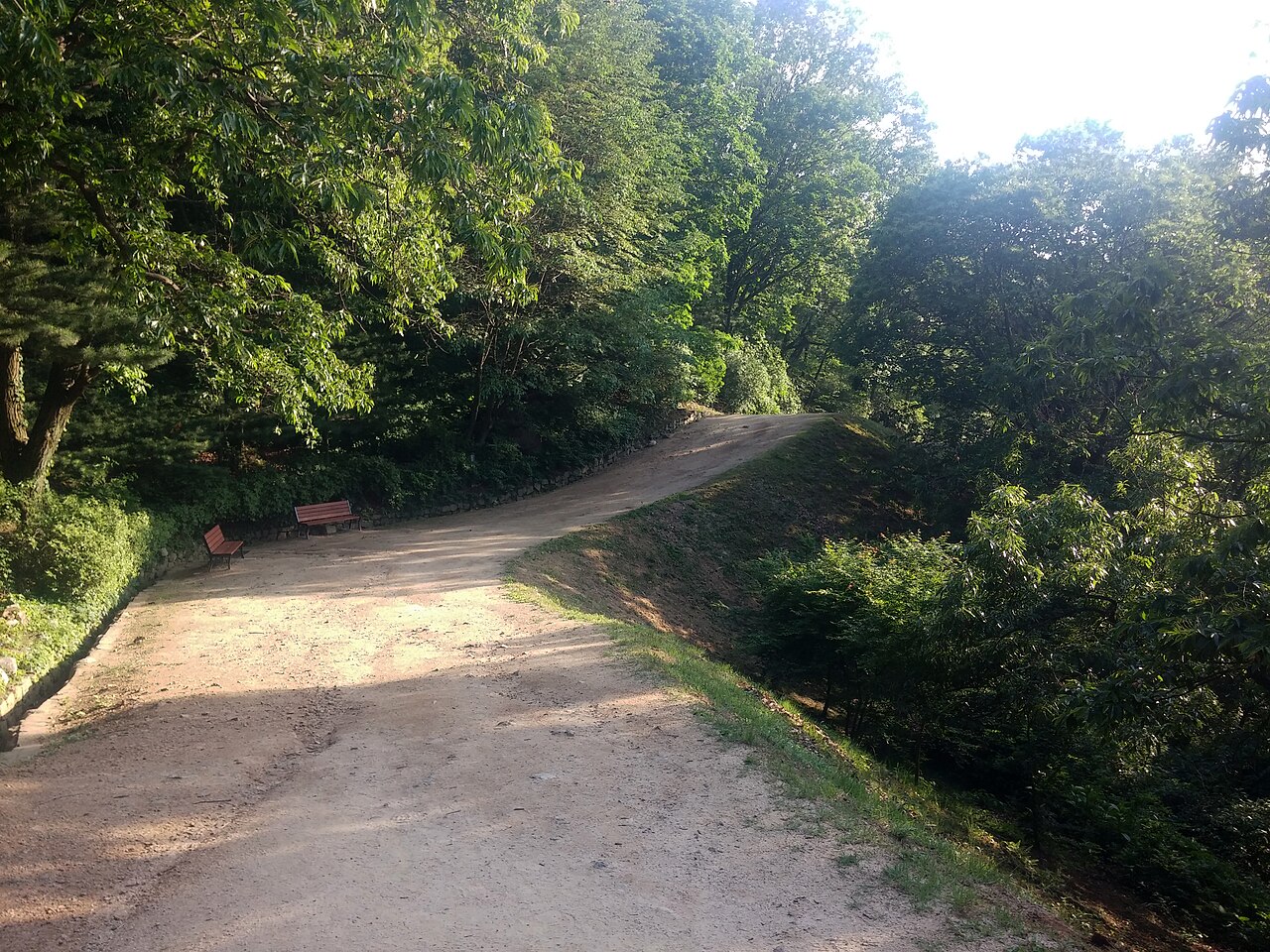
Currently, Bukhansanseong is a well-preserved fortress and a popular destination for hikers and history enthusiasts visiting Bukhansan National Park. The site offers insight into Joseon dynasty military architecture and the historical context of Korea's defense systems. Visitors can explore the fortress walls, gates, and watchtowers while enjoying panoramic views of Seoul and the surrounding mountains.
Efforts have been made to maintain and restore parts of the fortress to preserve its structural integrity and historical authenticity. Bukhansanseong is recognized as an important cultural heritage site, reflecting Korea's architectural ingenuity and historical challenges during the post-Renaissance period.
Frequently asked questions (FAQ)
- What is the historical significance of Bukhansanseong?
- Bukhansanseong was built in the 18th century during the Joseon dynasty to protect Seoul from northern invasions, especially after the Imjin War and Manchu invasions revealed vulnerabilities.
- Can visitors explore the fortress today?
- Yes, Bukhansanseong is well-preserved and open to visitors who can hike the fortress walls, gates, and watchtowers within Bukhansan National Park.
- When was Bukhansanseong constructed?
- Construction began with plans in 1659 and was completed in 1711 during the Joseon dynasty.
- What architectural style does Bukhansanseong represent?
- It is a bastioned fortress, featuring angled bastions, stone walls, gatehouses, and watchtowers designed for comprehensive defense.
- Why was Bukhansanseong built on Bukhansan Mountain?
- Its mountainous location provided a natural defensive advantage, overseeing key approaches to Seoul and making it difficult for invaders to advance.
Photo gallery

Information
Loading map...
Visitor reviews
No reviews yet. Been here? Write the first review and help other travelers!
Write the first reviewVisited this castle? Share your experience
Your review helps other travelers and adds first-hand knowledge to our encyclopedia.