Gyeyangsanseong Fortress
Gyeyangsanseong Fortress is a significant bastioned fortress located in South Korea, known for its strategic placement on mountainous terrain. This fortress exemplifies military architecture adapted to the natural landscape, utilizing the rugged topography of the Gyeyang Mountain area to enhance its defensive capabilities. The fortress walls, constructed primarily from stone, follow the contours of the mountain ridges, creating a formidable barrier against potential invaders.
Historical context and significance
Constructed during a period when fortifications were essential for regional defense, Gyeyangsanseong Fortress played a crucial role in protecting local settlements and military outposts. While the exact date of construction is not definitively recorded, it is associated with the military strategies of the Joseon Dynasty, which ruled Korea from the 14th to the early 20th century. The fortress served as a defensive stronghold against invasions and raids, particularly during times of conflict with neighboring states and internal uprisings.
Architectural features and layout
The fortress is characterized by its extensive stone walls that stretch over the mountain ridges, incorporating natural rock formations into the structure. These walls include bastions—projecting parts of the fortification designed to enable defenders to cover adjacent walls with gunfire, reflecting the adaptation to evolving military technology such as firearms. The design of Gyeyangsanseong Fortress demonstrates a blend of traditional Korean fortification techniques with influences from later military architectural developments.
Defensive elements
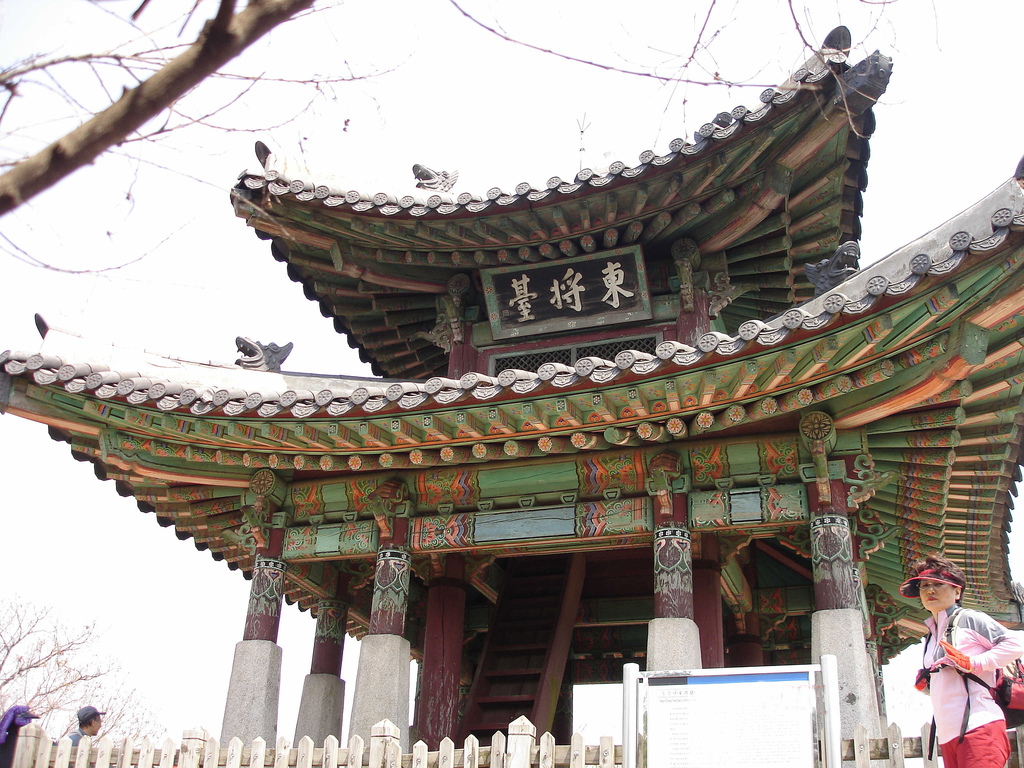
Key defensive features include strategically placed watchtowers and gatehouses that controlled access and provided vantage points for surveillance. The fortress also incorporates moats or natural barriers where possible, enhancing its defensive perimeter. The walls are thick and robust, constructed to withstand sieges and artillery attacks.
Integration with the natural environment
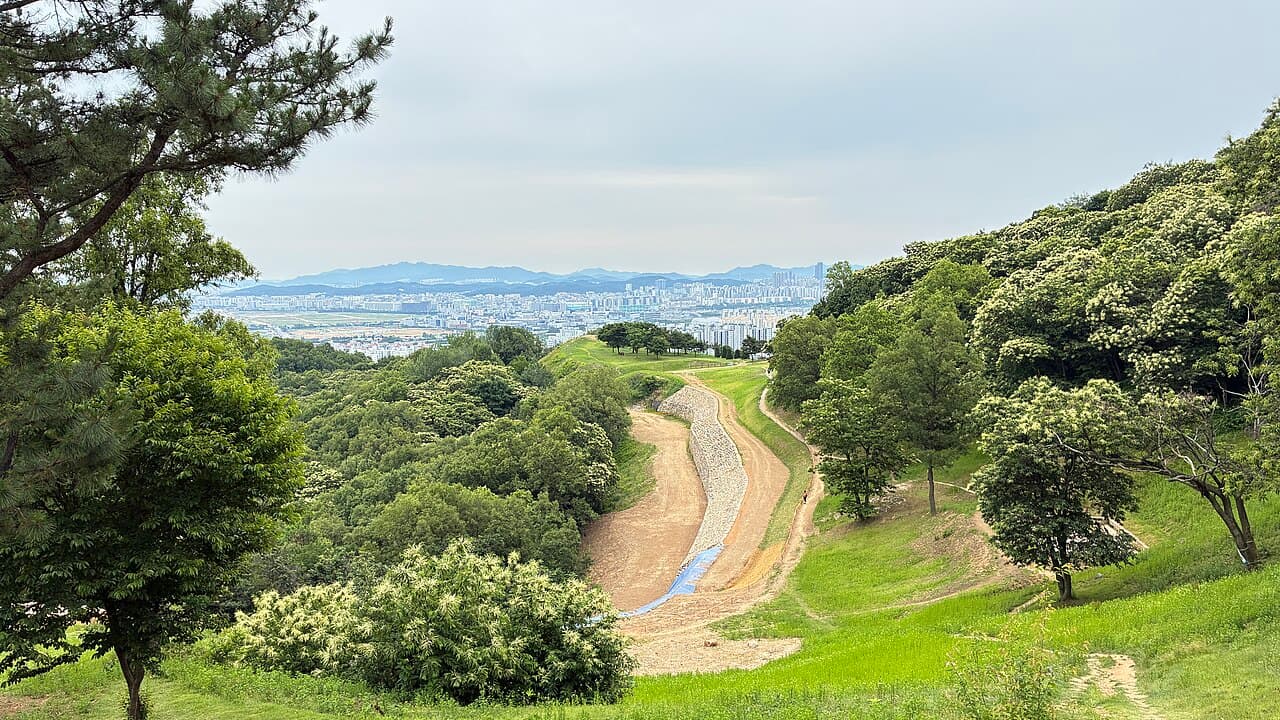
One of the fortress's most notable characteristics is its harmony with the mountainous landscape. The builders utilized the steep slopes and rocky outcrops to minimize construction where natural defenses sufficed, reducing the need for extensive masonry in some sections. This approach not only conserved resources but also made the fortress more difficult to assault.
Current condition and cultural importance
Today, Gyeyangsanseong Fortress remains a partially preserved historical site, with sections of its walls and bastions still visible. Restoration efforts have aimed to maintain the integrity of the fortress while allowing visitors to appreciate its historical and architectural significance. The site is valued both as a cultural heritage monument and as an example of Korea's military architecture during the Joseon period.
Visiting Gyeyangsanseong Fortress
Visitors to the fortress can explore the remaining walls and enjoy panoramic views of the surrounding landscape from the elevated positions within the fortress. The site offers insight into the defensive strategies employed in Korean fortifications and provides a tangible connection to the country's historical military past.
Access and facilities
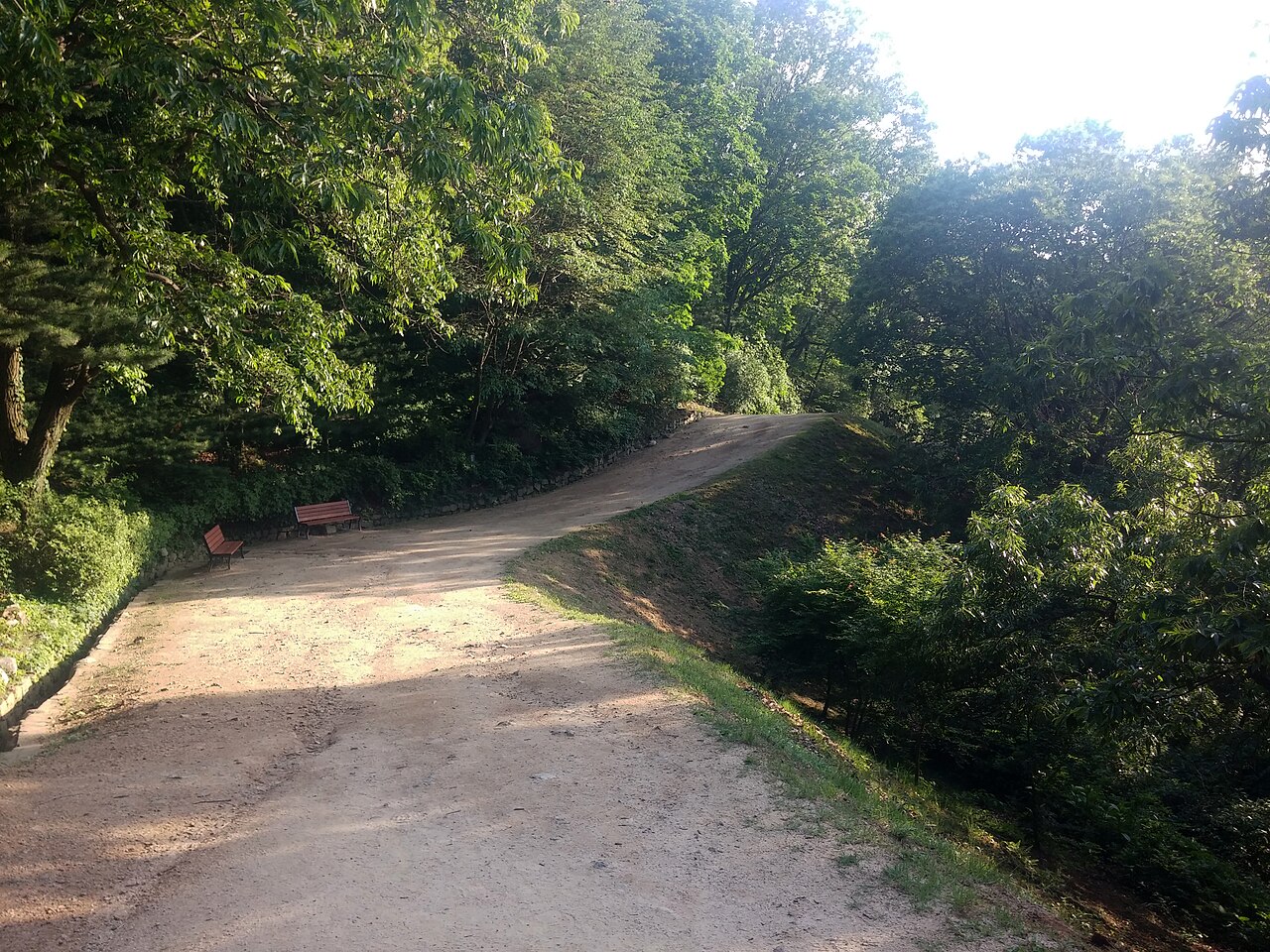
The fortress is accessible by hiking trails that traverse the mountainous terrain. Visitors are advised to wear appropriate footwear and prepare for uneven paths. Interpretive signage and guided tours may be available to enhance the educational experience.
Nearby attractions
In addition to the fortress itself, the surrounding region offers natural beauty and cultural sites, making it a worthwhile destination for those interested in history, architecture, and nature.
Frequently asked questions (FAQ)
- When was Gyeyangsanseong Fortress built?
- The exact construction date of Gyeyangsanseong Fortress is not precisely documented, but it is associated with the Joseon Dynasty period, which lasted from the 14th to early 20th century.
- What are the main architectural features of Gyeyangsanseong Fortress?
- The fortress features extensive stone walls following the mountain ridges, bastions for defensive gunfire, watchtowers, and gatehouses, all integrated with the natural mountainous terrain.
- Can visitors hike around Gyeyangsanseong Fortress?
- Yes, the fortress is accessible via hiking trails that offer views of the surrounding landscape. Visitors should prepare for uneven terrain and wear suitable footwear.
- Is Gyeyangsanseong Fortress fully preserved?
- No, the fortress is partially preserved with some walls and bastions still intact, reflecting its historical military architecture.
- Why is Gyeyangsanseong Fortress historically important?
- It served as a defensive stronghold during the Joseon Dynasty, protecting local settlements and military positions from invasions and raids.

Information
Loading map...
Visitor reviews
No reviews yet. Been here? Write the first review and help other travelers!
Write the first reviewVisited this castle? Share your experience
Your review helps other travelers and adds first-hand knowledge to our encyclopedia.