Hachen Castle
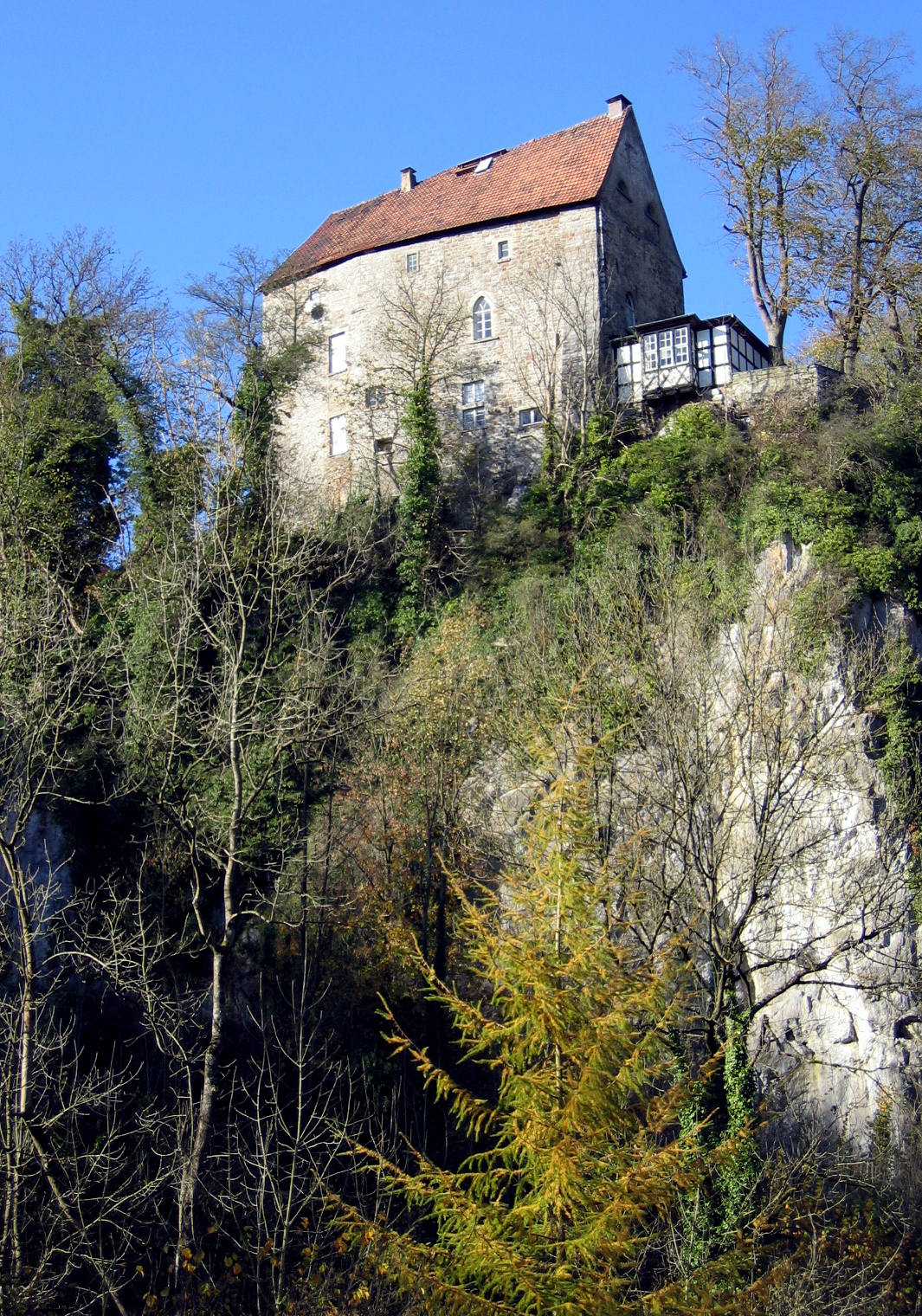
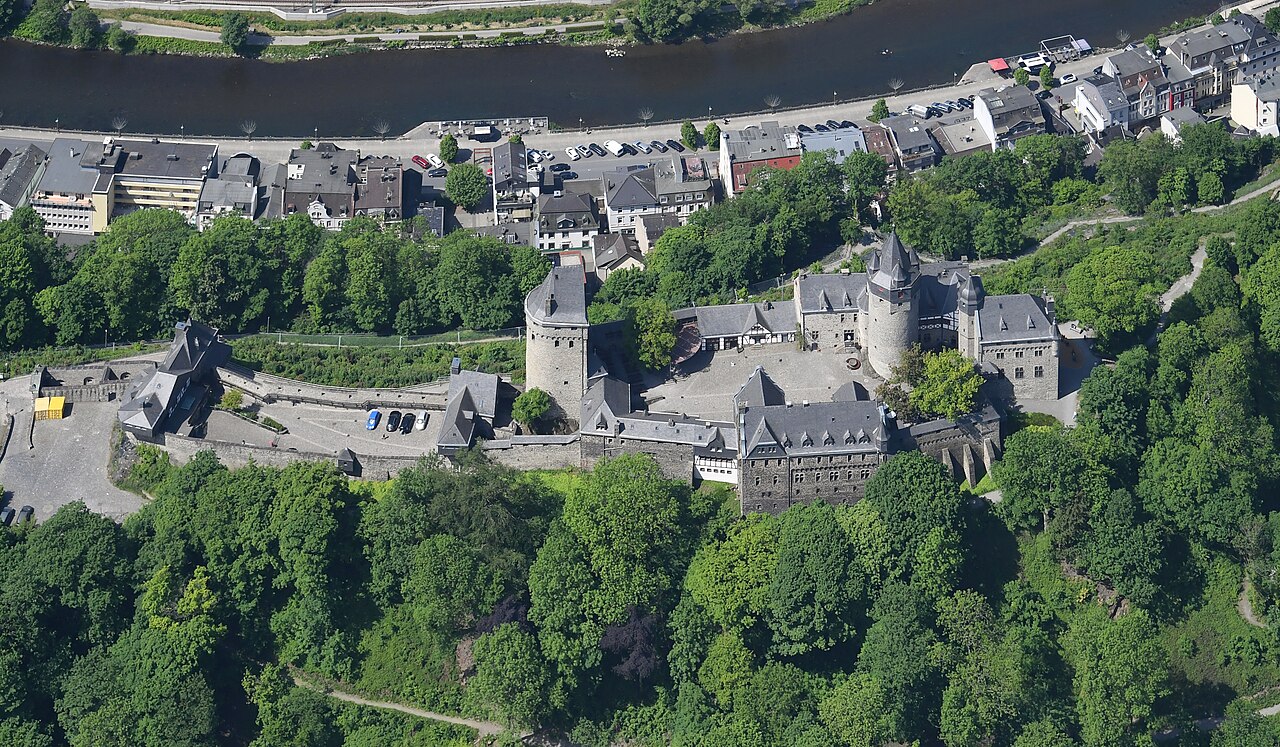
Hachen Castle, located in the district of Hachen within the municipality of Sundern in Sachsen, Germany, is a notable example of a medieval hill castle with origins dating back to around 1000 AD. This fortress stands as a testament to the region's feudal history and architectural evolution during the High Medieval period. Its strategic hilltop position afforded commanding views and defensive advantages, typical of castles constructed during this era.
Early history and ownership transitions
The castle was originally established by the local nobility, specifically Count Ezzo and his family, the Ezzonen, who were influential figures in the Rhineland during the early Middle Ages. Around 1060, ownership passed to Otto von Northeim, a prominent nobleman of the period. Subsequently, in 1080, Otto's son transferred the castle to the Archbishop of Cologne, a powerful ecclesiastical and political authority in the region.
The archbishop then granted Burg Hachen as a fief to the Counts of Dassel, who maintained control until 1232, when the castle was sold to the Counts of Arnsberg. The castle's governance shifted multiple times in the following centuries, reflecting the complex feudal dynamics of medieval Germany. In 1368, after the sale of the County of Arnsberg, Burg Hachen reverted to the direct authority of the Archbishopric of Cologne.
Notably, around 1371, the castle served as the residence of Anna, the last Countess of Arnsberg, during her widowhood. However, she later relocated to Burg Wildshausen, marking the beginning of the castle's decline in political importance from the 15th century onward.
Architectural features and defensive structures
Burg Hachen exemplifies the typical hill castle design, strategically perched on an elevated site to maximize defense and surveillance. The main fortified area measures approximately 40 by 60 meters and occupies a prominent elevation, while a lower outer bailey lies on a more level plateau below. This two-tiered configuration allowed defenders to control access routes and provided layered protection.
Archaeological excavations conducted in 1923 and between 1978 and 1980 have revealed significant architectural elements. The northern approach, considered the castle's most vulnerable side, was fortified by a substantial shield wall approximately two meters thick. Behind this wall stood a round tower about eight meters in diameter, likely functioning as a bergfried. Such towers were primarily defensive, serving as refuges during sieges rather than permanent residences.
In a later construction phase, the original round tower was replaced by a trapezoidal tower with thick walls, indicating adaptations to evolving military technologies or structural needs. Within the castle enclosure, several additional buildings were identified, probably serving residential and service functions, although detailed descriptions of these structures remain limited.
Historical significance and decline
Throughout the medieval period, Burg Hachen played a role in regional power struggles and feudal administration. Its ownership by various noble families, including the von Wrede, Ketteler, von Thülen, von Ledebur, and von Fürstenberg lineages, reflects its continued importance as a noble residence and symbol of authority.
However, from the 15th century onwards, the castle's military and political significance diminished. The relocation of key figures, such as Countess Anna, and changing political landscapes contributed to its gradual decline. By the 19th century, Burg Hachen ceased to function as a noble seat and was acquired by the municipality of Hachen in 1839.
In recognition of local history and sacrifice, a war memorial was erected near the castle ruins and inaugurated on August 3, 1924, commemorating soldiers from the area.
Archaeological research and preservation efforts
Despite limited detailed architectural studies, excavations have shed light on the castle's layout and construction phases. The findings from the early and late 20th century have provided valuable insights into the defensive strategies and residential arrangements within the castle complex.
Today, the remains of Burg Hachen are protected within a nature reserve established in 2019, covering approximately 2.5 hectares around the ruins. This protected area not only conserves the historical fabric of the castle but also preserves the local ecosystem, including a diverse community of native snails and other fauna. Conservation efforts are coordinated with local nature protection authorities to maintain both the cultural heritage and natural environment.
Visitor information and cultural importance
While the castle is primarily a ruin, its location and historical significance make it an important cultural landmark in the region. Visitors can explore the site to appreciate the medieval fortification techniques and the castle's role in the feudal history of Sachsen. The surrounding nature reserve offers opportunities for hiking and observing local wildlife, enhancing the visitor experience.
Access to the site is subject to conservation regulations to protect both the ruins and the natural habitat. Visitors are encouraged to respect the preservation measures to ensure the castle's legacy endures for future generations.
Frequently asked questions (FAQ)
- What is the historical significance of Hachen Castle?
- Hachen Castle, located in Sundern, Germany, dates back to the 13th century and played a crucial role in the region's defense during the Middle Ages. Its architecture reflects the typical features of medieval fortifications, making it an important site for understanding the history of the area.
- When is the best time to visit Hachen Castle?
- The best time to visit Hachen Castle is during the spring and early autumn months when the weather is mild and pleasant. This period also offers beautiful natural scenery, enhancing your experience as you explore the castle grounds.
- What are the opening hours for Hachen Castle?
- Hachen Castle is open to visitors from Tuesday to Sunday, typically from 10 AM to 6 PM. However, it is advisable to check the official website or contact the castle directly for seasonal variations or special events that may affect these hours.
- Can I access Hachen Castle with a wheelchair?
- Hachen Castle has made efforts to improve accessibility; however, due to its historical nature, some areas may be difficult to navigate for wheelchair users. It is recommended to contact the castle beforehand to inquire about specific accessibility options available for your visit.
- What are the ticket prices for Hachen Castle?
- Ticket prices for Hachen Castle are generally affordable, with discounts available for children, students, and seniors. Visitors can also take advantage of family packages, making it an economical choice for a day out.
- Is it possible to take guided tours at Hachen Castle?
- Yes, guided tours are available at Hachen Castle, providing visitors with in-depth knowledge about its history and architecture. These tours are typically offered in multiple languages, ensuring an enriching experience for all guests.
- What nearby attractions can I visit while at Hachen Castle?
- While visiting Hachen Castle, you can explore the picturesque town of Sundern, which offers charming shops and local cuisine. Additionally, the surrounding natural parks provide opportunities for hiking and outdoor activities, making it a perfect day trip destination.
Information
Loading map...
Visitor reviews
No reviews yet. Been here? Write the first review and help other travelers!
Write the first reviewVisited this castle? Share your experience
Your review helps other travelers and adds first-hand knowledge to our encyclopedia.