Gülek Castle — Turkey castle

Gülek Castle

Gülek castle: strategic armenian fortress near the cilician gates
Near Gülek, Mersin, Turkey
High Medieval (11th–13th c.)
Partially Preserved

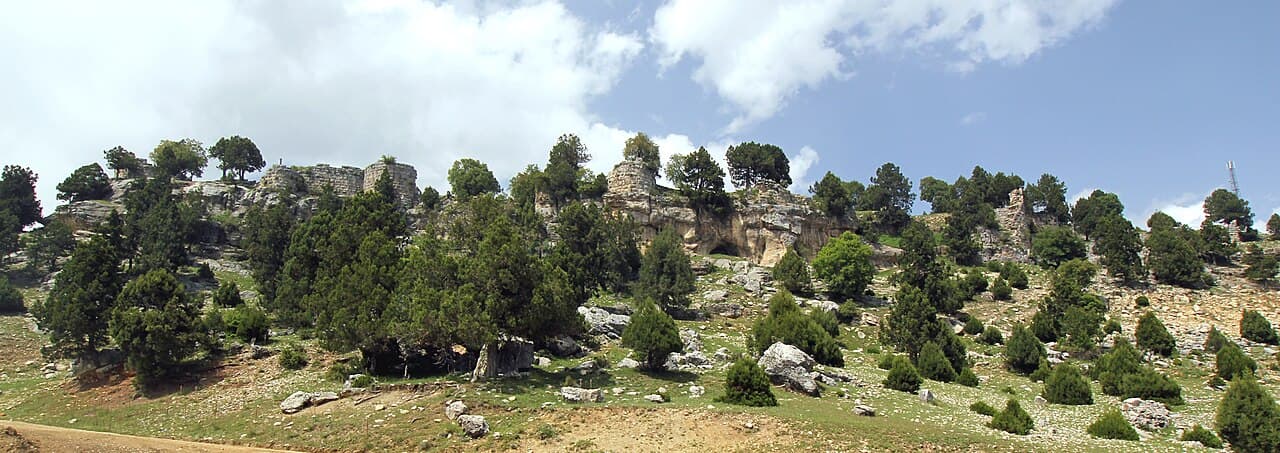
Gülek Castle, locally known as Gülek Kale, is a historic fortress perched on a rocky plateau near the town of Gülek in the Mersin province of Turkey. This hill castle occupies a strategic position at nearly 1,600 meters above sea level on a spur of the Taurus Mountains, commanding the vital mountain pass known as the Cilician Gates. This pass historically connected Anatolia with the Cilician plain and further routes toward Syria, making the castle a key military and trade control point throughout its history.

The origins of the site trace back to the Byzantine period, when it likely served as a fortification known as Ḥiṣn Bulas. Archaeological evidence indicates prolonged Byzantine and Arab occupation before the castle became a significant stronghold of the Armenian Kingdom of Cilicia during the High to Late Medieval periods. The castle is first documented in 1199 in the coronation records of Armenian King Leo I, where a certain Baron Smbat (Sempad) is named as the lord of Gülek, suggesting its importance within the Armenian royal domain.

Historical significance and political context

Throughout the 13th and early 14th centuries, Gülek Castle functioned as a customs post and military outpost under Armenian control. A 1288 charter by King Leo II refers to the castle as Guglag, underscoring its role in regulating trade through the Cilician Gates. In 1310, Alinak, brother of King Oshin, is recorded as the castle's overseer, reflecting its continued strategic and administrative importance.

By the late 14th century, the region experienced shifting political power as the Mamluks expanded their influence and Turkmen groups settled in the area. This transition marked the decline of Armenian control over the fortress. Despite these changes, the castle retained local significance into the 19th century, when it was occupied by regional leaders such as Kaleh Agassi and briefly by Ibrahim Pasha during his revolt against Ottoman rule in 1838-39. Ibrahim Pasha may have undertaken some refortification efforts during his occupation.

Architectural features and fortifications

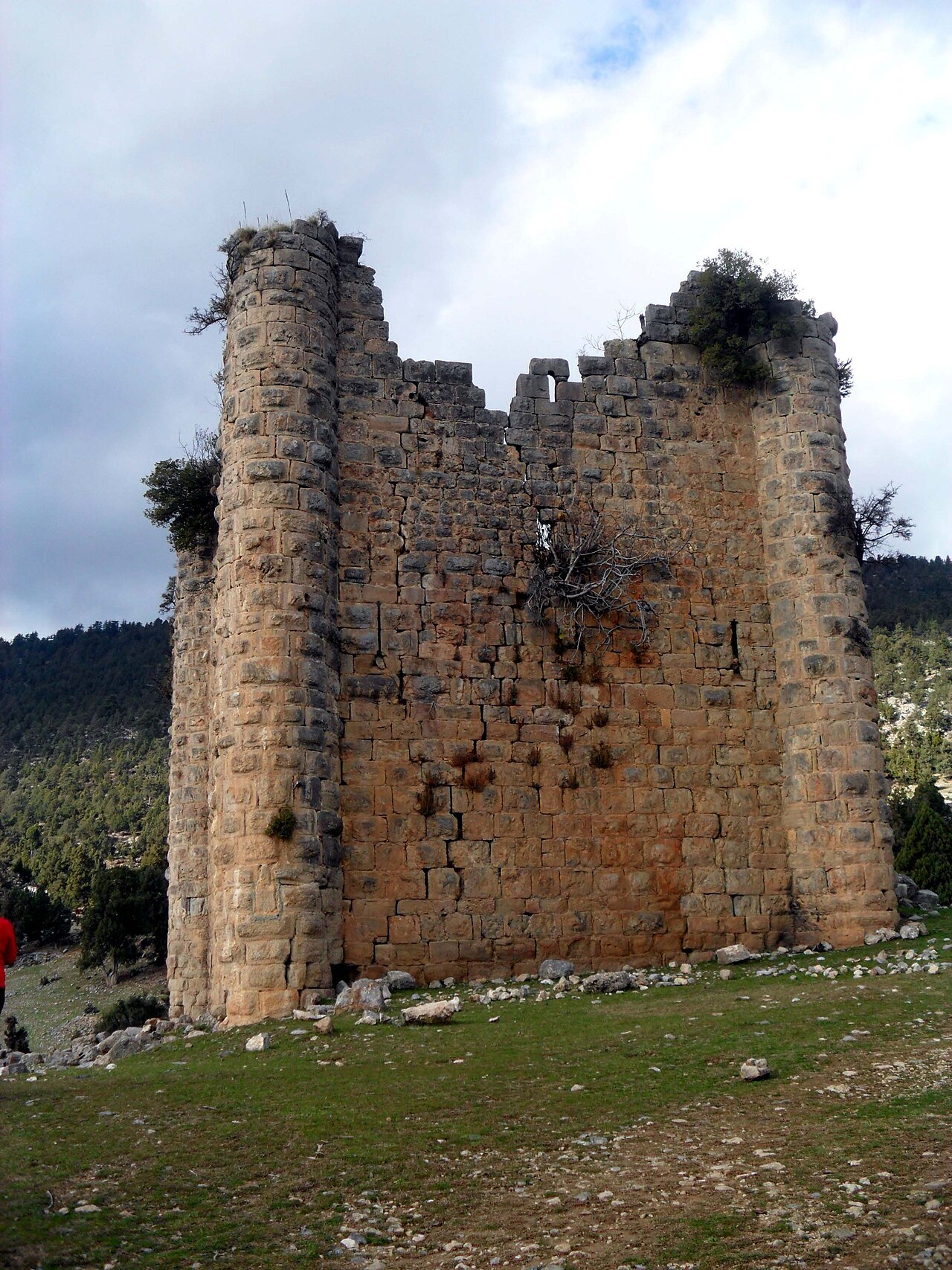
Gülek Castle is built on a naturally defensible plateau with steep cliffs to the north and east, which provided strong natural protection. The man-made defenses are concentrated on the south and west sides, where a double line of fortified walls encircles the summit. These walls include several semicircular bastions and a rectangular bastion, typical of medieval Armenian military architecture.

The main entrance is located on the western side, featuring a pointed arch portal approximately three meters wide and two and a half meters high. This gate originally held a large wooden double-winged door and was topped by a three-part horizontal lintel and a machicolation — a projecting stone defensive feature with openings to repel attackers.

The castle walls are constructed from finely cut bossed and ashlar stone blocks, characteristic of late 12th and early 13th-century Armenian craftsmanship. Polygonal towers rise at intervals along the walls, with the largest tower positioned on the western flank, offering commanding views of the surrounding terrain and roadways.

Internal structures and water management

Inside the fortress, remnants of two cisterns carved into the bedrock remain visible, which were essential for collecting and storing water during sieges. Archaeological traces reveal underground chambers, columned porticos, and storage rooms, indicating a complex internal layout designed for both defense and daily life. A notable large stone staircase descends steeply at about a 60-degree angle from the rock face, suggesting intricate internal movement within the site.

Economic and industrial connections

Beyond its military role, Gülek Castle was connected to economic activities during the Armenian Kingdom period. The site hosted a mint where coins were produced, underscoring its administrative importance. Nearby mining operations extracted valuable metals such as gold, silver, and copper, linking the fortress to regional industrial enterprises.

Later history and current status

In the 19th century, the castle saw continued use and adaptation. Historical records mention squatters residing within the fort, and Ibrahim Pasha's brief occupation likely led to structural modifications resembling other fortifications he controlled. Around 1855, the regional leader Kaleh Agassi also resided there, maintaining the castle's local significance.

Today, Gülek Castle is partially preserved with many ruins accessible to visitors. A modern building used by the Turkish Forestry Service stands in the northwestern section. Although the ruins themselves may not be spectacular, the castle offers breathtaking views toward the north, overlooking the Cilician Gates and the surrounding Taurus Mountains.

The site is reachable via a long, winding dirt road from the nearby village of Gülek, making it a rewarding destination for history enthusiasts and hikers interested in exploring a fortress that played a pivotal role in medieval Armenian and regional history.

Notable visitors and scholarly research

Gülek Castle has attracted the attention of various travelers and scholars over the centuries. Notable figures include the Ottoman traveler Evliya Çelebi, botanist Theodor Kotschy, historian Victor Langlois, and the Burgundian pilgrim Bertrandon de la Broquière. In the 20th century, the castle was the subject of academic study by archaeologists Hansgerd Hellenkemper and Friedrich Hild, who contributed to understanding its architectural and historical significance.

Frequently asked questions (FAQ)

How do I get to Gülek Castle?
Gülek Castle is accessible via a long, winding dirt road from the village of Gülek in Mersin province, Turkey. Visitors should prepare for a hike as the terrain is mountainous and the road may be rough.
What is the historical significance of Gülek Castle?
Gülek Castle was a strategic fortress controlling the Cilician Gates, a vital mountain pass linking Anatolia to the Cilician plain and Syria. It played a key role during the Armenian Kingdom of Cilicia and later periods.
Can I visit the interior ruins of Gülek Castle?
Yes, the castle ruins are freely accessible, allowing visitors to explore the remains of walls, bastions, cisterns, and staircases. However, facilities are limited, so caution is advised.
When was Gülek Castle built?
The castle's main construction dates from the 12th to 14th centuries during the Armenian Kingdom of Cilicia, with earlier Byzantine origins and later modifications in the 19th century.
Are there any notable architectural features at Gülek Castle?
Notable features include polygonal towers, a pointed arch main gate with machicolation, double curtain walls with semicircular and rectangular bastions, and bedrock-carved cisterns.

Photo gallery

Gülek Castle
Click to view

Photo by Ingeborg Simon•CC BY-SA 3.0

1 photo • Click any image to view in full screen

Information

Hill Castle

Loading map...

Visitor reviews

No reviews yet. Been here? Write the first review and help other travelers!

Write the first review

Visited this castle? Share your experience

Your review helps other travelers and adds first-hand knowledge to our encyclopedia.

Write a review

(5/5)

0/2000 characters

Your review will be visible after admin approval

Nearby castles

15.7 km

Oğlan Castle

East of Çokak, Turkey

Oğlan Castle, locally known as Oğlan Kalesi, is a medieval fortress located on a small rocky outcrop east of the village of Çokak in the Mersin province of Turkey. This castle stands in the historic region of Cilicia, an area notable for its strategic importance and complex history during the High Medieval period. Cilicia was the seat of the Armenian Kingdom of Cilicia from the late 11th century until the late 14th century, a time when numerous fortifications were constructed to defend the region against various incursions. The exact medieval name and detailed history of Oğlan Castle remain unknown, a common issue with many fortifications in this part of Cilicia. However, architectural and historical analysis suggests that the castle was likely built in the early 13th century, placing it firmly within the High Medieval era. The castle's construction exhibits a blend of Armenian masonry techniques and architectural features reminiscent of Crusader fortifications found in the Holy Land, indicating a collaboration or influence between Armenian builders and Crusader occupants, most likely the Knights Hospitaller. The Hospitallers were granted lands in this region around 1214, which aligns well with the castle's estimated construction date. Architectural features and design Oğlan Castle is believed to have functioned primarily as a defensible hall or tower house, a common type of fortification designed to serve both residential and military purposes. The castle's plan is rectangular and it originally likely had two stories. Today, what remains most prominently is a barrel vault, a significant architectural feature that demonstrates the skill of the Armenian masons who constructed it. The barrel vault is well-preserved and provides insight into the castle's original internal structure. The south face of the castle, where the main entrance probably was located, has been lost over time, which limits full understanding of the original layout. The castle's position on a rocky outcrop allowed for a strong defensive advantage, overseeing the surrounding fields and controlling local routes. There is also clear intervisibility with Kızlar Castle to the south, suggesting a network of fortifications that could communicate or provide mutual defense across the landscape. Historical context and significance The region of Cilicia was a cultural crossroads during the High Medieval period, inhabited by Armenians and influenced by Crusader states. Oğlan Castle's mixed architectural characteristics reflect this intersection of cultures. The castle likely served not only as a military outpost but also as the center of an agricultural estate, supporting local economic activity and providing security for the surrounding lands. The presence of the Knights Hospitaller in the area after 1214 indicates that Oğlan Castle may have had strategic importance in controlling trade routes and defending against incursions from neighboring powers. The Hospitallers were known for their fortification expertise and their castles often combined residential comfort with military strength, traits that can be inferred at Oğlan. Current condition and visitor information Today, Oğlan Castle is in a partially preserved state, with the barrel vault being the most notable surviving feature. The castle is freely accessible to visitors, though the site offers limited remains beyond the vault. Its proximity to Kızlar Castle makes it a worthwhile quick stop for those interested in the medieval fortifications of Cilicia. Visitors should be prepared for a modest site with no extensive facilities but can appreciate the craftsmanship of the Armenian masons and the historical significance of the location. The castle's setting on a rocky outcrop provides a glimpse into the strategic considerations of medieval fortification builders in this region. Architectural comparison and influences Oğlan Castle's architectural plan is unusual for Armenian military architecture, which typically favored different layouts. The rectangular plan and barrel vault construction show influence from Crusader fortress designs in the Levant, highlighting the cultural and military exchanges between Armenian builders and Crusader knights. This fusion of styles is a testament to the dynamic political and cultural environment of Cilicia during the High Medieval period. The castle's construction techniques, especially the masonry, display hallmark features of Armenian craftsmanship, such as finely cut stone blocks and precise fitting, which have contributed to the vault's survival over centuries. The combination of these elements makes Oğlan Castle an important example of cross-cultural medieval military architecture.

High Medieval (11th–13th c.)
Details
17.7 km

Kızlar Castle

Southeast of Çavuşlu, Turkey

Kızlar Castle, also known locally as Kızlar Kalesi or Kız Kalesi, is a striking medieval fortress perched atop a nearly conical mountain approximately 550 meters high, southeast of the village of Çavuşlu in the Mersin province of Turkey. This castle stands within the historic region of Cilicia, an area that was once home to the Armenian Kingdom of Cilicia from the late 11th century until the late 14th century. Although the original medieval name of the castle remains unknown, its architectural features and strategic location provide valuable insights into its historical context and function. Historical context and strategic significance The castle is believed to have been constructed in the 11th century during the High Medieval period, a time when the Armenian Kingdom of Cilicia was establishing itself as a significant regional power. The fortress likely served as a military outpost to control and monitor the main routes through the rugged terrain of Cilicia. Notably, Kızlar Castle has a clear line of sight to Oğlan Castle to the north, suggesting a network of fortifications designed for communication and mutual defense. Historical records indicate that from 1214, the castle probably came under the control of the Knights Hospitaller, a Crusader military order granted lands in this region by the Armenian king. This connection reflects the castle's role not only as a defensive stronghold but also as part of the complex political and military alliances during the Crusades era in the eastern Mediterranean. Architectural features and layout Kızlar Castle exhibits characteristic elements of Armenian masonry, identifiable through the style and construction techniques of its stonework. The fortress is built on a mountain summit, taking advantage of the natural elevation for defense. The main structure consists of a rectangular keep with a distinctive 45-degree bend approximately midway along its length, a feature that may have served defensive or structural purposes. The keep connects to a circuit wall that encloses the summit, creating a fortified perimeter that protected the castle's interior spaces. Inside the keep, several rooms are arranged vertically and horizontally, interconnected by stairways and doorways. The original main entrance to the keep is not clearly identifiable today, likely due to the passage of time and partial ruin. The castle's position allowed it to guard an ancient road running from Adana northwards to Pozantı, a vital route for trade and military movements. This strategic placement underscores the fortress's role in controlling access and providing surveillance over the surrounding landscape. Current condition and visitor experience Today, Kızlar Castle remains in a state of partially preserved ruins, with many of its walls and rooms still standing, offering visitors a tangible connection to its medieval past. Access to the castle requires a hike of about 45 minutes, initially along a rocky dirt road followed by a narrow and sometimes faint path leading to the summit. Visitors can explore the castle's interior rooms, which retain their original stone floors, although some are covered in animal dung, likely from local sheep or goats. The site provides expansive views of the surrounding Cilician landscape, allowing for appreciation of the castle's commanding position. Visitors should exercise caution, as wildlife such as snakes may be present in the area. The castle's remote and rugged setting adds to the sense of adventure and discovery when exploring this historic site. Architectural and cultural significance The fortress exemplifies the military architecture of the Armenian Kingdom of Cilicia, reflecting the blend of local building traditions and Crusader influences. Its probable association with the Knights Hospitaller illustrates the complex political dynamics of the region during the 12th and 13th centuries. Kızlar Castle's enduring presence contributes to the understanding of medieval fortifications in southeastern Anatolia and highlights the strategic importance of Cilicia in medieval geopolitics. The castle is a valuable cultural heritage site that offers insights into the defensive strategies and architectural practices of the period. Exploring the Cilician castle network Kızlar Castle is part of a broader system of fortresses scattered across Cilicia, many of which were interconnected to provide regional defense. The nearby Oğlan Castle and other fortifications formed a chain that helped control mountain passes and trade routes. Exploring these castles collectively reveals the military and administrative organization of the Armenian Kingdom and Crusader states in the area. Each castle contributes unique architectural details and historical narratives, enriching the overall understanding of medieval Cilician fortifications.

High Medieval (11th–13th c.)
Details
18.2 km
Sinap Castle — Turkey castle

Sinap Castle

Çamlıyayla, Turkey

Sinap Castle, locally known as Sinap Kalesi, is a medieval fortress located in the province of Mersin, Turkey. Perched on a hillside in the historic region of Cilicia, it is a notable example of Armenian military architecture from the High Medieval period. The castle occupies a strategic position overlooking key mountain trails in the Toros Mountains, particularly guarding access routes towards Gülek Pass and connecting to the important Het‛umid stronghold of Lampron Castle. Constructed most likely in the late 12th or 13th century, Sinap Castle served primarily as a fortified estate house rather than a large-scale fortress. It functioned as a local noble residence and a defensive outpost within the network of fortifications of the Armenian Kingdom of Cilicia, which flourished in the region from the late 11th century until the late 14th century. Although the castle's original medieval name remains unknown, its Turkish name "Sinap" is believed to derive from a word meaning "corner," reflecting its position overseeing a critical bend in the landscape. Historical context and significance The region of Cilicia was a vital crossroads between the Anatolian interior and the Mediterranean coast, making control of mountain passes like the Cilician Gates essential for trade and military movements. Sinap Castle was part of a defensive chain that included larger fortresses such as Lampron and Çandır Castle. Its role was to protect the local area and secure the mountain trail that linked these major castles, particularly the route leading to Gülek Castle. Within the feudal system of the Armenian Kingdom of Cilicia, Sinap likely served as the center of an agricultural district, housing the local baron and his family. Its relatively modest size and design indicate it was intended more for estate management and local defense than for withstanding prolonged sieges. The castle's connection to Lampron suggests it was subordinate to this larger fortress, acting as an outpost to monitor movement in the region. Architectural features and layout General structure Sinap Castle is classified as a hill castle and features a rectangular keep with round salients at each corner, a characteristic design element in Armenian fortifications of the period. The keep rises to three stories, constructed using rusticated ashlar masonry, where large stone blocks with roughened surfaces are carefully fitted to create a robust defensive structure. Interior design and defensive elements The ground floor is defined by a pointed vaulted ceiling, although parts of this vault have collapsed. This level has a single entrance on the west side and no additional openings, emphasizing its defensive purpose. Originally, an internal staircase connected this floor to the upper levels, but it no longer survives. The second floor retains partial vaulted ceilings and is divided into nine small chambers or casemates. Each room features narrow embrasured loopholes, providing protected positions for archers or crossbowmen. This floor also includes two windows and an apse-like recess on the east wall, suggesting a space for religious or ceremonial use within the castle. The third floor is mostly destroyed but is believed to have housed fighting platforms with battlements, likely including merlons to protect defenders during combat. This upper level would have offered a commanding view of the surrounding terrain, crucial for early warning and defense. Current condition and access Today, Sinap Castle stands in a state of ruins, with much of the internal structure lost to time and natural decay. The northern half of the keep shows signs of subsidence, and the site is overgrown with vegetation, partially obscuring the remains. Despite this, the castle's distinctive shape and masonry techniques remain visible, allowing visitors to appreciate its historical and architectural significance. The castle can be reached by a short, stabilized road branching from the nearby highway, although the final approach involves traversing an unpaved track best suited for 4WD vehicles. Visitors can freely explore the site, which is located in a tranquil mountain valley surrounded by lush meadows and forests, offering a picturesque setting that complements the castle's historic aura. Relationship with nearby fortifications Sinap Castle's proximity to other Armenian fortresses such as Lampron Castle and Çandır Castle highlights its role within a broader defensive network. It shares architectural similarities with another castle known locally as Sinap near Çandır, indicating a common design tradition or possibly the involvement of the same builders or patrons. This network of castles was integral to the Armenian Kingdom of Cilicia's efforts to control strategic routes and maintain regional stability amidst the complex political and military landscape of medieval Anatolia. Sinap's position allowed it to monitor movement along key mountain passes and provide early warning of potential threats. Architectural and cultural heritage As an example of Armenian military architecture, Sinap Castle embodies the practical and strategic design principles of the time. Its robust stone construction, defensive features, and integration into the landscape reflect the challenges faced by the Armenian Kingdom of Cilicia in securing its borders against various adversaries. The castle's relatively small scale and function as a fortified estate house provide valuable insight into the social and economic organization of medieval Armenian territories. It illustrates how noble families managed agricultural lands while maintaining readiness for defense. Today, Sinap Castle remains an important cultural heritage site within Turkey, attracting historians, archaeologists, and visitors interested in medieval architecture and Armenian history. Its preservation as a ruin allows for ongoing study and appreciation of the region's rich historical tapestry.

High Medieval (11th–13th c.)
Details