Sinap Castle
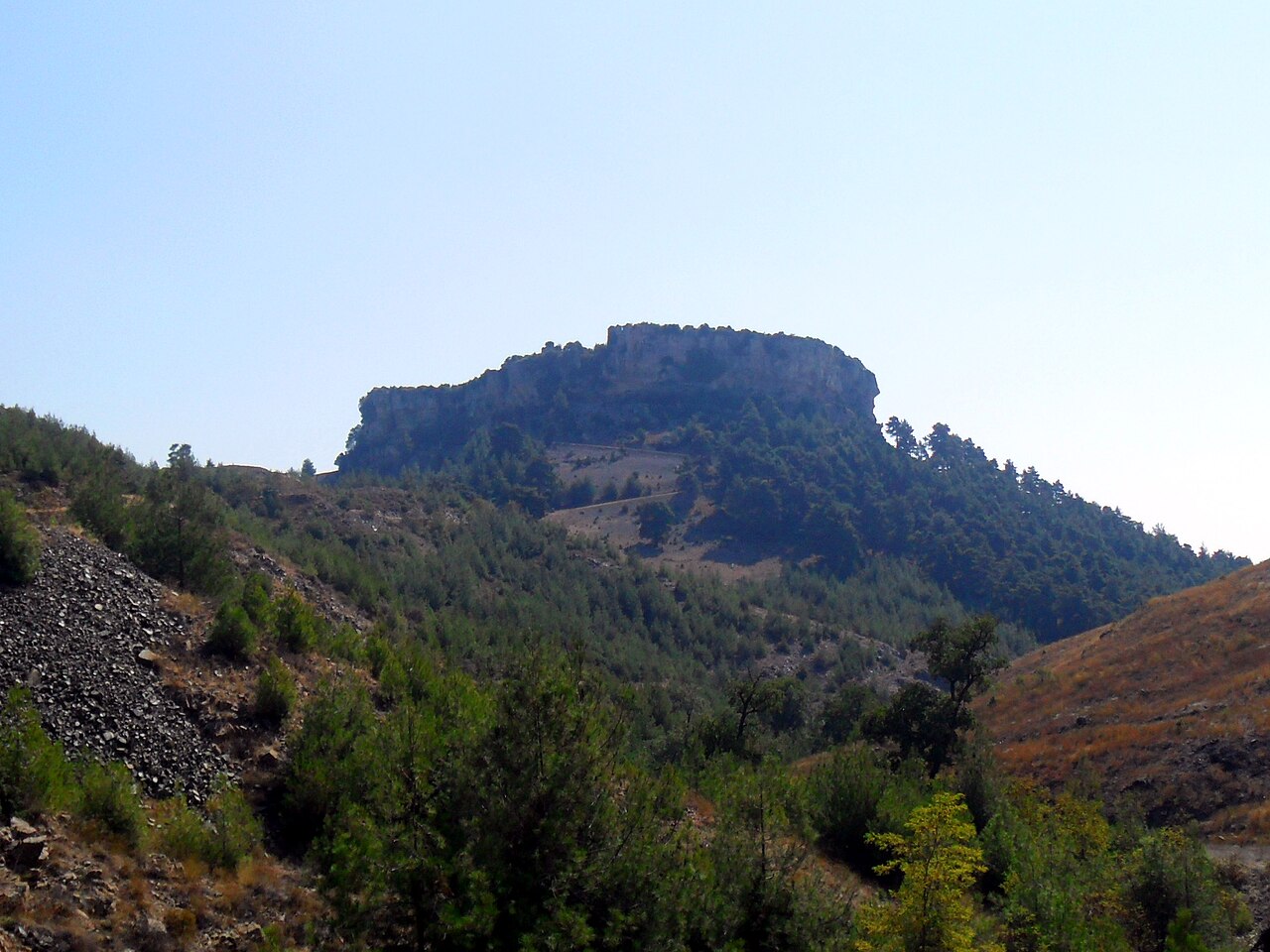
Sinap Castle, locally known as Sinap Kalesi, is a medieval fortress located in the province of Mersin, Turkey. Perched on a hillside in the historic region of Cilicia, it is a notable example of Armenian military architecture from the High Medieval period. The castle occupies a strategic position overlooking key mountain trails in the Toros Mountains, particularly guarding access routes towards Gülek Pass and connecting to the important Het‛umid stronghold of Lampron Castle.
Constructed most likely in the late 12th or 13th century, Sinap Castle served primarily as a fortified estate house rather than a large-scale fortress. It functioned as a local noble residence and a defensive outpost within the network of fortifications of the Armenian Kingdom of Cilicia, which flourished in the region from the late 11th century until the late 14th century. Although the castle's original medieval name remains unknown, its Turkish name "Sinap" is believed to derive from a word meaning "corner," reflecting its position overseeing a critical bend in the landscape.
Historical context and significance
The region of Cilicia was a vital crossroads between the Anatolian interior and the Mediterranean coast, making control of mountain passes like the Cilician Gates essential for trade and military movements. Sinap Castle was part of a defensive chain that included larger fortresses such as Lampron and Çandır Castle. Its role was to protect the local area and secure the mountain trail that linked these major castles, particularly the route leading to Gülek Castle.
Within the feudal system of the Armenian Kingdom of Cilicia, Sinap likely served as the center of an agricultural district, housing the local baron and his family. Its relatively modest size and design indicate it was intended more for estate management and local defense than for withstanding prolonged sieges. The castle's connection to Lampron suggests it was subordinate to this larger fortress, acting as an outpost to monitor movement in the region.
Architectural features and layout
General structure
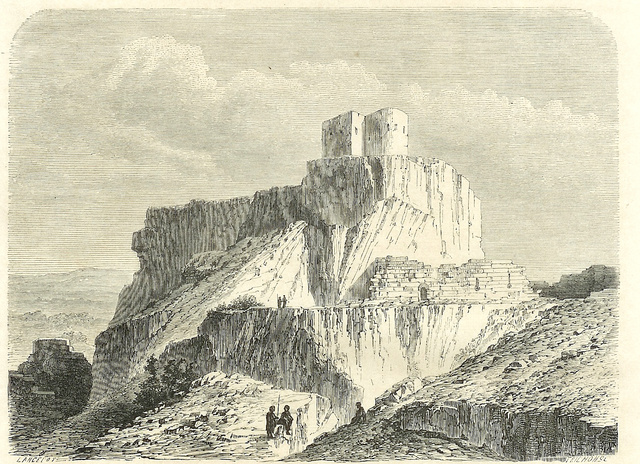
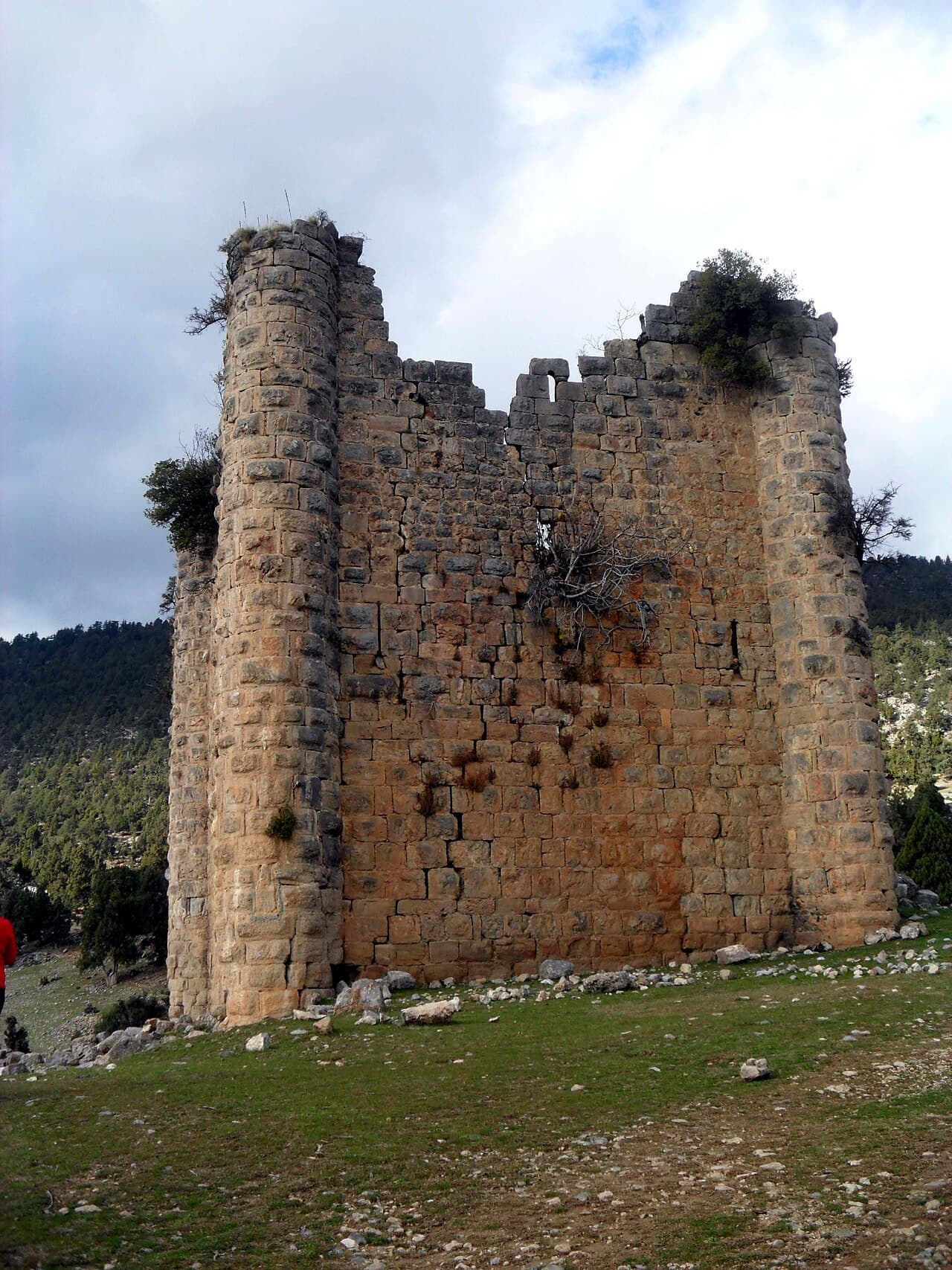
Sinap Castle is classified as a hill castle and features a rectangular keep with round salients at each corner, a characteristic design element in Armenian fortifications of the period. The keep rises to three stories, constructed using rusticated ashlar masonry, where large stone blocks with roughened surfaces are carefully fitted to create a robust defensive structure.
Interior design and defensive elements
The ground floor is defined by a pointed vaulted ceiling, although parts of this vault have collapsed. This level has a single entrance on the west side and no additional openings, emphasizing its defensive purpose. Originally, an internal staircase connected this floor to the upper levels, but it no longer survives.
The second floor retains partial vaulted ceilings and is divided into nine small chambers or casemates. Each room features narrow embrasured loopholes, providing protected positions for archers or crossbowmen. This floor also includes two windows and an apse-like recess on the east wall, suggesting a space for religious or ceremonial use within the castle.
The third floor is mostly destroyed but is believed to have housed fighting platforms with battlements, likely including merlons to protect defenders during combat. This upper level would have offered a commanding view of the surrounding terrain, crucial for early warning and defense.
Current condition and access
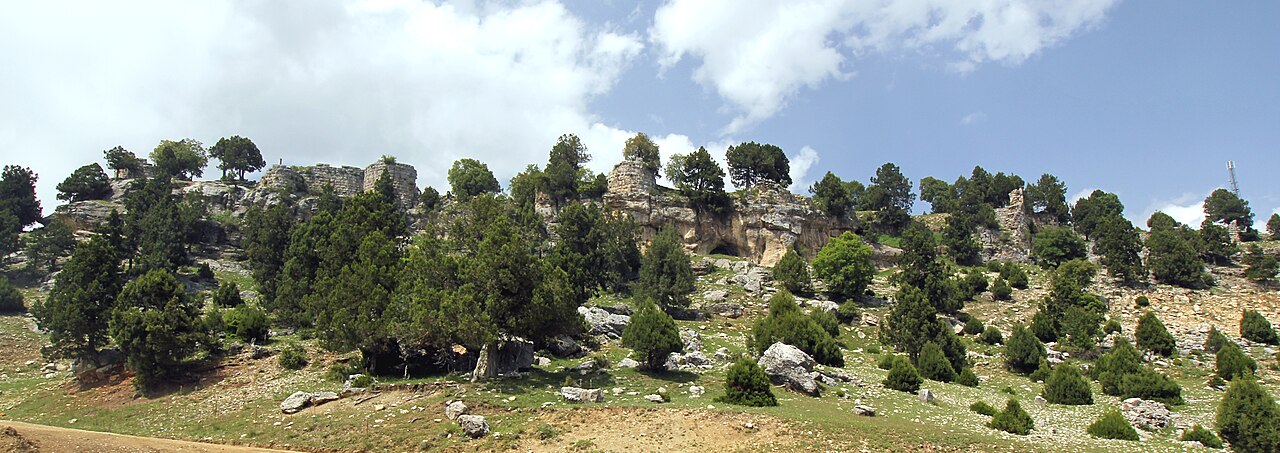
Today, Sinap Castle stands in a state of ruins, with much of the internal structure lost to time and natural decay. The northern half of the keep shows signs of subsidence, and the site is overgrown with vegetation, partially obscuring the remains. Despite this, the castle's distinctive shape and masonry techniques remain visible, allowing visitors to appreciate its historical and architectural significance.
The castle can be reached by a short, stabilized road branching from the nearby highway, although the final approach involves traversing an unpaved track best suited for 4WD vehicles. Visitors can freely explore the site, which is located in a tranquil mountain valley surrounded by lush meadows and forests, offering a picturesque setting that complements the castle's historic aura.
Relationship with nearby fortifications
Sinap Castle's proximity to other Armenian fortresses such as Lampron Castle and Çandır Castle highlights its role within a broader defensive network. It shares architectural similarities with another castle known locally as Sinap near Çandır, indicating a common design tradition or possibly the involvement of the same builders or patrons.
This network of castles was integral to the Armenian Kingdom of Cilicia's efforts to control strategic routes and maintain regional stability amidst the complex political and military landscape of medieval Anatolia. Sinap's position allowed it to monitor movement along key mountain passes and provide early warning of potential threats.
Architectural and cultural heritage
As an example of Armenian military architecture, Sinap Castle embodies the practical and strategic design principles of the time. Its robust stone construction, defensive features, and integration into the landscape reflect the challenges faced by the Armenian Kingdom of Cilicia in securing its borders against various adversaries.
The castle's relatively small scale and function as a fortified estate house provide valuable insight into the social and economic organization of medieval Armenian territories. It illustrates how noble families managed agricultural lands while maintaining readiness for defense.
Today, Sinap Castle remains an important cultural heritage site within Turkey, attracting historians, archaeologists, and visitors interested in medieval architecture and Armenian history. Its preservation as a ruin allows for ongoing study and appreciation of the region's rich historical tapestry.
Frequently asked questions (FAQ)
- What is the historical significance of Sinap Castle?
- Sinap Castle, located in Çamlıyayla, Turkey, dates back to the Byzantine era and played a crucial role in regional defense strategies. Its strategic location allowed it to oversee important trade routes, making it a significant site throughout various historical periods.
- What are the opening hours for Sinap Castle?
- Sinap Castle is open to visitors from 9:00 AM to 6:00 PM daily. It is advisable to check for any seasonal changes in hours or special closures before planning your visit.
- Is it possible to access Sinap Castle by public transport?
- Yes, visitors can access Sinap Castle by public transport, with local buses running from nearby towns to Çamlıyayla. However, some walking may be required to reach the castle from the nearest bus stop.
- When is the best time to visit Sinap Castle?
- The best time to visit Sinap Castle is during the spring and autumn months when the weather is mild and pleasant. These seasons offer beautiful scenery and are ideal for exploring the surrounding nature and hiking trails.
- Can I take photographs inside Sinap Castle?
- Yes, visitors are welcome to take photographs inside Sinap Castle. However, it is respectful to avoid using flash photography in areas that may be sensitive to light or where it is prohibited.
- What are the ticket prices for visiting Sinap Castle?
- The entrance fee for Sinap Castle is quite affordable, typically around 20 Turkish Lira. This nominal fee helps in the maintenance and preservation of the castle.
- What architectural features can I expect to see at Sinap Castle?
- Sinap Castle showcases a blend of Byzantine and Ottoman architectural styles, characterized by its robust stone walls and strategic towers. Visitors can admire the intricate craftsmanship and the castle's impressive defensive structures.
- Are there any nearby attractions to visit after Sinap Castle?
- Yes, after visiting Sinap Castle, you can explore the beautiful natural scenery of the surrounding Çamlıyayla region. Nearby attractions include hiking trails and local parks that highlight the area's rich biodiversity.
Photo gallery

Information
Address
Tepensesi Cd., Çamlıyayla, Mersin, Turkey
Loading map...
Visitor reviews
No reviews yet. Been here? Write the first review and help other travelers!
Write the first reviewVisited this castle? Share your experience
Your review helps other travelers and adds first-hand knowledge to our encyclopedia.