Guia Fortress
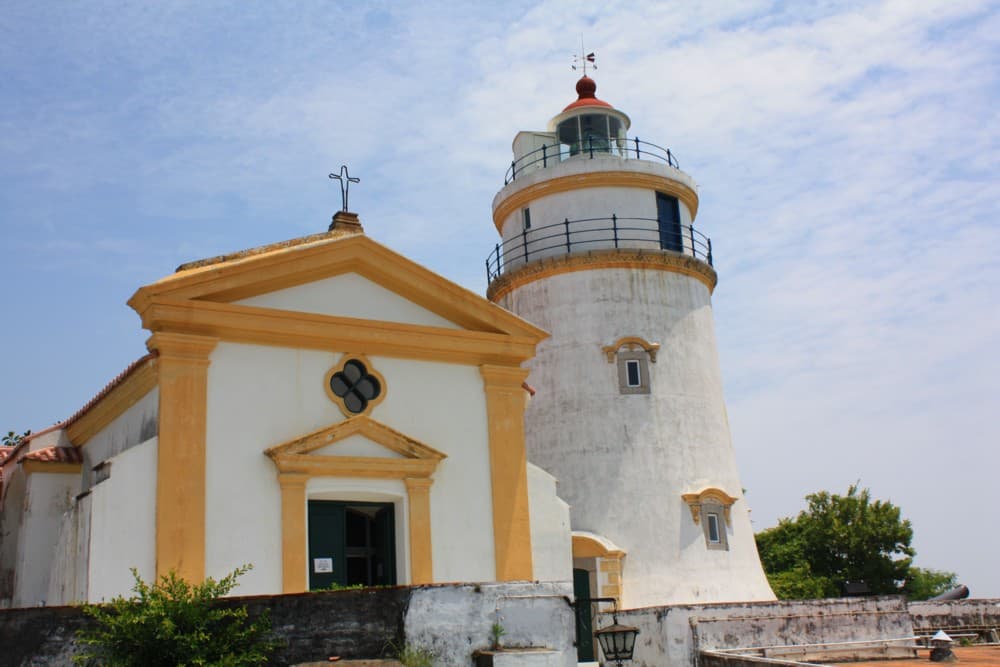
The Guia Fortress (Fortaleza da Guia in Portuguese; 東望洋炮台 in Chinese) is a prominent 17th-century bastioned fortress located in the São Lázaro district of Macau, China. This historic complex includes a military fort, a chapel, and a lighthouse, forming a unique architectural ensemble that reflects the colonial military and religious history of the region. It is an integral part of the UNESCO World Heritage Site Historic Centre of Macau, recognized for its cultural and historical significance.
Historical background and strategic importance
Constructed in the early 1600s, the Guia Fortress was built by the Portuguese colonial administration to protect Macau from potential naval attacks and pirate incursions. The fortress's location atop Guia Hill provided a commanding vantage point over the South China Sea and the city below, making it a critical defensive structure. Its design incorporates bastioned fortification principles, which were advanced military architectural techniques of the time, aimed at withstanding artillery bombardments and improving defensive capabilities.
Architectural features and layout
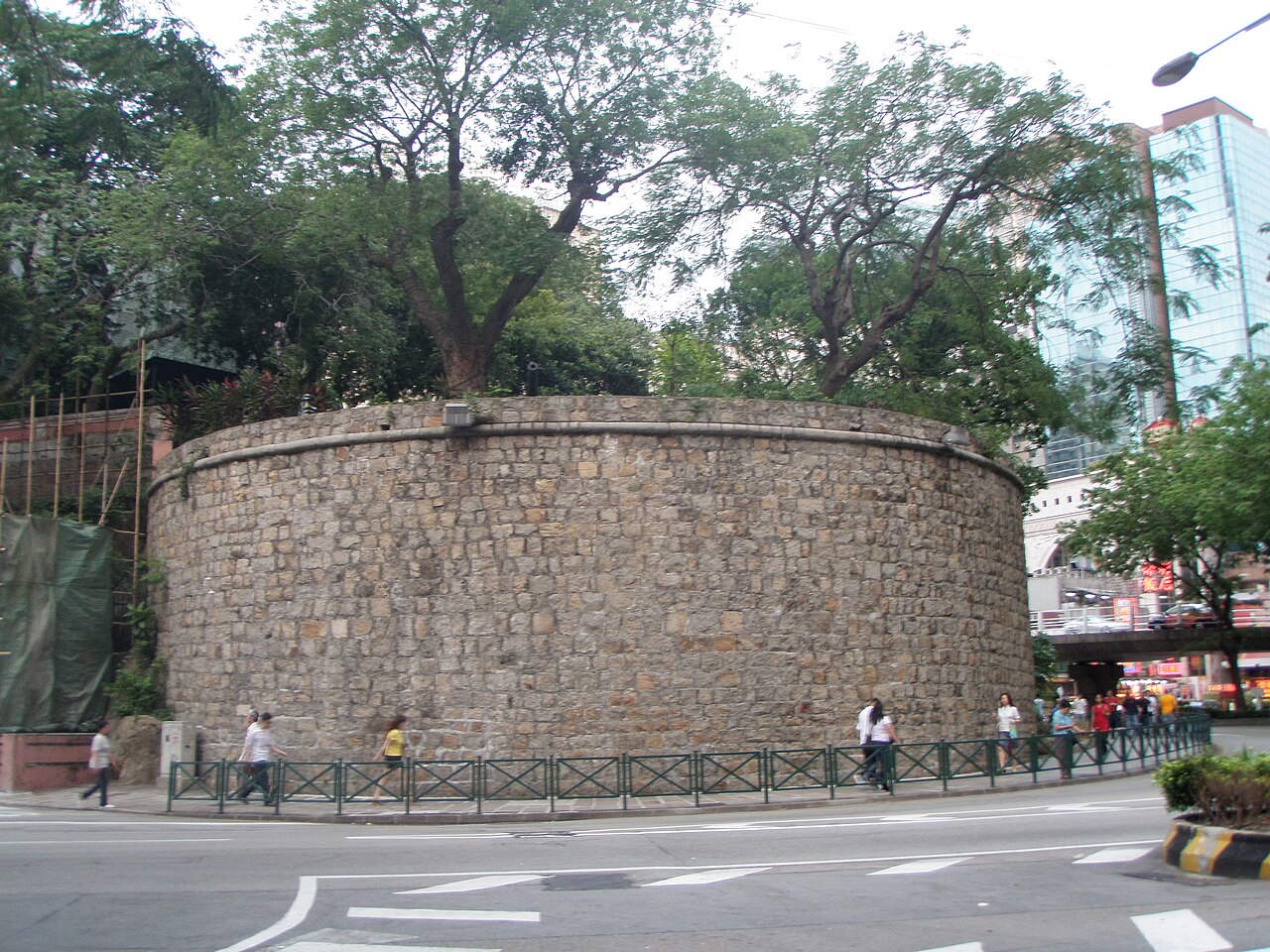
The fortress complex is notable for its combination of military, religious, and navigational structures. The bastioned walls are thick and robust, designed to resist cannon fire, and include angled bastions that allow defenders to cover all approaches with overlapping fields of fire. Within the fortress stands the Guia Chapel, a small but historically significant religious building that served the spiritual needs of the garrison. The chapel is decorated with traditional Portuguese azulejos (ceramic tiles) and features a simple yet elegant design.
Adjacent to the chapel is the Guia Lighthouse, the first modern lighthouse on the Chinese coast. Built in the 1860s, the lighthouse is a cylindrical tower rising above the fortress walls, equipped with a powerful light that guided ships safely into Macau's harbor. This lighthouse remains operational and is a symbol of Macau's maritime heritage.
Defensive structures
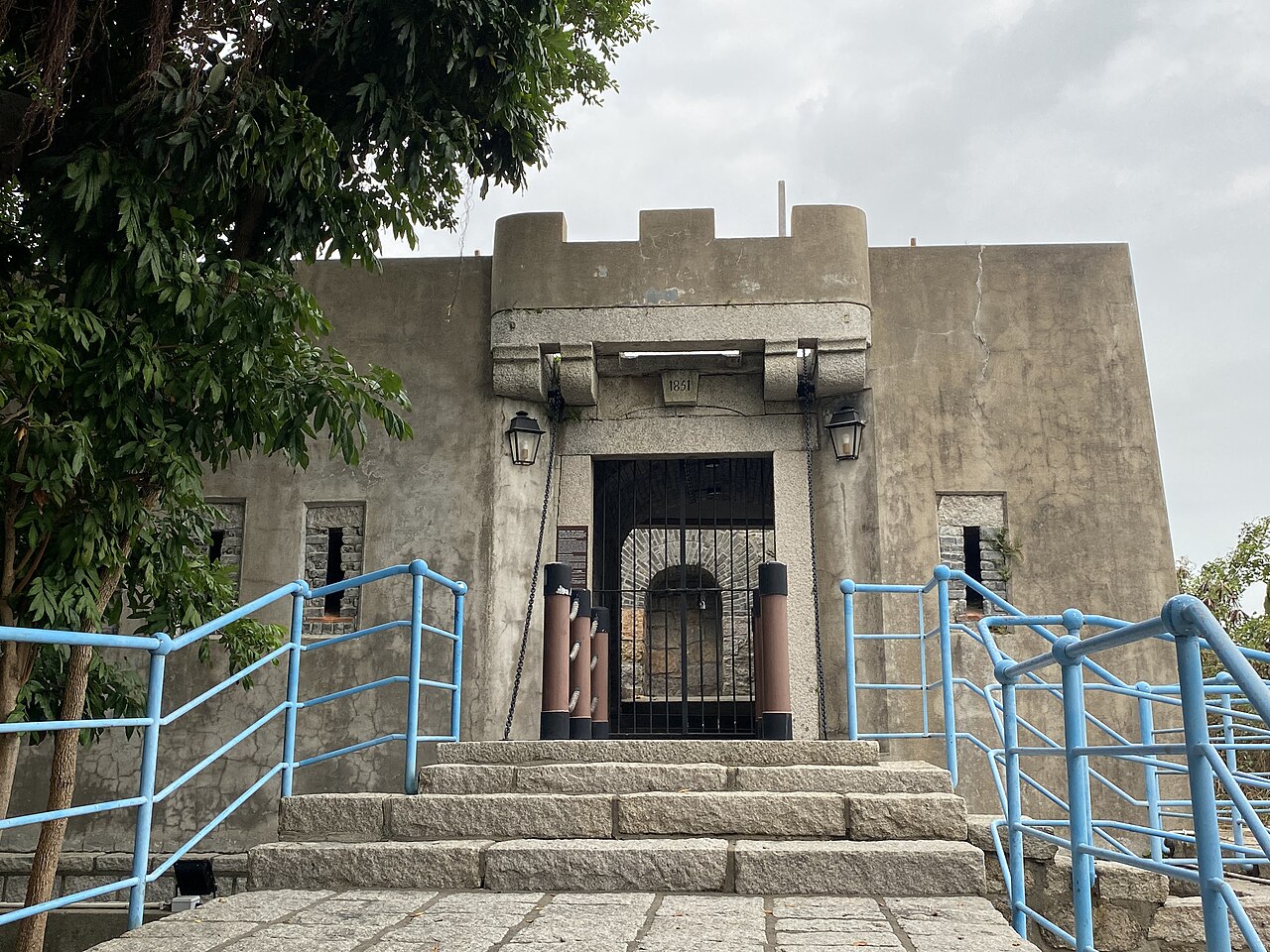
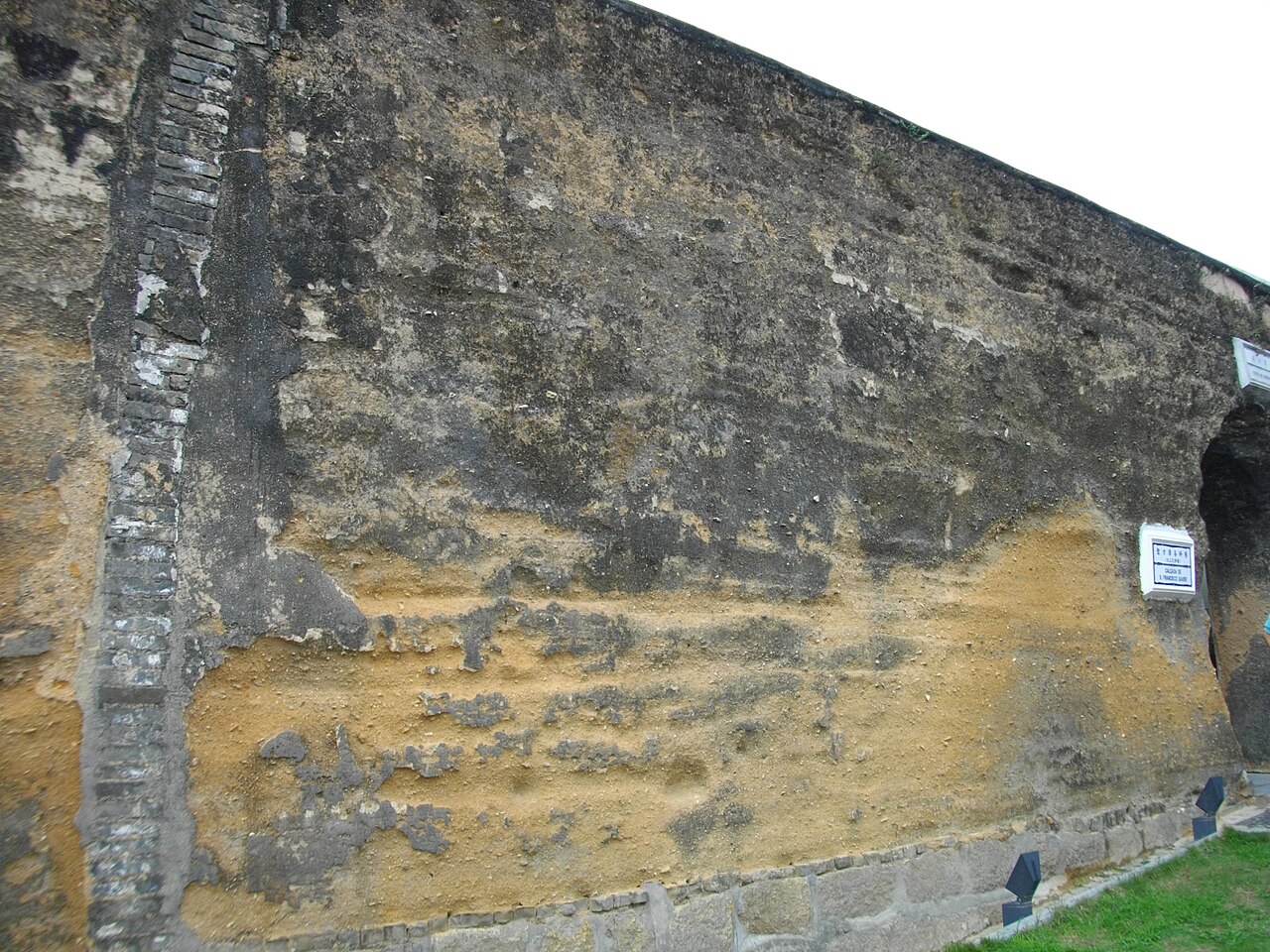
The fortress's bastions and walls are arranged to maximize defensive coverage, with thick stone construction and embrasures for cannons. The design reflects European military engineering adapted to the local terrain and strategic needs. The fortress also includes a moat and a gatehouse, enhancing its defensive capabilities.
Religious and navigational elements
The Guia Chapel within the fortress is dedicated to Our Lady of Guia, reflecting the religious traditions brought by the Portuguese colonists. Its interior contains religious artworks and azulejo panels depicting biblical scenes. The lighthouse, constructed later, represents the technological advancement and importance of maritime navigation in Macau's development as a trading port.
Conservation status and modern challenges
The Guia Fortress is currently well preserved and maintained as a cultural heritage site under Macau's jurisdiction. However, since 2010, the view of the fortress and its lighthouse has been partially obscured by the construction of the Macau Liaison Office building. This development has sparked criticism from local citizens and heritage scholars who argue that urban planning decisions have compromised the visual integrity and conservation of this historic landmark.
Despite these challenges, the fortress remains an important tourist attraction and a symbol of Macau's colonial past and cultural fusion. Efforts continue to balance urban development with heritage preservation in the rapidly changing cityscape.
Visiting guia fortress
Visitors to the Guia Fortress can explore its bastioned walls, the chapel, and the lighthouse. The site offers panoramic views of Macau and the surrounding sea, although some sightlines have been affected by modern buildings. The fortress is accessible by foot and is part of guided tours that highlight its military, religious, and maritime history.
Opening hours and ticket prices vary, but the site is generally open to the public, providing educational materials and exhibits about its historical significance. The fortress is a key destination for those interested in colonial architecture, military history, and maritime navigation.
Frequently asked questions (FAQ)
- How do I get to Guia Fortress?
- Guia Fortress is located in Macau, China, and can be easily accessed by public transportation. You can take a bus or taxi to the base of the hill, and then enjoy a short hike to reach the fortress itself.
- What is the historical significance of Guia Fortress?
- Guia Fortress was built in the late 16th century and served as a military defense structure for the Portuguese in Macau. It is recognized as a UNESCO World Heritage Site due to its historical importance and well-preserved architecture.
- When was Guia Fortress constructed?
- Construction of Guia Fortress began in 1622 and was completed in 1638. Its strategic location on Guia Hill was chosen to protect the city from potential invasions and attacks.
- Can I visit Guia Fortress at any time?
- Yes, Guia Fortress is open to visitors year-round, but it's recommended to check for any special events or maintenance closures. The scenic views from the fortress are best enjoyed during daylight hours.
- Why is Guia Fortress considered an architectural gem?
- Guia Fortress showcases a blend of Portuguese and Chinese architectural styles, featuring a unique design that includes a chapel, watchtower, and military structures. Its aesthetic and functional elements reflect the historical fusion of cultures in Macau.
- Is it possible to climb to the top of the fortress?
- Yes, visitors can climb to the top of Guia Fortress, where they will be rewarded with stunning panoramic views of Macau. The path is well-maintained, making it accessible for most visitors, though some steep sections may be challenging.
- What are the opening hours for Guia Fortress?
- Guia Fortress is typically open from 10 AM to 5 PM daily, but it is advisable to check local resources for any seasonal changes in hours. The fortress is free to enter, making it an excellent option for budget-conscious travelers.
- What is the best time to visit Guia Fortress?
- The best time to visit Guia Fortress is during the cooler months from October to April, when the weather is more comfortable for walking and exploring. Early mornings or late afternoons also offer beautiful lighting for photography.
- Are there any nearby attractions to see after visiting Guia Fortress?
- Yes, after visiting Guia Fortress, you can explore nearby attractions such as the Guia Lighthouse and the beautiful Jardim da Flora. The historic center of Macau, which includes other UNESCO World Heritage Sites, is also just a short distance away.
- What are the ticket prices for Guia Fortress?
- Entry to Guia Fortress is free, allowing all visitors to enjoy its historical and architectural significance without any cost. This makes it a great destination for those looking to explore Macau on a budget.
Photo gallery

Information
Loading map...
Visitor reviews
No reviews yet. Been here? Write the first review and help other travelers!
Write the first reviewVisited this castle? Share your experience
Your review helps other travelers and adds first-hand knowledge to our encyclopedia.