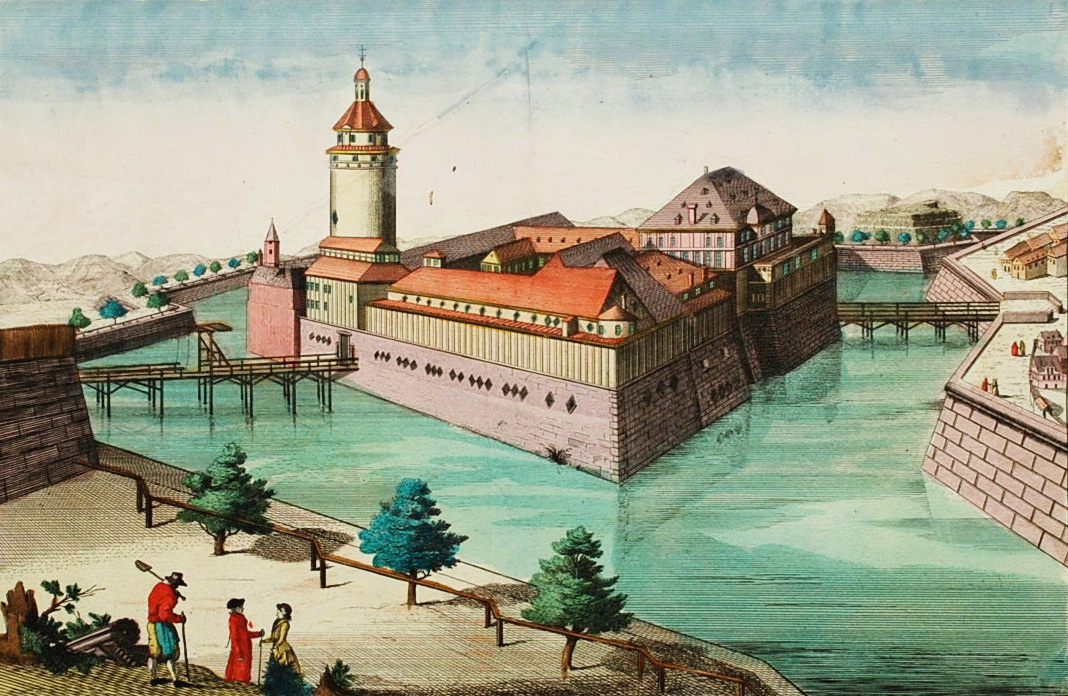
Groitzsch Castle Ruins
Groitzsch Castle ruins, also historically known as Wiprechtsburg Groitzsch, represent a significant medieval hill castle site located on the natural gravel promontory known as Burgberg ('Castle Hill') on the northwestern edge of the town of Groitzsch in Saxony, Germany. This castle complex was one of the largest and most influential fortifications in Saxony around the 11th century, primarily under the rule of Count Wiprecht of Groitzsch. Today, only small remains of the castle survive, including the Romanesque round chapel and the stump of a residential tower, but the site is protected as a historical monument and has been extensively investigated through archaeological excavations.
The castle's location atop a hill provided a commanding view over the surrounding valley of the White Elster river, enhancing its strategic defensive position. The natural topography includes steep slopes and tributaries that were integrated into the castle's fortifications, making it a formidable stronghold in its time. The castle complex originally covered an area approximately 150 by 100 meters and was elevated about 10 to 12 meters above the surrounding terrain.
The origins and early development of Groitzsch Castle
The earliest fortifications at Groitzsch date back to the 10th century, initially constructed by early medieval Slavic peoples. These early defenses were primarily timber structures typical of hill forts of the period, featuring a substantial core wall built from split oak logs and smaller round timbers. This initial wooden fortification was about eight meters wide and nearly three meters high, supported by a wood and earth rampart. However, a significant fire in the late 10th century destroyed much of this early fortification.
Following the fire, the castle was rebuilt with similar timber defenses on the same foundations, including a large timber structure that likely served as a tower or gatehouse. Archaeological evidence from this period shows dense occupation with numerous hearths and pit houses, indicating a thriving settlement within the castle's defenses.
Transformation under Count Wiprecht of Groitzsch
The castle's historical prominence rose significantly when Count Wiprecht of Groitzsch acquired the site around 1073-1074. Under his leadership, Groitzsch Castle underwent a major transformation from timber to stone construction around 1080. This development marked a shift towards more durable and imposing fortifications, including the construction of a massive embankment up to 30 meters wide and 10 meters high, made from local sand and gravel and internally supported by a timber box structure.
A key architectural highlight from this period is the Romanesque round tower, with an internal diameter of more than nine meters and walls two meters thick. This tower served both as a defensive position and a residential quarter. Adjacent to the tower, Count Wiprecht commissioned the building of a Romanesque rotunda chapel for his wife, the daughter of the Bohemian Duke Vratislaw II. This chapel, with its circular interior approximately six meters across and a horseshoe-shaped apse, is the oldest stone religious building in Saxony and reflects Bohemian architectural influences.
Architectural features and castle layout
The castle interior was organized into multiple courtyard levels, hosting wooden buildings such as workshops—likely for stonemasons—living quarters, and a dome oven that eventually collapsed. Layers of wooden plank floors found during excavations demonstrate continuous occupation. The castle's outer bailey, located to the east, was originally secured by triple defensive enclosures and a moat, traces of which remain visible today alongside a garden center and remnants of a Romanesque church known as the Frauenkirche.
Political and military significance in the high medieval period
Throughout the late 11th and early 12th centuries, Groitzsch Castle played a pivotal role in regional politics and military conflicts. It was involved in the broader Investiture Controversy, a major struggle between secular and ecclesiastical powers, and was contested during disputes involving Emperor Henry V around 1115. The castle changed hands multiple times due to these conflicts, leading to several captures and reconstructions.
After the extinction of the Groitzsch family line in 1144, ownership passed to the Wettin dynasty. Under their control, the castle gradually lost its strategic importance. It suffered partial destruction in the early 13th century and further damage during the wars of succession between 1294 and 1307. The castle's medieval role as a fortified residence and administrative center effectively ended during this turbulent period.
Later construction phases and archaeological discoveries
Between approximately 1120 and 1224, the castle courtyard was raised by three to four meters using large wooden boxes filled with earth to improve drainage and create a stable surface. During this phase, brick walls became predominant, replacing older timber defenses. Timber-framed and brick buildings were constructed within the courtyard, including the earliest known tiled stove east of the Saale river. The rotunda chapel fell out of use during this time, reflecting changes in the castle's religious functions.
The last major construction phase, from 1224 until around 1300, saw the fortification of the castle with two parallel brick walls serving as the main defenses. Two square, vaulted brick towers approximately ten meters on each side were erected in the northeastern section. The courtyard was again raised using rubble from destroyed buildings, indicating ongoing rebuilding after assaults or destruction. Decorative elements such as glazed roof tiles and gable ornaments highlight the castle's representative character during this period.
Archaeological finds from this final phase include gray and blue-gray ceramics, glazed pottery, fragments of toy horses with riders, and aquamaniles—ceramic vessels used for ritual handwashing. Numerous tools, horse equipment such as stirrups and spurs, weapons including swords and arrows, and personal belongings have also been uncovered. The castle's destruction was violent, with layers of ash, collapsed rubble, and human remains attesting to a forceful and bloody end to its medieval occupation around 1306.
Modern preservation and cultural use of the ruins
Systematic archaeological excavations began in earnest in the mid-20th century, particularly under the direction of Heinz-Joachim Vogt from 1959 to 1968. These efforts uncovered multiple building phases, restored key structures such as the rotunda chapel and round tower, and expanded understanding of the castle's historical and architectural significance.
Today, the ruins of Groitzsch Castle serve as a protected monument and cultural venue. The amphitheater-shaped grounds host an open-air stage used for concerts, festivals, and other events during the summer months, including the popular summer solstice celebration and the annual castle festival. The site also features a vineyard with over 500 vines, flower beds, and hiking trails along the castle mountain and the Schwennigke river.
A lapidarium within the castle grounds displays about forty regional stones that once served as boundary markers or field stones, preserving additional aspects of the medieval landscape. Visitors can explore the partially reconstructed rotunda chapel and the remaining stump of the round tower, gaining insight into the castle's architectural evolution and historical importance.
Visitor experience and heritage significance
Groitzsch Castle ruins offer a unique window into the architectural and political history of Saxony during the high medieval period. The site illustrates the transition from early timber fortifications to sophisticated stone and brick constructions, reflecting broader trends in medieval castle building. Its connection to notable historical figures like Count Wiprecht of Groitzsch and its role in regional conflicts underscore its importance in German medieval history.
The combination of archaeological remains, restored structures, and cultural programming ensures that Groitzsch Castle continues to be a vibrant part of the local heritage and a destination for visitors interested in history, architecture, and medieval culture.
Frequently asked questions (FAQ)
- How do I get to Groitzsch Castle Ruins?
- Groitzsch Castle Ruins are located in Groitzsch, Germany, easily accessible by car or public transport. If you are driving, there are parking facilities nearby. Public transport options include regional trains and buses that connect Groitzsch with larger cities.
- What is the historical significance of Groitzsch Castle?
- Groitzsch Castle, dating back to the 13th century, played a crucial role in the region's defense and administration. It served as a noble residence and was a center of power throughout its history. Today, the ruins reflect the architectural style of the medieval period and offer insights into the historical landscape of the area.
- When was Groitzsch Castle built?
- The construction of Groitzsch Castle began in the early 13th century, specifically around the year 1209. It was expanded and modified over the centuries, reflecting the changing architectural trends and the castle's evolving role. The ruins we see today are remnants of its long and storied past.
- Can I explore the ruins of Groitzsch Castle?
- Yes, visitors can freely explore the ruins of Groitzsch Castle. While there may be some restrictions for safety reasons, the site is generally open for self-guided tours. Be sure to wear appropriate footwear and take care while navigating the uneven terrain.
- Why is Groitzsch Castle a popular tourist destination?
- Groitzsch Castle is popular due to its rich history, stunning architecture, and picturesque views of the surrounding landscape. The ruins offer a glimpse into medieval life and attract history enthusiasts and photographers alike. Its location also makes it a perfect stop for visitors exploring the Saxony region.
- Is it possible to visit Groitzsch Castle year-round?
- Yes, Groitzsch Castle Ruins are open to visitors year-round. However, opening hours may vary depending on the season and weather conditions, so it's advisable to check local resources before your visit. Spring and early autumn are particularly pleasant times to explore the site.
- What are the ticket prices for visiting Groitzsch Castle?
- There is no entrance fee to visit Groitzsch Castle Ruins, making it an accessible destination for all visitors. However, donations to help with the maintenance of the site are appreciated. Special guided tours or events may have associated costs, so check in advance.
- What are the opening hours for Groitzsch Castle?
- Groitzsch Castle Ruins are generally open from dawn to dusk, allowing visitors ample time to explore the site. During special events or guided tours, specific hours may apply. It's best to verify the hours on the official website or local tourist information before your visit.
- Are there nearby attractions to visit after Groitzsch Castle?
- Yes, there are several nearby attractions worth exploring, including the charming town of Groitzsch, with its historical architecture and local shops. Additionally, the region offers scenic walking trails and other historical sites, such as medieval churches and museums, that can enhance your visit.
Information
Loading map...
Visitor reviews
No reviews yet. Been here? Write the first review and help other travelers!
Write the first reviewVisited this castle? Share your experience
Your review helps other travelers and adds first-hand knowledge to our encyclopedia.