German Stroller Museum
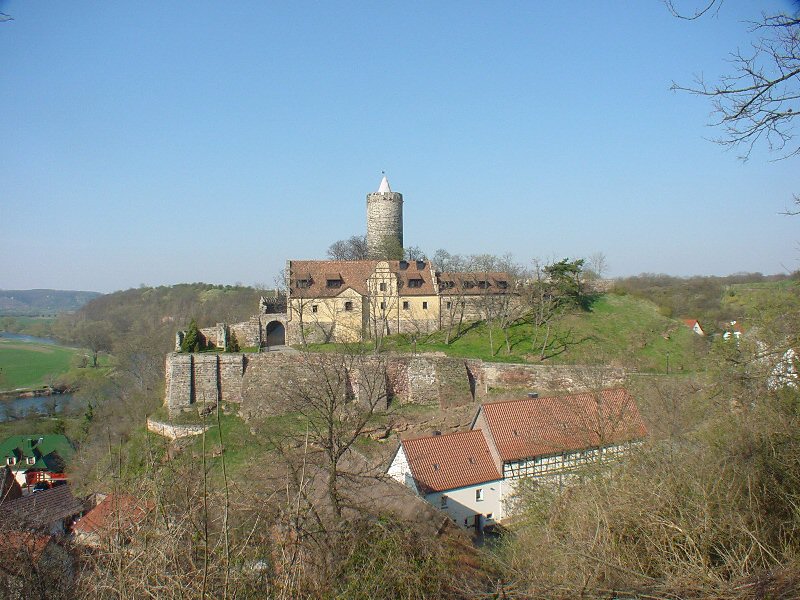
Schloss Moritzburg in Zeitz stands as a remarkable example of architectural evolution, blending medieval fortifications with a grand Baroque palace structure. This historic castle, located in the Sachsen-Anhalt region of Germany, is renowned not only for its rich history but also as the site of the German Stroller Museum, which houses the largest collection of strollers in Europe.
The castle’s origins trace back to the 10th century when it was first established as a royal and ecclesiastical stronghold. Its earliest recorded mention dates to 976, when Emperor Otto II granted the fortress to Hugo I, the first bishop of Zeitz. This move was strategic, aimed at consolidating imperial influence in a region fraught with conflict. Over the centuries, Schloss Moritzburg witnessed numerous historical upheavals, including repeated attacks during Slavic uprisings and the turbulent Hussite Wars, which led to extensive damage and subsequent fortification improvements.
Medieval origins and early fortifications
The original castle served as a key episcopal residence and military stronghold. In the 13th century, the fortress became a contested site between the Margraves of Meissen and the ecclesiastical authorities. Significant fortification work occurred under Bishop Dietrich II in 1259, when outer walls and courtyards were demolished amid conflict, only to be rebuilt by 1271. The castle’s defensive importance was reaffirmed in 1278 with official recognition of these fortifications.
The Hussite Wars in 1429 inflicted severe damage, prompting Bishop Johann II von Schleinitz to construct a formidable Gothic ring wall with eight towers and a broad moat. These defenses were strengthened further between 1470 and 1492, enhancing the castle’s ability to withstand sieges and attacks.
Renaissance and reformation transformations
During the Reformation, control of the castle shifted amidst religious and political turmoil. Although Saxon electors sought to dominate the Naumburg bishopric, Emperor Charles V appointed Julius von Pflug as bishop in 1547. Following his death in 1564, the Wettin family took over secular administration, transforming the castle into a secondary residence for the ruling dynasty.
Baroque reconstruction and ducal residence
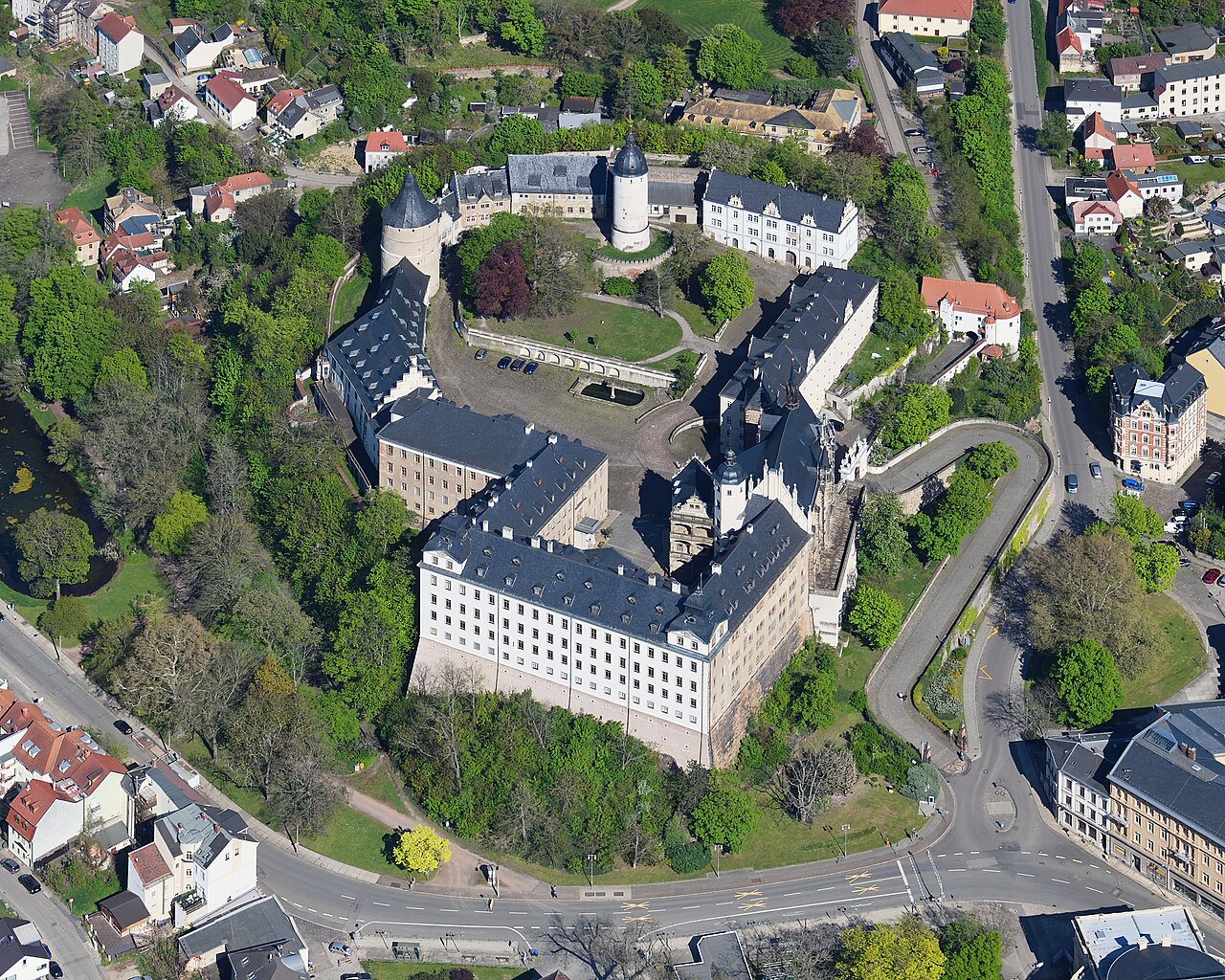
The Thirty Years’ War brought devastation to Zeitz and the castle, with heavy damage in 1644 during conflicts between Swedish and imperial forces. In response, a comprehensive rebuilding took place between 1657 and 1667, replacing the medieval episcopal fortress with a three-winged Baroque palace centered around a courtyard and a prominent tower. This reconstruction was commissioned by the Saxony-Zeitz dukes, notably Duke Moritz von Sachsen-Zeitz and his son Moritz Wilhelm.
The adjacent Zeitz Cathedral (Dom St. Peter und Paul) was adapted into a ducal chapel, aligning with the castle’s new function as a ducal seat. The fortifications were modernized with bastions and earthworks to meet contemporary military standards, including casemated artillery positions facing the town and an impressive gatehouse serving as the formal entrance.
Later uses and social history
After the extinction of the Saxony-Zeitz line in 1718, the castle reverted to the main Saxon electoral authority and later passed to Prussian control in 1815 following the Congress of Vienna. From the 19th century into the early 20th century, Schloss Moritzburg served various social functions including a poorhouse, prison, unemployment office, and refugee camp.
During World War II, the castle housed displaced Polish and French laborers. Post-war, it functioned temporarily as a refugee camp before reopening as a local history museum in 1947. Extensive restoration efforts from 1990 to 2004 revitalized the castle and its grounds, culminating in hosting the Saxony-Anhalt state garden show in 2004.
The german stroller museum
Since 1996, part of Schloss Moritzburg has been dedicated to the Deutsches Kinderwagenmuseum (German Stroller Museum). Starting as a modest exhibition with a few strollers, it has grown into the largest stroller museum in Europe, boasting nearly 1,000 strollers and related infant furniture. The collection spans from antique strollers dating back to the 1860s to modern designs, including bassinets, cradles, baby beds, doll strollers, and doll beds.
This unique museum offers visitors insight into the cultural and technological evolution of infant transport and childcare equipment in Germany. It complements the castle’s broader historical exhibitions, which include furniture and artifacts from the Renaissance through the 19th century, enriching the visitor experience with a blend of social history and material culture.
Architectural features and castle grounds
Schloss Moritzburg’s architecture reflects its layered history. The three-winged Baroque palace is built upon the foundations of the medieval episcopal castle, featuring a central courtyard and a dominant tower. The surrounding Gothic ring wall with eight towers and a wide moat preserves the medieval defensive character, while the 17th-century bastions and earthworks demonstrate adaptation to early modern military needs.
The castle grounds have been extensively landscaped, merging the former moat with the adjacent Rossner Park to create a spacious park area. This includes an orangery, the Johannisteich pond, a stage for events, playgrounds, bridges, and a reconstructed bathhouse near the northern entrance. Additional features such as a multipurpose hall and a Japanese garden contribute to the site’s cultural and recreational appeal.
Fortifications and defensive structures
The preserved fortifications are among the most significant aspects of Schloss Moritzburg. The casemated earthworks facing the town provided protected artillery positions, while the grand gatehouse served as the main entrance and symbol of the castle’s strength. These elements illustrate the castle’s military evolution from medieval times through the Baroque period.
Interior and collections
The castle’s museum houses approximately 250,000 artifacts, including historical furniture from the Renaissance to the 19th century, enriching the narrative of the region’s cultural heritage. The gatehouse hosts the Johannes Lebek art and museum education center and several historic libraries, such as the Stiftsbibliothek Zeitz with over 40,000 volumes and the Lutheriden library, enhancing the intellectual atmosphere of the site.
Frequently asked questions (FAQ)
- What is the German Stroller Museum?
- The German Stroller Museum is a unique cultural institution located in Zeitz, Germany, dedicated to the history and evolution of strollers and prams. It showcases a variety of historical models, offering insights into the design and social significance of these baby transport vehicles over the years.
- When was the German Stroller Museum established?
- The German Stroller Museum was established in 2005, with the aim of preserving and promoting the rich history of stroller manufacturing in Germany. The museum has since become a popular destination for both locals and tourists interested in this niche aspect of historical design.
- What are the opening hours of the museum?
- The museum is open from Tuesday to Sunday, from 10 AM to 5 PM. It is closed on Mondays, so plan your visit accordingly to ensure you have plenty of time to explore the exhibits.
- Can I buy tickets in advance for the German Stroller Museum?
- Yes, tickets can be purchased in advance through the museum's official website. Buying tickets online not only saves time but also guarantees your entry, especially during peak visiting seasons.
- Is the museum accessible for visitors with disabilities?
- Yes, the German Stroller Museum is committed to providing accessibility for all visitors. The facility is equipped with ramps and elevators to ensure that everyone can enjoy the exhibits without barriers.
- When is the best time to visit the German Stroller Museum?
- The best time to visit is during the spring and early autumn months when the weather is pleasant, and the museum is less crowded. This allows for a more enjoyable experience as you can take your time exploring the exhibits.
- What nearby attractions can I visit while in Zeitz?
- While in Zeitz, consider visiting the stunning Moritzburg Castle and the historic city center, which features beautiful architecture and charming streets. These attractions complement your visit to the German Stroller Museum and offer a deeper insight into the region's rich history.
- Why is the German Stroller Museum significant?
- The museum is significant as it highlights the cultural impact of strollers on parenting and societal trends throughout history. It serves as a valuable resource for understanding how designs have evolved to meet the needs of families over the years.
Information
Website
Visit websiteSources & official resources
Verify the information above using these authoritative references.
Loading map...
Visitor reviews
No reviews yet. Been here? Write the first review and help other travelers!
Write the first reviewVisited this castle? Share your experience
Your review helps other travelers and adds first-hand knowledge to our encyclopedia.