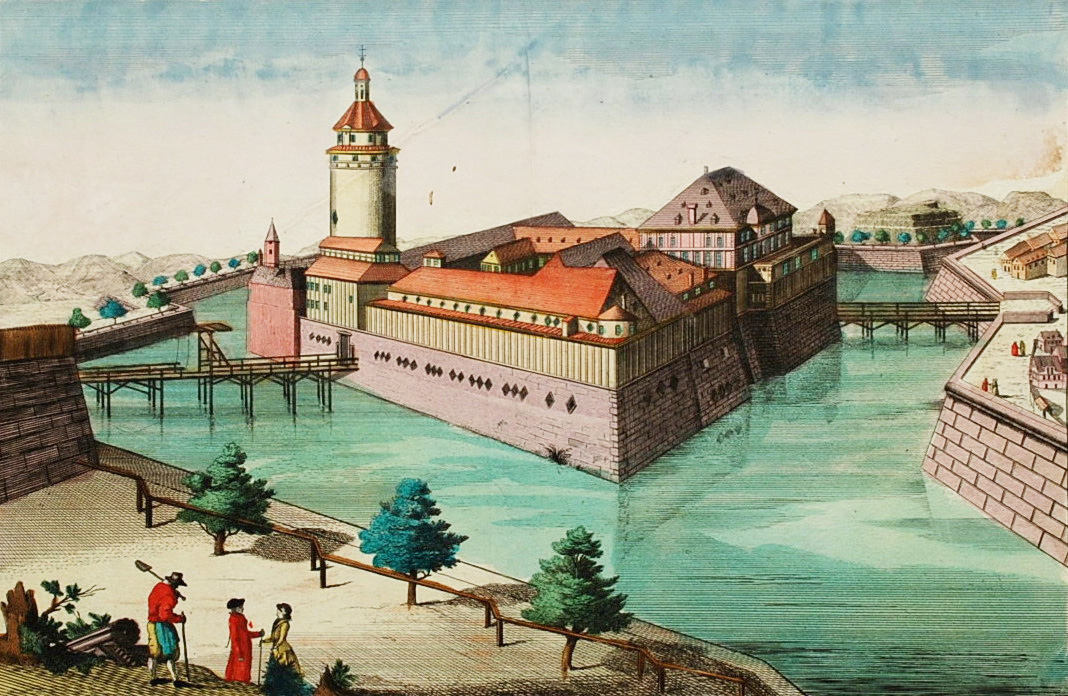
Belgershain Castle

Belgershain Castle: a renaissance and neo-gothic historic residence in Germany
Belgershain, Germany
Renaissance (15th–17th c.)
Well Preserved

Belgershain Castle in Germany has a history tracing back to the 11th and 12th centuries, originating as a strategic swamp castle. Initially constructed in the 15th century, the castle was surrounded by a moat and served a defensive role to protect the important Via Regia Lusatiae Superioris trade route that passed nearby. This early medieval fortification was built to control and safeguard trade and travel through this region of Saxony.

Transformation into a Renaissance residence

By around 1600, the castle underwent significant changes, transitioning from a purely defensive structure into a residential palace. The interior spaces were reshaped during the 17th century, reflecting Renaissance architectural influences. Notable features from this period include a spiral staircase and a hall with cross vaults, which demonstrate the stylistic shift towards more elegant and comfortable living quarters. The castle also showcases porphyry door frames with Renaissance design elements, highlighting the craftsmanship and aesthetic preferences of the era.

19th-century neo-Gothic renovations and ownership changes

In 1792, the castle was acquired by the von Uechteritz family, who initiated a rebuilding of the structure in the neo-Gothic style at the beginning of the 19th century. This architectural revival added pointed arches, ornamental details, and other Gothic Revival characteristics that contrasted with the earlier Renaissance features. The ownership changed hands again in 1833 to Friedrich von Zehmen, and from 1852 the castle belonged to the von Schönburg-Waldenburg family. The last private owner was Prince Günther von Schönburg-Waldenburg (1887–1960), who rented the castle until the end of World War II in 1945.

Castle grounds and auxiliary buildings

The castle grounds include an estate outside the moat ring dating from the 17th century, adding to the historical context of the site. Adjacent to the castle is a Baroque cavalier's house built around 1730, originally connected to the main castle by an archway with a transitional passage. This building now serves as the town hall of Belgershain municipality. The upper floor of the cavalier's house houses a local history museum dedicated to the history of the castle and the surrounding area, providing visitors with insights into the region's cultural heritage.

Architectural significance and preservation

Belgershain Castle is a noteworthy example of a Renaissance-era castle that evolved through centuries to incorporate neo-Gothic architectural elements. Its original function as a swamp castle with defensive moat structures reflects medieval military architecture adapted to local terrain. The later residential modifications and stylistic updates illustrate changing tastes and social functions of castles from defensive fortresses to noble residences. The preservation of key features such as the spiral staircase, cross-vaulted hall, and porphyry door frames offers valuable insight into Renaissance craftsmanship. The neo-Gothic renovations add a layer of 19th-century historicism, making the castle a mixed architectural complex that embodies multiple historical periods.

Visiting Belgershain Castle today

Today, Belgershain Castle stands as a cultural landmark in Saxony, Germany. The castle complex, including the moat and surrounding estate, is accessible to visitors interested in historic architecture and local history. The presence of the local history museum in the former cavalier's house provides educational opportunities about the castle's past and the region's heritage. While the castle retains much of its historical character, it also serves contemporary municipal functions, integrating historical preservation with community use.

Frequently asked questions (FAQ)

What is the historical significance of Belgershain Castle?
Belgershain Castle, with its origins dating back to the 12th century, is a remarkable example of medieval German architecture. It played a crucial role in the regional power dynamics during the Middle Ages, serving as a residence for noble families and a strategic fortification.
When was Belgershain Castle built?
Construction of Belgershain Castle began in the early 1100s and continued over several centuries, showcasing various architectural styles. The castle has undergone numerous renovations, reflecting the changes in design preferences and defensive needs through the ages.
Can I visit Belgershain Castle?
Yes, visitors are welcome to explore Belgershain Castle. Guided tours are available, providing insights into its rich history and architectural features, making it a perfect destination for history enthusiasts and families alike.
What are the opening hours for Belgershain Castle?
Belgershain Castle is typically open to visitors from 10 AM to 5 PM, but it's advisable to check for seasonal variations or special events that may affect these hours. Be sure to plan your visit accordingly to make the most of your experience.
Is it possible to access Belgershain Castle for people with disabilities?
Belgershain Castle is committed to making its historical site accessible to all visitors. However, due to its medieval architecture, some areas may pose challenges for individuals with mobility impairments. It is recommended to contact the castle administration in advance for specific accessibility information.
What is the best time to visit Belgershain Castle?
The best time to visit Belgershain Castle is during the spring and early autumn months when the weather is mild, and the surrounding landscape is lush and vibrant. Additionally, visiting during these seasons often allows you to avoid the summer crowds and enjoy a more peaceful experience.
Can I find nearby attractions when visiting Belgershain Castle?
Yes, there are several nearby attractions that enhance your visit to Belgershain Castle. The picturesque town of Belgershain offers charming streets, local shops, and restaurants, while nearby natural parks provide opportunities for hiking and outdoor activities.
What are the ticket prices for entering Belgershain Castle?
Ticket prices for Belgershain Castle are generally affordable, with discounts available for students, seniors, and families. Prices may vary depending on guided tour options, so it’s best to check the official website for the most current pricing information.

Information

Water Castle

Loading map...

Visitor reviews

No reviews yet. Been here? Write the first review and help other travelers!

Write the first review

Visited this castle? Share your experience

Your review helps other travelers and adds first-hand knowledge to our encyclopedia.

Write a review

(5/5)

0/2000 characters

Your review will be visible after admin approval

Nearby castles

12.6 km

Grimma Castle

Grimma, Germany

Grimma Castle, located in the town of Grimma in Saxony, Germany, is a notable example of a high medieval fortress with origins tracing back to the 13th century. The castle's history is closely tied to the development of the surrounding town and the broader region of Saxony, reflecting the architectural and political changes over several centuries. Early foundations and architectural origins The earliest documented mention of Grimma Castle dates to 1218, specifically referencing the castle chapel, which is the oldest surviving part of the complex. This chapel provides valuable insight into the early medieval ecclesiastical architecture within the fortress. The castle was originally constructed as a strategic stronghold during the high medieval period, serving both defensive and administrative functions for the ruling powers in the region. The basic structure of Grimma Castle has largely been preserved, although significant alterations have occurred over time. The original tower, a key defensive feature, was demolished in the 18th century, marking a shift in the castle's military relevance and architectural form. Additionally, the eastern palace section of the castle has undergone multiple renovations, reflecting changing tastes and functional needs across centuries. Architectural features and layout Grimma Castle exhibits characteristics typical of hill castles built in the high medieval era. The complex originally included fortified walls, a chapel, residential quarters, and a tower, which would have provided a commanding view of the surrounding landscape for defensive purposes. The castle's layout reflects the dual role of fortification and noble residence common to castles of this period. The remaining chapel stands as a prominent feature, showcasing medieval stonework and architectural details that have survived through centuries of change. The castle's walls and foundations retain much of their original form, although later modifications have altered some sections, particularly in the eastern wing. Historical significance and later modifications Throughout its history, Grimma Castle has witnessed various phases of occupation and use. Its strategic location in Saxony made it an important site during regional conflicts and power struggles in the high and late medieval periods. The demolition of the tower in the 18th century corresponds with a period when many castles lost their military function and were adapted for residential or administrative use. The eastern palace's multiple alterations demonstrate changing architectural styles and the evolving needs of its occupants. These renovations often incorporated elements from later periods, blending medieval foundations with newer stylistic influences. Current condition and cultural heritage Today, Grimma Castle is recognized for its partially preserved medieval architecture. While some original features have been lost or modified, the castle remains an important cultural landmark in Grimma. Its chapel and surviving structures offer valuable insights into the medieval fortifications and noble residences of Saxony. The castle's preservation allows visitors and scholars to explore the architectural evolution from the 13th century onward, highlighting the blend of military and residential functions that defined many European castles of the era. Visiting grimma castle Grimma Castle can be visited by those interested in medieval architecture and Saxon history. While the castle is not as extensively restored as some other sites, its historical significance and surviving structures make it a worthwhile destination. Visitors can explore the chapel and castle grounds, appreciating the layers of history embedded in the stone walls and foundations. The castle's location in the town of Grimma also provides access to other local attractions and the scenic beauty of the Saxony region.

High Medieval (11th–13th c.)
Details
15.7 km

Trebsen Castle

Trebsen, Germany

Trebsen Castle is a historically significant structure located in Trebsen, Germany. Its origins trace back to the year 991 AD, when it was likely constructed by the Slavic Gaugraf Bucelinin. The castle's initial purpose was to protect the former Muldefurt, an important trade route in the region, marking its strategic importance during the Early Medieval period. Early history and medieval origins The first documented mention of Trebsen Castle appears in a 1161 AD document dated May 1, confirming its longstanding presence in the region. Originally, the castle served as a fortified stronghold typical of the era, designed primarily for defense and control over trade routes. Its early structure would have included basic fortifications suited to the military and administrative needs of the time. Transformation in the late medieval period In 1494, the knight Georg von Saalhausen undertook a significant transformation of the castle. He demolished the original medieval fortress and began constructing a new castle that was more representative and residential in nature, reflecting the changing needs and tastes of the nobility. This new structure notably lacked a defensive function, indicating a shift from military to residential and status purposes. The four-wing complex and Renaissance features By around 1511, the castle came under the ownership of the electoral chamberlain Hans von Minckwitz. He and his son completed the first major construction phase, creating a four-wing complex characterized by stepped gables and diamond vaults. These architectural elements are typical of the Renaissance style that was emerging in Germany during this period. The design emphasized symmetry, decorative detail, and a more comfortable residential environment compared to the earlier fortress. 18th-century modifications and garden landscaping In 1736, the castle changed hands to Vincent Bauman, a wealthy merchant from Hamburg. Bauman initiated further modifications that altered the castle’s appearance and layout. Notably, in 1738, he ordered the demolition of the castle’s large round tower, which measured nearly 18 meters in diameter and stood prominently in the courtyard. Materials from the tower and older ground floor buildings were reused to rebuild the south wing, as evidenced by the keystone above the gate entrance. Baroque garden pavilion and English-style gardens Bauman also commissioned the creation of the castle’s palace gardens in the English style, a landscaping trend that favored naturalistic layouts over the formal symmetry of earlier Baroque gardens. Within these gardens, a Baroque garden pavilion was constructed, adding an ornamental and leisure feature to the estate. These gardens remain a defining characteristic of Trebsen Castle’s grounds. Current use and preservation Today, Trebsen Castle is well preserved and serves as a venue for weddings and historic-themed restaurant services, allowing visitors to experience its architectural beauty and historical ambiance. The castle’s evolution from a medieval fortress to a Renaissance residence with Baroque garden elements illustrates the layered history typical of many German castles.

Early Medieval (5th–10th c.)
Details
16.8 km
Pleissenburg — Germany castle

Pleissenburg

Leipzig, Germany

The Pleissenburg was a prominent medieval hill castle located in the city of Leipzig, in the region of Saxony, modern-day Germany. Constructed in the 13th century, it was originally built by Theodoric I, Margrave of Meissen, a notable figure of the High Medieval period. The castle took its name from the nearby Pleisse Mill Race (German: Pleißemühlgraben), a watercourse that runs close to the site and was commonly shortened to "Pleisse." Historical significance and origins The Pleissenburg served as a strategic fortress and administrative center during the High Medieval era. Its location on a hill provided a commanding view of the surrounding area, which was crucial for defense and control over the trade routes passing through Leipzig. The castle's establishment by Theodoric I reflected the expansion of territorial power by the Margraves of Meissen in the region. Architectural features and layout The castle was typical of hill castles of the 13th century, featuring robust stone walls and defensive structures designed to withstand sieges. While detailed architectural plans from the original construction have not survived, historical records indicate that Pleissenburg included a keep (donjon), fortified curtain walls, and a gatehouse controlling access. The proximity to the Pleisse Mill Race may have allowed for a defensive moat or water defenses, a common feature in medieval castles to enhance protection. Defensive elements The castle's elevated position was a natural defense, complemented by man-made fortifications. The curtain walls were likely equipped with battlements and arrow slits for archers. Towers at strategic points would have provided vantage points to monitor approaching threats. The gatehouse would have been heavily fortified, possibly with a portcullis and murder holes to repel attackers. Residential and administrative spaces Inside the walls, Pleissenburg housed residential quarters for the ruling family and their retainers, as well as administrative offices. The great hall would have served as a center for gatherings, judicial proceedings, and feasts. Storage rooms and stables supported the castle's self-sufficiency during times of siege. Role in Leipzig's development Pleissenburg was more than a military fortress; it played a significant role in the urban development of Leipzig. The castle's presence attracted merchants, artisans, and settlers, contributing to the growth of the town around it. Over time, Leipzig evolved into a major trade hub, partly due to the security and governance provided by the castle's occupants. Later history and fate Throughout the centuries, Pleissenburg underwent various modifications reflecting changes in military technology and architectural styles. However, by the early modern period, the castle lost its military importance. It was eventually demolished in the 19th century to make way for urban expansion and new construction projects in Leipzig. Today, no visible remains of the original Pleissenburg castle exist, but its historical footprint remains significant in the city's heritage. Legacy and cultural importance The legacy of Pleissenburg endures in Leipzig's historical narrative. It symbolizes the city's medieval origins and the strategic importance of Saxony during the High Medieval period. Archaeological studies and historical research continue to shed light on its structure and role. The castle's name is preserved in local place names and cultural memory, marking its lasting impact on the region.

High Medieval (11th–13th c.)
Details