Greifenstein Castle
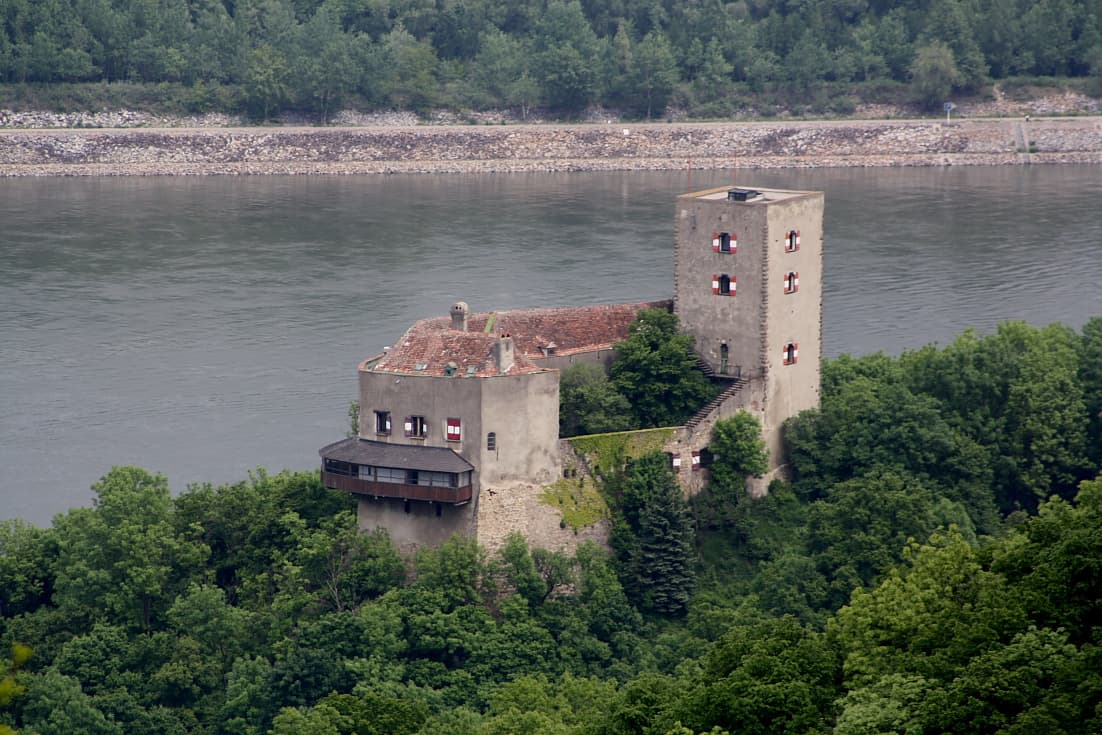
Greifenstein Castle is a historic hill castle situated in Sankt Andrä-Wördern, Lower Austria, perched prominently above the Danube River. Its strategic location provides commanding views across the river, directly opposite Burg Kreuzenstein on the northern shore, highlighting its historical role in regional defense. The castle's origins trace back to the 10th century, with the earliest documentary mention occurring in 1135, marking it as a significant medieval fortification in the area.
Medieval origins and strategic importance
Constructed primarily during the early medieval period, Greifenstein Castle was initially established to control and monitor river traffic along the Danube, an essential trade and military route. Its elevated position at approximately 227 meters above sea level allowed for extensive surveillance and defensive advantage against potential invaders. The castle's architecture reflects its early purpose as a stronghold, with robust stone walls and defensive features typical of hill castles from this era.
Throughout the 11th to 16th centuries, the castle changed ownership multiple times, reflecting the turbulent political landscape of the region. Its role evolved from a military fortress to also serving judicial functions, notably in the 16th century when it became a notorious prison for the ecclesiastical court. This period marked a shift in the castle's use from purely defensive to administrative and punitive purposes.
Architectural features and renovations
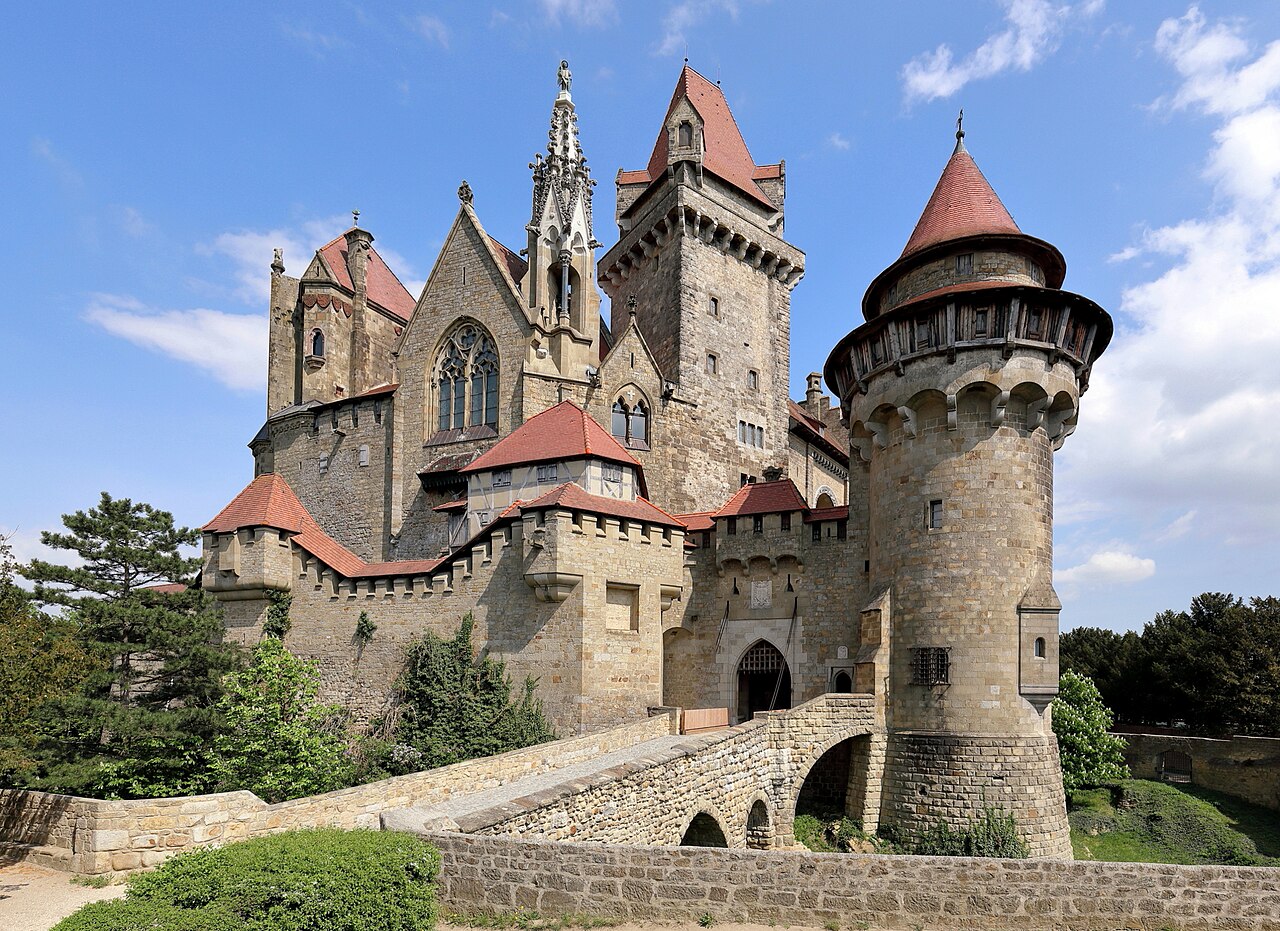
Greifenstein Castle's structure includes characteristic elements such as battlemented walls, towers, and a gatehouse designed for defense. The castle’s layout is typical of hill castles, with natural terrain utilized to enhance its fortifications. Over the centuries, it underwent numerous repairs and modifications due to damage from invasions and sieges.
In the early 19th century, specifically between 1807 and 1808, the castle was refurbished by Johann I von Liechtenstein who introduced Romantic style elements to the structure. These renovations reflected the period's aesthetic preferences, blending medieval fortification with picturesque romanticism. Despite these efforts, the castle declined again towards the end of the 19th century.
Historical ownership and decline
Until 1803, Greifenstein Castle was under the ownership of the Bishops of Passau, indicating its significance within ecclesiastical territories. After its refurbishment by Johann I von Liechtenstein, the castle remained inhabited until about 1770 before falling into disrepair. By the late 19th century, it was largely abandoned and eventually sold into private ownership in 1918.
Today, Greifenstein Castle remains privately owned and is reportedly on the market. Its preservation status is considered partially preserved, with significant portions of the structure still standing but requiring ongoing maintenance to prevent further decay.
Location and surroundings
The castle's location in Lower Austria places it within a region rich in medieval history and cultural heritage. Its proximity to the Danube River and the nearby Burg Kreuzenstein creates a notable historical landscape of fortifications guarding this important waterway. Visitors to the area can appreciate the castle’s commanding views and its role in the broader network of medieval defenses along the Danube.
Visitor information and accessibility
As a privately owned property, Greifenstein Castle is not regularly open to the public. Potential visitors should verify access arrangements in advance. The castle’s hilltop position means that reaching it may require a moderate ascent, typical of many hill castles in the region.
Cultural and historical significance
Greifenstein Castle represents an important example of early medieval fortification architecture in Austria. Its long history of changing ownership, adaptation from military to judicial use, and later romantic refurbishment illustrate the evolving functions of castles in European history. The castle's survival through centuries of conflict and neglect highlights its resilience and the layered history embedded in its walls.
Frequently asked questions (FAQ)
- How do I get to Greifenstein Castle?
- Greifenstein Castle is located in Sankt Andrä-Wördern, Austria, and can be accessed by car or public transport. The nearest train station is just a short distance away, and local buses also serve the area, making it convenient for visitors.
- What is the historical significance of Greifenstein Castle?
- Greifenstein Castle dates back to the 12th century and holds great historical importance as a medieval fortress. It played a crucial role in the defense of the region and has been a witness to various historical events over the centuries.
- When was Greifenstein Castle built?
- Greifenstein Castle was constructed in the 12th century, with its origins tracing back to around 1130 AD. Its architecture reflects the medieval styles of the era, showcasing the craftsmanship of the time.
- Can I tour Greifenstein Castle?
- Yes, visitors can tour Greifenstein Castle during its opening hours. Guided tours are often available, providing insights into the castle's rich history and architectural features.
- Why is Greifenstein Castle a popular tourist attraction?
- Greifenstein Castle is popular due to its stunning views of the surrounding landscape and its well-preserved architecture. The castle offers a glimpse into Austria's medieval past, making it an intriguing stop for history enthusiasts and tourists alike.
- Is it possible to host events at Greifenstein Castle?
- Yes, Greifenstein Castle can be rented for various events, including weddings and corporate gatherings. Its picturesque setting and historical ambiance make it a unique venue for special occasions.
- What are the opening hours for Greifenstein Castle?
- The opening hours for Greifenstein Castle vary by season, typically from 10 AM to 5 PM during the peak months. It is advisable to check the official website for the most current information before planning your visit.
- What are the ticket prices for visiting Greifenstein Castle?
- Ticket prices for Greifenstein Castle are generally affordable, with discounts often available for children and seniors. Be sure to check the castle's official website for the latest pricing and any special offers.
- What is the best time to visit Greifenstein Castle?
- The best time to visit Greifenstein Castle is during the spring and early fall when the weather is pleasant, and the surrounding landscape is in full bloom. Additionally, visiting during weekdays can help avoid larger crowds.
- Are there any nearby attractions to Greifenstein Castle?
- Yes, there are several nearby attractions, including the beautiful Danube River and charming villages in the surrounding area. Visitors can enjoy hiking, cycling, or exploring local cafes and shops after their visit to the castle.
Photo gallery

Information
Loading map...
Visitor reviews
No reviews yet. Been here? Write the first review and help other travelers!
Write the first reviewVisited this castle? Share your experience
Your review helps other travelers and adds first-hand knowledge to our encyclopedia.