Greben Fortress — Bosnia and Herzegovina castle

Greben Fortress

Greben Fortress in Bosnia and Herzegovina
High Medieval (11th–13th c.)
Ruins

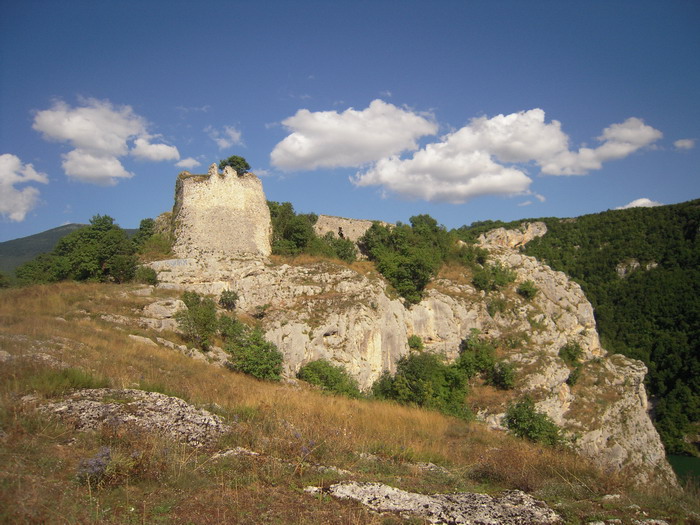
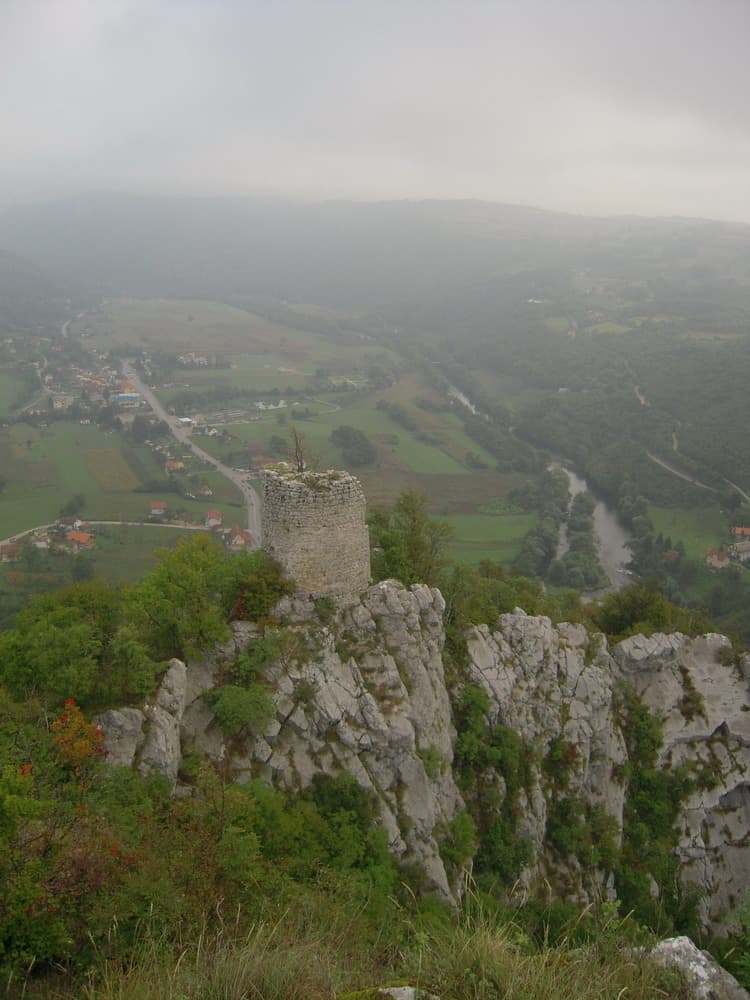
Greben Fortress is a high medieval bastioned fortress located in Bosnia and Herzegovina, notable for its strategic position in the rugged terrain of the Vrbas canyon. Constructed in the 12th century, this fortress played a crucial role in the defense and control of the surrounding region during the medieval period. It stands today as a ruined castle, with remnants that testify to its former military importance.

Geographical and strategic importance

The fortress is situated on the southern side of a steep slope overlooking the Vrbas river, approximately 10 kilometers upstream from Banjaluka and about 40 kilometers downstream from Jajce. This location allowed it to command a vital passage through the canyon, controlling movement along the river and the adjacent trade routes. The natural defenses provided by the steep cliffs enhanced its defensive capabilities, making it a formidable stronghold in medieval Bosnia.

Historical background and significance

Built during the 12th century, Greben Fortress emerged in a period marked by frequent territorial conflicts and the need for fortified sites to safeguard political and economic interests. It was part of a network of fortresses that protected the medieval Bosnian state from external threats. The fortress witnessed various military engagements and served as a defensive bastion against incursions by rival powers.

Role in medieval Bosnia

Throughout the high medieval period, the fortress was integral to the region's defense system. Its bastioned design reflects the military architecture of the time, optimized for withstanding sieges and providing vantage points for archers and lookouts. Although detailed records of battles fought at Greben are scarce, its position and construction indicate its importance in regional power struggles.

Architectural features

Greben Fortress exemplifies the characteristics of a bastioned fortress, a style that incorporates projecting bastions to cover adjacent walls and eliminate blind spots. The fortress was built using local stone, with walls adapted to the uneven rocky terrain of the canyon slope. The remnants include sections of curtain walls, bastions, and foundations of towers that once provided defensive and observational functions.

Defensive structures

The fortress's bastions allowed defenders to cover the approaches to the walls with crossfire, a significant advancement in medieval military architecture. The steep natural cliffs complemented the man-made defenses, creating a layered system that was difficult for attackers to breach. The layout likely included a central courtyard and living quarters, although much of the internal structure has not survived.

Current condition and preservation

Today, Greben Fortress stands in a state of ruins. The passage of time, natural erosion, and lack of extensive restoration have left only fragments of the original structure visible. Despite this, the site remains an important cultural and historical landmark, attracting visitors interested in medieval architecture and Bosnian history. Its ruins offer insights into the defensive strategies employed during the high medieval period.

Accessibility and tourism

The fortress is accessible via hiking trails from nearby towns, offering visitors a chance to explore the rugged landscape of the Vrbas canyon. The site is open year-round, although facilities are limited due to its remote location and preserved ruinous state. Interpretive signage and guided tours are occasionally available, enhancing the visitor experience by providing historical context.

Cultural heritage and significance

Greben Fortress is recognized as part of Bosnia and Herzegovina's medieval heritage. It contributes to the understanding of regional defense systems and medieval military architecture in the Balkans. Preservation efforts focus on stabilizing the remaining structures and promoting awareness of the site's historical value.

Frequently asked questions (FAQ)

How do I get to Greben Fortress?
Greben Fortress is located near the town of Konjic in Bosnia and Herzegovina. You can reach it by car or public transportation from major cities like Sarajevo or Mostar, with the scenic drive offering beautiful views of the surrounding landscape.
What is the historical significance of Greben Fortress?
Greben Fortress dates back to the 14th century and played a crucial role in the region's defense during various conflicts. Its strategic location offered protection and surveillance over the Neretva River, making it a vital military stronghold throughout history.
When was Greben Fortress built?
The construction of Greben Fortress began in the 14th century, and it underwent several renovations over the centuries. The fortress reflects the architectural styles of different periods, showcasing its historical evolution.
Can I enter Greben Fortress?
Yes, visitors can enter Greben Fortress, where they can explore its ruins and enjoy panoramic views of the surrounding area. It is advisable to wear sturdy footwear, as the terrain can be uneven.
Why is Greben Fortress a popular tourist attraction?
Greben Fortress is popular for its rich history, stunning architecture, and breathtaking views of the Neretva River valley. It attracts history enthusiasts and nature lovers alike, providing a unique glimpse into Bosnia and Herzegovina's past.
Is it possible to visit Greben Fortress year-round?
Yes, Greben Fortress is open to visitors year-round, although accessibility may vary with weather conditions. The best time to visit is during spring and autumn when the weather is mild and the scenery is particularly beautiful.
What are the opening hours for Greben Fortress?
Greben Fortress is generally accessible during daylight hours, though specific opening times can vary. It is recommended to check local resources or contact tourist information for the most accurate details before your visit.
Are there any nearby attractions to visit along with Greben Fortress?
Yes, nearby attractions include the picturesque town of Konjic, known for its Ottoman architecture, and the stunning Neretva River, ideal for outdoor activities. Additionally, the nearby Blagaj Tekke and the historic city of Mostar are worth exploring.
What are the ticket prices for visiting Greben Fortress?
Entry to Greben Fortress is typically free, which makes it an excellent option for budget-conscious travelers. However, there may be small fees for guided tours or related activities, so it's best to inquire upon arrival.

Photo gallery

Greben Fortress
Click to view

Photo by Rade Nagraisalović•CC BY-SA 4.0

1 photo • Click any image to view in full screen

Information

Bastioned Fortress

Loading map...

Visitor reviews

No reviews yet. Been here? Write the first review and help other travelers!

Write the first review

Visited this castle? Share your experience

Your review helps other travelers and adds first-hand knowledge to our encyclopedia.
Write a review

(5/5)

0/2000 characters

Your review will be visible after admin approval

Nearby castles

10.9 km
Kastel Fortress — Bosnia and Herzegovina castle

Kastel Fortress

Banja Luka, Bosnia and Herzegovina

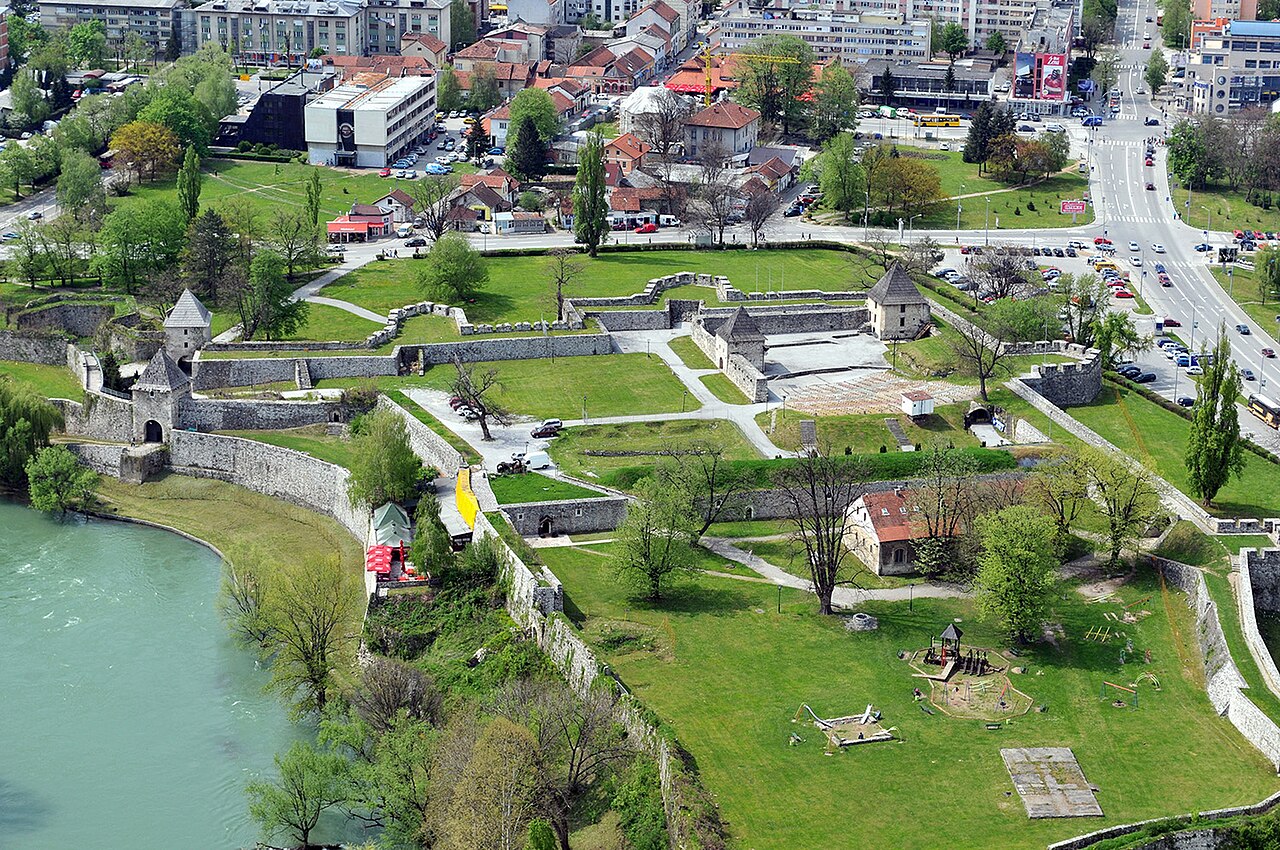
Kastel Fortress in Banja Luka, Bosnia and Herzegovina, is a significant medieval bastioned fortress located on the left bank of the Vrbas river in the heart of the city. This fortress stands on a site with a long history of fortification, dating back to Roman times and even earlier pre-Roman settlements, making it a place of strategic importance for centuries. Historical background and strategic importance The site of Kastel Fortress has been continuously fortified since antiquity, initially serving as a Roman military outpost due to its commanding position overlooking the river and surrounding terrain. The current fortress, however, primarily dates from the late medieval period, specifically the 15th century, when it was constructed and expanded under the Ottoman Empire after their capture of the region in 1527. The fortress was built on the foundations of earlier fortifications, incorporating and reinforcing the existing defensive structures to adapt to the evolving military technologies of the time. Architectural features and fortifications Kastel Fortress is classified as a bastioned fortress, a style that became prominent in the late medieval and early modern periods as a response to the increasing use of artillery in warfare. The fortress features thick stone walls with bastions projecting outward to provide overlapping fields of fire against attackers. The bastions are angular and robust, designed to deflect cannonballs and to provide platforms for defensive artillery. The fortress layout is roughly rectangular, with multiple bastions positioned at the corners and along the walls. Inside, there are remnants of residential quarters, armories, and storage facilities, indicating its role not only as a military stronghold but also as a center of local administration and control. Defensive structures and river location The location on the Vrbas riverbank was strategic for controlling river traffic and defending the city. The fortress walls extend close to the river, and there are remains of a moat or water defenses that further enhanced its protection. The river also provided a natural barrier on one side, reducing the number of directions from which an assault could be launched. Historical events and cultural significance Throughout its history, Kastel Fortress witnessed numerous military engagements, especially during the Ottoman period, serving as a key defensive point against incursions from rival powers in the Balkans. Its capture by the Ottomans in 1527 marked a significant shift in the region's political landscape, as it became part of the expanding Ottoman frontier in Europe. Today, Kastel Fortress is one of Banja Luka’s main cultural and historical landmarks. It has been relatively well-preserved compared to many other fortresses in the region, maintaining much of its original structure and form. The fortress is a popular destination for tourists and locals alike, offering insights into the military architecture of the late medieval and early Ottoman periods. Preservation and current status The fortress is currently classified as well preserved, with ongoing efforts to maintain and restore its structural integrity. Its position in the city center makes it accessible and a focal point for cultural activities and historical education in Banja Luka. Visitor experience and accessibility Visitors to Kastel Fortress can explore the extensive walls, bastions, and inner courtyards. The site offers panoramic views of the Vrbas river and the surrounding cityscape. Informational displays and guided tours provide historical context, detailing the fortress's construction, military significance, and role in regional history. Architectural style and construction details The fortress exhibits architectural elements typical of late medieval military construction with bastioned defenses adapted to withstand artillery attacks. The stone masonry is robust, with thick walls and angular bastions designed to minimize blind spots and maximize defensive coverage. The design reflects the transition from medieval fortifications to early modern bastioned systems influenced by evolving warfare tactics.

Late Medieval (14th–15th c.)
Details
18.1 km
Bočac Fortress — Bosnia and Herzegovina castle

Bočac Fortress

Bočac, Bosnia and Herzegovina

Bočac Fortress stands prominently on the left bank of the Vrbas River, strategically positioned between the cities of Banja Luka and Jajce along the modern motorway E661. Constructed in the early 15th century, this late medieval bastioned fortress was built atop a rocky outcrop to control and defend a crucial river crossing, which was vital for military and trade routes in the region. Historical significance and early mentions The fortress is first documented in a charter from 1448, indicating its established importance by the mid-15th century. Initially, Bočac Fortress served as a defensive stronghold within the Banovina of Jajce, a significant administrative and military district in the medieval Bosnian state. From 1463 to 1527, the fortress was a key fortification guarding the Banovina during a turbulent period marked by the Ottoman Empire's expansion into the Balkans. Architectural features and fortifications Bočac Fortress exemplifies the bastioned fortress typology, a style that became increasingly prevalent in the late medieval period as artillery warfare evolved. The fortress is constructed on a natural rocky foundation, which enhances its defensive capabilities. Its fortified walls and towers are arranged to provide overlapping fields of fire, a hallmark of bastioned design intended to eliminate blind spots and resist cannon attacks. The complex includes multiple towers that once housed artillery pieces, as well as thick curtain walls that enclose the central area. The fortress's position overlooking the river crossing allowed defenders to monitor and control movement along the Vrbas, crucial for both military defense and economic control. Ottoman modifications and later history Following the Ottoman conquest in 1527, Bočac Fortress continued to hold military significance. The Ottomans maintained and reinforced the fortress, adapting it to their defensive needs. Records from the early 18th century describe Bočac as a settlement with several cannons, indicating its ongoing strategic role. Despite continued use, the fortress was eventually abandoned before 1833, as military technology and political boundaries shifted. Today, the fortified walls and towers that surround what was once the town's large garden remain relatively well preserved, offering valuable insights into late medieval and early modern military architecture in Bosnia and Herzegovina. Geographical and strategic importance The fortress's location on the Vrbas River was critical for controlling one of the main transit routes through the region. The river valley served as a natural corridor between the interior of Bosnia and the Adriatic coast, making Bočac a key defensive point against invasions and a checkpoint for trade. The rocky terrain on which the fortress was built provided a natural elevation advantage, enhancing its defensive posture and making direct assault difficult for attackers. This combination of natural and man-made defenses exemplifies the military engineering approaches of the late medieval period. Preservation and current condition Today, Bočac Fortress is classified as well preserved considering its age and historical use. The surviving bastioned walls and towers offer a tangible connection to the region's medieval past and Ottoman period adaptations. The site is accessible to visitors interested in military architecture and Balkan history, although facilities and interpretive materials may be limited compared to more prominent castles. Efforts to maintain the fortress help preserve an important cultural heritage site that reflects the complex history of Bosnia and Herzegovina's borderlands during the late medieval and early modern periods.

Late Medieval (14th–15th c.)
Details
32.1 km

Komotin Castle

Jajce, Bosnia and Herzegovina

Komotin Castle is a ruined late medieval fortress located in the municipality of Jajce, Bosnia and Herzegovina. Constructed in the 14th century, this castle served as a fortified manorial court, reflecting the political and military complexities of medieval Bosnia. It was strategically positioned on a high hill, making it difficult to access except by narrow, winding paths, which enhanced its defensive capabilities. Historical context and significance The castle is historically linked to the last Bosnian king, Stephen Tomašević, who issued a charter granting Komotin to his uncle, Radivoj Kotromanić. This connection places Komotin Castle within the final decades of the Bosnian medieval kingdom before the Ottoman conquest. The castle's role was primarily that of a manorial court, serving as a residence and administrative center for local nobility. Architectural features and defensive design Location and layout Komotin Castle's hilltop location was a deliberate choice to maximize defense. The approach to the castle was limited to narrow, winding paths that hindered large-scale assaults. Once attackers navigated these difficult paths, they faced a moat encircling the castle, which could only be crossed via a drawbridge. This layered defense system was typical of late medieval fortifications. Structural elements The castle walls are rectangular in shape and measure between 1.2 and 1.4 metres thick. These substantial walls were designed to withstand sieges and provide protection against projectiles and battering. Within the walls, the castle contained both a large and a small bailey, which were open courtyards used for various domestic and defensive purposes. The presence of quarters and accommodations within the castle indicates it was designed for extended habitation by the lord and his retinue. Manorial court function and social role As a manorial court, Komotin Castle was not only a military stronghold but also a center of local governance and economic management. The lord residing at Komotin would have exercised judicial and administrative authority over the surrounding lands and population. The castle's architecture reflects this dual role, combining residential comfort with defensive necessity. Current condition and preservation Today, Komotin Castle remains in a ruined state, with portions of its walls and structural elements still visible. Its location and condition make it an important site for understanding the medieval history of Bosnia and Herzegovina. Efforts to preserve and study the castle contribute to the cultural heritage of the region. Visiting Komotin Castle Visitors to Komotin Castle can explore the remains set amidst the natural landscape of the Jajce region. The castle's elevated position offers views of the surrounding countryside, providing insight into the strategic considerations of its builders. Access involves navigating the steep paths that once served as defensive measures, giving a tangible sense of the castle's historical function. Frequently asked questions When was Komotin Castle built? Komotin Castle was constructed in the 14th century during the late medieval period. What was the primary function of Komotin Castle? It served as a fortified manorial court, combining residential and administrative roles with military defense. How is the castle defended? The castle's defenses included a high hilltop location, narrow winding access paths, a moat, and a drawbridge. Can visitors access the castle ruins? Yes, visitors can explore the ruins, though access involves steep and narrow paths reflecting the original defensive design. Who owned Komotin Castle historically? It was granted by King Stephen Tomašević to his uncle Radivoj Kotromanić in the late medieval period.

Late Medieval (14th–15th c.)
Details