Gram Castle
Gram Castle, located in Gram, Denmark, is a notable example of a Renaissance manor with architectural elements spanning several centuries. The castle's origins trace back to the early 16th century, with the construction of its east wing. While the exact builder remains unknown, it is widely believed that a member of the Reventlow family was responsible, as they owned the estate from the mid-15th century until 1560. This period marked a transition in Danish architecture, with Renaissance influences beginning to emerge, which are reflected in the manor's design.
Architectural development through the centuries
The east wing and early Renaissance features
The east wing, constructed at the beginning of the 16th century, forms the oldest part of Gram Castle. This wing showcases early Renaissance architectural features, including symmetrical layouts and classical proportions that were gradually replacing the medieval Gothic style prevalent in Denmark. The use of brick and stone masonry, along with decorative elements such as pilasters and window frames, illustrates the evolving tastes of Danish nobility during this era.
The south wing by Commander Hans Schack
In the mid-17th century, the castle underwent significant expansion under the ownership of Commander Hans Schack (1609–1676). After acquiring the manor in 1664, Schack commissioned the construction of the south wing a few years later. This addition reflects the continued Renaissance influence but also incorporates early Baroque elements, evident in the more elaborate ornamentation and grander scale. Hans Schack was a prominent military figure and nobleman, and his enhancements to Gram Castle underscored his status and wealth.
The west wing by Countess Anna Sophie Schack
The west wing was added in 1752 by Countess Anna Sophie Schack (1689–1760). This construction reflects the architectural tastes of the 18th century, blending late Renaissance with early Baroque styles. The wing includes refined decorative details and functional spaces that adapted the manor to contemporary needs. Countess Schack’s contribution completed the castle’s three-winged layout, creating a harmonious complex that balances historical legacy with practical use.
Historical ownership and significance
The estate's ownership history is closely tied to two influential Danish noble families: the Reventlows and the Schacks. The Reventlows held Gram from the mid-15th century until 1560, a period during which the estate was established as a significant manor. The Schack family acquired it in the 17th century, with Hans Schack playing a key role in its architectural evolution. The castle remained in noble hands for centuries, reflecting the social and political dynamics of Danish aristocracy.
Current use and preservation
Today, Gram Castle serves as a conference center, combining its historical ambiance with modern functionality. The manor is well preserved, maintaining its Renaissance character alongside later additions. Visitors and guests can experience the castle’s architectural heritage while benefiting from contemporary amenities. The castle's setting in the Danish countryside adds to its appeal as a venue for events and cultural activities.
Architectural features and layout
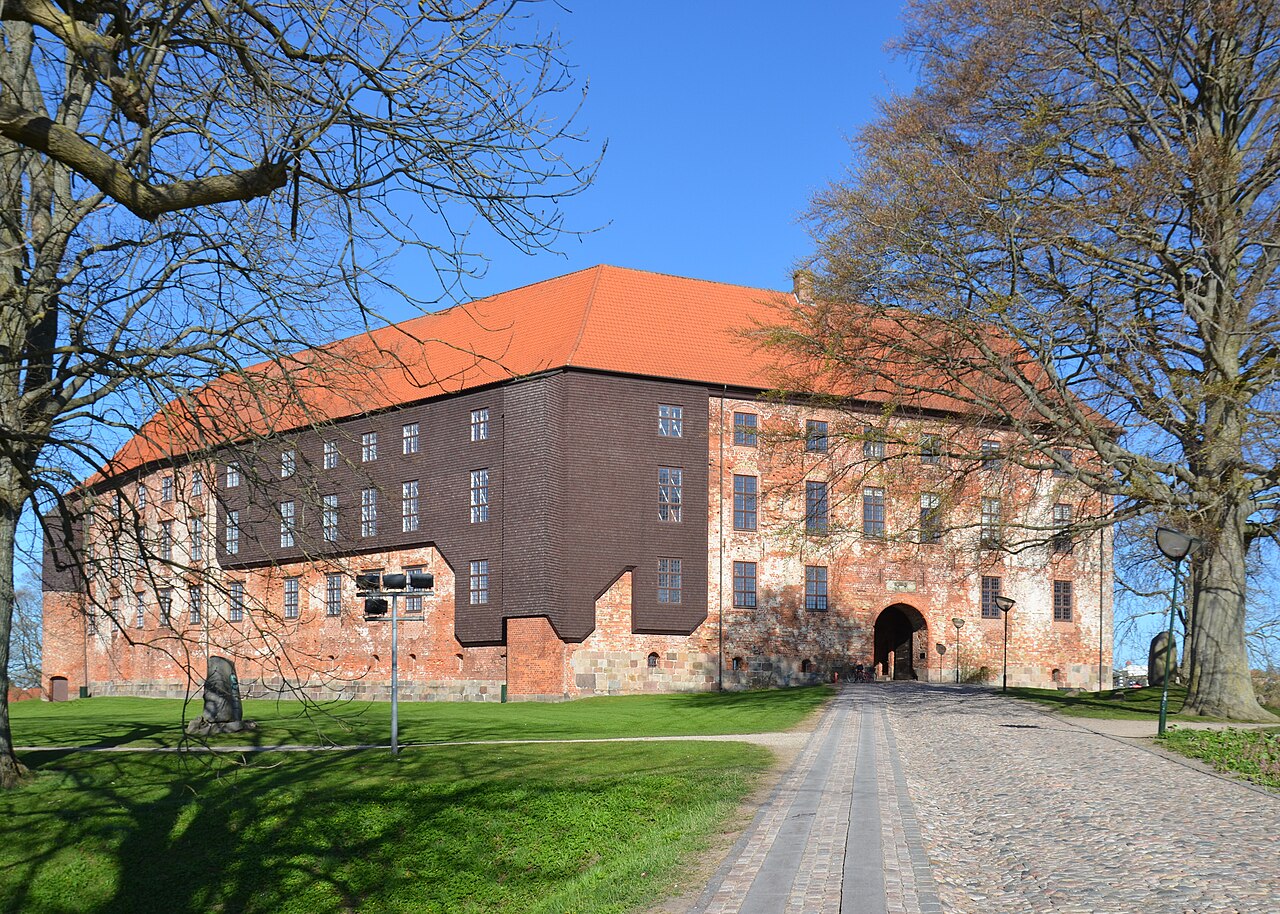
The castle's three-winged structure forms a courtyard that was typical of Danish manors of the Renaissance and Baroque periods. The east wing remains the oldest and most historically significant part, while the south and west wings demonstrate the evolution of architectural styles over two centuries. The use of brickwork, gabled roofs, and decorative stonework are prominent throughout the complex. The manor’s layout reflects both defensive considerations of earlier periods and the later shift toward residential comfort and status display.
Materials and craftsmanship
The construction utilizes traditional Danish building materials, including red brick and local stone. Skilled craftsmanship is evident in the masonry, woodwork, and ornamental details. The castle's windows, doorways, and rooflines exhibit the influence of Renaissance symmetry and proportion, combined with Baroque embellishments added in subsequent centuries.
Gram Castle in Danish cultural heritage
Gram Castle stands as a testament to the architectural and social history of Denmark's noble estates. Its continuous development over several centuries provides insight into changing styles and functions of manorial residences. The castle is part of Denmark's cultural heritage, representing the legacy of influential families and the architectural trends from the Renaissance through the 18th century.
Visitor experience and accessibility
While primarily functioning as a conference center, Gram Castle occasionally hosts cultural events and guided tours that highlight its history and architecture. Visitors interested in Danish Renaissance architecture and noble estates will find Gram Castle a valuable site. Its well-maintained condition allows for an authentic experience of historical Danish manor life.
Frequently asked questions (FAQ)
- How do I get to Gram Castle?
- You can reach Gram Castle by car or public transport. If you are driving, the castle is located just off the main road in Gram, Denmark, with ample parking available. For public transport, check local bus routes that connect to Gram.
- What is the historical significance of Gram Castle?
- Gram Castle dates back to the 14th century and has played a vital role in Denmark's history. It was originally built as a fortress and later transformed into a residence for noble families. The castle's architecture and historical artifacts provide insight into Denmark’s medieval past.
- When was Gram Castle built?
- The construction of Gram Castle began in the early 14th century, with significant modifications occurring in subsequent centuries. Over the years, it has been renovated and expanded, reflecting various architectural styles. Today, it stands as a testament to Denmark's rich historical heritage.
- Can I take a guided tour of Gram Castle?
- Yes, guided tours are available for visitors who want to learn more about the castle’s history and architecture. Tours typically include access to the castle grounds, the main building, and informative sessions led by knowledgeable guides. It's recommended to book in advance during peak tourist seasons.
- Why is Gram Castle a popular tourist destination?
- Gram Castle attracts visitors due to its stunning architecture, rich history, and beautiful surrounding gardens. The castle often hosts events, exhibitions, and seasonal activities that appeal to families and history enthusiasts alike. Additionally, its picturesque location makes it an ideal spot for photography and leisurely walks.
- Is it possible to host events at Gram Castle?
- Yes, Gram Castle offers facilities for hosting events such as weddings, corporate meetings, and private gatherings. The unique historical setting provides a charming backdrop for any occasion. For more information on booking and capacity, you can contact the castle administration directly.
- What are the opening hours for Gram Castle?
- Gram Castle is typically open to visitors from April to September, with varying hours depending on the day of the week. During the off-peak season, please check the official website for updated hours and any special events that may affect access. It's advisable to plan your visit accordingly.
- What are the ticket prices for visiting Gram Castle?
- Ticket prices for Gram Castle vary based on age and group sizes, with discounts often available for children and seniors. Generally, you can expect a modest entrance fee that grants access to the castle and its grounds. Check the official website for the most current pricing and any special promotions.
- What nearby attractions can I visit while at Gram Castle?
- While visiting Gram Castle, you can explore the nearby Gram Town, which features charming shops and cafes. Additionally, the surrounding nature offers beautiful hiking trails and scenic views. Other historical sites in the vicinity can also enrich your visit to the area.
Information
Website
Visit websiteSources & official resources
Verify the information above using these authoritative references.
Loading map...
Visitor reviews
No reviews yet. Been here? Write the first review and help other travelers!
Write the first reviewVisited this castle? Share your experience
Your review helps other travelers and adds first-hand knowledge to our encyclopedia.