Gråborg Castle
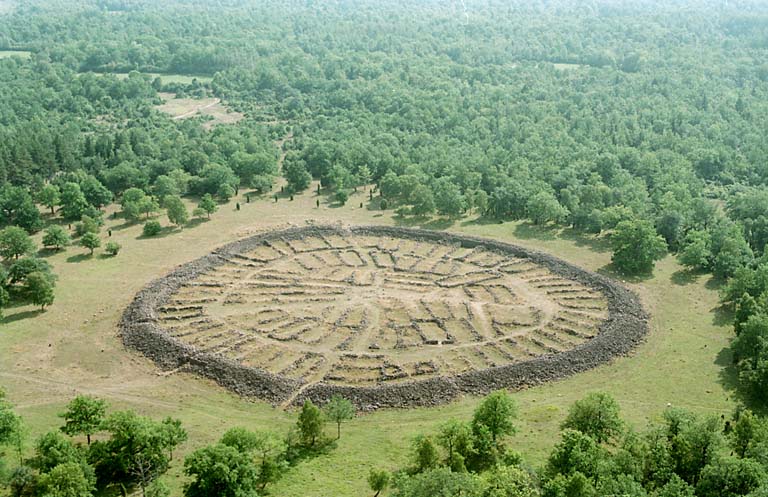
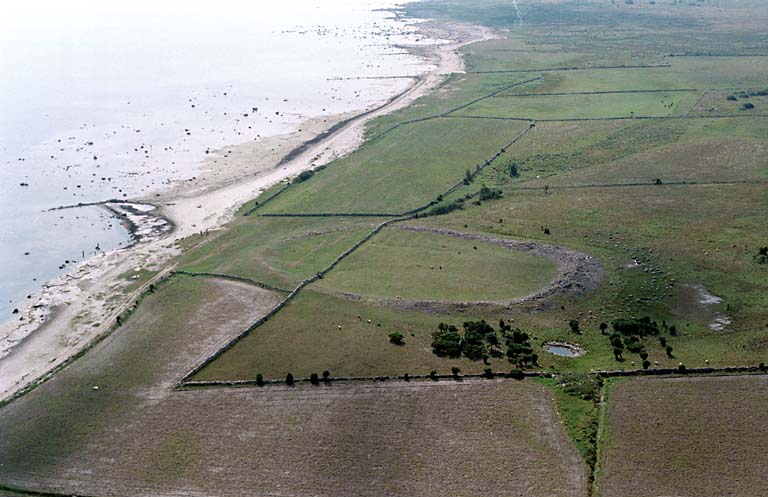
Gråborg Castle is the largest known ancient hillfort on the Swedish island of Öland. Its origins trace back to the 6th century, making it a significant archaeological site that illustrates early medieval defensive architecture and the evolution of regional power centers. The hillfort's strategic location near the modern town of Färjestaden in Mörbylånga Municipality highlights its historical importance as a fortified refuge and a hub for trade and social interaction throughout the Middle Ages.
Historical development and significance
The earliest construction phase of Gråborg likely dates from around 500 AD, during the Early Medieval period. Initially built as a hillfort to provide protection for local populations, it was expanded and reinforced over several centuries, reaching its largest form by the 12th century. This prolonged development reflects the shifting political and military landscape of the Baltic region during the Viking Age and the Middle Ages.
Throughout the medieval period, Gråborg served multiple functions beyond military defense. According to historical tax records from 1450, the site was owned by the Vadstena Abbey, indicating its integration into ecclesiastical landholdings. The castle also functioned as a protected marketplace, facilitating trade and economic activity in the region. Its role as a commercial center is further supported by archaeological finds suggesting extensive human activity and exchange.
The castle's defensive role persisted into the late 17th century. It was reportedly used for protection against Danish forces as late as 1677, underscoring its continued strategic relevance well beyond the medieval era. Local legends connect Gråborg with the antiking Burislev Sverkersson, who is said to have grown up at the site alongside his half-sister Sofia of Minsk. These stories contribute to the castle's cultural heritage and highlight its place in regional folklore.
Architectural features and layout
Gråborg is characterized by its elliptical rampart, which encloses an area approximately 210 by 160 meters. The fortification walls stand about 4 to 7 meters tall and are constructed primarily from local stone. Notably, parts of the outer wall are bonded with mortar, a feature that has helped preserve the structure's integrity over centuries.
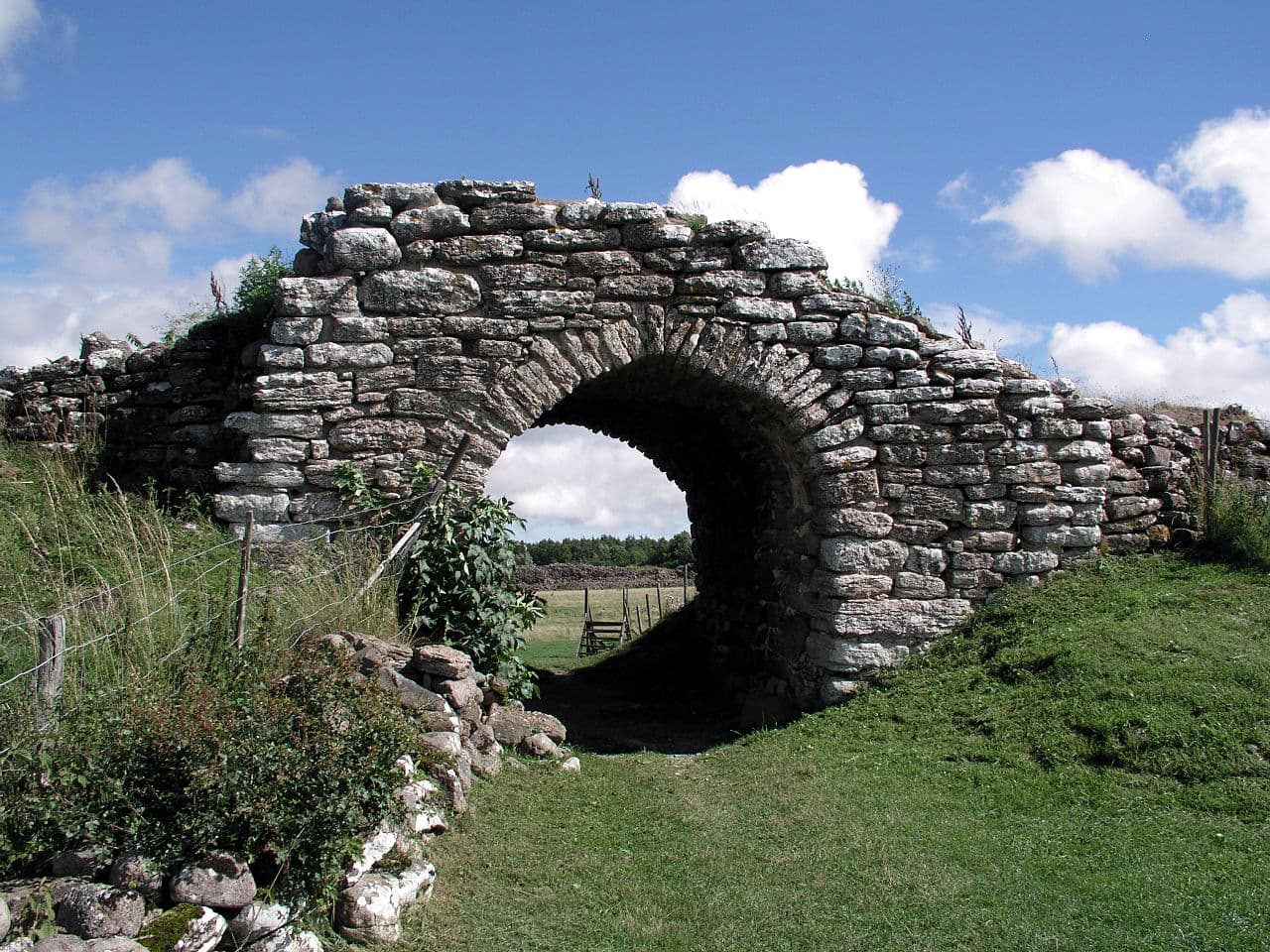
The hillfort has three entrances, one of which was enhanced with a vaulted gate and a tower superstructure during the Middle Ages. This architectural adaptation reflects evolving defensive needs and the influence of medieval military design. Despite extensive archaeological investigation, no remains of internal buildings have been found within the fort's enclosure, likely due to subsequent agricultural use that disturbed the original foundations.
On the northern side of the castle ruins lie the remains of a medieval chapel dedicated to St. Knut. This ecclesiastical structure indicates the site's religious significance and its integration into the spiritual landscape of medieval Öland.
Archaeological discoveries
Excavations at Gråborg have uncovered a wide range of artifacts, which are now housed at the Kalmar County Museum. These finds include everyday objects, trade goods, and remnants of fortification construction, providing valuable insights into the life and activities of the castle's inhabitants over many centuries. The archaeological record confirms continuous use and adaptation from the Early Medieval period through the Middle Ages.
Gråborg in the context of Öland's fortifications
For many years, Gråborg was considered the largest ancient hillfort on Öland, a testament to its regional importance. However, in 2021, the discovery of Sörby borg in central Öland revealed an even larger hillfort, reshaping understandings of the island's defensive landscape.
Despite this, Gråborg remains a key site for understanding the military, economic, and social history of Öland. Its size, construction, and long period of use reflect the island's strategic position in the Baltic Sea and its role in the broader Scandinavian medieval world.
Visiting Gråborg today
Today, the site of Gråborg is a protected archaeological ruin open to visitors interested in medieval history and early Scandinavian fortifications. The ramparts remain prominent in the landscape, although the interior is now covered with grass and vegetation. Interpretive signage and museum exhibits in nearby Kalmar provide context for the site's historical and cultural significance.
Visitors can explore the remains of the fortifications and the chapel ruins, gaining a tangible sense of the site's past importance. The castle's connection to regional legends and its role as a medieval trade center add to its appeal as a destination for history enthusiasts.
Frequently asked questions (FAQ)
- When was Gråborg Castle originally built?
- Gråborg Castle was originally constructed around 500 AD during the Early Medieval period, with expansions continuing into the 12th century.
- What architectural features define Gråborg Castle?
- Gråborg Castle features a large elliptical stone rampart approximately 4 to 7 meters high, with three entrances including a medieval vaulted gate and tower superstructure.
- Can visitors see any buildings inside the hillfort?
- No visible remains of internal buildings exist within Gråborg Castle due to agricultural activity that disturbed foundations, but ruins of a medieval chapel dedicated to St. Knut remain on the north side.
- What was Gråborg Castle used for during the Middle Ages?
- During the Middle Ages, Gråborg Castle served as a protected marketplace and a defensive stronghold, owned by Vadstena Abbey according to 15th-century tax records.
- Is Gråborg Castle accessible to the public?
- Yes, Gråborg Castle is accessible to visitors as an archaeological ruin, with interpretive information available and artifacts displayed at the Kalmar County Museum.
Photo gallery

Information
Current owner
State museum
Loading map...
Visitor reviews
No reviews yet. Been here? Write the first review and help other travelers!
Write the first reviewVisited this castle? Share your experience
Your review helps other travelers and adds first-hand knowledge to our encyclopedia.