Sandby borg
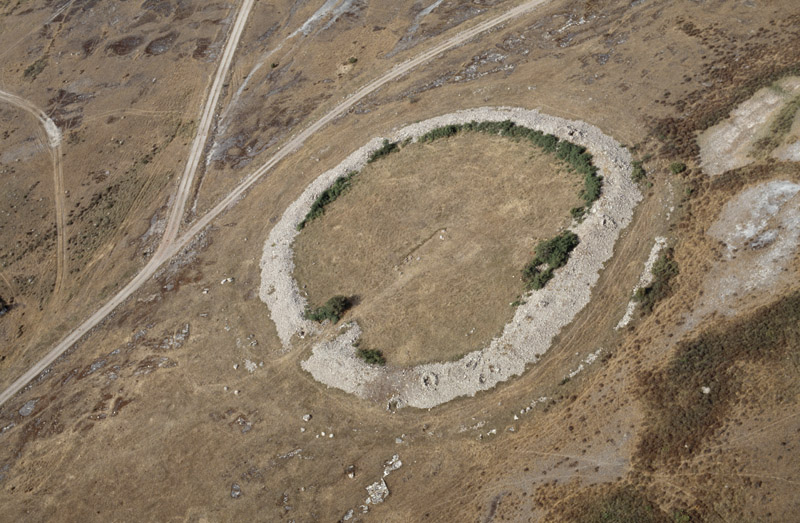
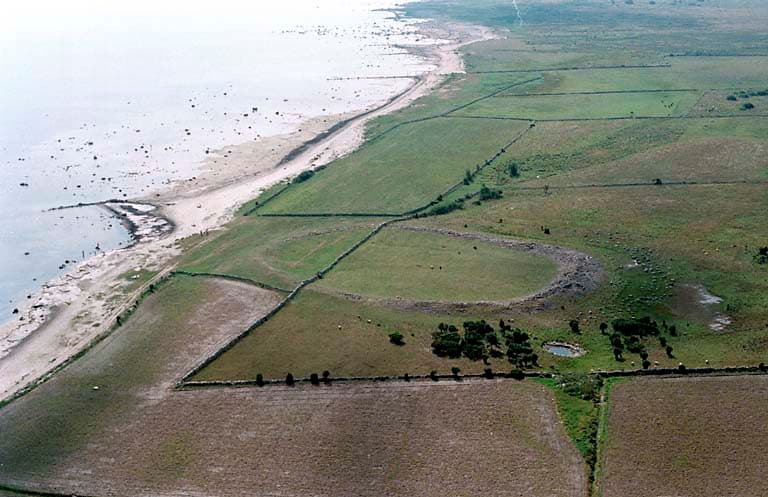
Sandby borg is a remarkable example of an Iron Age ringfort located on the island of Öland, Sweden. As one of at least 15 such ringforts on Öland, it stands out due to its exceptional archaeological preservation and the dramatic history uncovered through recent excavations. Situated approximately 2 kilometers southeast of Södra Sandby village in the parish of Sandby, and near the village of Gårdby, the fort occupies a strategic position in southeastern Öland.
The architectural layout and structure of Sandby borg
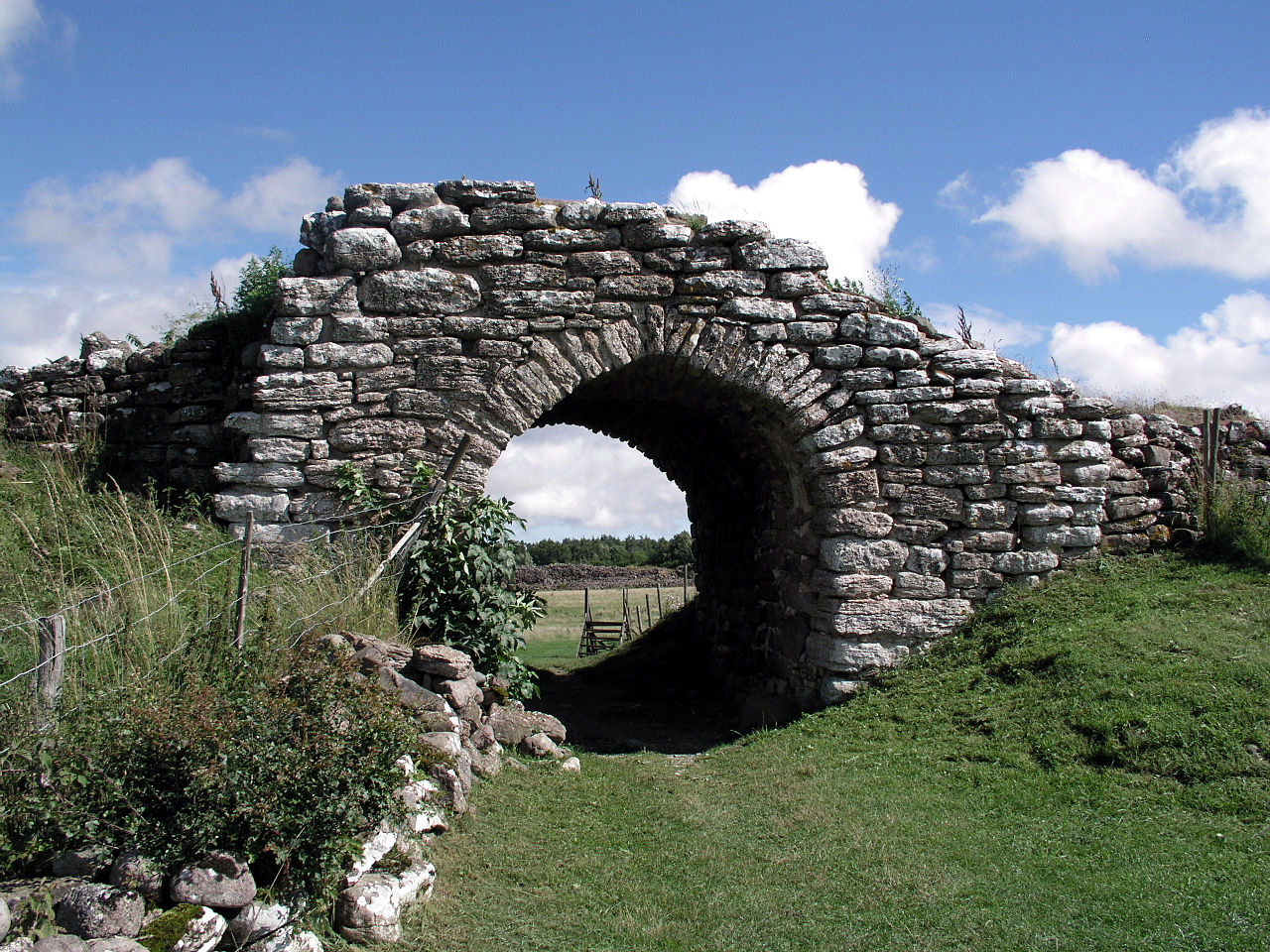
Sandby borg is a circular fortification, characteristic of the ringfort type common in the Iron Age Scandinavia. The fort's enclosure measures roughly 120 meters in diameter, surrounded by a substantial stone wall that would have provided formidable defense against attackers. The walls, constructed from locally sourced limestone, reach heights that would have been imposing in their time, and are reinforced with towers at intervals to allow for defensive positions and surveillance.
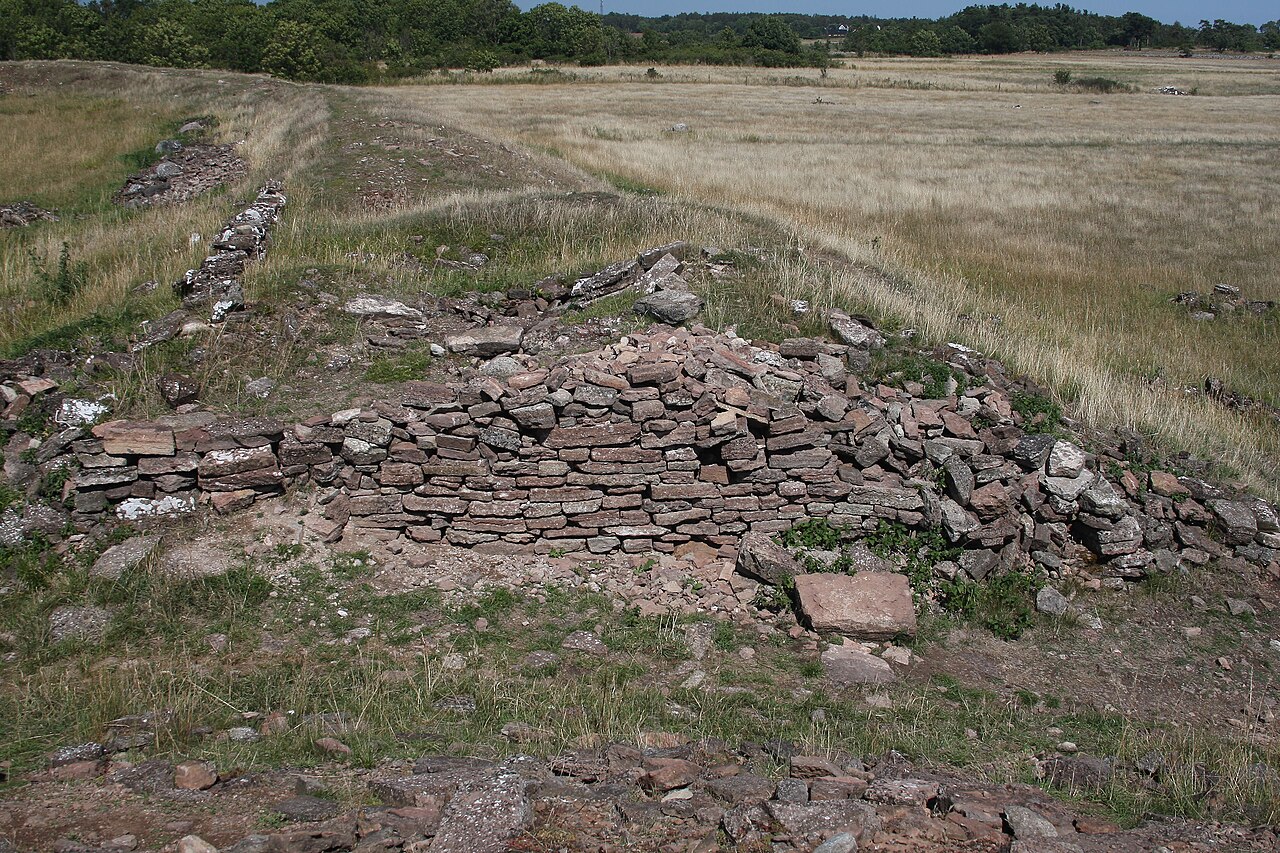
Inside the walls, the fort contained a number of residential houses arranged in a planned manner, with streets running between them. These houses were built using stone foundations with wooden superstructures, typical of the period. The layout suggests a well-organized community with a focus on both defense and daily living needs.
The massacre and archaeological significance
Excavations beginning in 2011 revealed that Sandby borg was the site of a brutal massacre in the late fifth century AD. The victims, numbering at least 26 individuals, were found lying where they fell inside the houses and scattered in the streets, their bodies left unburied. This extraordinary preservation provides a rare and detailed snapshot of Iron Age violence and conflict. The massacre appears to have been sudden and devastating, with no evidence of subsequent occupation or burial rites.
The archaeological findings include weapons, household items, and skeletal remains, which together offer insights into the social dynamics, warfare, and everyday life of the fort's inhabitants. The lack of burial and the state of the remains suggest a violent attack that abruptly ended the community's existence.
Insights into Iron Age warfare and society
The evidence from Sandby borg challenges previous assumptions about the nature of conflict in Iron Age Scandinavia. The fort's destruction shows organized violence with a high degree of brutality, possibly linked to political or territorial disputes. The discovery also sheds light on the living conditions within ringforts, highlighting their role not only as defensive structures but also as centers of community life.
Context within Öland and Scandinavian archaeology
Sandby borg is part of a broader network of ringforts on Öland, which were likely constructed during the late Iron Age (approximately 400–600 AD). These forts are among the best-preserved examples of prehistoric fortifications in Scandinavia, offering valuable information about regional defense strategies and settlement patterns.
Öland's ringforts, including Sandby borg, contribute significantly to understanding the transition from the Roman Iron Age to the Migration Period in northern Europe. Their study helps illuminate the social and political changes during this turbulent era.
Current condition and preservation efforts
Today, Sandby borg exists as archaeological ruins with substantial portions of its stone walls still intact. The site is protected and managed to preserve its unique archaeological context. Ongoing excavations and research continue to uncover new information, making Sandby borg a key site for scholars and visitors interested in Iron Age history and archaeology.
Visitors to the site can observe the remains of the fort's walls and the layout of the houses, gaining a tangible connection to the past. Interpretive signage and guided tours help explain the significance of the site and its dramatic history.
Visiting Sandby borg
While the site is primarily an open-air archaeological ruin, it is accessible to the public. Visitors are advised to respect the preservation rules and avoid disturbing the remains. The nearby villages of Södra Sandby and Gårdby offer amenities and additional historical attractions related to Öland's rich cultural heritage.
Frequently asked questions (FAQ)
- What is Sandby borg and where is it located?
- Sandby borg is an Iron Age ringfort situated on the island of Öland in southeastern Sweden, near the villages of Södra Sandby and Gårdby.
- When was Sandby borg built and what historical period does it belong to?
- Sandby borg dates back to the late 5th century AD, placing it in the early medieval period of Scandinavian history.
- What makes Sandby borg archaeologically significant?
- The site is notable for the discovery of a massacre where victims were found unburied inside the fort, providing unique insights into Iron Age violence and everyday life.
- Can visitors access Sandby borg today?
- Yes, Sandby borg is accessible as an archaeological ruin, allowing visitors to explore the remains of the fort and learn about its history through onsite information.
- How well preserved is Sandby borg?
- The fort exists as ruins with substantial stone walls intact, offering a clear view of its original defensive structures and layout.
Photo gallery

Information
Loading map...
Visitor reviews
No reviews yet. Been here? Write the first review and help other travelers!
Write the first reviewVisited this castle? Share your experience
Your review helps other travelers and adds first-hand knowledge to our encyclopedia.