Gouda Castle
Gouda Castle, locally known as Kasteel van Gouda, is a historically significant medieval fortress located in the heart of Gouda, within the province of South Holland, Netherlands. Originally constructed between 1361 and 1384 by order of John II of Châtillon, Count of Blois, the castle replaced an earlier motte-and-bailey fortification and was integrated into the town's defensive walls. Its strategic position along the Hollandse IJssel river allowed it to control river shipping and secure the entrance to Gouda's harbor, making it a vital military and economic asset in the region.
Architectural design and fortifications
The castle featured a rectangular walled enclosure fortified by six towers: two square and two round towers at the corners, complemented by two additional round towers positioned midway along the curtain walls. This combination of square and round towers was typical of late medieval military architecture, providing both strong defensive capabilities and vantage points for surveillance. The castle's walls were substantial, designed to withstand sieges and control access along the river.
Historical significance and key events
Role in regional conflicts
Between 1425 and 1428, Jacqueline, Countess of Hainaut, used Gouda Castle as her base during her conflict with Philip the Good, Duke of Burgundy, who challenged her claim to the Dutch inheritance. Although the castle was never a permanent residence for nobility, it was maintained by stewards and served as a symbol of authority and military presence in Gouda. The last official owner was Philip II of Spain, reflecting the castle's integration into the broader political struggles of the Low Countries.
Damage and demolition
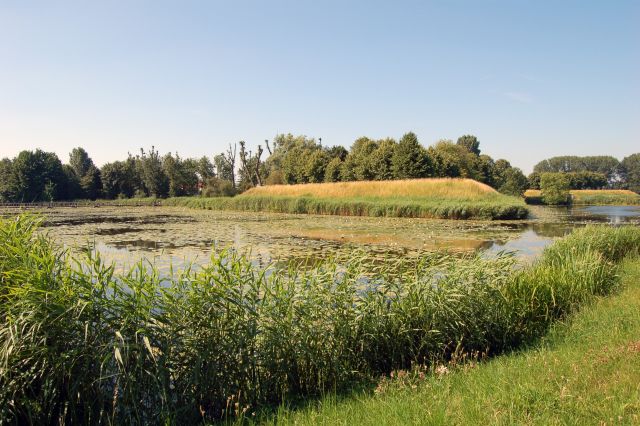
In 1438, a major fire devastated the town of Gouda and caused significant damage to the castle. Later, during the Eighty Years' War, the town sided with William I, Prince of Orange in 1572. In 1577, the town council ordered the demolition of the castle, officially to prevent its use by Spanish forces, but also to eliminate a symbol of feudal control over the town. Only two towers remained standing after the demolition, with an earthen bastion constructed nearby.
Subsequently, one of the remaining towers was demolished in 1777, and the last tower was taken down in 1808, leading to the complete disappearance of the castle's above-ground structures.
Archaeological discoveries and current state
In 1938, excavations uncovered the foundation of a round tower on the former castle grounds, now occupied by residential buildings. Local folklore spoke of underground flight tunnels extending beneath the river, though only partial tunnel remains were found on the castle terrain and none beneath the river itself. In the late 20th century, residents excavated their basements, revealing subterranean walls, tunnels, and cellars that were part of the castle's exterior defenses and storage areas.
Today, the tower foundation is preserved within a public park, while the castle cellars remain on private property. These remains were accessible to the public during National Heritage days until recently, when the private owners ceased public visits. These underground structures provide a rare glimpse into the castle's original footprint and construction techniques.
Gouda castle's legacy and cultural importance
Although Gouda Castle no longer stands as a complete structure, its historical footprint and archaeological remains contribute valuable insights into medieval fortifications in the Netherlands. The castle's integration with the town's defenses and control over river traffic reflect the strategic military and economic considerations of the late medieval period. Its involvement in key historical conflicts highlights its role in the shifting political landscape of the Low Countries during the 15th and 16th centuries.
The preservation of its foundations and cellars, despite urban development, allows for ongoing study and appreciation of medieval Dutch castle architecture. Gouda Castle remains a point of local heritage and a subject of interest for historians, archaeologists, and visitors fascinated by medieval fortifications and the history of South Holland.
Frequently asked questions (FAQ)
- What is the historical significance of Gouda Castle?
- Gouda Castle is a medieval fortress that dates back to the 13th century, playing a crucial role in the defense of the region. It is one of the few remaining castles in the Netherlands and reflects the architectural styles of its time, showcasing the importance of Gouda as a center for trade and governance.
- When was Gouda Castle built?
- Gouda Castle was constructed in the late 13th century, with its origins believed to date around 1280. Over the years, it has undergone several renovations and restorations, allowing it to maintain its historical charm while adapting to modern needs.
- Can I visit Gouda Castle?
- Yes, Gouda Castle is open to the public for visits. You can explore its historical grounds and learn about its rich history through guided tours, which often provide insights into its architectural features and the stories of its past inhabitants.
- What are the opening hours for Gouda Castle?
- Gouda Castle typically opens its doors from 10 AM to 5 PM, but it's advisable to check the official website for any seasonal changes or special events that might affect these hours. Guided tours may have specific times, so booking in advance is recommended.
- Is it possible to access Gouda Castle with a disability?
- Gouda Castle strives to be accessible to all visitors. However, due to its historical nature, some areas may have limitations. It's best to contact the castle’s management directly to inquire about specific accessibility options and accommodations.
- What is the best time to visit Gouda Castle?
- The best time to visit Gouda Castle is during the spring and early autumn months when the weather is mild and pleasant. Additionally, these seasons often feature fewer crowds, allowing for a more enjoyable experience while exploring the castle and its surroundings.
- Are there nearby attractions to visit after Gouda Castle?
- Yes, after visiting Gouda Castle, you can explore other attractions in Gouda, such as the iconic St. John's Church, known for its stunning stained glass windows, or the historic market square. The city’s charming canals and local cheese shops also make for delightful stops.
- What are the ticket prices for Gouda Castle?
- Ticket prices for Gouda Castle are generally affordable, with discounts available for children, students, and seniors. It's a good idea to check the castle's official website for the latest pricing information and any promotional offers that may be available.
Information
Address
Punt 17, Netherlands
Loading map...
Visitor reviews
No reviews yet. Been here? Write the first review and help other travelers!
Write the first reviewVisited this castle? Share your experience
Your review helps other travelers and adds first-hand knowledge to our encyclopedia.