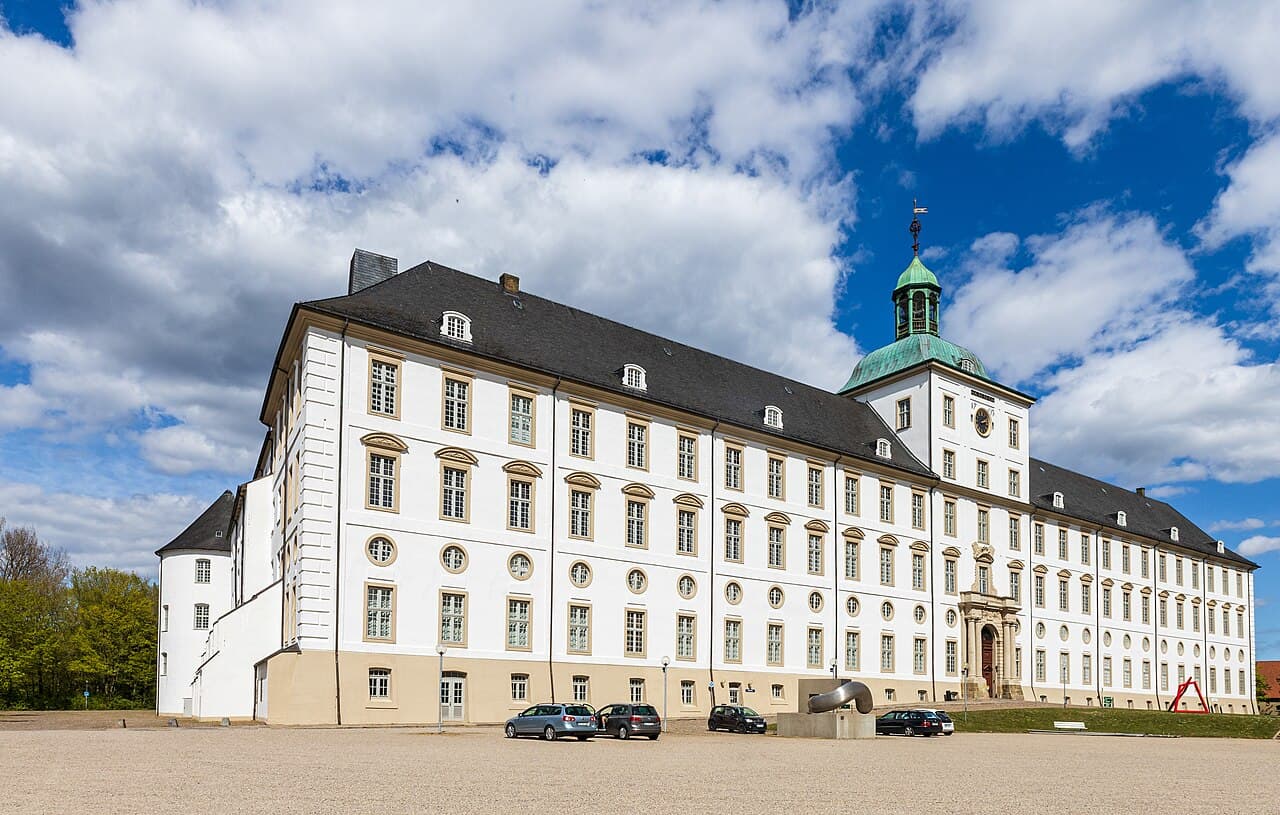
Gottorf Castle is a historic palace and estate located in the city of Schleswig, in the northern German state of Schleswig-Holstein. It stands on an island in the Schlei fjord, approximately 40 kilometers from the Baltic Sea, making it a strategically significant site throughout its history. The castle is a prominent example of architectural evolution, having transformed from a medieval fortress to a Renaissance stronghold, and later into a Baroque palace. Today, it serves as a cultural hub housing the State Art and Cultural History Museum and the State Archaeological Museum, attracting visitors interested in history, art, and architecture.
Early history and origins
The site of Gottorf Castle was first established as an estate in 1161 when Bishop Occo of Schleswig relocated here after his previous residence was destroyed. This early medieval foundation set the stage for the castle's long-standing association with ecclesiastical and noble power in the region. In 1268, the estate was acquired by the Danish Duke of Schleswig through purchase, marking a shift from ecclesiastical to secular control.
By 1340, the castle passed to the Count of Holstein at Rendsburg from the House of Schauenburg, further entrenching its role as a noble residence. The estate eventually came into the possession of Christian I of Denmark in 1459 through maternal inheritance. Christian I was the first Danish monarch from the House of Oldenburg, linking Gottorf Castle to one of the most influential royal dynasties in Northern Europe.
Renaissance transformation and ducal residence
The castle underwent significant expansion and architectural transformation during the 16th century, reflecting Renaissance influences. Frederick I, the younger son of Christian I, made Gottorf his primary residence. In 1544, the duchies of Schleswig and Holstein were divided into three parts, with Frederick's third son, Adolf, receiving one part and establishing the Duchy of Schleswig-Holstein-Gottorp with the castle as its seat.
Under the reign of Frederick III, Duke of Holstein-Gottorp (1597–1659), the estate became a notable center of European culture and politics. The castle's architecture and grounds were enhanced to reflect its status as a ducal residence and cultural hub.
Baroque rebuilding and architectural significance
Between 1697 and 1703, the castle was rebuilt into a Baroque palace by the renowned Swedish architect Nicodemus Tessin the Younger. This reconstruction marked a significant stylistic shift, introducing grand Baroque elements that emphasized symmetry, ornate decoration, and expansive formal gardens.
The Baroque palace featured impressive facades, grand halls, and elaborate interior decorations that showcased the wealth and influence of the ducal family. Tessin's design integrated the castle with its surrounding landscape, creating a harmonious and imposing architectural ensemble.
Decline and changing ownership
In 1702, the ducal family of Gottorp was forced to leave the castle, and it came under Danish control. During the reign of Frederick IV of Denmark, the palace fell into disuse and neglect by 1713. Over time, valuable furnishings, artworks, and interior elements were removed or relocated.
In the 19th century, the castle's buildings were repurposed as barracks for both Danish and Prussian military forces, further altering its historic character. During World War II, the estate served as a displaced persons camp, reflecting the turbulent history of the region.
Restoration and modern use
Starting in 1947, extensive restoration efforts began to preserve and rehabilitate Gottorf Castle. These efforts spanned several decades and were largely completed by 1996. The restoration focused on maintaining the castle's architectural integrity while adapting it for public use.
Today, the castle is owned by a foundation of the State of Schleswig-Holstein and functions as a museum complex. It houses the State Art and Cultural History Museum, which displays a wide range of art collections, and the State Archaeological Museum, which presents archaeological finds from the region. The castle's extensive grounds and historic buildings are open to visitors, offering insight into Northern European history and architecture.
Architectural features and layout
Gottorf Castle is notable for its layered architectural history, combining elements from its medieval origins through Renaissance expansion to Baroque grandeur. The castle complex includes fortified walls, gatehouses, towers, and a moat that reflect its defensive past.
The Baroque reconstruction introduced formal gardens and ornate façades that contrast with the more austere medieval structures. Inside, visitors can find grand halls with richly decorated ceilings, period furnishings, and artworks that illustrate the castle's cultural significance.
The island setting
The castle's location on an island in the Schlei fjord provided natural defense advantages and influenced its architectural development. The surrounding water acted as a moat and barrier against attacks, while also enhancing the aesthetic appeal of the estate.
Defensive structures
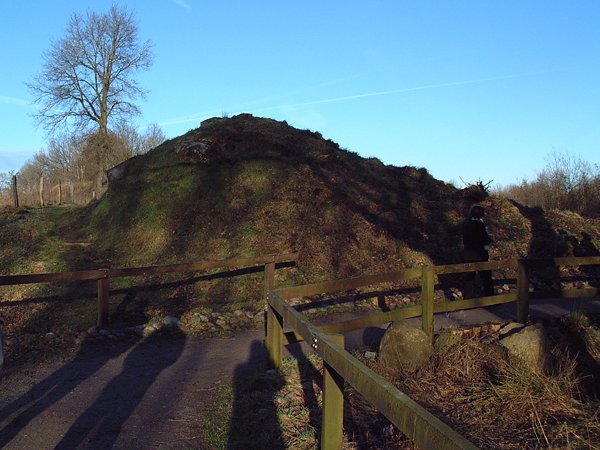
Remnants of the original medieval fortifications remain visible, including stone walls and defensive towers. These features were adapted and incorporated into later architectural phases, demonstrating the castle's continuous military and residential functions.
Gottorf castle in european history
The castle's history is closely tied to the political and dynastic developments of Northern Europe. As the seat of the Duchy of Schleswig-Holstein-Gottorp, it played a role in regional power struggles involving Denmark, the Holy Roman Empire, Sweden, and Russia.
The House of Oldenburg, which ruled from Gottorf, produced several European monarchs, including four Swedish kings and Russian emperors in the 18th century. This connection highlights the castle's significance beyond its immediate geographic location.
Cultural influence
During the reign of Frederick III, the castle became a European cultural center, attracting artists, scholars, and diplomats. Its collections and architectural style reflected Renaissance and Baroque tastes, contributing to the cultural exchange within the region.
Military and political role
Throughout its history, Gottorf Castle served as a military stronghold and administrative center. Its strategic position in Schleswig made it a key site during conflicts and territorial negotiations in the Baltic region.
Frequently asked questions (FAQ)
- How do I get to Gottorf Castle?
- Gottorf Castle is located in Schleswig, Germany, and can be easily accessed by car or public transportation. If you are traveling by train, the Schleswig train station is nearby, and local buses connect to the castle. There is also ample parking available for visitors who choose to drive.
- What is the historical significance of Gottorf Castle?
- Gottorf Castle dates back to the 12th century and served as the residence of the Dukes of Schleswig. It played a crucial role in the region's history, particularly during the conflicts between Denmark and Sweden. Today, it houses a museum that showcases the rich cultural history of Schleswig-Holstein.
- When was Gottorf Castle built?
- Construction of Gottorf Castle began in the early 12th century, and it was expanded over the centuries, reflecting various architectural styles. The castle was significantly modified in the Renaissance and Baroque periods, giving it the grand appearance it has today. Its long history makes it a fascinating site for those interested in medieval architecture.
- Can I visit Gottorf Castle year-round?
- Yes, Gottorf Castle is open to visitors throughout the year, although specific opening hours may vary by season. It is advisable to check their official website for the most accurate information regarding opening times and any seasonal events. Visiting during the off-peak season may offer a quieter experience.
- Why is Gottorf Castle a popular tourist attraction?
- Gottorf Castle is popular for its stunning architecture, beautiful gardens, and extensive art collections. The museum inside features exhibits on regional history, art, and culture, making it appealing to history enthusiasts and families alike. Its picturesque location near the Schlei fjord adds to its charm.
- Is it possible to take guided tours at Gottorf Castle?
- Yes, guided tours are available at Gottorf Castle, providing visitors with in-depth insights into its history and architecture. These tours are often conducted by knowledgeable guides who can share fascinating stories and details about the castle. Check the castle's website for tour schedules and booking information.
- What are the ticket prices for visiting Gottorf Castle?
- Ticket prices for Gottorf Castle vary based on age and the type of tour selected. Generally, adults can expect to pay a modest entrance fee, while discounts are often available for students and seniors. Family tickets are also offered, making it an affordable outing for groups.
- What are the best times to visit Gottorf Castle?
- The best times to visit Gottorf Castle are during the late spring and early fall when the weather is pleasant and the gardens are in full bloom. Summer can be busy with tourists, but it also offers lively events and festivals. Visiting on weekdays may help avoid the larger crowds.
- Are there any nearby attractions to see while visiting Gottorf Castle?
- Yes, there are several nearby attractions, including the picturesque town of Schleswig and the historic St. Peter's Cathedral. The Schlei fjord offers beautiful views and opportunities for outdoor activities, such as hiking and boating. These nearby sites make for a delightful day trip when combined with a visit to the castle.
Photo gallery

Information
Website
Visit websiteSources & official resources
Verify the information above using these authoritative references.
Loading map...
Visitor reviews
No reviews yet. Been here? Write the first review and help other travelers!
Write the first reviewVisited this castle? Share your experience
Your review helps other travelers and adds first-hand knowledge to our encyclopedia.