Gordon Castle
Gordon Castle stands near Fochabers in Moray, Scotland, historically known as the Bog-of-Gight or Bog o'Gight. It served as the principal seat of the Dukes of Gordon, one of Scotland's most prominent noble families. The site has a layered history dating back to the 15th century, with the original castle constructed in the 1470s by George Gordon, 2nd Earl of Huntly. This medieval fortress was expanded by his grandson, George Gordon, 1st Marquess of Huntly, reflecting the family's growing power and influence.
Medieval origins and early expansions
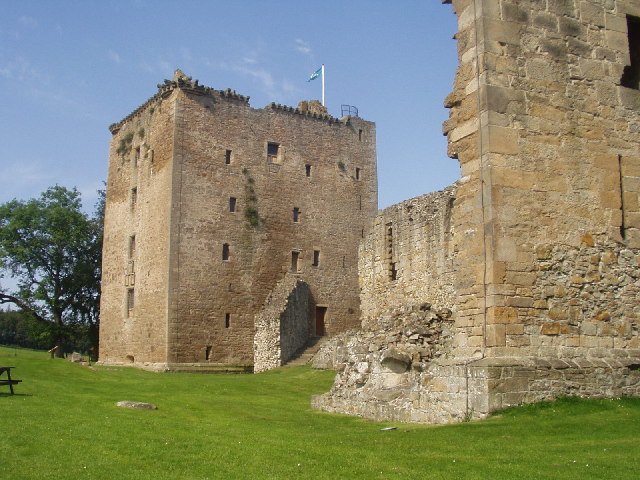
The original castle was strategically located near the River Spey, within the boggy terrain known as the Bog-of-Gight, which offered natural defensive advantages. The medieval structure featured a prominent tower, later known as the Bog-of-Gight tower, which was a central element of the fortress. An inventory from November 1648 reveals the castle's richly appointed interiors, including lavish beds, a hen house, and a parrot cage in the long gallery, indicating the castle's role not only as a military stronghold but also as a noble residence with considerable domestic comforts.
18th-century redevelopment and architectural transformation
In the 18th century, Gordon Castle underwent a significant transformation, reflecting the changing tastes and requirements of the aristocracy. In 1764, the renowned architect John Adam, along with French architect Abraham Roumieu, was initially commissioned to redesign the castle. However, their plans did not come to fruition. Instead, the commission passed to John Baxter, a lesser-known Edinburgh architect, who rebuilt the castle in 1769 for Alexander Gordon, 4th Duke of Gordon.
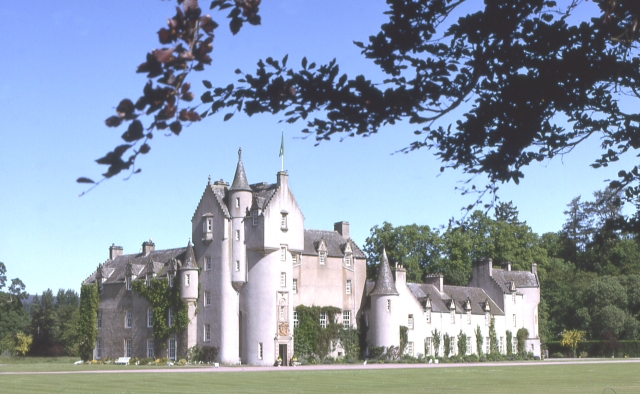
Baxter's design created one of the largest country houses ever built in Scotland at the time. The new structure featured a central four-storey block that incorporated the existing six-storey medieval Bog-of-Gight tower. This central block was flanked by two-storey wings extending on either side, creating an imposing facade that stretched an impressive 173 metres in length. The architectural style of the rebuilt castle reflected the post-Renaissance period, combining classical elements with the grandeur expected of a ducal residence.
Decline, partial demolition, and surviving elements
The fortunes of Gordon Castle declined in the late 19th and early 20th centuries. Following the deaths of the 7th and 8th Dukes of Gordon within a short span, the 9th Duke was compelled to sell the extensive Gordon Estates, which covered approximately 73,000 hectares, to pay substantial death duties. This financial necessity led to the dispersal of the castle's contents and the demolition of most of the grand 18th-century house.
Today, only the 16th-century Bog-of-Gight tower and one of the original wings survive. The remaining wing has been converted into a detached medium-sized country house, standing as a testament to the castle's former scale and significance. The surviving tower and wing offer valuable insight into the architectural evolution from medieval fortress to grand country house.
Architectural features and significance
Gordon Castle's architectural significance lies in its combination of medieval defensive structures with later aristocratic residential design. The integration of the Bog-of-Gight tower into the 18th-century mansion is a rare example of preserving medieval elements within a vastly expanded country house. The castle's extensive facade and wings demonstrated the wealth and status of the Dukes of Gordon during the post-Renaissance period in Scotland.
The castle's layout, with a central block flanked by symmetrical wings, reflects classical architectural principles popular in the 18th century. The scale of the building was exceptional for its time, marking it as one of Scotland's largest country houses. Although much of the castle was lost, the surviving elements continue to attract interest from historians and architectural enthusiasts.
Historical context and the dukes of gordon
The Dukes of Gordon were a powerful noble family whose influence shaped much of northeastern Scotland's history. Gordon Castle was not only their residence but also a symbol of their authority and social standing. The estate's vast lands and the castle's imposing architecture reflected their wealth and political significance from the late medieval period through the post-Renaissance era.
The castle witnessed numerous historical events and changes in ownership, reflecting broader shifts in Scottish aristocracy and landholding patterns. The sale and partial demolition of the castle in the 20th century illustrate the economic pressures faced by many noble families in maintaining large estates.
Visiting gordon castle today
While the majority of Gordon Castle no longer stands, the surviving Bog-of-Gight tower and wing remain private residences and are not generally open to the public. The castle's grounds and surrounding areas near Fochabers offer scenic views and a glimpse into Scotland's aristocratic past. Visitors interested in Scottish history and architecture can explore the region's other historic sites and appreciate the legacy of the Gordon family.
Frequently asked questions (FAQ)
- What are the opening hours for Gordon Castle?
- Gordon Castle is typically open to visitors from 10 AM to 5 PM, with extended hours during the summer months. It's advisable to check the official website for any seasonal changes or special events that may affect opening times.
- When was Gordon Castle built?
- Gordon Castle dates back to the early 15th century, making it one of the oldest castles in Scotland. It has undergone various renovations and expansions over the centuries, reflecting different architectural styles and historical periods.
- Can I visit the gardens at Gordon Castle?
- Yes, the gardens at Gordon Castle are open to visitors and are a highlight of the estate. You can explore the beautiful landscapes and various themed gardens, which are particularly stunning during spring and summer months.
- Is it possible to access Gordon Castle for individuals with mobility issues?
- Gordon Castle strives to be accessible for all visitors. While some areas may have limited access due to historical architecture, there are provisions in place to assist those with mobility challenges. It's recommended to contact the castle in advance for specific accessibility arrangements.
- What is the historical significance of Gordon Castle?
- Gordon Castle has been an important seat of the Gordon family for over 600 years and played a significant role in Scottish history. It has witnessed numerous pivotal events, including battles and political intrigue, making it a fascinating site for history enthusiasts.
- When is the best time to visit Gordon Castle?
- The best time to visit Gordon Castle is during the late spring and summer months when the gardens are in full bloom and various events are held. Autumn also offers stunning foliage, but be sure to check for specific events and activities that may enhance your visit.
- What are the ticket prices for Gordon Castle?
- Ticket prices for Gordon Castle vary based on the type of visit, with discounts available for families and groups. It's best to check the official website for the most current pricing information and any special offers that may be available.
- Are there any nearby attractions to Gordon Castle?
- Yes, there are several attractions near Gordon Castle, including the Spey Valley and local distilleries, which offer a taste of Scotland's rich heritage. Additionally, the charming town of Fochabers provides further opportunities for exploration, dining, and shopping.
Information
Loading map...
Visitor reviews
No reviews yet. Been here? Write the first review and help other travelers!
Write the first reviewVisited this castle? Share your experience
Your review helps other travelers and adds first-hand knowledge to our encyclopedia.