Ballindalloch Castle
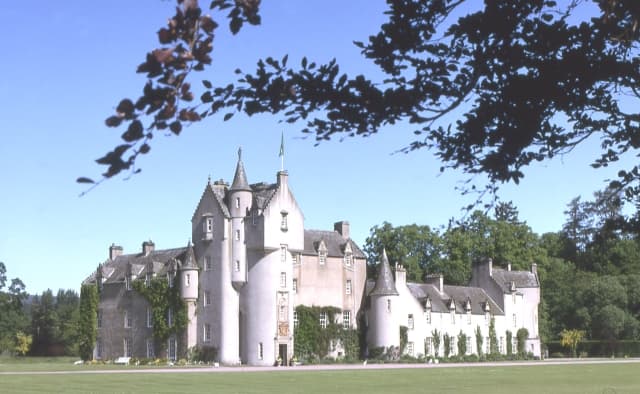
Ballindalloch Castle, often called the "pearl of the north," is a remarkable example of a Scottish Renaissance castle located in Banffshire, Scotland. It has been the ancestral home of the Macpherson-Grant family since 1546, making it one of the longest continuously occupied castles in the region. The castle's enduring presence and rich history make it a significant cultural and architectural landmark in the Scottish Highlands.
The architectural evolution of Ballindalloch Castle
The castle began as a Z-plan tower house with the construction of its first tower in 1546. This architectural style, popular in Scotland during the 16th century, features a rectangular main block with towers at diagonally opposite corners, providing both defensive advantages and aesthetic appeal. The original tower was built to serve as a fortified residence, blending functionality with the Renaissance architectural influences spreading through Scotland at the time.
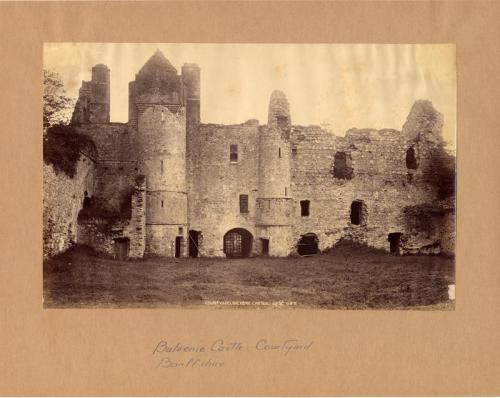
In 1645, after suffering damage during the turbulent conflicts of the period, particularly from attacks by James Graham, the first Marquess of Montrose, Ballindalloch Castle underwent significant restoration. This rebuilding preserved the core Renaissance features while adapting the structure to the needs of the era.
Further expansions occurred in 1770 under General James Grant, a veteran of the American Wars of Independence. These additions reflected the changing tastes and requirements of the time, incorporating more comfortable living spaces and aesthetic enhancements. In 1850, the architect Thomas MacKenzie contributed to the castle's development with additional extensions, likely adding Victorian elements while respecting the castle's historic character.
Extensions made in 1878 were mostly removed during modernization efforts in 1965, which aimed to restore the castle's historical integrity. Despite these changes, Ballindalloch Castle remains a well-preserved example of a Renaissance residence adapted through centuries of Scottish history.
Historical significance and notable events
The castle's history is intertwined with notable Scottish historical figures and events. In 1590, a violent feud erupted involving the Grants of Ballindalloch and the Gordons of Cluny, sparked by the killing of a servant. This conflict escalated to armed confrontations involving the Earls of Huntly and Moray, with Ballindalloch playing a central role in the hostilities. The skirmishes included a dramatic siege at Darnaway Castle and the death of John Gordon, brother to the Laird of Cluny.
Ballindalloch was plundered and burned during the mid-17th century civil wars but was restored shortly thereafter, demonstrating its resilience and importance as a family stronghold. The castle has remained in the hands of the Macpherson-Grant family and their ancestors, including the Russells, throughout its existence, preserving a continuous lineage and heritage.
Art collections and cultural heritage
Inside, Ballindalloch Castle houses an important collection of 17th-century Spanish paintings, reflecting the family's historical connections and refined taste. These artworks contribute to the castle's cultural significance and attract art historians and visitors alike.
The castle's interiors also feature period furnishings and decorative elements that showcase Scottish aristocratic life over several centuries. The dining room is famously reputed to be haunted by "The Green Lady," a ghostly figure said to appear to visitors, adding an element of local folklore and intrigue to the castle's atmosphere.
Grounds and natural surroundings
The castle estate is enriched by its natural setting, with the rivers Spey and Avon flowing through the grounds. These waterways offer excellent fishing opportunities, a traditional activity associated with Scottish country estates. The grounds also include a 20th-century rock garden and a 17th-century dovecote, adding to the historical landscape features.
The estate is known for its famous Aberdeen Angus cattle herd, a breed renowned worldwide for its quality beef. This agricultural aspect underscores the estate's ongoing role in Scottish rural life.
Visiting Ballindalloch Castle today
Today, Ballindalloch Castle remains a private residence but welcomes tourists during the summer months. Visitors can explore the castle's historic rooms, admire the art collection, and enjoy the scenic grounds. The estate also hosts several workshops that are actively used, offering a glimpse into traditional crafts and estate management.
The castle's blend of historical architecture, rich collections, and natural beauty makes it a compelling destination for those interested in Scottish history, architecture, and culture.
Frequently asked questions (FAQ)
- When was Ballindalloch Castle originally built?
- Ballindalloch Castle's first tower was constructed in 1546, marking the beginning of its long history as a family home.
- What architectural style is Ballindalloch Castle?
- The castle is primarily a Renaissance-era Z-plan tower house, featuring extensions from later periods including Victorian influences by architect Thomas MacKenzie.
- Is Ballindalloch Castle open to the public?
- Yes, Ballindalloch Castle is open to visitors during the summer months, offering tours of the historic rooms and grounds.
- What notable art collections does Ballindalloch Castle hold?
- The castle houses an important collection of 17th-century Spanish paintings, reflecting the family's cultural heritage.
- Are there any ghost stories associated with Ballindalloch Castle?
- Yes, the castle is said to be haunted by several ghosts, including the famous Green Lady who is reputed to appear in the dining room.
- What natural features are found on the Ballindalloch estate?
- The estate includes the rivers Spey and Avon, a 20th-century rock garden, a 17th-century dovecote, and is home to a renowned Aberdeen Angus cattle herd.
Photo gallery

Information
Opening hours
Summer months
Architect
Thomas MacKenzie
Current owner
Macpherson-Grant family
Website
Visit websiteSources & official resources
Verify the information above using these authoritative references.
Loading map...
Visitor reviews
No reviews yet. Been here? Write the first review and help other travelers!
Write the first reviewVisited this castle? Share your experience
Your review helps other travelers and adds first-hand knowledge to our encyclopedia.